Source Saso 2913 Car Safety Reflector for Road Signs, Headlights, Mirrors
Compare 17 Saso 2913 Car Safety Reflector options from Chinese manufacturers offering PVC and PET materials. Buyers can evaluate customization, sizes, and adhesive types for road signs, headlights, and rearview mirrors; compare the available evidence and request quotations based on your requirements.
Key considerations
Products List



Comprehensive Sourcing Guide
Saso 2913 Car Safety Reflector Sourcing Guide
Procuring reflective materials for automotive safety applications requires a nuanced understanding of both regulatory frameworks and material performance characteristics. The term "Saso 2913" often appears in product listings as a model identifier or standard reference, yet buyers must distinguish between marketing labels and actual certification compliance. In the context of Chinese manufacturing hubs like Guangdong and Fujian, suppliers frequently list products under various model numbers that may or may not align with specific international or regional safety standards. It is critical for procurement teams to verify whether the listed standard refers to a mandatory certification for the destination market or merely an internal product code. Misinterpreting these labels can lead to non-compliant shipments, particularly when importing into regions with strict automotive safety regulations.
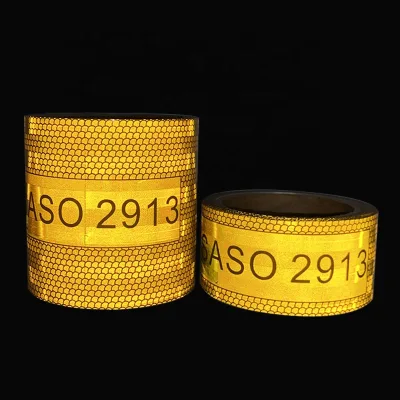
The observed market data indicates a diverse range of reflective tapes, including PVC and PET constructions, with varying adhesive properties and reflective technologies such as micro-prismatic designs. These materials are commonly applied to road signs, car headlights, and rearview mirror stickers, serving dual purposes of visibility and safety warning. Buyers should note that while some listings mention "ECE 104r" or other reflective standards, the actual product attributes vary significantly in terms of durability, color options, and customization capabilities. Understanding the specific application environment—whether for static road signage or dynamic vehicle components—is essential for selecting the correct material grade. This guide provides a structured approach to evaluating these products based on verified technical specifications and commercial terms.
Product Scope and Observed Listing Signals
The current market landscape for reflective tapes shows a wide variety of product types, ranging from general-purpose road sign materials to specialized automotive stickers. Listings frequently highlight features such as high counter-reflective ability, excellent extensibility, and strong removable adhesives, which are crucial for different installation scenarios. For instance, some products are designed as lamp films for rear lights, while others serve as decorative or functional stickers for car glass. The observed price range of $0.1 to $30 USD reflects this diversity, with lower costs typically associated with basic PVC tapes and higher prices linked to premium PET or micro-prismatic films. Buyers must carefully assess the intended use case to avoid over-specifying or under-specifying their material requirements.
Minimum Order Quantities (MOQs) vary considerably, with some suppliers offering as few as one roll, while others require bulk purchases of 24 or more rolls per carton. This variability impacts inventory management and initial testing phases for new buyers. Many suppliers offer OEM services and customization options, allowing for tailored sizes, logos, and printing methods such as screen, inkjet, or UV printing. The availability of free samples, including swatch books and A4 size sheets, is a common practice that facilitates material evaluation before committing to larger orders. Understanding these commercial signals helps buyers navigate the initial sourcing phase more effectively, ensuring they align their procurement strategy with supplier capabilities and market realities.
Technical Specifications to Verify
When evaluating reflective tapes, the construction type is a primary technical differentiator, with micro-prismatic designs offering superior brightness and durability compared to standard glass bead alternatives. Buyers should verify the base material, which is often PVC or PET, as this affects flexibility, weather resistance, and adhesive performance. The observed specifications include dimensions such as 5cm x 45.7m per roll, with options for 7.5cm and 10cm widths, catering to various application needs. Additionally, the presence of a 30-micron PE protection film is a key detail that ensures the adhesive remains clean and effective during storage and handling. These physical attributes directly influence the ease of installation and the long-term integrity of the reflective surface in harsh environmental conditions.
Adhesive quality is another critical specification, with many products featuring strong removable adhesives that balance secure bonding with the ability to be repositioned or removed without damaging the substrate. Durability claims often range from three to ten years outdoors, a factor that must be validated against the specific environmental exposure of the end product. The reflective color options, including red, grey, blue, green, black, and yellow, allow for customization to meet specific visibility or aesthetic requirements. Buyers should request detailed technical data sheets that confirm the retroreflective coefficient and weathering resistance, ensuring that the selected material meets the performance expectations for its intended application, whether for road signs or automotive components.
Compliance and Safety Documentation
Navigating the compliance landscape for automotive and road safety products requires careful attention to the specific standards applicable in the target market. While listings may reference standards like SASO 2913 or ECE 104r, buyers must confirm whether these represent mandatory certifications or merely product model numbers. In many cases, suppliers provide documentation that aligns with regional safety requirements, but it is the importer's responsibility to verify that the product meets the legal obligations of the destination country. This is particularly important for automotive applications, where safety reflectors are subject to strict regulatory oversight to ensure driver visibility and accident prevention.
Documentation should include test reports that validate the product's performance under standardized conditions, such as salt spray testing or UV exposure simulations. Buyers should also inquire about the origin of the raw materials, as the quality of the reflective film and adhesive can significantly impact compliance outcomes. Suppliers from regions like Guangdong and Fujian often have experience exporting to various markets, but this does not automatically guarantee compliance with every regional standard. Establishing a clear communication channel with the supplier to obtain and review all relevant certificates and test results is essential for mitigating regulatory risks and ensuring that the procured materials are suitable for their intended safety-critical applications.
Cost Drivers and Commercial Terms
The cost of reflective tapes is influenced by several factors, including the material type, construction technology, and customization requirements. Micro-prismatic films and PET substrates generally command higher prices than standard PVC options due to their enhanced performance characteristics. Customization services, such as printing logos or cutting to specific sizes, add to the overall cost but can provide significant value for branded or specialized applications. The observed MOQ ranges from one roll to bulk carton quantities, allowing buyers to scale their orders based on demand and budget constraints. Understanding these cost drivers helps in negotiating favorable terms and selecting the most cost-effective solution for the project.
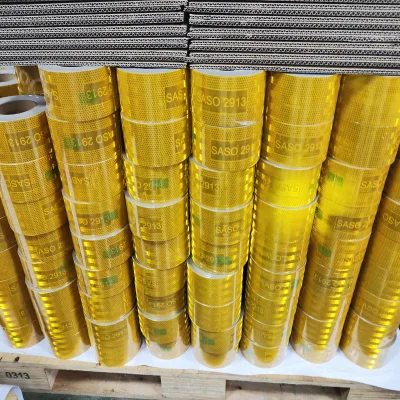
Packaging and logistics also play a role in the total cost of ownership, with products typically packed in standard cartons containing 12 to 24 rolls. Efficient packaging minimizes damage during transit and optimizes shipping volume, reducing freight costs. Buyers should consider the lead times and production capacity of the supplier, as these factors can impact project timelines and inventory planning. While some suppliers offer free samples, bulk orders may require advance payments or letters of credit, depending on the commercial relationship. Establishing clear commercial terms, including payment methods, delivery schedules, and warranty policies, is crucial for ensuring a smooth procurement process and protecting the buyer's interests.
Supplier Qualification and Quality Control
Selecting a reliable supplier is paramount for ensuring the consistent quality and compliance of reflective tapes. Buyers should verify the supplier's manufacturing capabilities, including their production facilities in regions like Guangdong and Fujian, and assess their experience in exporting to relevant markets. Quality control processes should be clearly defined, with suppliers providing evidence of in-house testing and inspection procedures. Requesting samples for initial evaluation is a standard practice that allows buyers to assess the material's physical properties, adhesive performance, and reflective quality before committing to larger orders. This due diligence helps mitigate the risk of receiving substandard products that may fail in the field.
Ongoing quality assurance should include periodic audits or third-party inspections, particularly for large-volume orders. Buyers should establish clear acceptance criteria based on technical specifications and compliance requirements, ensuring that any deviations are addressed promptly. Communication with the supplier regarding any quality issues or changes in specifications is essential for maintaining product integrity. Additionally, buyers should consider the supplier's responsiveness and willingness to collaborate on custom solutions, as this can enhance the overall procurement experience. Building a strong relationship with a qualified supplier fosters trust and ensures a steady supply of high-quality reflective materials for safety-critical applications.
Long-Term Procurement Checks
Sustaining a successful procurement strategy for reflective tapes requires regular review and adaptation to changing market conditions and regulatory landscapes. Buyers should monitor updates to safety standards and certification requirements in their target markets, ensuring that their suppliers remain compliant with the latest regulations. Periodic re-evaluation of supplier performance, including delivery reliability, product quality, and customer service, is essential for maintaining a robust supply chain. Additionally, staying informed about advancements in reflective technology, such as new materials or construction methods, can provide opportunities for cost savings or performance improvements.
Long-term partnerships with suppliers can offer benefits such as priority production slots, volume discounts, and collaborative innovation. However, buyers should also maintain a diversified supplier base to mitigate risks associated with single-source dependencies. Regular communication with suppliers regarding future needs and market trends helps in planning for capacity and inventory requirements. By proactively managing these relationships and staying vigilant about compliance and quality, buyers can ensure a steady supply of high-performance reflective materials that meet the evolving demands of the automotive and road safety industries.
FAQs
What is the standard size for Saso 2913 Car Safety Reflector rolls?
The standard size is 5cm by 45.7m per roll. This dimension is widely used for vehicle marking and safety applications. Customized sizes are also available upon request to meet specific project requirements. Buyers can choose from various widths including 5cm, 7.5cm, and 10cm lengths to suit different installation needs.
Can I customize the size or logo for these reflective tapes?
Yes, customization is available for both sizes and logos. All elements can be tailored to your specific branding or technical needs. The material supports screen, inkjet, UV printing, engraving, and cutting processes. This flexibility allows for precise application on various surfaces while maintaining high reflectivity and durability for long-term outdoor use.
What is the minimum order quantity for these reflective products?
The minimum order quantity varies by product type. Some items require a minimum of one roll, while others may require twelve or twenty-four rolls. This range allows small buyers to test samples or larger clients to place bulk orders. The packaging typically contains multiple rolls per carton to optimize shipping and handling efficiency.
Which materials are used for Saso 2913 Car Safety Reflector tapes?
These tapes are manufactured using PVC, PET, and Acrylic materials. Each material offers distinct properties for different application environments. The construction often features micro-prismatic technology for high counter-reflective ability. Strong removable adhesives ensure secure attachment to surfaces like car glass or road signs while allowing for safe removal when necessary.
Where are these reflective tapes manufactured and shipped from?
These products are manufactured in China, specifically in Guangdong and Fujian provinces. The origin ensures access to established supply chains and manufacturing expertise. Products are packed in standard cartons for safe transport. Buyers can expect reliable sourcing from these regions known for producing high-quality reflective materials and safety warning products for global markets.
How durable are these reflective tapes for outdoor use?
These tapes are designed for over three to ten years of outdoor durability. The materials resist weathering and maintain reflectivity over time. Features include excellent extensibility and high counter-reflective ability. This longevity makes them suitable for permanent applications on vehicles, road signs, and safety equipment where consistent visibility and safety warnings are critical for compliance and protection.