Source Adjustable Bra Sliders for bags, garments, and shoes
Compare 30 listings for Adjustable Bra Sliders from verified suppliers. Buyers can evaluate customization options, materials, and MOQs for applications in bags, garments, and shoes.
Key considerations
Products List


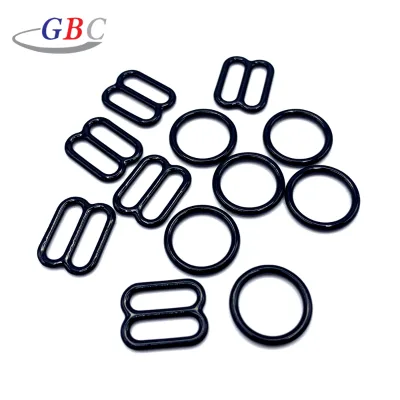
Hight Quality Nylon Coated Adjuster Bra Ring and Sliders for Bra Accessories
$0.02 - $0.25
MOQ: 1000 Pieces




Comprehensive Sourcing Guide
Strategic Sourcing Guide for Adjustable Bra Sliders
The global market for lingerie and apparel hardware continues to demand precision engineering, particularly regarding components that ensure fit and comfort. Adjustable Bra Sliders represent a critical category within this supply chain, serving as the functional mechanism that allows users to customize strap length. For procurement professionals, navigating this sector requires a granular understanding of material science, manufacturing standards, and compliance frameworks. This guide synthesizes available market data to provide a structured approach for sourcing high-quality adjustable sliders, focusing on technical specifications, regulatory adherence, and supply chain reliability.
Technical Specifications and Material Composition
The foundation of a reliable sourcing strategy lies in defining precise technical requirements. Adjustable sliders are not monolithic; they vary significantly based on the intended application, whether for swimwear, sportswear, or formal undergarments. The observed market data indicates a diverse range of material compositions, with plastic and metal being the primary contenders. Plastic variants, often derived from high-grade polymers, are frequently cited for their lightweight nature and cost-effectiveness, making them suitable for everyday wear and disposable or low-cost garment lines. Conversely, metal sliders offer superior durability and tensile strength, essential for heavy-duty applications like swimwear or corsetry where friction and load-bearing capacity are paramount.
Size is another critical specification that dictates compatibility. The market presents a wide spectrum of dimensions, ranging from 18mm to 80mm for specific hook and slider assemblies, while other standards define strap widths between 1.2cm and 3cm. Buyers must verify that the selected slider matches the width of the bra strap to ensure smooth operation without jamming. Furthermore, the buckle style varies significantly, with "O", "8", and "9" configurations being standard, alongside irregular styles designed for specific aesthetic or functional purposes. The presence of a "Non Spring" attribute in certain product lines suggests a reliance on friction-based locking mechanisms rather than spring-loaded tension, which impacts the tactile feel and longevity of the adjustment.
Compliance and Certification Frameworks
In the B2B apparel sector, compliance is not merely a regulatory hurdle but a prerequisite for market access. The supply chain for adjustable sliders must adhere to rigorous safety and environmental standards. A key certification observed in the market is the Oeko-Tex Standard 100, which verifies that the textile components, including the sliders and associated straps, are free from harmful substances. This is particularly vital for products intended for intimate wear, where skin contact is prolonged. Additionally, the Business Social Compliance Initiative (BSCI) certification is a common requirement, ensuring that the manufacturing facilities adhere to ethical labor practices and social responsibility standards.
Buyers should not assume that all listed products automatically possess these certifications. Instead, the procurement process must include a verification step where suppliers provide valid, up-to-date certificates for the specific batch of goods. The standard also extends to the materials themselves; for instance, Nylon Coated Bra Hooks and Polyester or Shiny Nylon straps must be tested for chemical safety. When sourcing from regions like Guangdong, China, buyers must ensure that the local manufacturing practices align with international compliance expectations. The absence of specific certification data in a product listing should trigger a request for documentation before proceeding with any order, as non-compliant goods can lead to customs seizures or brand reputation damage.
Cost Drivers and Economic Factors
Understanding the cost structure of Adjustable Bra Sliders is essential for budgeting and negotiation. The primary cost drivers include the raw material type, the complexity of the molding or stamping process, and the scale of production. Metal components generally command a higher price point than plastic alternatives due to the cost of the base metal and the finishing processes required to prevent corrosion. Similarly, customized sizes or non-standard buckle styles (such as irregular shapes) introduce additional tooling costs that are often passed on to the buyer.
Minimum Order Quantity (MOQ) is another significant economic factor. Market observations show a wide variance in MOQ requirements, ranging from as low as 100 pairs for specific strap assemblies to 1000 pieces for standard hook and slider units. High-volume buyers can leverage economies of scale to reduce the unit cost, while smaller buyers may face higher per-unit prices or need to consolidate orders to meet supplier thresholds. The packaging method also influences logistics costs; bulk packing in OPP bags versus individual polybagging affects the volume and weight of the shipment. Buyers should analyze the total landed cost, including packaging and shipping, rather than focusing solely on the unit price, to ensure accurate financial planning.
Typical Applications and Usage Scenarios
The versatility of Adjustable Bra Sliders allows them to serve a broad array of applications across the fashion and textile industries. The data indicates usage in diverse categories including garments, bags, shoes, belts, and specifically undergarments like bras, swimwear, and sports bras. In the context of swimwear and sportswear, the sliders must withstand exposure to chlorine, saltwater, and high-frequency movement, necessitating materials with high resistance to degradation. For wedding dresses and evening wear, the aesthetic finish of the slider becomes a priority, often requiring color-matching capabilities to blend seamlessly with the fabric.
The application extends beyond traditional lingerie. The "Bag" and "Shoe" usage categories highlight the adaptability of these components for fashion accessories where adjustable tension is required. In the realm of home textiles, sliders may be utilized in adjustable covers or fitted sheets. The "Invisible" strap type and "Sports" style attributes suggest a growing demand for functional hardware that does not compromise the visual aesthetics of the garment. Buyers should align their sourcing decisions with the specific performance demands of the end product, ensuring that the selected slider can handle the mechanical stress and environmental conditions of its intended use.
Supplier Evaluation and Quality Assurance
Selecting the right supplier requires a multi-faceted evaluation process that goes beyond price comparisons. The origin of the product, such as Guangdong, China, is a common hub for textile hardware, but buyers must verify the specific capabilities of the manufacturer. Key evaluation criteria include the supplier's ability to provide samples, their adherence to the stated MOQ, and their capacity for customization. The availability of free samples is a positive indicator of supplier confidence and allows buyers to physically inspect the quality of the slider, the smoothness of the adjustment mechanism, and the finish of the material.
Quality control measures should be established early in the procurement cycle. Buyers must verify that the supplier employs consistent production techniques, such as woven or molded processes, to ensure uniformity across batches. The packing standards, such as 1000 pieces per OPP bag or specific carton configurations, should be agreed upon to prevent damage during transit. Furthermore, the supplier's ability to meet customization requests, such as specific sizes or buckle colors, is a critical differentiator. A robust quality assurance protocol should include random sampling and testing of the sliders for tensile strength and durability, ensuring that the final product meets the buyer's specifications before mass production begins.
Long-Term Procurement Considerations
Sourcing Adjustable Bra Sliders is not a one-time transaction but a strategic partnership that requires long-term planning. Buyers should consider the scalability of the supplier's production capabilities to accommodate future demand fluctuations. The ability to maintain consistent quality over time is paramount; a change in raw material sourcing or manufacturing process can lead to product failures that damage the end brand. Additionally, the supply chain's resilience to external disruptions, such as raw material shortages or logistical delays, must be assessed.
Sustainability is becoming an increasingly important factor in long-term procurement. Buyers should inquire about the recyclability of the materials used, particularly for plastic and metal components, and the environmental impact of the manufacturing process. The availability of eco-friendly certifications and the supplier's commitment to reducing waste can enhance the brand's market positioning. Finally, maintaining open communication channels with the supplier ensures that any issues regarding product performance or compliance can be addressed promptly, fostering a relationship built on trust and mutual benefit. By focusing on these long-term factors, buyers can secure a reliable supply of high-quality Adjustable Bra Sliders that support their business growth and market objectives.
FAQs
What certifications do Adjustable Bra Sliders typically hold?
Adjustable Bra Sliders often hold Oeko-Tex Standard 100 and BSCI certifications. These verify that the textile components are free from harmful substances and that manufacturing facilities adhere to ethical labor practices, which is vital for intimate wear products.
Which materials are used for Adjustable Bra Sliders?
The primary materials used are plastic and metal. Plastic variants offer a lightweight and cost-effective solution for everyday wear, while metal sliders provide superior durability and tensile strength suitable for heavy-duty applications like swimwear or corsetry.
How does the MOQ vary for these components?
Minimum Order Quantities vary significantly based on the specific product type. Standard hook and slider units often require 1000 pieces, whereas specific strap assemblies may have a lower threshold of 100 pairs, allowing flexibility for different order volumes.
Can buyers request customized sizes and colors?
Yes, customization is available for sizes and buckle colors. Buyers can specify dimensions ranging from 18mm to 80mm or request specific buckle styles like O, 8, or 9 configurations to match their garment design requirements precisely.
Where are these products typically manufactured?
These products are typically manufactured in Guangdong, China. This region is a known hub for textile hardware, offering a concentration of suppliers capable of producing high-volume orders with consistent quality and established logistics networks.
What packaging options are available for bulk orders?
Packaging options include 1000 pieces per OPP bag or individual polybagging. Suppliers often use inner OPP bags with outer cartons, or can customize packing to meet specific buyer requirements to prevent damage during transit.