Source Adjustable Cotton Baseball Cap for sports, outdoor, and retail
Find 30 Adjustable Cotton Baseball Cap options from verified suppliers. Compare features like embroidery, customization, and fabric types to select the right hat for sports, outdoor activities, or brand retail.
Key considerations
Products List


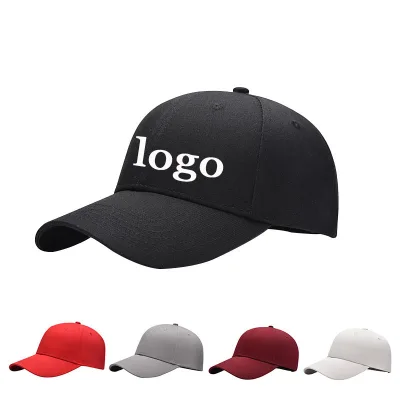
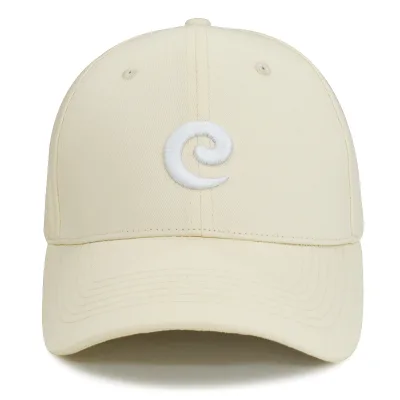
Comprehensive Sourcing Guide
Strategic Sourcing Guide for Adjustable Cotton Baseball Caps
Understanding Product Specifications and Material Variations
When sourcing an Adjustable Cotton Baseball Cap, the primary objective is to align product specifications with the intended application, whether for brand retail, promotional events, or sports use. The market offers a diverse range of configurations, and a disciplined approach requires distinguishing between the various material compositions and structural designs available. While the core keyword emphasizes "cotton," the observed product data reveals a significant presence of polyester blends and 100% cotton options. Buyers must verify the specific material composition of the supplier's inventory, as the tactile feel, durability, and breathability differ markedly between 100% cotton and polyester constructions.
The structural integrity of the cap is defined by its panel count and crown style. The standard configuration for high-quality baseball caps is the 6-panel design, which provides a structured, rounded silhouette. This design is frequently paired with a "with crown" attribute, ensuring the cap maintains its shape. The brim is a critical component, typically described as "with brim," offering sun protection and a classic aesthetic. The closure mechanism is equally vital for the "adjustable" aspect of the keyword. Most suppliers utilize a plastic buckle at the back, allowing for a wide range of head sizes to be accommodated within a single SKU. However, some listings indicate "customized" sizing, suggesting that buyers can request specific measurements beyond the standard Small, Medium, and Large (S/M/L) range.
The following table summarizes the key technical attributes observed in the current market landscape for this product category:
| Attribute Category | Common Observation | Variations to Verify |
|---|---|---|
| Material | 100% Cotton, Polyester | Blends, Organic Cotton, Recycled Fibers |
| Panel Style | 6-Panel Hat | 5-Panel, 7-Panel, Structured vs. Unstructured |
| Closure Type | Plastic Buckle | Metal Buckle, Velcro, Strap-back, Fitted |
| Logo Application | Custom Logo, Embroidery | Screen Print, Heat Transfer, Patch |
| Seasonality | Four Seasons, Spring/Autumn | Winter (with ear warmer), Summer (quick dry) |
| Size Range | S, M, L | Customized, One Size Fits Most |
Buyers should note that while "cotton" is the primary material of interest, some products labeled as cotton may include synthetic blends to enhance durability or reduce shrinkage. The "Fabric Feature" often cited as "breathable" or "common" requires physical verification, as breathability is heavily influenced by the weave density and the presence of ventilation eyelets, which are not explicitly detailed in all product listings.
Compliance, Certification, and Safety Standards
In the B2B procurement of textile products, compliance is not merely a formality but a critical risk management strategy. While the supplied product data does not explicitly confirm that every listed item holds specific certifications, buyers must treat compliance as a mandatory verification step rather than an assumption. The market often references standards such as OEKO-TEX, which ensures that the textile is free from harmful substances. However, without explicit confirmation from the supplier, this status cannot be assumed for any specific batch.
When evaluating suppliers, the procurement team should request documentation regarding the safety of the dyes and the integrity of the materials. For products intended for children or sensitive skin, verifying that the cotton is free from formaldehyde and heavy metals is essential. The "Special Features" listed in some product data, such as "UV Resistant," "Sun Protection," and "Antimicrobial," are performance claims that require third-party testing reports to validate. A supplier claiming a cap is "UV Resistant" must provide test data demonstrating the Ultraviolet Protection Factor (UPF) rating. Similarly, claims of "Windproof" or "Quick Dry" properties for cotton products are counter-intuitive, as natural cotton absorbs moisture. Buyers should scrutinize these claims to ensure they refer to specific treatments or blends rather than the base material alone.
Furthermore, the origin of the product is a key factor in compliance. The majority of the observed data points to China as the origin. Sourcing from this region requires a robust understanding of local labor laws and export regulations. Buyers should ensure that the supplier adheres to international labor standards, particularly regarding working conditions and fair wages. While specific certification names like "CCC" (China Compulsory Certification) appear in product codes, they are often internal reference numbers rather than external safety certifications. The buyer's responsibility is to request the actual compliance certificates relevant to the destination market, such as CPSIA for the US or REACH for the European Union, rather than relying on generic product descriptions.
Cost Drivers and Pricing Dynamics
The pricing of adjustable cotton baseball caps is influenced by a complex interplay of material costs, customization complexity, and order volume. The observed price range in the market spans from $0.60 to $3.58 USD, a significant variance that reflects differences in quality, branding, and production scale. The lower end of this spectrum typically corresponds to basic polyester or blended caps with simple printing, while the higher end often involves 100% cotton, complex embroidery, and premium packaging.
Material cost is the primary driver. 100% cotton is generally more expensive than polyester due to the cost of raw fibers and the more intensive processing required to prevent shrinkage and maintain shape. The "Single Gross Weight" of approximately 0.080 kg provides a baseline for shipping cost calculations, but heavier, denser cotton caps will incur higher freight charges. Buyers must factor in the cost of the "Custom Logo" application. Embroidery, particularly "Flat Embroidery" as noted in the process technology, is more labor-intensive and costly than screen printing. The number of colors in the logo and the density of the stitching directly impact the unit price.
Order volume, represented by the Minimum Order Quantity (MOQ), is another critical cost factor. The observed MOQ range is vast, from 1 to 5000 units. Suppliers offering an MOQ of 1 are likely operating on a dropshipping or small-batch model, which carries a premium per unit. Conversely, orders approaching the 5000-unit threshold allow for economies of scale, significantly reducing the per-unit cost. However, the "Small Orders: Accepted" attribute suggests that many suppliers are flexible, though this flexibility may come with a higher price point.
The "Selling Units" being listed as "Single Item" indicates that some suppliers are willing to sell samples or very small batches, which is useful for prototyping but inefficient for bulk procurement. For large-scale orders, buyers should negotiate based on the total volume rather than the per-unit price of a single item. Additionally, packaging costs, such as "Carton" or "Standard Packaging," can add to the overall cost. Customized packaging, while enhancing brand value, will increase the unit price and potentially the lead time.
Typical Applications and Market Segmentation
The versatility of the Adjustable Cotton Baseball Cap makes it suitable for a wide array of applications, ranging from corporate branding to athletic performance. The "Applicable Scene" is frequently listed as "Sports," but the "Applicable Season" of "Four Seasons" suggests a broader utility. In the corporate sector, these caps are a staple for "Brand Retail" and promotional giveaways. The ability to customize the logo allows companies to create cohesive brand identities for employees, events, or marketing campaigns.
For the sports industry, the "Sports Cap Type" designation is crucial. Athletes and teams require caps that offer sun protection and comfort during physical activity. Features like "Quick Dry" and "Lightweight" are highly desirable in this segment, although as noted, these are often associated with synthetic blends. If a buyer specifically requires a cotton cap for sports, they must verify if the cotton has been treated for moisture-wicking properties. The "Ponytail Hole" feature mentioned in the special features list indicates a design tailored for female athletes with long hair, highlighting the importance of inclusive sizing and design in the procurement process.
The "Gender" attribute, listed as "Female, Male, Unisex," confirms that the product is generally designed to be gender-neutral. This is a significant advantage for bulk buyers who wish to avoid maintaining separate inventories for different genders. The "Unisex" classification simplifies logistics and reduces the risk of overstocking specific sizes. However, buyers should still verify the fit, as "Unisex" does not always guarantee a perfect fit for all body types. The "Size" options of S, M, and L are standard, but the availability of "Customized" sizes allows for more precise targeting of specific demographics.
Seasonal variations also play a role in application. While the cap is marketed for "Four Seasons," specific features like "Ear Warmer" suggest a winter variant. Buyers planning for seasonal campaigns should ensure the supplier can provide the appropriate seasonal adaptation. For example, a summer campaign might prioritize "UV Resistant" and "Breathable" features, while a winter campaign might focus on warmth and wind resistance.
Supplier Evaluation and Verification Protocols
Selecting the right supplier is the most critical step in the procurement process. The "Rang Name" and "Modal Nlumho" (likely internal model numbers) found in the data indicate that suppliers have their own internal tracking systems. Buyers should not rely solely on these identifiers but should conduct a thorough due diligence process. The first step is to verify the supplier's capacity to handle the required order volume. A supplier claiming to accept "Small Orders" may not have the infrastructure to fulfill a 5000-unit order within a reasonable timeframe.
Communication is a key indicator of supplier reliability. Buyers should assess the responsiveness of the supplier to inquiries regarding material composition, customization options, and lead times. The "Customization: Available" and "Customized: Customized" attributes suggest that the supplier is open to modifications, but the extent of these modifications must be clearly defined. For instance, can the supplier handle complex embroidery designs, or are they limited to simple logos? Can they provide custom packaging, or is it limited to standard cartons?
Quality control is another essential evaluation criterion. Buyers should request samples before placing a bulk order. The sample should be evaluated for stitching quality, color fastness, and the accuracy of the customization. The "Single Package Size" of 23x13x16 cm provides a benchmark for packaging efficiency, but the actual product inside should be inspected for defects. Buyers should also verify the supplier's history of dealing with international clients, as this often correlates with a higher standard of quality control and adherence to export regulations.
Finally, buyers should check for any red flags in the supplier's profile, such as inconsistent product descriptions or a lack of transparency regarding the origin of materials. The "prod_standard" listed as "S/M/L" is a basic size standard, but buyers should ensure the supplier adheres to more rigorous quality standards if required by their market.
Quality Control and Long-Term Procurement Strategy
Implementing a robust quality control (QC) strategy is essential for maintaining product consistency and brand reputation. The QC process should begin at the design stage, where the buyer and supplier agree on the exact specifications for the cap, including thread count, embroidery density, and color matching. During production, random sampling should be conducted to ensure that the caps meet the agreed-upon standards. Key areas to inspect include the stability of the plastic buckle, the integrity of the 6-panel construction, and the durability of the logo application.
For long-term procurement, buyers should aim to establish a strategic partnership with a supplier rather than engaging in transactional relationships. This involves negotiating favorable terms for repeat orders, such as reduced lead times or priority production slots. The "Customized Logo" and "Customized" attributes indicate that the supplier is capable of adapting to the buyer's evolving needs. Over time, this flexibility can lead to cost savings and improved product quality.
Buyers should also consider the environmental impact of their procurement. While the "OEKO-TEX" standard is mentioned in the background, it is not confirmed for all products. Buyers interested in sustainability should specifically inquire about the use of organic cotton or recycled materials. This not only aligns with growing consumer demand for eco-friendly products but can also differentiate the brand in a crowded market.
In conclusion, sourcing adjustable cotton baseball caps requires a meticulous approach that balances technical specifications, compliance requirements, cost considerations, and supplier reliability. By adhering to a disciplined procurement strategy, buyers can secure high-quality products that meet their specific needs while mitigating risks associated with the global supply chain. The flexibility of the market, with its wide range of customization options and order sizes, offers significant opportunities for buyers to tailor their procurement to their unique business objectives.
FAQs
What materials are used for adjustable cotton baseball caps?
The caps are primarily made from 100% cotton or polyester. Some listings specify cotton fabric, while others use polyester blends to enhance durability and breathability. Buyers must verify the specific material composition of the supplier's inventory before ordering.
Which panel styles are available for these baseball caps?
The standard configuration is a 6-panel hat design with a structured crown. This style provides a rounded silhouette and is frequently paired with a brim. Some products also offer customized sizing options beyond the standard S, M, and L range.
Can buyers request custom logos on these caps?
Yes, customization is available for logos using either embroidery or printing. The process often involves flat embroidery, which is more labor-intensive than screen printing. Buyers should confirm the specific customization limits and costs with the supplier before placing an order.
How does the price range vary for these products?
The observed price range spans from 0.60 to 3.58 USD per unit. Lower prices typically correspond to basic polyester or blended caps, while higher prices involve 100% cotton and complex embroidery. Order volume significantly impacts the final unit cost due to economies of scale.
What is the typical minimum order quantity for these caps?
The minimum order quantity ranges from 1 to 5000 units depending on the supplier. Suppliers accepting small orders often charge a premium per unit, while larger orders reduce costs. Buyers should negotiate based on total volume rather than single item pricing.
Where are these adjustable cotton baseball caps manufactured?
The majority of observed products originate from China. Sourcing from this region requires verifying compliance with international labor laws and export regulations. Buyers should request specific safety certificates relevant to their destination market rather than relying on generic descriptions.