Source Adjustable Cotton Sun Visor for Beach, Sports, and Travel
Source 30 adjustable cotton sun visors for beach, sports, and travel. Compare OEM-ODM options with embroidered or printed logos, featuring materials like 100% cotton and acrylic. View specs from suppliers in China and request quotes for bulk orders; compare the available evidence and request quotations based on your requirements.
Updated
Key considerations
Products List
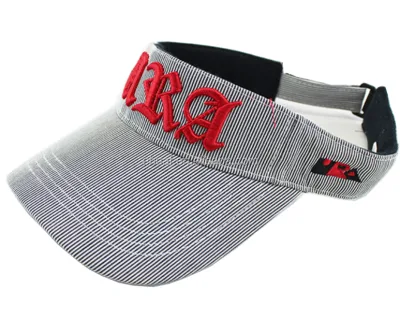
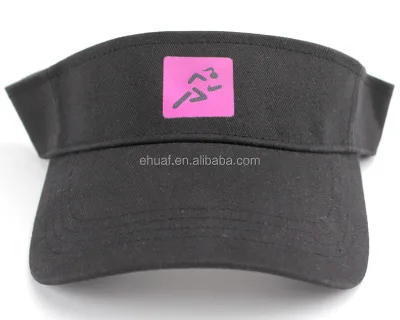
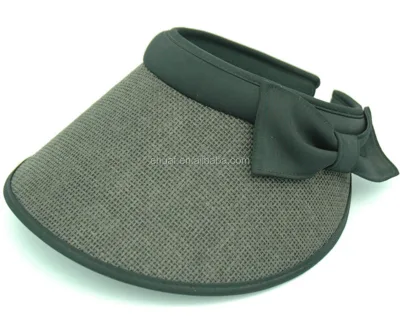
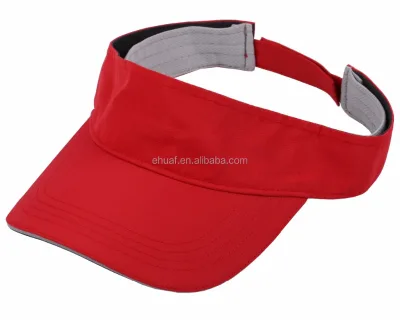
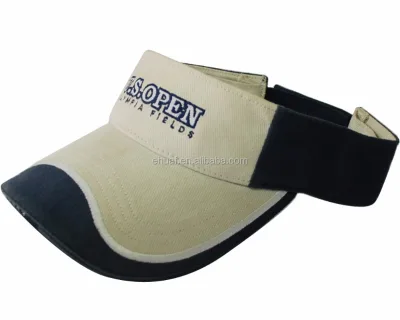
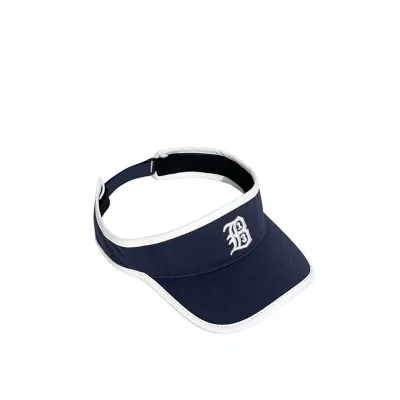


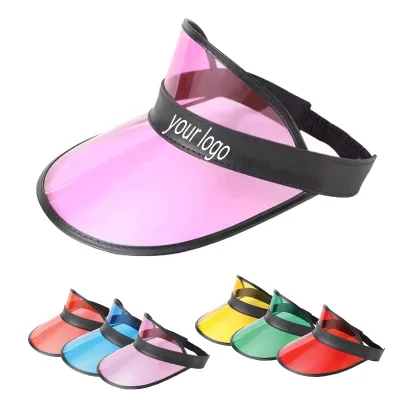
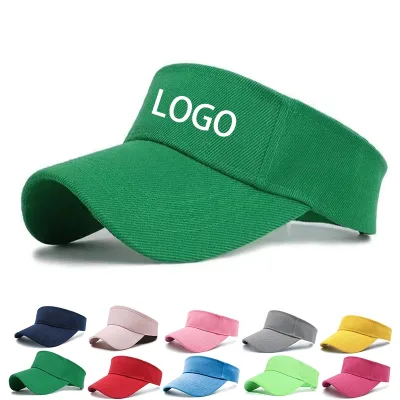
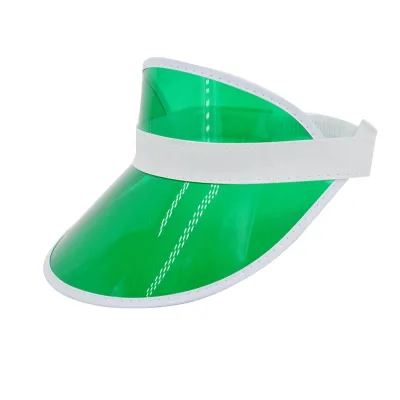
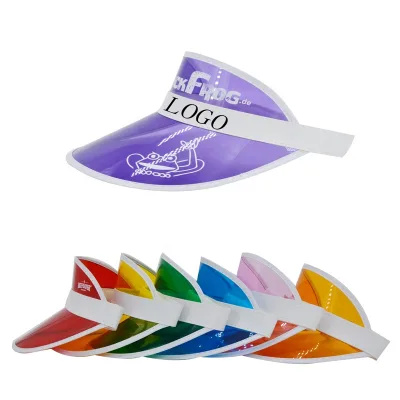
Promotional Purple Visor Plastic Sun Visor Hats Uv Protection Beach Golf Visor
$0.497 - $0.7036
MOQ: 120 pieces
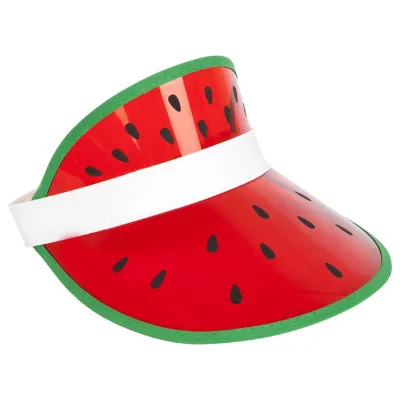
2026new products Plastic Sun Hat Watermelon Retro Sun Visor With Elastic Band
$0.8084 - $2.8458
MOQ: 12 pieces

Custom Colorful Jacquard Sun UV Protection Hat Cotton Canvas Adjustable Sun Visor
$1.90 - $4.90
MOQ: 100 Pieces

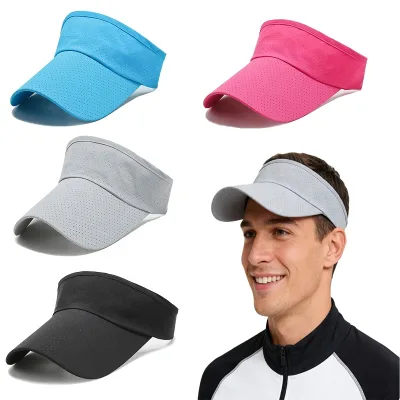
Premium Fashion Cotton Foam Black Visor Unisex Breathable UV Protection Hat
$1.90 - $4.90
MOQ: 100 Pieces
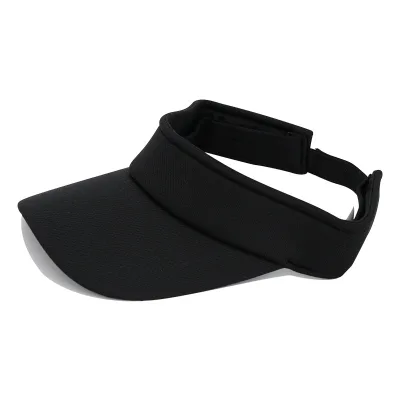


Summer Adjustable Colorful PVC Sun Visor Cap UV Protection Sun Visor Hats
$0.57 - $1.40
MOQ: 100 Pieces


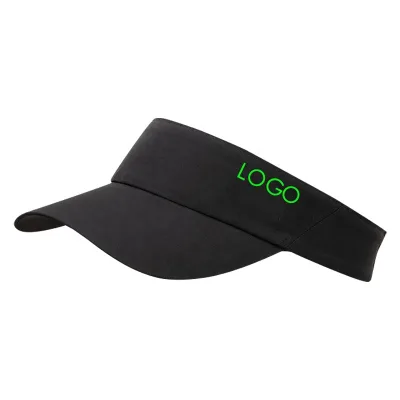
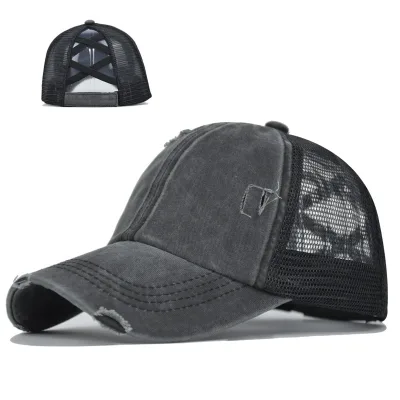


Comprehensive Sourcing Guide
Adjustable Cotton Sun Visor Sourcing Guide
Sourcing adjustable cotton sun visors requires a clear understanding of material properties and customization capabilities. The available market data indicates that 100% cotton is a primary material option, offering breathability and comfort suitable for adult wearers. Buyers must distinguish between cotton constructions and alternative materials like acrylic or polyester, which may be offered by different suppliers for specific performance needs. The observed listings show a variety of model numbers, such as Vis024 and Vis031, suggesting that manufacturers produce distinct designs rather than a single universal product. This diversity allows buyers to select visors that align with specific brand identities or functional requirements.
Customization is a critical factor in this category, with many suppliers offering OEM and ODM services. The presence of embroidered and printed logo options indicates that branding can be integrated through various techniques, including heat-transfer printing and 3D embroidery. Buyers should verify the specific decoration methods available, as some products feature unique elements like cloth butterflies or plain dyed finishes. Understanding these customization limits early in the sourcing process helps in defining the product specification sheet accurately. It also ensures that the final product meets the desired aesthetic and quality standards before committing to large production runs.
Product Scope and Observed Listing Signals
The current market landscape for adjustable cotton sun visors reveals a wide range of styles and target demographics. Listings indicate that these products are generally designed for adults and are often marketed as unisex items, though some specific models are targeted exclusively at female consumers. The style variations include striped patterns, character designs, and plain dyed finishes, providing flexibility for different fashion trends. The color options are extensive, ranging from standard black and brown to customized shades like red, beige, and navy. This variety allows buyers to curate collections that appeal to diverse customer bases without being limited to a narrow palette.
Packaging and logistics details observed in the listings provide insight into the operational scale of suppliers. Standard packaging often involves placing 25 pieces in a polybag, 50 in an inner box, and 200 in a master carton. The carton dimensions and gross weights, such as 564238cm with a 16kg weight, are consistent across several models, suggesting standardized logistics practices. The supply ability is noted as 10,000 dozens per month for some suppliers, indicating a capacity for medium to large volume orders. Buyers should use these metrics to estimate shipping costs and storage requirements, ensuring that their supply chain can accommodate the physical dimensions of the products.
Technical Specifications to Verify
Verifying technical specifications is essential to ensure the visor meets functional requirements. The size specifications vary, with some models listed at 57cm or 58cm, while others are simply marked as "Adult." Buyers must confirm the exact head circumference and adjustability features, as some products explicitly state an adjustable head circumference while others do not. The material composition is a key differentiator, with options including 100% cotton, 100% acrylic, and 100% polyester. Each material offers different durability, moisture-wicking, and comfort characteristics, so buyers should select based on the intended use case, whether it be casual wear, sports, or outdoor activities.
The construction details and decorative elements also require careful verification. Some visors feature embroidered logos, while others use printed logos or heat-transfer printing techniques. The presence of additional decorations, such as cloth butterflies, adds a unique selling point but may affect production complexity. Buyers should request samples to assess the quality of the stitching, the durability of the print, and the comfort of the adjustable strap. Additionally, the single package dimensions, such as 30X22X10 cm, should be checked to ensure they fit within the buyer’s retail packaging or shipping constraints. These details directly impact the final product quality and customer satisfaction.
Compliance and Safety Documentation
Compliance and safety documentation are critical for importing textile products into various markets. Buyers must ensure that the cotton and other materials used in the visors meet local regulatory standards for textile safety. This includes verifying that the dyes and finishes used in the printing and embroidery processes are free from harmful substances. Although specific certification names are not provided in the observed data, buyers should request test reports from accredited laboratories to confirm compliance with standards such as OEKO-TEX or local equivalents. These documents provide assurance that the products are safe for consumer use and reduce the risk of customs delays or product recalls.
In addition to material safety, buyers should verify the labeling and packaging compliance requirements of their target markets. The packaging details observed, such as the polybag and carton specifications, must include necessary information like country of origin, material composition, and care instructions. The place of origin, whether it is Shandong, Guangdong, or other regions in China, must be accurately declared on all shipping documents. Buyers should also check for any specific labeling laws regarding fiber content and manufacturer identification. Ensuring that all documentation is complete and accurate before shipment helps streamline the customs clearance process and maintains brand integrity.
Cost Drivers and Commercial Terms
Cost drivers for adjustable cotton sun visors include material selection, customization complexity, and order volume. The use of 100% cotton typically commands a higher price than synthetic alternatives like polyester or acrylic due to material costs and processing requirements. Customization features, such as 3D embroidery or heat-transfer printing, add to the production cost compared to plain dyed or simple printed designs. The observed price range of 0.4 to 6.28 USD reflects these variations, with higher prices likely associated with more intricate designs or premium materials. Buyers should analyze the cost breakdown to understand where value is added and where cost-saving opportunities exist.
Commercial terms such as MOQ and lead times are significant factors in procurement planning. The observed MOQ range of 1 to 1000 pieces offers flexibility for both small trial orders and larger bulk purchases. Buyers should negotiate terms that align with their inventory management strategy, considering the supply ability of 10,000 dozens per month for some suppliers. The port of dispatch, typically Qingdao, China, influences shipping costs and transit times. Buyers should factor in these logistics costs when calculating the total landed cost. Clear communication regarding payment terms and delivery schedules is essential to avoid disruptions in the supply chain.
Supplier Qualification and Quality Control
Supplier qualification is a vital step in ensuring a reliable sourcing partnership. Buyers should assess the supplier’s production capacity, quality control processes, and past performance. The observed supply ability of 10,000 dozens per month suggests that some suppliers have robust manufacturing capabilities. Buyers should request information about the supplier’s quality control measures, including in-process inspections and final random inspections. Verifying the supplier’s experience with OEM and ODM projects can also provide insight into their flexibility and responsiveness to custom requests. A qualified supplier should be able to provide references or case studies demonstrating their ability to deliver high-quality products on time.
Quality control checks should focus on key aspects such as material consistency, stitching quality, and print durability. Buyers should establish clear acceptance criteria for defects, such as loose threads, misaligned prints, or uneven dyeing. Requesting pre-shipment samples is a best practice to verify that the production matches the approved prototype. Additionally, buyers should consider hiring third-party inspection services to conduct audits during production and before shipment. These inspections help identify and rectify issues early, reducing the risk of receiving substandard products. A rigorous quality control process protects the buyer’s brand reputation and ensures customer satisfaction.
Long-Term Procurement Checks
Long-term procurement checks involve continuous monitoring of supplier performance and market trends. Buyers should regularly review supplier metrics such as on-time delivery rates, defect rates, and responsiveness to issues. Establishing a scorecard system can help track these metrics over time and identify areas for improvement. Regular communication with suppliers is essential to maintain a strong partnership and address any emerging challenges. Buyers should also stay informed about changes in material costs, labor regulations, and shipping rates that may impact pricing and availability. Proactive management of these factors helps mitigate risks and ensures a stable supply chain.
Sustainability and ethical sourcing are increasingly important considerations for long-term procurement. Buyers should inquire about the supplier’s practices regarding environmental impact and labor conditions. Verifying that the cotton used is sourced responsibly and that the manufacturing process adheres to ethical standards can enhance brand value. Buyers should also consider the end-of-life impact of the products, exploring options for recyclable packaging or sustainable materials. By integrating these considerations into their procurement strategy, buyers can build a resilient and responsible supply chain that aligns with evolving consumer expectations and regulatory requirements.
FAQs
What is the minimum order quantity for adjustable cotton sun visors?
The listed minimum order quantities range from 1 piece to 1000 pieces depending on the model and customization level. Simple stock designs usually sit at the lower end of that range, while fully customized embroidery or printing runs require larger commitments. Confirm the exact MOQ with the supplier for your chosen model before ordering.
How much does an Adjustable Cotton Sun Visor cost?
Listed prices range from 0.40 USD to 6.28 USD per unit. The final price depends on the material, decoration method such as embroidery or heat-transfer printing, order quantity, and customization requirements. Larger wholesale quantities typically qualify for lower per-unit pricing, so request a quotation based on your specific volume and design.
What sizes and head circumference options are available for these sun visors?
Listed sizes include 57cm and 58cm head sizes, an adult size option, and adjustable head circumference on certain models. Adult unisex sizing fits most wearers, and the adjustable closure makes one size suitable for a wider range of customers. Check the specific model number, such as Vis024, Vis031, or Vis041, for exact sizing details.
Can I customize the logo and color on adjustable cotton sun visors?
Yes, customization is supported. Decoration options include machine embroidery, 3D embroidery, and heat-transfer printing, with embroidered or printed logos on the sun visor. Colors can be customized, and listed examples include black, brown, red, and beige or navy. Brand name options include OEM and ODM arrangements. Discuss artwork files and decoration methods with the supplier.
How are the sun visors packed for shipping?
Standard packaging is 25 pieces in a polybag, 50 pieces in an inner box, and 200 pieces in one carton. Carton dimensions are approximately 56 by 42 by 38 centimeters or 60 by 42 by 40 centimeters, with a gross weight of about 16 kilograms per carton. Individual items may ship in single-item packaging with sizes around 30 by 22 by 10 to 12 centimeters.
What materials are used for these adjustable sun visors?
Materials vary by model and include 100% cotton, 100% acrylic, and 100% polyester. Cotton is a common choice for comfort and breathability in summer use, while acrylic and polyester offer durability and shape retention. Some models feature striped, printed, embroidered, or plain dyed patterns. Verify the material specification for the exact model you intend to order.
What is the production capacity and where do these visors ship from?
Supply ability is listed at 10000 dozens per month, which supports both small trial orders and larger recurring wholesale programs. Ports of dispatch include Qingdao in China, with some models originating from Shandong or Guangdong province. Confirm the dispatch port and origin for your chosen model, since locations differ across the listed products.
Which decoration methods work best for custom visor logos?
The available technics are heat-transfer printing, machine embroidery, and 3D embroidery. Embroidery suits simple logos on cotton and acrylic fabrics and gives a durable raised finish, while 3D embroidery adds texture for bold designs. Heat-transfer printing handles multicolor or detailed artwork well on polyester. Choose based on your logo complexity and the selected base material.