Source Adjustable Geometric Beaded Bracelet for Gifts, Decor, and Fashion
Compare 30 Adjustable Geometric Beaded Bracelet options from verified suppliers. Buyers can evaluate materials like stainless steel and beads, customization levels, and pricing for informal occasions and health decoration purposes.
Key considerations
Products List


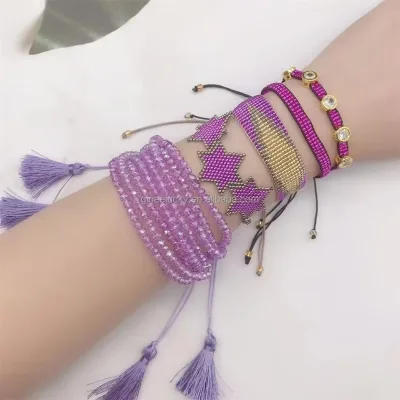


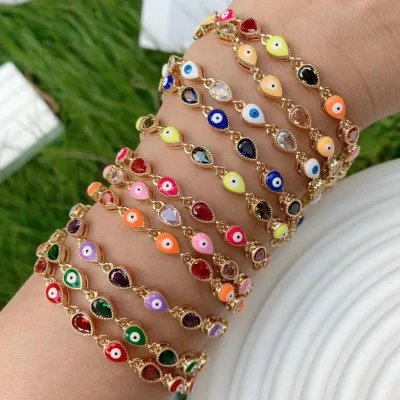
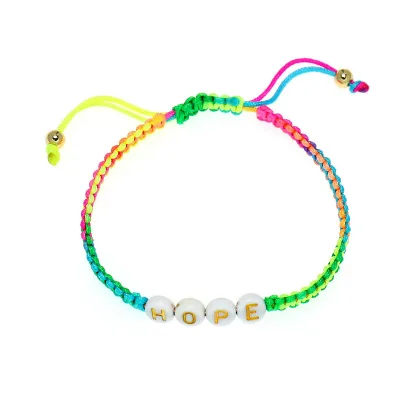

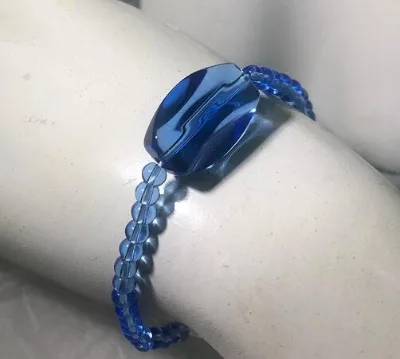
Style Simple Beaded Bracelet Elastic Stacked Bracelet Adjustable Bracelets
$1.25 - $2.15
MOQ: 60 Pieces


Comprehensive Sourcing Guide
Adjustable Geometric Beaded Bracelet Sourcing Guide
Sourcing adjustable geometric beaded bracelets requires a nuanced understanding of both aesthetic versatility and functional durability. These accessories are primarily designed for informal occasions, serving as decorative items that can also function as thoughtful gifts. The market offers a wide variety of styles, ranging from star fashion trends to natural, multicolored designs, allowing buyers to target diverse consumer segments. Because the product category is highly customizable, procurement teams must balance creative flexibility with supply chain consistency to ensure that the final product meets brand expectations.
The core appeal of this product line lies in its adaptability. Buyers can choose from materials such as stainless steel or various bead types, each offering distinct visual and tactile properties. The adjustable nature of the bracelet, often achieved through C-shape mechanisms or twist designs, ensures a universal fit for female consumers. This feature reduces the need for complex sizing inventories, simplifying logistics and reducing the risk of returns due to fit issues. Understanding these fundamental attributes is the first step in building a successful sourcing strategy.
Product Scope and Observed Listing Signals
The current market landscape for adjustable geometric beaded bracelets shows a broad price range, typically observed between $0.19 and $20.95 USD. This variance reflects differences in material quality, design complexity, and customization levels. For instance, simple beaded designs may sit at the lower end of the spectrum, while intricate stainless steel pieces with custom logos command higher prices. Buyers should analyze this range to determine their target margin and quality tier, recognizing that the lowest price points may correlate with basic packaging or standard materials.
Minimum Order Quantities (MOQs) also vary significantly, ranging from as low as 6 units to as high as 4,700 units. This flexibility allows businesses of all sizes to enter the market, from small boutiques testing new trends to large retailers placing bulk orders. Common MOQs observed in the sector include 100 pieces for customizable items and 500 pieces for more complex designs like beaded bracelets. Procurement teams should align their order volumes with their sales forecasts, leveraging the lower MOQs for initial market testing and scaling up as demand stabilizes.
Technical Specifications to Verify
Material selection is a critical technical decision that impacts both the aesthetic and longevity of the bracelet. Stainless steel is a popular choice for its durability and modern look, often used in C-shape or twist adjustable designs. Alternatively, bead-based materials offer a natural, multicolored appearance that appeals to consumers seeking organic styles. Buyers must verify the specific material composition to ensure it aligns with their brand’s quality standards and target audience preferences, as mixing materials can affect the overall weight and feel of the product.
Design specifications, including size and packaging, require precise definition to avoid production errors. Models such as the HDX21090606 or Beaded Bracelet-093J indicate that manufacturers offer distinct product lines with unique identifiers. Sizes can be customized, with some specifications noting dimensions like 6cm width, while others offer fully tailored sizing. Packaging options range from simple OPP bags to independent logistics packaging, which is crucial for protecting the product during transit. Clear communication of these technical details in the purchase order is essential to ensure the delivered goods match the approved samples.
Compliance and Safety Documentation
Regulatory compliance is non-negotiable for importing jewelry and accessories into many international markets. Products in this category are often required to meet specific safety standards, such as CE and SGS certifications, which verify that the materials are free from harmful substances like lead or nickel. Buyers must request valid certification documents from suppliers to ensure that the bracelets comply with the regulations of their destination country. Failure to verify these standards can result in customs delays, product seizures, or legal liabilities.
In addition to material safety, documentation should cover the manufacturing origin and quality control processes. Many suppliers are based in regions like Shenzhen or Fujian in China, which are known for their jewelry manufacturing capabilities. Buyers should confirm that the supplier’s production facilities adhere to international quality management practices. Requesting test reports for specific models, such as the Eye Shape Beaded Bracelet-000V, can provide additional assurance that the product meets safety and durability expectations before committing to large-scale orders.
Cost Drivers and Commercial Terms
Several factors influence the final cost of adjustable geometric beaded bracelets, with customization being a primary driver. Options such as custom logos, OEM/ODM services, and unique packaging solutions add value but also increase production costs. Buyers should evaluate whether these customizations are necessary for their brand strategy or if standard options can reduce expenses. Additionally, the complexity of the design, such as three-dimensional hollow letters or multicolor bead arrangements, can impact manufacturing time and cost, so detailed design specifications are crucial for accurate quoting.
Commercial terms, including delivery time and shipping methods, also play a significant role in total procurement costs. Standard delivery times are often around 15 days, but this can vary based on order volume and customization requirements. Shipping options like DHL, UPS, FedEx, or EMS offer different speed and cost profiles, allowing buyers to balance urgency with budget. Understanding these terms helps in planning inventory replenishment and managing cash flow, ensuring that the total landed cost remains competitive in the final retail market.
Supplier Qualification and Quality Control
Evaluating supplier capability is essential to ensure consistent product quality and reliable service. Buyers should verify the supplier’s ability to handle OEM and ODM orders, as this indicates their flexibility and technical expertise. A qualified supplier should have a robust quality control process that includes pre-production sample approvals and in-line inspections. Requesting references or case studies from previous clients can provide insights into the supplier’s reliability and their ability to meet deadlines and quality standards.
Quality control should extend to the packaging and logistics phase, as improper handling can damage delicate beaded or metal components. Suppliers offering independent packaging or export carton solutions demonstrate a commitment to product protection. Buyers should establish clear quality acceptance criteria, including checks for color consistency, structural integrity of the adjustable mechanism, and finish quality. Implementing a random sampling inspection plan before shipment can help identify and rectify defects early, reducing the risk of receiving substandard inventory.
Long-Term Procurement Checks
Building a sustainable supply chain requires ongoing monitoring and relationship management. Buyers should regularly review supplier performance metrics, such as on-time delivery rates, defect rates, and responsiveness to issues. Establishing a long-term partnership with a reliable supplier can lead to better pricing, priority production slots, and improved collaboration on new designs. Regular communication and feedback loops help align supplier capabilities with evolving market trends and consumer preferences.
Continuous improvement in product offerings is also vital for maintaining competitiveness. Buyers should encourage suppliers to innovate within the Adjustable Geometric Beaded Bracelet category, exploring new materials, colors, or design elements. Staying informed about industry standards and regulatory changes ensures that the product line remains compliant and relevant. By focusing on long-term strategic goals rather than just short-term cost savings, buyers can build a resilient and profitable sourcing operation for this dynamic product category.
FAQs
What materials are used for adjustable geometric beaded bracelets?
These bracelets are commonly made from stainless steel or beads. Some models feature multicolor designs while others use gold tones. The material choice depends on the specific style and customization requirements selected by the buyer.
Can I customize the logo on these bracelets?
Yes, logo customization is available for these products. Buyers can request specific branding on the jewelry items. This service supports OEM and ODM orders to meet unique business needs.
What is the minimum order quantity for these bracelets?
The minimum order quantity varies by product model, ranging from 100 to 500 pieces. Some listings indicate an MOQ of 100 pieces while others require 500 pieces. Buyers should check specific model requirements before ordering.
How long does delivery take for these bracelets?
The standard delivery time is approximately 15 days. This timeline applies to the production and preparation of the order. Shipping methods like DHL or FedEx are used for final transport.
Which certifications do these bracelets meet?
These products meet CE and SGS standards. Some listings also reference specific product standards like H 6cm Width. Buyers can verify compliance through the provided certification documents for each item.
Where are these bracelets manufactured?
These bracelets are made in China, specifically in Shenzhen or Fujian. The origin location is clearly stated for each product model. Buyers can expect manufacturing from these established industrial regions.
What packaging options are available for these bracelets?
Packaging options include OPP bags, PP bags, or independent logistics packaging. Export cartons are also used for bulk shipments. Custom packaging requirements can be accepted based on buyer specifications.