Source Adjustable Grip Motion Sports Accessory for Training, Rehabilitation, and Fitness
Explore 30 verified listings for the Adjustable Grip Motion Sports Accessory designed for strength training, physical therapy, and general fitness routines. Buyers can compare specifications, materials, and customization options to find the ideal solution for their needs.
Key considerations
Products List


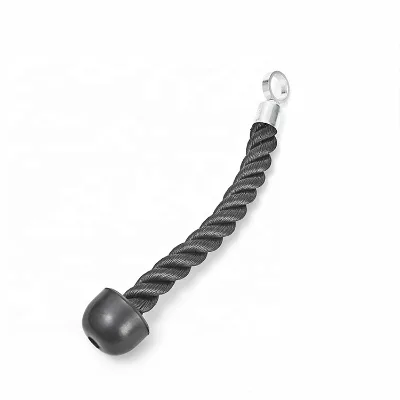


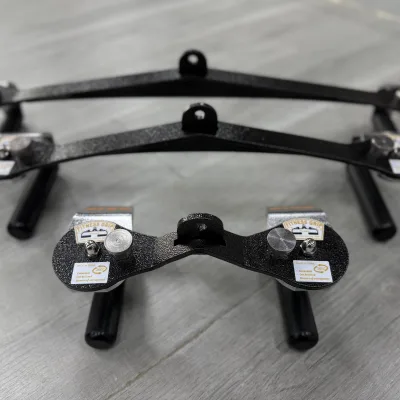
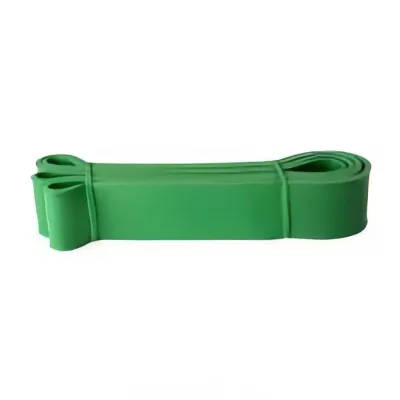
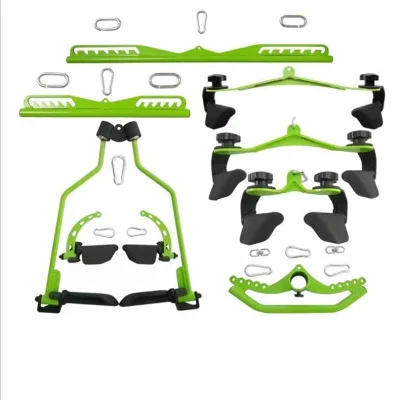

Power Wrists Fitness Accessory Cheap Carry-Home Hand Grip with Non-Slip Handles
$0.70 - $1.00
MOQ: 100 Pieces


Comprehensive Sourcing Guide
Strategic Sourcing Guide for Adjustable Grip Motion Sports Accessories
The global market for adjustable grip motion sports accessories has expanded significantly as fitness enthusiasts and professional athletes seek equipment that offers versatility, durability, and precise resistance control. For B2B procurement professionals, navigating this sector requires a disciplined approach to verifying technical specifications, understanding compliance landscapes, and evaluating supplier capabilities without relying on unverified marketing claims. This guide synthesizes available product data and industry standards to provide a framework for sourcing high-quality grip motion accessories, ensuring that procurement decisions are grounded in observable facts and rigorous due diligence.
Technical Specifications and Material Composition
When evaluating adjustable grip motion sports accessories, the primary focus must be on the material composition and dimensional specifications that dictate performance and longevity. The supplied product data indicates a diverse range of materials, with steel and nylon rope combined with metal heads being prominent options. Steel components are frequently cited for their structural integrity, suggesting suitability for high-load applications where durability is paramount. Conversely, accessories utilizing nylon rope and metal heads may offer a different balance of flexibility and strength, often preferred for dynamic motion exercises.
Dimensional consistency is another critical technical factor. Product listings reveal specific standard dimensions, such as 1510.52.5 cm for certain models and 1279325 mm for others. These variations highlight the necessity for buyers to match product dimensions to specific use cases. For instance, a diameter of 30mm and a length of 400mm are observed specifications that likely correspond to specific handle or bar configurations. Buyers must verify that the single package size, noted as 20X12X8 cm in some instances, aligns with their logistical requirements for storage and shipping. Furthermore, the weight of individual units, such as the 350g observation, is a vital metric for calculating shipping costs and assessing the physical burden on the end-user.
| Product Attribute | Observed Specification | Relevance to Procurement |
|---|---|---|
| Material | Steel, Nylon Rope + Metal Head | Determines load capacity and wear resistance. |
| Dimensions | 1510.52.5 cm, 1279325 mm | Ensures fit for intended exercise equipment or storage. |
| Diameter | 30mm | Critical for grip ergonomics and user comfort. |
| Weight | 350g | Influences shipping logistics and user fatigue. |
| Packing | Box, OPP Bag, Standard Carton | Affects protection during transit and retail presentation. |
Compliance, Certification, and Safety Standards
In the sports and fitness sector, regulatory compliance is not merely a formality but a prerequisite for market access and consumer trust. The available data points to several key certifications, including CE, RoHS, and ISO. The presence of CE marking indicates conformity with health, safety, and environmental protection standards for products sold within the European Economic Area. RoHS compliance ensures that the product is free from specific hazardous substances, which is increasingly important for electronic or composite components. ISO certification, while generic without a specific number, implies adherence to international management system standards, often related to quality assurance or environmental management.
Buyers must treat these certifications as observations that require validation rather than guaranteed attributes for every unit. It is essential to request current, valid certification documents directly from the supplier to confirm that the specific batch being procured meets these standards. The data also notes a "NO" standard in one instance, which serves as a reminder that not all products in this category may carry universal standardization. Therefore, procurement teams should establish a verification protocol where suppliers must provide third-party test reports or certificates of origin that explicitly link the certification to the specific model numbers, such as CTBT010, SRX-47, or NT023S.
Cost Drivers and Pricing Dynamics
The pricing structure for adjustable grip motion sports accessories is influenced by a complex interplay of material costs, customization levels, and order volumes. The observed price range spans from 0.29 to 115 USD, a significant variance that reflects differences in product complexity, material quality, and branding. Lower-priced items likely correspond to basic configurations with minimal customization, while higher-priced units may include advanced features, premium materials like specialized steel alloys, or extensive branding services.
Minimum Order Quantity (MOQ) is another pivotal cost driver. The data indicates an MOQ range from 1 to 500 units, with specific observations of 2 sets for certain models. Suppliers offering lower MOQs may charge a premium per unit to cover setup costs, whereas larger orders typically benefit from economies of scale. Buyers should analyze the total landed cost, which includes the unit price, shipping, and any tariffs, rather than focusing solely on the ex-works price. Additionally, the availability of customization, including logo printing and color selection, often incurs additional fees. The "Customer" color option suggests that bespoke color schemes are possible, which can impact the final cost structure depending on the complexity of the dyeing or painting process required.
Typical Applications and Usage Scenarios
Understanding the intended application of the product is crucial for selecting the right accessory. The supplied facts identify "Indoor" as a primary application setting, suggesting that many of these accessories are designed for gym environments, home fitness setups, or rehabilitation centers. Specific mentions of "Arm" as the exercise part indicate that these grips are often used for upper body strengthening, targeting biceps, triceps, and forearm muscles. The feature "Durable" and "Robustness" described as "Rugged, Strong and Stable" further supports their use in high-intensity training environments where equipment undergoes frequent stress.
The attribute "Fixing and Adjustment The Weight" implies a functional role in modifying resistance levels, which is essential for progressive overload training. This makes the accessories suitable for a wide range of users, from beginners adjusting to lighter loads to advanced athletes increasing resistance. The "Folded" status of "Unfolded" suggests that some models may be collapsible or adjustable in size, enhancing their utility for portable fitness solutions. Buyers should align their procurement strategy with these application scenarios, ensuring that the selected models possess the necessary robustness and adjustability for their target market's specific fitness needs.
Supplier Evaluation and Customization Capabilities
Selecting a reliable supplier involves assessing their capacity for customization and their operational transparency. The data confirms that "Customized" options are available, with "OEM" (Original Equipment Manufacturer) services explicitly marked as "Yes" and "Acceptable." This indicates that suppliers are willing to produce goods under the buyer's brand name, a critical capability for retailers and private labelers. The allowance for customized logos further enhances this capability, allowing brands to differentiate their products in a crowded market.
Geographic origin is another factor in supplier evaluation. The data lists origins in Hangzhou City, China, and Jiangsu, China, both of which are established manufacturing hubs known for their industrial capacity. While these locations suggest a mature supply chain, buyers must verify the specific factory capabilities rather than relying solely on regional generalizations. The lead time of "About 10-15 Days" provides a baseline for production scheduling, but this should be confirmed for each specific order. Additionally, the availability of samples within 7 days allows buyers to physically inspect product quality before committing to large-scale production. A robust supplier evaluation process should include a review of their sample quality, response time, and ability to meet specific technical requirements.
Quality Control and Long-Term Procurement Considerations
Ensuring consistent quality requires a proactive approach to quality control (QC) and long-term relationship management. The observation of "New" condition and specific packing methods, such as "Standard Carton Box and Pallet" or "Box or OPP Bag," highlights the importance of protective packaging to prevent damage during transit. However, buyers must go beyond observing these attributes and implement their own QC protocols. This includes verifying the "Single gross weight" of 0.550 kg to ensure consistency in packaging and checking the structural integrity of the steel or metal components.
For long-term procurement, establishing clear communication channels regarding lead times and production schedules is vital. The "Sample Time" of within 7 days is a positive indicator of supplier responsiveness, but buyers should also discuss potential delays due to raw material shortages or logistical disruptions. The "Condition: New" attribute implies that products should be free from defects, but a rigorous inspection plan is necessary to catch any manufacturing variances. Furthermore, buyers should consider the scalability of the supplier. With an MOQ range up to 500, the supplier must demonstrate the capacity to ramp up production if demand increases. Long-term success in this sector depends on a partnership where quality, delivery reliability, and customization capabilities are continuously monitored and improved.
Conclusion
Sourcing adjustable grip motion sports accessories requires a meticulous balance of technical verification, compliance checks, and strategic supplier selection. By focusing on the observed specifications such as material composition, dimensional standards, and certification availability, buyers can make informed decisions that mitigate risk and ensure product quality. The diversity in pricing and MOQs necessitates a tailored approach to procurement, where the specific needs of the target market dictate the selection criteria. Ultimately, a successful sourcing strategy relies on continuous evaluation of supplier capabilities, rigorous quality control measures, and a clear understanding of the product's intended applications. This disciplined approach ensures that the final products meet the high standards expected by fitness professionals and consumers alike.
FAQs
What certifications do adjustable grip motion sports accessories have?
Many units carry CE, RoHS, and ISO certifications to ensure safety and compliance. Buyers must request valid documents for specific batches as not all products universally share these marks.
Can I customize the logo and color of these accessories?
Yes, customized logos and customer-selected colors are available for most models. This service supports OEM requirements but may involve additional fees depending on the complexity of the design.
What is the typical lead time for production orders?
Production usually takes about 10 to 15 days after order confirmation. This timeline applies to standard orders, though sample requests can often be completed within 7 days.
Which materials are commonly used for these sports accessories?
Common materials include steel for durability and nylon rope combined with metal heads. The choice depends on the specific model and intended application for indoor or high-load exercises.
What is the minimum order quantity for these products?
Minimum order quantities range from 1 to 500 units depending on the supplier and model. Some specific items require a minimum of 2 sets, while others allow single unit purchases.
How are these accessories packaged for shipping?
Packaging varies by model and includes boxes, OPP bags, or standard carton boxes with pallets. The single package size is often around 20 by 12 by 8 cm for individual units.