Source Adjustable Heart Stainless Steel Bracelet for gifts, fashion, and events
Compare 30 Adjustable Heart Stainless Steel Bracelet options from verified Chinese suppliers. Buyers can evaluate materials like stainless steel, plating types such as PVD, and customization support for formal occasions or daily decoration.
Key considerations
Products List


Style Simple Beaded Bracelet Elastic Stacked Bracelet Adjustable Bracelets
$1.25 - $2.15
MOQ: 60 Pieces

Wholesale Stainless Steel Jewelry Fashion Bracelet & Bangle Black Magnetic Bracelet
$8.63 - $12.56
MOQ: 100 Pieces

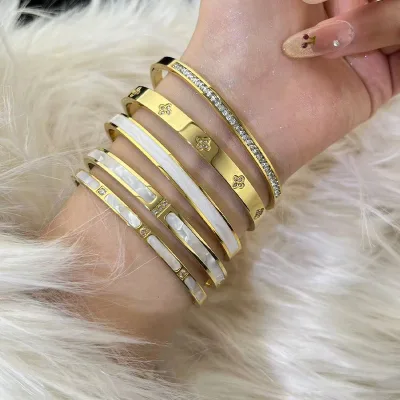


Stainless Steel Adjustable Blank Bar Bracelet Hand Jewelry Birthday Custom
$0.30 - $4.00
MOQ: 100 Pieces

Factory Price Hollow Titanium Steel Heart Personality Style Stainless Steel Love Bracelet
$1.14 - $1.28
MOQ: 800 Pieces


Comprehensive Sourcing Guide
Strategic Sourcing Guide for Adjustable Heart Stainless Steel Bracelets
The global market for fashion jewelry continues to evolve, with stainless steel bracelets representing a robust segment due to their durability, hypoallergenic properties, and cost-effectiveness. For procurement professionals targeting adjustable heart stainless steel bracelets, the sourcing landscape requires a disciplined approach that balances aesthetic customization with rigorous quality assurance. This guide synthesizes available product attributes, technical specifications, and compliance requirements to provide a structured framework for evaluating potential suppliers and managing the procurement lifecycle.
Technical Specifications and Material Integrity
The foundation of a successful procurement strategy lies in a precise understanding of the product's technical specifications. Stainless steel is the primary material of interest for this category, selected for its resistance to corrosion, tarnish, and skin irritation. When evaluating suppliers, buyers must verify that the stainless steel grade meets industry standards for jewelry, typically 316L or 304, though specific grades should be confirmed via supplier documentation rather than assumed.
A critical attribute for the "adjustable heart" design is the mechanism of size adaptation. The product data indicates that customization is widely available, with specific models such as TS2026042308 and B6851 demonstrating the flexibility in sizing. The standard dimensions observed in the market range significantly, with some specifications noting sizes like "17cm+5cm" or "8*10cm," while others simply state "as Pic" or "as Pic." This variance underscores the necessity for buyers to request physical samples to confirm the actual adjustability range and the fit for the target demographic, which is predominantly female but also includes male segments in certain fashion-forward lines.
The finish and plating processes are equally vital for maintaining the aesthetic appeal of the heart-shaped design. The market offers various plating options, including PVD (Physical Vapor Deposition) plating, IP (Ion Plating), and standard gold or silver plating. PVD plating is often preferred for its superior durability and color retention compared to traditional electroplating. Suppliers frequently highlight "High Mirror Polished" or "Hand Polished" finishes, which are essential for achieving the reflective quality expected in high-end fashion jewelry. Buyers should explicitly verify the thickness of the plating layer, as this directly correlates with the product's longevity and resistance to fading.
Compliance, Certification, and Regulatory Standards
Navigating the regulatory landscape is a non-negotiable aspect of sourcing jewelry for international markets. Compliance ensures that the products meet safety standards regarding heavy metals and chemical composition, particularly for items worn directly against the skin. The available data points to specific certifications such as SGS and Reach, which are critical indicators of a supplier's commitment to quality and safety.
Reach certification, in particular, is a standard requirement for selling jewelry in the European Union, ensuring that the product does not contain restricted substances like nickel, lead, or cadmium in harmful quantities. Suppliers claiming "Third Party Appraisal" status provide an additional layer of verification, suggesting that their products have been tested by independent laboratories. However, buyers must treat these claims as observations to be verified rather than absolute guarantees. It is imperative to request current, valid test reports from recognized third-party agencies that specifically cover the batch of products being ordered.
The standard dimensions and packaging details also play a role in compliance. For instance, the use of "OPP Bag + Bubble Bag + Carton" or "Individual OPP Bag, Packing Box" suggests a focus on protective packaging that prevents damage during transit, which can indirectly affect the product's integrity and safety. Buyers should ensure that packaging materials themselves comply with environmental regulations, especially if targeting markets with strict plastic usage laws.
Cost Drivers and Pricing Dynamics
Understanding the cost structure of adjustable heart stainless steel bracelets is essential for budgeting and margin analysis. The observed price range in the market spans from $0.28 to $12.56 USD, a significant variance that reflects differences in material quality, plating thickness, design complexity, and order volume. The lower end of the spectrum likely corresponds to basic stainless steel pieces with standard plating and minimal customization, while the higher end may involve intricate designs, premium PVD plating, or specialized packaging.
The Minimum Order Quantity (MOQ) is another critical cost driver. The data indicates an MOQ range of 2 to 800 units, with specific models like B6851 and B2724 listing an MOQ of 6 pieces. This flexibility allows buyers to test the market with small orders before committing to larger volumes. However, higher order volumes typically result in lower unit costs due to economies of scale in production and shipping. Buyers should negotiate based on their projected sales volume, balancing the need for inventory against the risk of overstocking.
Customization services, such as OEM/ODM support, also influence pricing. While the market warmly welcomes customization, adding specific branding, unique heart patterns, or custom packaging will inevitably increase the unit cost. Buyers must factor in the setup fees and the potential for higher MOQs associated with custom runs. Additionally, the weight of the product, observed at specific instances like 10g, can impact shipping costs, particularly for air freight.
Typical Applications and Market Segmentation
The versatility of adjustable heart stainless steel bracelets makes them suitable for a wide array of applications and market segments. The primary usage categories identified include decoration, gifts, and religious purposes. The "Formal Occasions" and "Fashion" styles suggest that these bracelets are positioned as versatile accessories that can transition from casual wear to more formal events.
The target demographic is predominantly female, as indicated by the "Suitable for: Female" attribute, though the inclusion of "Male" in some listings highlights the growing trend of unisex jewelry. The heart shape, a universal symbol of love and affection, makes these bracelets particularly popular for gifting during holidays, anniversaries, and Valentine's Day. The "Health" and "Religious" usage attributes suggest that some designs may incorporate specific symbolic meanings or therapeutic claims, which require careful marketing to avoid making unsubstantiated health claims.
Dropshipping capabilities are also a significant factor in the modern supply chain. The availability of dropshipping services allows retailers to sell these bracelets without holding inventory, reducing financial risk. This model is particularly attractive for e-commerce businesses looking to expand their product offerings quickly. However, buyers must ensure that the supplier's dropshipping process aligns with their brand's quality standards and customer service expectations.
Supplier Evaluation and Selection Criteria
Selecting the right supplier is perhaps the most critical step in the procurement process. The data reveals that suppliers are located primarily in China, with specific mentions of Guangdong as a place of origin. Guangdong is a well-known hub for jewelry manufacturing, offering a mature supply chain and a high concentration of skilled artisans. However, the presence of a location does not guarantee quality; buyers must conduct thorough due diligence.
Key evaluation criteria should include the supplier's ability to provide samples, their response time to inquiries, and their transparency regarding certifications. The "Right Grand Jewelry" brand name appears in the data, but buyers should not rely on a single brand or supplier. Instead, they should maintain a diversified supplier base to mitigate risks. When evaluating potential partners, buyers should request a comprehensive portfolio of their products, including detailed specifications for models like B2724 and B8639, to ensure they can meet specific design requirements.
The supplier's capacity for customization is another vital factor. The market's willingness to support OEM/ODM requests indicates a high level of flexibility. Buyers should assess the supplier's design team's capability to translate concepts into tangible products, ensuring that the final output matches the desired aesthetic and functional requirements.
Quality Control and Long-Term Procurement Considerations
Implementing a robust quality control (QC) protocol is essential to maintain product consistency and customer satisfaction. Given the variability in plating and polishing processes, buyers should establish clear QC checkpoints. These may include visual inspections for scratches or uneven plating, dimensional checks to ensure the adjustable mechanism functions correctly, and plating thickness tests to verify durability.
Long-term procurement considerations involve building a sustainable relationship with suppliers. This includes negotiating favorable payment terms, establishing clear communication channels, and setting expectations for lead times and production schedules. The observed lead times and production capacities should be factored into inventory planning to prevent stockouts during peak demand periods.
Furthermore, buyers should consider the environmental impact of their sourcing decisions. The use of eco-friendly packaging materials and adherence to sustainable manufacturing practices can enhance brand reputation and align with consumer values. As the market evolves, staying informed about changes in regulations and consumer preferences will be crucial for maintaining a competitive edge.
Conclusion
Sourcing adjustable heart stainless steel bracelets requires a balanced approach that integrates technical knowledge, regulatory compliance, and strategic supplier management. By focusing on material integrity, verifying certifications, understanding cost drivers, and implementing rigorous quality control measures, buyers can navigate the complexities of the jewelry market effectively. The flexibility of the product line, combined with the diverse applications and market segments, offers significant opportunities for growth. However, success depends on the buyer's ability to discern quality, negotiate favorable terms, and build resilient supply chains that can adapt to changing market dynamics. Through disciplined sourcing practices, businesses can deliver high-quality products that meet the evolving demands of consumers worldwide.
FAQs
Can I customize adjustable heart stainless steel bracelets with my brand?
Yes, customization is available and OEM/ODM services are warmly welcomed. Buyers can request specific designs, plating options like PVD, and packaging details such as OPP bags or cartons to match their brand identity.
What certifications do adjustable heart stainless steel bracelets typically have?
Products often carry SGS and Reach certifications to ensure safety and compliance. These third-party appraisals verify that materials meet international standards for heavy metals and chemical composition, which is critical for EU markets.
Which material is used for adjustable heart stainless steel bracelets?
Stainless steel is the primary material used for these bracelets due to its durability and hypoallergenic properties. The finish often includes PVD plating or IP plating in gold or silver to enhance aesthetic appeal and longevity.
How much is the minimum order quantity for adjustable heart stainless steel bracelets?
The minimum order quantity ranges from 2 to 800 units depending on the supplier and model. Specific models like B6851 and B2724 list an MOQ of 6 pieces, allowing for flexible testing of the market.
Where are adjustable heart stainless steel bracelets manufactured?
These bracelets are primarily manufactured in China, with Guangdong being a specific place of origin. This region is a known hub for jewelry manufacturing, offering a mature supply chain and skilled artisans for production.
What packaging options are available for adjustable heart stainless steel bracelets?
Packaging varies from individual OPP bags to combinations including bubble bags and cartons. Some listings specify individual OPP bags with packing boxes, ensuring protection during transit while maintaining product integrity for retail display.