Source Adjustable Multifunction Pilates Rebalancing Bed for Yoga, Exercise, Pilates Studio
Explore 30 listings of the Adjustable Multifunction Pilates Rebalancing Bed designed for yoga, exercise, and pilates studios. Buyers can compare specifications, customization options, and pricing to find the right equipment for adult and youth users.
Key considerations
Products List


Adjustable Pilates Reformer Bed with One-Year Warranty for Durability
$1539.86 - $1630.40
MOQ: 1 Pieces

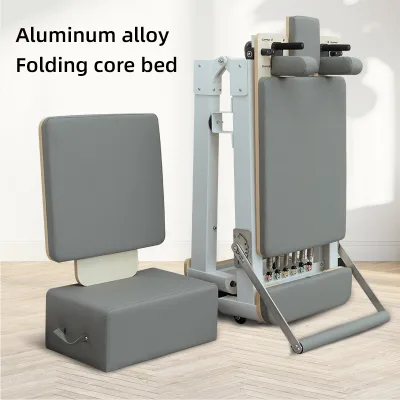
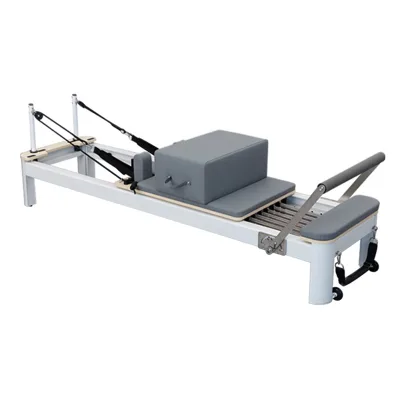


Multipurpose Core Training Bed Pilates Reformer Physical Rehabilitation
$630.00 - $655.00
MOQ: 1 Pieces

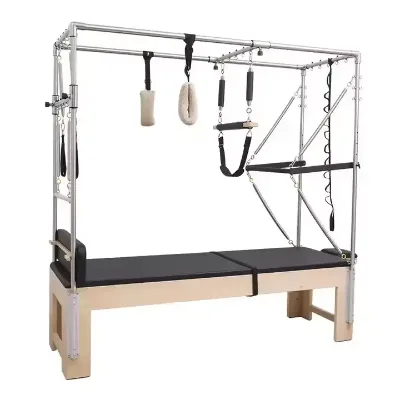


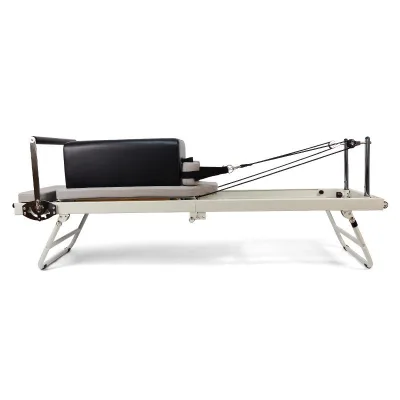


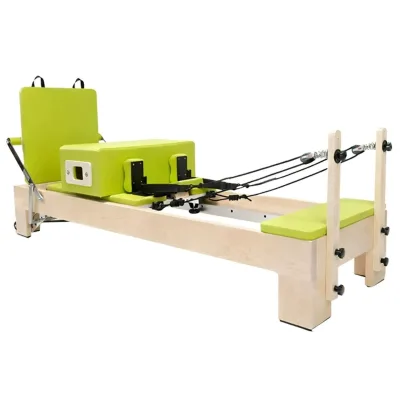
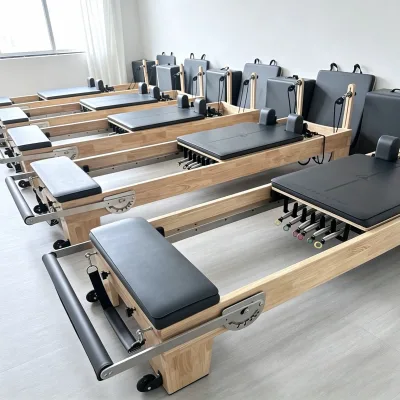
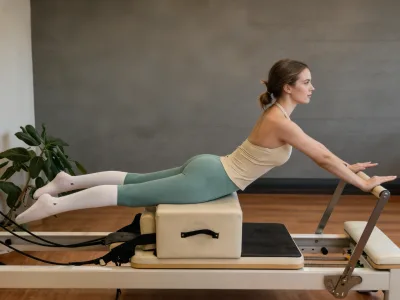

Pilates Reformer High Quality Pilates Exercise Machine Folding Pilates Bed
$279.79 - $315.97
MOQ: 2 Pieces
Comprehensive Sourcing Guide
Adjustable Multifunction Pilates Rebalancing Bed Sourcing Guide
Sourcing high-quality Pilates reformers and rebalancing beds requires a disciplined approach to verifying technical specifications, commercial terms, and supplier reliability. The market offers a diverse range of equipment, from compact home-use models to heavy-duty studio-grade machines, each with distinct dimensional and weight characteristics. Buyers must navigate a landscape where product attributes vary significantly between models, necessitating careful cross-referencing of observed listing signals against actual procurement needs. This guide provides a structured framework for evaluating these complex B2B transactions, ensuring that procurement decisions are grounded in verified data rather than marketing assumptions.
The following sections detail the critical verification steps for product scope, technical compliance, cost structures, and supplier qualification. By focusing on evidence-based procurement practices, buyers can mitigate risks associated with non-compliant equipment, unexpected shipping costs, and unreliable after-sales support. The guidance herein is designed to help procurement professionals make informed decisions when sourcing adjustable multifunction Pilates rebalancing beds, emphasizing the importance of due diligence in every stage of the sourcing lifecycle.
Product Scope and Observed Listing Signals
The observed product range for adjustable multifunction Pilates rebalancing beds spans multiple models, each tailored to specific application environments such as yoga studios, exercise centers, and personal training facilities. Listings indicate a variety of configurations, including models like LH-B015, LH-B005, LH-B007, LH-B031, PF-B016, and 1014, suggesting a broad spectrum of capabilities from portable, collapsible units to larger, stationary studio equipment. Buyers should note that while some models are explicitly described as foldable or collapsible, others are substantial pieces of furniture with fixed dimensions, requiring careful assessment of floor space and storage requirements. The target audience for these products is generally universal, catering to adults, youth, and both male and female users, which implies a need for adjustable resistance and ergonomic adaptability.
Commercial signals from the market reveal a wide price range, observed between $88 and $2,270 USD, reflecting the disparity in materials, complexity, and brand positioning. Minimum Order Quantities (MOQs) vary from 1 to 50 units, indicating that suppliers accommodate both single-unit trials and bulk commercial orders. Packaging is predominantly wooden box or wood carton, with specific dimensions provided for several models, such as 2350820370mm for the LH-B015 and 2450780490mm for another variant. These packaging details are critical for logistics planning, as they directly impact freight costs and warehouse handling requirements. Buyers must verify whether the listed dimensions refer to the product itself or the packed unit, as confusion between the two can lead to significant miscalculations in shipping volume and cost.
Technical Specifications to Verify
Technical verification begins with a rigorous examination of product dimensions and weight specifications, which are often listed inconsistently across different models. For instance, the LH-B015 model has a product size of 23007602160mm and a gross/net weight of 130kg/100kg, while the LH-B005 model measures 2400710680mm with a different weight profile. It is essential to distinguish between the product’s operational dimensions and its packaging size, as the latter is crucial for container loading calculations. Buyers should request detailed technical drawings that specify the exact footprint, height, and any extendable or retractable components, ensuring that the equipment fits the intended studio layout without obstruction.
Weight capacity and structural integrity are paramount for safety and durability, yet these figures are not always explicitly stated in general listings. Some models list a standard weight of 100kg or 162kg, which may refer to the machine’s own weight or its user capacity, creating ambiguity that must be resolved through direct supplier inquiry. Additionally, features such as adjustability, portability, and material composition should be confirmed. For example, the PF-B016 model is described as portable, durable, and adjustable, while the LH-B031 is noted as collapsible. Buyers must verify the materials used in construction, such as the type of wood, metal alloys, and upholstery fabrics, to ensure they meet the demands of high-frequency commercial use.
Compliance and Safety Documentation
Safety compliance is a non-negotiable aspect of sourcing Pilates equipment, particularly for commercial installations where user liability is a concern. Buyers must ensure that suppliers provide relevant safety certifications and test reports, although specific certification statuses are not uniformly disclosed in the provided data. It is advisable to request documentation that verifies the structural stability of the reformer under load, the safety of moving parts, and the non-toxic nature of materials used in upholstery and springs. Compliance with international safety standards, such as those for gym equipment, should be verified, and buyers should confirm that the supplier has a process for maintaining these certifications over time.
Electrical and mechanical safety features, if applicable, must also be scrutinized. While most Pilates reformers are manual, any electronic components or motorized adjustments require adherence to electrical safety standards. Buyers should inquire about the presence of safety locks, emergency stop mechanisms, and clear labeling of weight limits and usage instructions. Furthermore, the warranty terms, which are listed as ranging from one year to three years for parts, should be clearly defined in the contract. Understanding the scope of the warranty, including what constitutes normal wear and tear versus manufacturing defects, is crucial for long-term operational cost management.
Cost Drivers and Commercial Terms
The cost of Pilates rebalancing beds is influenced by several factors, including material quality, customization options, and packaging efficiency. Customization is available for many models, allowing buyers to tailor logos, colors, and potentially dimensions to their brand identity, which may incur additional costs. The observed price range of $88 to $2,270 USD suggests that basic models are significantly cheaper than those with advanced features or premium materials. Buyers should analyze the cost breakdown to understand the value proposition of each model, considering not just the unit price but also the total landed cost, which includes shipping, insurance, and customs duties.
Commercial terms such as production time and shipping time are critical for inventory planning. Some listings indicate a production time of 7 days and a shipping time of 30 days, which can impact the overall lead time for restocking. Buyers must clarify whether these timelines are estimates or guarantees, and what penalties apply for delays. Additionally, the MOQ of 1 to 50 units allows for flexibility, but bulk orders may offer better pricing. It is important to negotiate clear payment terms, such as deposits and balance payments upon shipment, to protect cash flow and ensure supplier commitment.
Supplier Qualification and Quality Control
Supplier qualification is essential to ensure that the equipment meets quality standards and that the supplier is reliable. Buyers should verify the supplier’s origin, with many products listed as originating from China, specifically Shandong province for some models. This information can help in assessing the supplier’s expertise and supply chain stability. Due diligence should include checking the supplier’s business license, export history, and customer reviews. It is also advisable to request samples or conduct factory audits to assess production capabilities and quality control processes firsthand.
Quality control measures should be established before placing large orders. This includes defining clear acceptance criteria for product dimensions, weight, and finish. Buyers should specify inspection points, such as pre-production, during production, and pre-shipment inspections. The warranty terms, ranging from one to three years, should be backed by a clear after-sales service plan, including the availability of spare parts and technical support. Establishing a strong relationship with the supplier can facilitate smoother communication and quicker resolution of any issues that arise during the product’s lifecycle.
Long-Term Procurement Checks
Long-term procurement success depends on continuous monitoring of product performance and supplier reliability. Buyers should track key performance indicators such as defect rates, warranty claims, and customer feedback to assess the quality of the equipment over time. Regular reviews of supplier performance, including adherence to delivery schedules and responsiveness to inquiries, are necessary to maintain a healthy supply chain. If issues arise, buyers should have a clear escalation path and contingency plans, such as identifying alternative suppliers, to minimize disruption.
Additionally, buyers should stay informed about industry trends and technological advancements in Pilates equipment. This includes monitoring changes in design, materials, and safety standards that may affect future procurement decisions. By maintaining a proactive approach to supplier management and product evaluation, buyers can ensure that their Pilates rebalancing beds continue to meet the needs of their customers and comply with evolving regulatory requirements. This strategic perspective helps in building a resilient and efficient procurement process that supports long-term business growth.
FAQs
Can I customize the logo on the pilates bed?
Yes, logo customization is available for this product. The listing explicitly states that the logo can be customized to meet specific branding needs for studios or manufacturers.
What is the warranty period for the equipment?
The warranty period varies by model, with options including three years for parts or one year of coverage. Buyers should verify the specific warranty terms associated with the selected model number.
How long is the production time for an order?
The production time is typically seven days for standard orders. This duration applies to the manufacturing phase before the item is prepared for shipping to the destination.
What are the dimensions of the wooden box packaging?
Packaging dimensions vary by model, with examples including 2350 by 820 by 370 millimeters or 2450 by 780 by 490 millimeters. Specific sizes depend on the product model selected.
Is the pilates bed foldable for storage?
Yes, certain models are designed to be collapsible or foldable. This feature allows for easier storage and transport, making the equipment suitable for various studio environments.
What is the minimum order quantity for this product?
The minimum order quantity ranges from one to fifty units depending on the specific supplier and model. Buyers should check the listing for the exact MOQ applicable to their order.
Where is the product origin located?
The product originates from China, with specific manufacturing locations noted in Shandong. This origin information is consistent across the available product listings for this category.