Source Adjustable Multifunctional Wall-Mounted Storage Rack for Restaurants, Hotels, and Bakeries
Find 30 options for the Adjustable Multifunctional Wall-Mounted Storage Rack designed for restaurants, hotels, and bakeries. Compare stainless steel and steel models with wall-mounted or freestanding structures to find the right fit for your space.
Key considerations
Products List


Durable Stainless Steel Wall Mounted Storage Rack with Customizable Options
$98.00 - $118.00
MOQ: 3 Pieces


High Quality Multifunction Storage Rack Hat Storage Rack Home Wall Storage Rack
$0.80 - $1.35
MOQ: 200 pieces


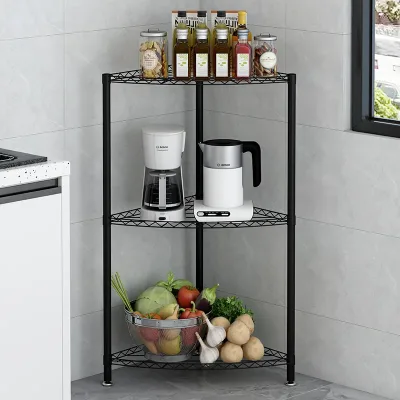


Comprehensive Sourcing Guide
Adjustable Multifunctional Wall-Mounted Storage Rack Sourcing Guide
The Adjustable Multifunctional Wall-Mounted Storage Rack represents a versatile solution for optimizing vertical space in diverse commercial and industrial environments. Based on observed market data, these units are frequently engineered with a beam-type composite structure and are available in configurations that support both wall-mounted and freestanding installations. Buyers should recognize that while some listings highlight specific dimensions like 321565cm, the broader category includes highly customizable options where tier configuration, size, and thickness can be tailored to specific spatial constraints. This flexibility allows the product to serve as a primary storage solution in settings ranging from restaurant kitchens to industrial warehouses.
Procurement decisions for this category must account for the wide variance in material composition and load-bearing capabilities observed across listings. While some units are constructed from stainless steel or standard steel with electrostatic spraying for durability, others are designed for lighter duties in retail or drug stores. The distinction between a heavy-duty pallet racking system with a height adjustment of 75mm per pitch and a lighter kitchen seasoning rack is critical for matching the product to the intended application. Buyers must verify that the selected unit's structural integrity aligns with the specific weight of the items to be stored, whether they are tableware, tools, or industrial components.
Product Scope and Observed Listing Signals
The market for adjustable storage racks displays a broad spectrum of applications, ranging from domestic tableware organization to heavy industrial tool storage. Observed product attributes indicate that these racks are commonly utilized in restaurants, hotels, bakeries, supermarkets, and warehouses. The design often features a folding mechanism or a multi-layer adjustable structure, with some models specifically marketed for behind-the-door wall mounting. This diversity suggests that a single procurement strategy must be adaptable, as the "multifunctional" label can apply to a simple white kitchen organizer or a robust industrial shelving unit depending on the specific model number and structural design.
Listing signals reveal significant variation in packaging and mobility features that impact logistics and final installation. Some products are shipped in export cartons or wooden pallets, while others arrive in single boxes, influencing the handling requirements for the receiving facility. The mobility of these units is often described as adjustable, allowing for reconfiguration of shelf heights, which is a key selling point for dynamic environments. However, buyers must carefully distinguish between units that are permanently fixed and those designed for temporary or semi-permanent placement, as the "open" or "closed" state of the structure can affect both security and accessibility in the final setup.
Technical Specifications to Verify
When evaluating technical specifications, the primary focus must be on the structural composition and dimensional compatibility of the rack. The observed data highlights a beam-type composite structure and specific standard dimensions, yet many listings also offer customized sizes and thicknesses. Buyers should verify the exact load capacity, as some units are engineered for strong load-bearing needs in industrial settings, while others are optimized for lighter sundries or food items. It is essential to confirm whether the height adjustment mechanism, such as the 75mm pitch observed in certain models, is compatible with the vertical space available in the target facility.
Material selection and surface treatment are critical factors that determine the longevity and suitability of the rack for specific environments. Stainless steel and steel are the primary materials identified, often treated with electrostatic spraying to resist corrosion and wear. For applications involving food, such as in bakeries or restaurants, the material must be non-toxic and easy to clean, whereas industrial tool racks may prioritize structural rigidity over aesthetic finish. Buyers must ensure that the color options, which range from standard white to custom finishes, do not compromise the protective coating or the structural integrity of the steel components.
Compliance and Safety Documentation
Compliance verification is a mandatory step when sourcing storage racks, particularly for applications in regulated environments like food service or public retail spaces. The observed market includes products with ISO certification, which serves as a baseline indicator of quality management systems, but buyers should not assume all units meet this standard without explicit verification. For industrial applications, additional certifications such as CE or SGS may be required to ensure the rack meets specific safety and performance criteria. It is the buyer's responsibility to request current certification documents that correspond to the specific model number and intended use case.
Safety documentation must also address the installation requirements and load limits to prevent structural failure. While some listings mention a "strong load-bearing capacity," this is a qualitative claim that requires quantitative validation through engineering drawings or load test reports. Buyers should ensure that the supplier provides clear instructions for wall mounting, including the necessary anchors and hardware, to guarantee stability. In cases where the rack is used in high-traffic areas like supermarkets or drug stores, the documentation should explicitly confirm that the design prevents tipping or collapse under dynamic loads.
Cost Drivers and Commercial Terms
The cost of adjustable multifunctional wall mounted storage racks is driven primarily by material quality, customization levels, and structural complexity. Units made from stainless steel or those with custom dimensions and tier configurations will command a higher price point compared to standard steel models with fixed sizes. The observed price range of 0.6 to 118 USD reflects this disparity, with lower costs associated with basic tableware organizers and higher costs linked to heavy-duty industrial racking systems. Buyers must analyze the total cost of ownership, including the potential savings from reduced space requirements and improved organization efficiency.
Commercial terms, including Minimum Order Quantity (MOQ) and packaging requirements, significantly influence the procurement strategy. The observed MOQ range of 3 to 3000 units indicates that suppliers cater to both small-scale buyers and large distributors. Packaging varies from single units to export cartons and wooden pallets, which affects shipping costs and handling procedures. Buyers should negotiate terms that align with their inventory needs, considering that custom orders may have longer lead times and higher per-unit costs due to the specialized manufacturing processes involved in creating tailored storage solutions.
Supplier Qualification and Quality Control
Supplier qualification should focus on the manufacturer's ability to deliver consistent quality across different product lines, from kitchen racks to industrial shelving. The presence of a "New Type" development status and "Customized" attributes suggests that suppliers are actively innovating, but buyers must verify their production capacity and quality control protocols. A supplier with ISO certification is a strong indicator of a structured approach to manufacturing, but it is essential to confirm that this certification covers the specific production lines for the ordered units. Buyers should also assess the supplier's experience with the specific materials and surface treatments used in their products.
Quality control measures must be established to ensure that the delivered racks meet the specified structural and aesthetic requirements. Given the variation in observed attributes, such as the difference between a "Common" shape and a "Folding" design, buyers should implement a rigorous inspection process upon delivery. This includes checking for defects in the electrostatic spraying, verifying the accuracy of the height adjustment mechanisms, and confirming that the load-bearing capacity matches the supplier's claims. Establishing a clear communication channel for addressing any discrepancies is crucial for maintaining the integrity of the supply chain.
Long-Term Procurement Checks
Long-term procurement success depends on the durability and adaptability of the storage racks over time. Buyers should monitor the performance of the units in their specific environment, paying close attention to signs of wear, corrosion, or structural fatigue. The "Serviceability" attribute, described as "Common Use," implies that the racks are designed for regular operation, but the frequency of use and the nature of the stored items will dictate the rate of degradation. Regular maintenance checks, such as tightening loose bolts or reapplying protective coatings, can extend the lifespan of the equipment and ensure continued safety.
Future-proofing the procurement strategy involves selecting suppliers who can support ongoing customization and scalability needs. As business requirements evolve, the ability to adjust tier configurations or expand the storage footprint becomes increasingly valuable. Buyers should maintain a relationship with suppliers who offer flexible production options and can accommodate changes in product specifications without significant delays or cost increases. By keeping abreast of new developments in storage technology, such as the "New Type" designs observed in the market, buyers can ensure their facilities remain efficient and adaptable to changing operational demands.
FAQs
Can the rack be customized for specific sizes?
Yes, customization is available for size, thickness, and tier configuration. The product supports multi-layer adjustable designs and can be tailored to fit specific storage needs. This flexibility allows buyers to select options that match their exact spatial requirements and inventory volume.
What materials are used in construction?
The racks are constructed from stainless steel and steel materials. These durable metals ensure strong load-bearing capacity and longevity. The surface treatment includes electrostatic spraying for enhanced resistance to wear and corrosion, making them suitable for various commercial and industrial environments.
What certifications do the products hold?
The products hold ISO certification, ensuring adherence to quality management standards. Additionally, some models comply with CE and SGS standards. These certifications verify the safety and reliability of the storage solutions for use in supermarkets, restaurants, and other commercial settings.
How is the rack packaged for shipping?
Packaging options include cartons, wooden pallets, and export cartons. The specific packaging method depends on the model and order requirements. This ensures safe transit and protection of the racks during international shipping, maintaining product integrity upon arrival at the destination.
What is the typical height range?
The height range is typically between 5 and 15 meters for larger industrial units. Smaller models, such as those for tableware or spices, are designed for wall mounting or freestanding use. Height adjustments are often available with specific pitch increments to suit different ceiling heights.
Where are these racks manufactured?
The racks are manufactured in China, with specific origins noted in Jiangsu. This location supports efficient production and export logistics. Buyers can expect consistent quality and competitive pricing due to the established manufacturing infrastructure in this region.