Source Adjustable Paper Straw Beach Sunhat for Beach, Travel, Sports
Compare 30 Adjustable Paper Straw Beach Sunhat options from verified Chinese manufacturers. Buyers can evaluate styles, materials, lead times, and customization options for summer and everyday use across multiple applications including beach, travel, and sports activities; compare the available evidence and request quotations based on your requirements.
Key considerations
Products List


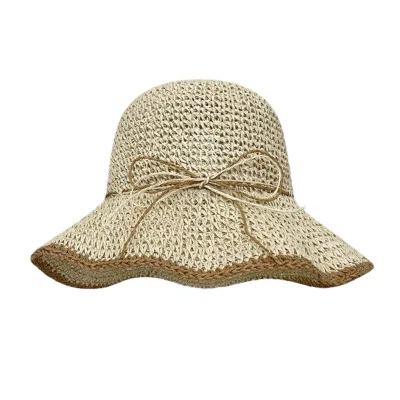


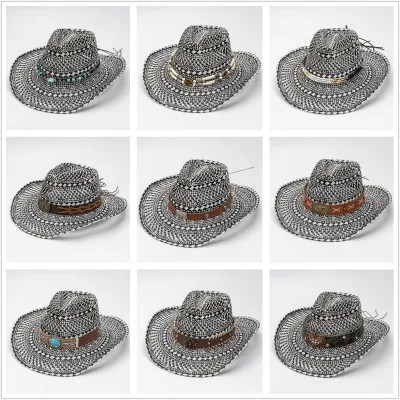


Wholesale Women's Straw Bucket Hats Foldable Summer Beach Sun Straw Hat
$10.00 - $12.00
MOQ: 10 pieces


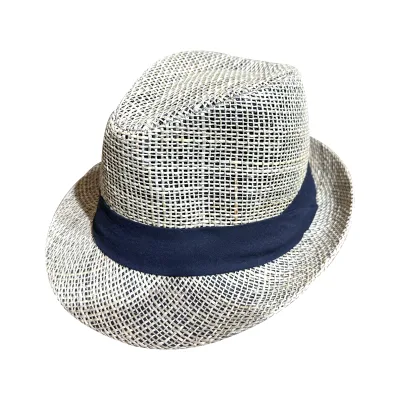

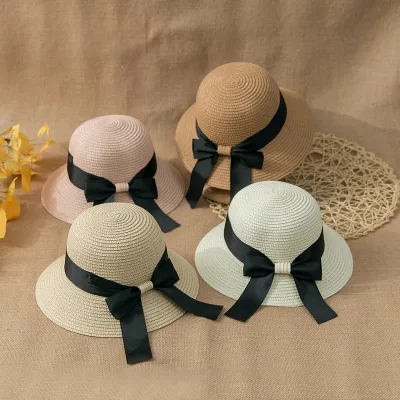


Comprehensive Sourcing Guide
Adjustable Paper Straw Beach Sunhat Sourcing Guide
Sourcing adjustable paper straw beach sunhats requires balancing aesthetic appeal with functional durability, as these items serve as both fashion accessories and practical sun protection. Buyers must navigate a market where material composition varies significantly between natural straw, paper straw, and synthetic blends, each offering distinct advantages in terms of texture, water resistance, and environmental profile. The core keyword highlights a specific niche where the adjustability feature ensures a secure fit for diverse head sizes, while the paper straw material provides a lightweight, eco-friendly alternative to traditional woven straw. Understanding these material distinctions is critical for aligning product selection with target market expectations regarding sustainability and comfort.
Procurement strategies should focus on verifying the structural integrity of the adjustable components, such as elastic bands or fabric ties, which are prone to wear during repeated use. Since these hats are often marketed for casual, beach, and outdoor activities, the durability of the brim and crown under varying weather conditions must be assessed. Buyers should prioritize suppliers who demonstrate expertise in handling paper-based materials, ensuring that the hats maintain their shape and do not fray or lose structural coherence after minimal exposure to moisture or sunlight. This attention to detail ensures that the final product meets the high expectations of consumers who value both style and longevity in their summer accessories.
Product Scope and Observed Listing Signals
The observed product landscape reveals a diverse range of models, including specific identifiers like SG230884, SG20040304, and JFSUH-028, indicating a broad catalog of available designs. Listings frequently highlight plain dyed and striped patterns, catering to varied aesthetic preferences while maintaining a casual style suitable for everyday wear. The price range observed spans from 0.85 to 16.8 USD, reflecting significant variation based on material quality, complexity of design, and customization options. This wide spectrum allows buyers to select products that align with their specific budget constraints and target demographic, whether aiming for high-volume, low-cost items or premium, feature-rich sunhats.
Minimum Order Quantities (MOQs) vary considerably, ranging from as low as 2 pieces to 600 pieces per style, offering flexibility for both small-scale testers and large-volume purchasers. Some suppliers specify an MOQ of 200 pieces per style, which is a common benchmark for custom branding initiatives. The availability of customization options, including logo placement on the front panel and color requests, suggests that many manufacturers are equipped to handle branded orders. Buyers should carefully review these listing signals to identify suppliers who can accommodate their specific volume requirements and customization needs, ensuring a smooth procurement process from initial inquiry to final delivery.
Technical Specifications to Verify
Verifying technical specifications is essential to ensure the product meets functional requirements, particularly regarding size and fit. Common size specifications include 55cm, 57cm, and 59cm, with some models designed for a head circumference of 56-58cm, adhering to a "one size fits most" standard. Buyers must confirm that the adjustable mechanism, whether it be an elastic band or a fabric tie, effectively accommodates this range without compromising comfort or stability. Additionally, the material composition should be clearly defined, with options including straw and paper straw, each offering different levels of durability and environmental impact.
Packaging and shipping details also require careful verification to prevent damage during transit. Standard packing methods include carton packaging, with some suppliers offering 1 pair per polybag and 100 pairs per carton, which facilitates efficient handling and storage. The single package size of 20x20x15 cm and a gross weight of 0.300 kg provide useful metrics for calculating shipping costs and warehouse space requirements. Buyers should also inquire about the lamination process and seamless fusing techniques, as these factors can significantly influence the hat's water resistance and overall longevity, especially for products intended for beach or outdoor use.
Compliance and Safety Documentation
While specific certification statuses are not universally disclosed in the provided listings, buyers must proactively request relevant safety and compliance documentation from suppliers. For products marketed as eco-friendly or made from paper straw, verifying the source of materials and any associated environmental certifications is crucial for meeting regulatory requirements in target markets. Buyers should ensure that the manufacturing processes adhere to local labor laws and environmental standards, particularly given the origin of many products in regions like Zhejiang and Hebei in China. This due diligence helps mitigate risks associated with supply chain transparency and ethical sourcing practices.
Safety standards for headwear typically focus on flammability and chemical safety, ensuring that dyes and adhesives used in the production process are non-toxic and safe for skin contact. Buyers should ask suppliers to provide test reports or declarations of conformity for these aspects, especially if the hats are intended for children or sensitive skin types, although the primary target audience is adults. Additionally, verifying that the printing methods, such as digital printing, comply with relevant ink safety regulations is important. This comprehensive approach to compliance ensures that the products can be legally sold and marketed in various international markets without facing regulatory hurdles.
Cost Drivers and Commercial Terms
Several factors influence the final cost of adjustable paper straw beach sunhats, including material selection, customization complexity, and order volume. The use of paper straw versus natural straw can impact pricing, as can the inclusion of additional features like embroidery or digital printing. Buyers should negotiate based on clear volume tiers, leveraging the observed MOQ ranges to secure better unit prices. Understanding the breakdown of costs, including raw materials, labor, and packaging, allows for more effective budgeting and price comparison across different suppliers.
Commercial terms such as lead times and payment conditions are critical components of the procurement agreement. Sample lead times typically range from 7 to 10 days, while production lead times can extend from 45 to 60 days, requiring careful planning to align with seasonal demand. Buyers should clarify shipping options, which may include sea or air freight, and associated costs, as these can significantly affect the total landed cost. Establishing clear terms for quality acceptance and returns policies is also essential to protect against potential discrepancies between samples and bulk production, ensuring a smooth transaction process.
Supplier Qualification and Quality Control
Evaluating supplier qualifications involves assessing their production capabilities, quality control processes, and track record in the industry. Buyers should request information about the supplier's manufacturing facilities, including equipment for lamination, embroidery, and digital printing, to ensure they can meet specific design requirements. Verifying the supplier's experience with similar products, such as straw hats or casual headwear, can provide insights into their expertise and reliability. Additionally, checking for any relevant business certifications or memberships in industry associations can further validate their credibility.
Quality control measures should be clearly defined and agreed upon before production begins. Buyers should specify inspection criteria, including checks for stitching quality, material consistency, and fit accuracy. Implementing a pre-production sample approval process is crucial to ensure that the final product meets expectations. Regular communication with the supplier during the production phase can help identify and address potential issues early. Establishing a clear protocol for handling defects or non-conforming products is also important to maintain quality standards and customer satisfaction.
Long-Term Procurement Checks
Building a long-term procurement relationship requires ongoing monitoring of supplier performance and market trends. Buyers should regularly review supplier delivery times, product quality, and responsiveness to ensure consistent performance. Tracking changes in material costs and availability can help anticipate price fluctuations and adjust procurement strategies accordingly. Additionally, staying informed about emerging trends in sustainable materials and design innovations can help buyers stay competitive and meet evolving consumer preferences.
Continuous improvement in the supply chain involves fostering open communication and collaboration with suppliers. Regular feedback sessions can help identify areas for improvement and strengthen the partnership. Buyers should also consider diversifying their supplier base to mitigate risks associated with single-source dependencies. By maintaining a proactive approach to supplier management and market analysis, buyers can ensure a resilient and efficient procurement process that supports long-term business success.
FAQs
What materials are used for the Adjustable Paper Straw Beach Sunhat?
The product is crafted from paper straw and natural straw materials to ensure durability and breathability. These materials are selected for their ability to maintain shape while providing essential sun protection for adults during summer activities.
How can I customize the color and logo on the sunhat?
Customization is available for both color and logo placement on the front panel. Buyers can request specific colors and utilize digital printing or machine embroidery techniques to add branding, ensuring the final product meets unique design requirements.
What is the minimum order quantity for this straw hat style?
The minimum order quantity is 200 pieces per style for most configurations. This threshold applies to standard orders, though specific models may have different requirements, so verifying the exact model number is essential before placing a bulk order.
Which lead times should I expect for samples and production?
Sample lead times typically range from 7 to 10 days, while full production requires 45 to 60 days. These timelines account for the lamination process and embroidery work needed to achieve the desired quality and customization for the final shipment.
Can the sunhat fit different head sizes effectively?
Yes, the hat is designed with a standard size that fits most adults, specifically accommodating head circumferences between 56 and 58 centimeters. This one-size-fits-most approach ensures comfort and stability for various users without needing multiple size variations.
How is the product packed for international shipping?
Items are packed individually in polybags and then grouped into cartons for protection during transit. The single package size is 20 by 20 by 15 centimeters, and the gross weight is 0.3 kilograms, facilitating efficient sea or air freight logistics.