Source Adjustable Pediatric Shoulder Abduction Brace for hospital home rehab
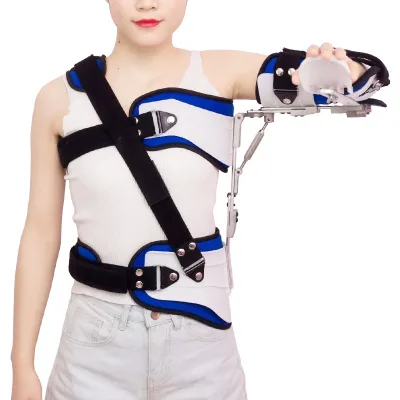
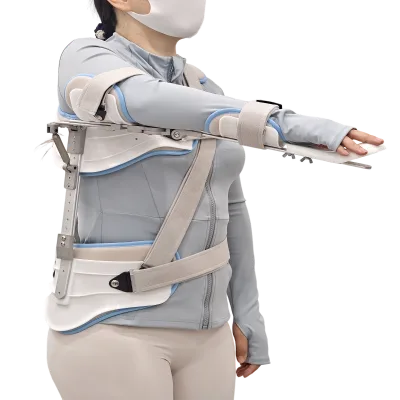
Compare 12 Adjustable Pediatric Shoulder Abduction Brace options from verified Chinese manufacturers. These devices support fracture fixation, deformity correction, and rehabilitation therapy with customizable sizes and CE certification.
Key considerations
Products List




Comprehensive Sourcing Guide
Adjustable Pediatric Shoulder Abduction Brace Sourcing Guide
Procuring an Adjustable Pediatric Shoulder Abduction Brace requires a precise understanding of the device's dual role in fracture fixation and post-operative support. These orthotic devices are specifically engineered to immobilize the shoulder joint in an abducted position, facilitating proper healing for conditions such as clavicle fractures, shoulder dislocations, or rotator cuff repairs in children. The "adjustable" nature of the brace is critical, as pediatric patients grow rapidly, and the device must accommodate changing limb dimensions without compromising the therapeutic angle required for recovery. Buyers must recognize that while the core function remains consistent, the specific mechanical design—whether it utilizes metal struts, rigid plastic shells, or hybrid materials—directly impacts the durability and comfort profile of the final product.
The sourcing landscape for these medical devices is characterized by a mix of specialized manufacturers and general orthopedic suppliers, often originating from established medical manufacturing hubs in China. When evaluating listings, buyers should look for explicit mentions of the device's intended use site, which typically includes the shoulder, neck, and upper vertebrae, alongside specific applications like correcting deformities or providing protection during rehabilitation. It is essential to distinguish between general shoulder braces and those specifically designed for pediatric abduction, as the latter often feature unique sizing standards and adjustable mechanisms tailored to smaller anatomies. The presence of customization options, such as adjustable straps or modular components, serves as a key indicator of a supplier's ability to meet the diverse needs of a pediatric patient population.
Product Scope and Observed Listing Signals
When scanning product catalogs, buyers should prioritize listings that explicitly state the product type as an "External Fixator" or "Shoulder Abduction Brace" with a clear indication of pediatric applicability. The observed market data indicates a wide range of specifications, with some models featuring metal construction for maximum rigidity while others utilize high-quality materials that balance weight and support. A critical signal to verify is the "Using Site" attribute, which should consistently list the shoulder, neck, and vertebrae, confirming the device's anatomical alignment. Additionally, the condition of the product must be confirmed as "New," and the availability of customization options should be checked to ensure the supplier can adapt the brace to specific patient requirements or institutional branding.
Commercial signals such as the "Selling Units" and "Packaging Details" provide insight into the operational readiness of the supplier. Listings often specify packaging as "OPP Bag Per PCS" or "Zip Bag," which suggests a focus on individual unit protection and hygiene, though some bulk packaging options like "10 Pieces/Box" may also be available for hospital procurement. Buyers should also note the "Product Name" variations, such as "Shoulder Abduction Brace," and cross-reference them with the "Instrument Classification" to ensure the item is categorized correctly as a Class I medical device. The presence of a "Sample" availability option is a strong positive signal, allowing procurement teams to physically inspect the adjustability and build quality before committing to a larger order.
Technical Specifications to Verify
The mechanical integrity of the brace hinges on verifying the material composition and the specific structural design intended for pediatric use. While some listings indicate "Metal" as the primary material, others specify "High Quality Material" without detailing the alloy or polymer type, necessitating a request for a detailed Bill of Materials. The "Weight" of the device is a significant factor for pediatric comfort, with observed data showing variations from 256g to 10kg; buyers must ensure the selected model falls within a weight range that does not burden a child's developing musculoskeletal system. The "Power Source" is consistently listed as "Manual," confirming that the device relies on mechanical adjustments rather than electronic components, which simplifies maintenance and reduces the risk of failure during critical recovery periods.
Dimensional specifications and standard sizing are paramount for ensuring a proper fit across the pediatric age range. The "Product Size" and "Packing Size" data reveal that dimensions can vary significantly, with some models measuring 28cm x 10cm x 10cm while others have different packing dimensions like 20cm x 20cm x 51cm. Buyers should verify the "Standard" sizes available, such as S, M, and L, and confirm if the supplier offers "Customized" sizing to accommodate outliers in the patient demographic. The "Feature" of being "Adjustable" must be validated through technical drawings or physical samples to ensure the mechanism allows for precise control over the abduction angle, which is the primary therapeutic goal of the device.
Compliance and Safety Documentation
Regulatory compliance is the foundational requirement for any medical device procurement, and the "Certification" status must be rigorously verified before finalizing a purchase. The observed listings frequently cite "CE" certification, which is a mandatory requirement for selling medical devices within the European Economic Area, and some also mention "ISO" standards. Buyers should request valid certification documents that explicitly cover the specific model number, such as KB-SZ-B2 or HYLT-SZ-B5, to ensure the certification is not generic but applies to the exact product being sourced. While "ISO13485" is a recognized standard for quality management systems in the medical industry, its presence should be confirmed as a specific claim rather than an assumption, as it indicates a robust quality control framework.
Safety documentation must also address the "Instrument Classification," which in the observed data is listed as "Class I," indicating a low-risk device. However, buyers should not rely solely on this classification; they must verify that the manufacturer has conducted appropriate biocompatibility testing and mechanical stress testing to ensure the device does not cause skin irritation or structural failure under load. The "Warranty" period, often listed as "1 Year," serves as a commercial indicator of the manufacturer's confidence in their product's durability, but it should be backed by clear terms regarding what constitutes a defect versus normal wear and tear. Additionally, the "After-sale Service" provision, such as "Online Technical Support," is a critical component of the safety net, ensuring that medical staff can receive immediate guidance on proper usage and troubleshooting.
Cost Drivers and Commercial Terms
The pricing structure for adjustable pediatric shoulder abduction braces is influenced by a combination of material costs, manufacturing complexity, and the level of customization required. The observed price range of 7 to 74.3 USD reflects the diversity of products available, from basic models to those with advanced adjustment mechanisms or premium materials. Buyers should understand that the lower end of the price spectrum may correspond to standard, non-customized units, while the higher end likely includes models with specialized features, such as enhanced padding or specific pediatric sizing. The "MOQ" (Minimum Order Quantity) varies from 1 piece to 100, offering flexibility for small clinics or hospitals testing a new supplier, but larger orders may benefit from volume discounts that are not always explicitly listed in the initial price range.
Commercial terms extend beyond the unit price to include logistics, packaging, and supply chain reliability. The "Supply Ability" of 3000 PCS per month indicates a moderate production capacity, which buyers should cross-reference with their projected demand to avoid potential stockouts. Packaging details, such as "OPP Bag Per PCS" or "10 Pieces/Box," impact the shipping cost and the efficiency of inventory management within the hospital or clinic. Buyers must also consider the "Place of Origin," which is listed as Zhejiang or Hebei, China, as this affects shipping lead times and potential import duties. The "OEM/ODM" acceptability is another key commercial term, allowing buyers to brand the device or modify its design, which can add value but may also increase the initial cost and lead time.
Supplier Qualification and Quality Control
Evaluating a supplier's qualification requires a deep dive into their manufacturing capabilities and quality assurance protocols. The "Brand Name" and "Product Origin" provide initial context, but buyers must verify the supplier's track record in producing Class I medical devices. The presence of "Customization" capabilities suggests a flexible manufacturing process, but this flexibility must be balanced with strict quality control measures to ensure that every customized unit meets the same safety and performance standards as the standard models. Buyers should request evidence of the supplier's adherence to relevant quality management systems, such as ISO13485, and inquire about their internal testing procedures for mechanical strength and material safety.
Quality control should also encompass the entire product lifecycle, from raw material sourcing to final packaging. The "Material" specification, whether "Metal" or "High Quality Material," must be traceable to ensure consistency and safety. Suppliers should be able to provide documentation on the biocompatibility of the materials used, particularly for devices that come into direct contact with the skin. The "Weight" and "Product Size" consistency across batches is another critical quality metric; significant variations could indicate poor manufacturing tolerances. Buyers should also assess the supplier's "After-sale Service" capabilities, including their responsiveness to technical support requests and their willingness to handle warranty claims, as these factors are indicative of their long-term commitment to customer satisfaction.
Long-Term Procurement Checks
Sustaining a successful procurement relationship for adjustable pediatric shoulder abduction braces requires ongoing monitoring of product performance and supplier reliability. Buyers should establish a feedback loop with clinical staff to gather data on the device's durability, comfort, and effectiveness in real-world settings. This feedback is crucial for identifying any recurring issues, such as strap slippage or material degradation, which may not be apparent during initial sampling. Regular audits of the supplier's production lines and quality control processes can help ensure that the product continues to meet the required standards over time, especially as the supplier scales production to meet increasing demand.
Strategic procurement also involves planning for future needs and potential supply chain disruptions. Buyers should maintain a diversified supplier base to mitigate the risk of stockouts, especially given the "Supply Ability" constraints observed in the market. It is advisable to negotiate long-term agreements that include provisions for price stability and priority production during peak demand periods. Additionally, buyers should stay informed about changes in regulatory requirements and industry standards, ensuring that the sourced devices remain compliant with evolving medical device regulations. By proactively managing these long-term factors, procurement teams can ensure a steady supply of high-quality, safe, and effective shoulder abduction braces for their pediatric patients.
FAQs
What certifications do adjustable pediatric shoulder abduction braces have?
These braces typically hold CE and ISO certifications to ensure compliance with medical device standards. The product is classified as a Class I instrument, indicating low risk. This certification status helps buyers verify that the external fixator meets necessary safety and quality requirements for clinical use in hospitals or home settings.
Can I customize the Adjustable Pediatric Shoulder Abduction Brace design?
Yes, customization is available for these braces to meet specific clinical or branding needs. Buyers can request OEM or ODM services, allowing for tailored packaging and potentially modified features. The manufacturer accepts customized orders, ensuring that the final product aligns with particular procurement specifications or regional regulatory requirements.
What is the minimum order quantity for this brace?
The minimum order quantity starts at just one piece, making it accessible for small trials or specific medical needs. While some listings suggest an MOQ of 100, the baseline allows for single-unit purchases. This flexibility supports buyers who need to test product quality before committing to larger bulk orders for their supply chain.
Where are these shoulder abduction braces manufactured?
These braces are manufactured in China, with specific origins noted in Zhejiang and Hebei provinces. This location data helps buyers assess logistics and shipping times. The products are designed for universal application and are suitable for medical care settings, ensuring that the supply chain originates from established manufacturing hubs in the region.
What materials are used in the Adjustable Pediatric Shoulder Abduction Brace?
The braces are constructed from high-quality materials, including metal components for structural support. This combination ensures durability while maintaining the necessary adjustability for patient comfort. The use of robust materials supports the brace's function in fracture fixation and deformity correction, providing reliable protection during the rehabilitation and recovery process.
What after-sale service is provided for this medical brace?
Online technical support is provided to assist buyers with any product-related inquiries or issues. This service ensures that users can resolve operational questions efficiently without needing extensive physical support. The warranty period is typically one year, offering additional assurance regarding the product's performance and reliability during its intended medical application.