Source Adjustable Personalized Pet Collar with Bell for Cat, Small Dog, and Training
Find 30 options for an Adjustable Personalized Pet Collar with Bell, featuring nylon and cotton materials with breakaway buckles. Compare sizes, colors, and OEM capabilities for cat and small dog accessories.
Key considerations
Products List
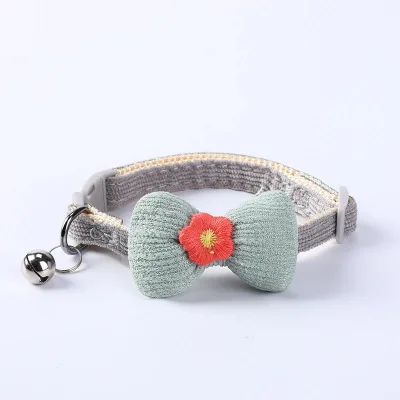
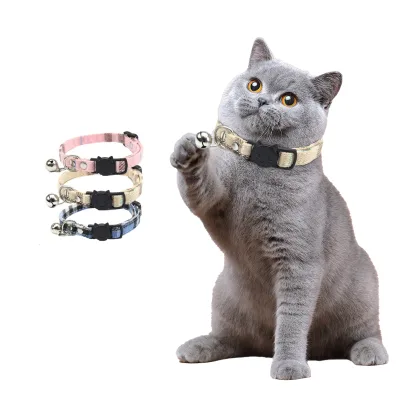
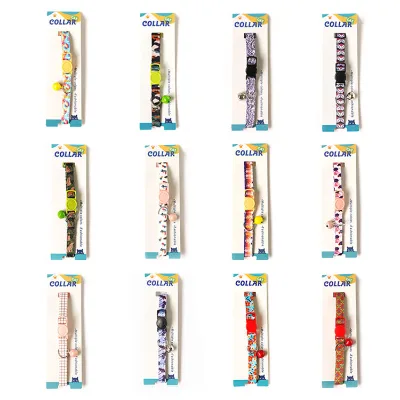
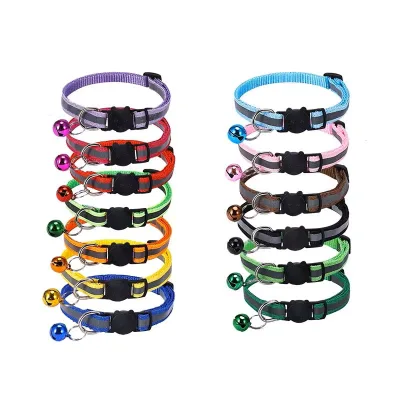
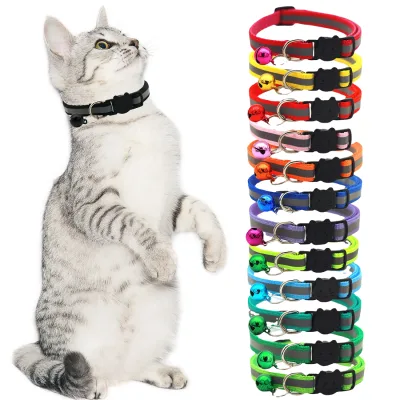


Western Style Leather Dog Collar Adjustable Durable Soft Embossed Design
$2.49 - $3.20
MOQ: 200 Pieces

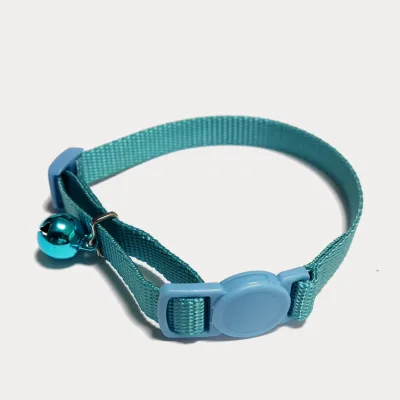

Hot Sale Christmas Pet Bow Tie Collar Adjustable Cat Dog Collars with Bell
$0.15 - $0.20
MOQ: 100 Pieces

Wholesale Custom Multicolor Cat Collar Adjustable Nylon Collar with Bell
$0.69 - $0.82
MOQ: 100 Pieces

Super Soft Silicone Dog Cat Collar with Bells Adjustable Elastic Collars
$0.43 - $0.51
MOQ: 100 Pieces

Factory Creative Handmade Colorful Pet Cat Collar New Design Small Dog Collar with Bell
$0.38 - $0.51
MOQ: 100 Pieces


Pets Bow Collars Wholesale Pets Dogs Bow Bells Ties Cheap Cats Neck Collars
$0.12 - $0.15
MOQ: 100 Pieces


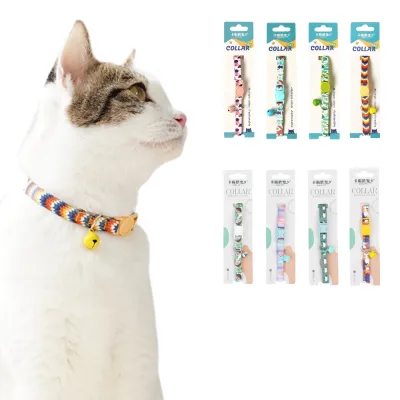

High-Quality Adjustable Handmade Pet Collar with Personalized Breakable Design
$0.86 - $1.68
MOQ: 1000 Pieces


Comprehensive Sourcing Guide
Adjustable Personalized Pet Collar with Bell Sourcing Guide
Sourcing adjustable personalized pet collars with bells requires a careful balance between aesthetic customization, functional safety, and supply chain reliability. Buyers in the B2B sector must navigate a market where product attributes vary significantly across suppliers, particularly regarding materials, closure mechanisms, and decorative elements. The core keyword highlights three critical components: adjustability for fit, personalization for branding or style, and the inclusion of a bell for safety and tracking. Understanding these elements is essential for defining precise technical requirements and avoiding mismatches between supplier offerings and end-user expectations.
This guide provides evidence-based procurement advice for sourcing these items, focusing on verified product attributes and industry-standard verification steps. By examining observed listing signals, technical specifications, compliance needs, cost structures, supplier qualifications, and long-term checks, buyers can make informed decisions that mitigate risk and ensure product quality. The following sections detail the specific considerations necessary for successful procurement, drawing on available data and trusted category knowledge to provide actionable insights.
Product Scope and Observed Listing Signals
The observed product landscape for adjustable pet collars reveals a diverse range of materials, patterns, and target pet sizes, indicating that buyers must clearly define their specifications before engaging with suppliers. Available data shows collars made from polyester, cotton, and nylon, each offering distinct durability and comfort profiles. Polyester options often feature striped or solid patterns and are marketed for cat and small dog usage, while cotton variants may include print designs and are specifically tailored for cats. Nylon collars frequently incorporate breakaway buckles and are suitable for a broader range of breeds, including small, medium, and large dogs. This variation underscores the importance of verifying material composition and intended use case to ensure the product aligns with your target market.
Decorative elements and functional features also vary widely, with bells being a common addition for safety and auditory tracking. Some collars include small bells or sash decorations, while others may feature cartoon or cute styles to appeal to specific consumer preferences. The presence of a bell is a key differentiator, but its attachment method and security should be scrutinized to prevent loss or injury. Additionally, customization options such as OEM and ODM services allow for branded logos and personalized designs, which are crucial for businesses looking to establish a unique brand identity. Buyers should prioritize suppliers who offer flexible customization capabilities while maintaining consistent quality standards.
Technical Specifications to Verify
Accurate sizing and adjustability are paramount for pet collars, as improper fit can lead to discomfort or safety hazards. Observed specifications indicate size ranges such as 1.0*22-30CM for polyester collars and 1.0cm * 19-32cm for cotton options, highlighting the need for precise measurement verification. Buyers should request detailed size charts and confirm the adjustability mechanism, such as buckle types, to ensure the collar can accommodate different neck sizes within the specified range. It is also important to verify the single package dimensions and gross weight, as these factors impact shipping costs and storage requirements. For instance, some listings report a single gross weight of 0.100 kg, while others may vary, affecting logistics planning.
Closure mechanisms and design features must be evaluated for durability and safety, particularly for active pets. Breakaway buckles are a critical safety feature, allowing the collar to release under tension to prevent choking or injury. Buyers should verify the presence and quality of these buckles, especially for nylon collars designed for dogs. Additionally, the attachment method for bells should be secure to prevent detachment during use. Model numbers such as DC-096, DC-059, and DC-028 can help in tracking specific product variants, but buyers should not rely solely on these identifiers without confirming the actual physical attributes and performance characteristics of the product.
Compliance and Safety Documentation
Safety compliance is non-negotiable for pet accessories, particularly those involving small parts like bells. Buyers must ensure that suppliers provide documentation verifying that products meet relevant safety standards, such as those prohibiting small detachable parts that could pose a choking hazard. While specific certification statuses are not provided in the observed data, buyers should request test reports or compliance certificates from suppliers to confirm adherence to international safety regulations. This is especially important for products marketed for cats and small dogs, where the risk of ingestion or entanglement is higher.
Environmental and material safety is another critical consideration, with some products labeled as eco-friendly. Buyers should verify the claims regarding eco-friendly materials and processes, requesting information on the sourcing and treatment of materials such as polyester, cotton, and nylon. This includes ensuring that dyes and finishes used in the production process are non-toxic and safe for pets. Additionally, buyers should inquire about the supplier’s quality control processes to ensure consistent compliance with safety standards across all production batches.
Cost Drivers and Commercial Terms
Cost structures for adjustable pet collars are influenced by material choice, customization level, and order volume. Observed price ranges and MOQs indicate that costs can vary significantly based on these factors. For example, MOQs range from 10 to 1000 units, with some listings specifying an MOQ of 200 or 200 pcs. Buyers should negotiate terms that align with their inventory needs and cash flow constraints, considering the trade-offs between lower unit costs at higher volumes and the flexibility of smaller orders. It is also important to clarify whether the quoted prices include customization costs, such as logo printing or packaging design.
Shipping and logistics costs are additional factors that impact the total cost of ownership. The port of dispatch, which may include Shanghai, Guangzhou, Yiwu, or Ningbo, can affect shipping rates and lead times. Buyers should request detailed shipping quotes and consider the impact of packaging dimensions and weight on freight costs. Additionally, sample times of 3-7 days should be factored into the procurement timeline, allowing for quality verification before placing bulk orders. Clear communication regarding commercial terms, including payment methods and delivery schedules, is essential to avoid misunderstandings and ensure smooth transactions.
Supplier Qualification and Quality Control
Supplier qualification is a critical step in ensuring the reliability and quality of adjustable pet collars. Buyers should verify the supplier’s manufacturing capabilities, including their experience with OEM and ODM services, and their ability to meet specific customization requirements. The place of origin, such as Zhejiang, China, can provide insights into the supplier’s industrial ecosystem and supply chain efficiency. However, buyers should not rely solely on location-based assumptions and should conduct thorough due diligence to assess the supplier’s overall competence and reputation.
Quality control processes should be rigorously evaluated to ensure consistent product quality. Buyers should request information on the supplier’s QC procedures, including inspection protocols for materials, production, and finished goods. It is also important to verify the supplier’s ability to handle defects and returns, ensuring that any issues are resolved promptly and fairly. Establishing a clear communication channel with the supplier for ongoing quality feedback and improvement is essential for maintaining high standards and building a long-term partnership.
Long-Term Procurement Checks
Long-term procurement success depends on continuous monitoring and evaluation of supplier performance and product quality. Buyers should establish key performance indicators (KPIs) to track metrics such as on-time delivery, product defect rates, and customer satisfaction. Regular audits and feedback sessions with suppliers can help identify areas for improvement and ensure that quality standards are maintained over time. Additionally, buyers should stay informed about industry trends and regulatory changes that may impact product requirements, allowing for proactive adjustments to procurement strategies.
Building a resilient supply chain involves diversifying suppliers and maintaining strong relationships with multiple vendors. This approach mitigates the risk of supply disruptions and provides flexibility in responding to market changes. Buyers should also consider the sustainability and ethical practices of their suppliers, aligning procurement decisions with corporate social responsibility goals. By focusing on long-term partnerships and continuous improvement, buyers can ensure a steady supply of high-quality adjustable personalized pet collars with bells that meet the evolving needs of their customers.
FAQs
What materials are used for adjustable personalized pet collars with bell?
These collars are made from polyester, cotton, or nylon depending on the specific model. The product list shows options like polyester for durability and cotton for a softer feel, ensuring suitability for cats and small dogs.
Which sizes are available for adjustable personalized pet collars with bell?
Available sizes range from 1.0 by 22-30 cm to 1.0 by 19-32 cm to fit various pets. These dimensions allow for a secure fit on cats and small dogs while accommodating growth or different neck circumferences.
Can I customize the logo on adjustable personalized pet collars with bell?
Yes, OEM and ODM services are acceptable for customizing the logo on these collars. This allows buyers to add their branding or specific designs to the polyester, cotton, or nylon products for a personalized touch.
What is the minimum order quantity for adjustable personalized pet collars with bell?
The minimum order quantity is 200 pieces for most listed models. This standard MOQ applies to the various styles including nylon and cotton options with bells for cats and small dogs.
How long does it take to receive samples of adjustable personalized pet collars with bell?
Sample time is typically 3 to 7 days for production and preparation. This timeframe allows buyers to verify the quality of the polyester, cotton, or nylon materials before placing a larger order.
Which ports are used for dispatching adjustable personalized pet collars with bell?
Products are dispatched from major ports including Shanghai, Guangzhou, Yiwu, and Ningbo. These locations in Zhejiang, China facilitate efficient shipping for international buyers seeking these pet accessories.
What decoration options exist for adjustable personalized pet collars with bell?
Decoration options include bells, sash small bells, and various patterns like stripes, solids, or prints. These features enhance the aesthetic appeal while providing auditory cues for cats and small dogs.