Source Adjustable Pupil Distance VR Headset for Gaming, Education, Training
Compare 30 Adjustable Pupil Distance VR Headset options from verified Chinese manufacturers. These devices support smartphones and feature aspheric lenses for immersive 3D experiences in gaming, education, and professional training applications; compare the available evidence and request quotations based on your requirements.
Key considerations
Products List
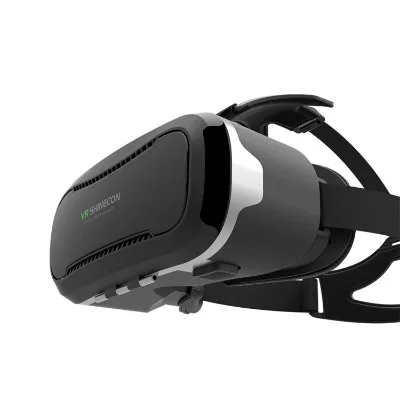
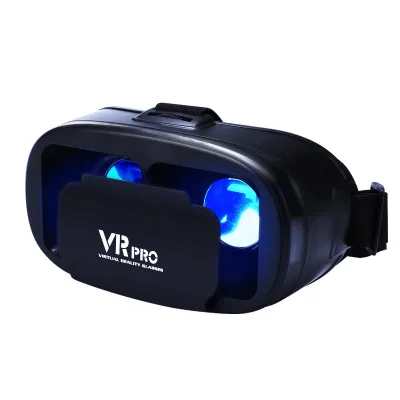


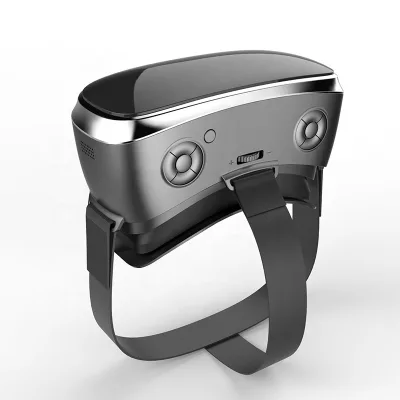


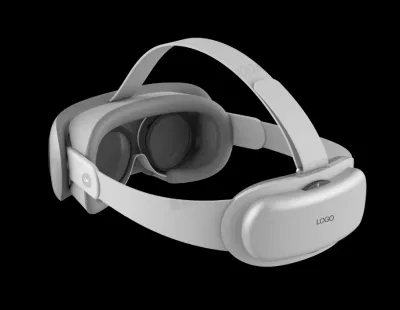
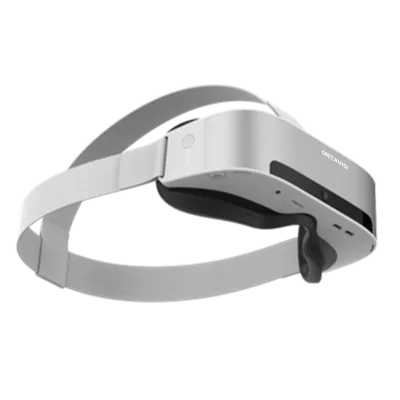
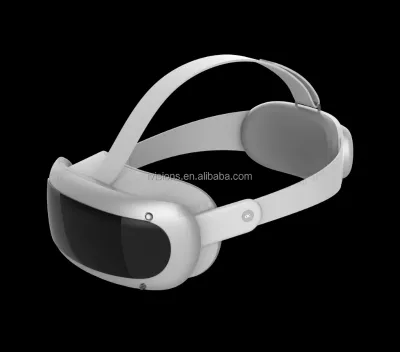


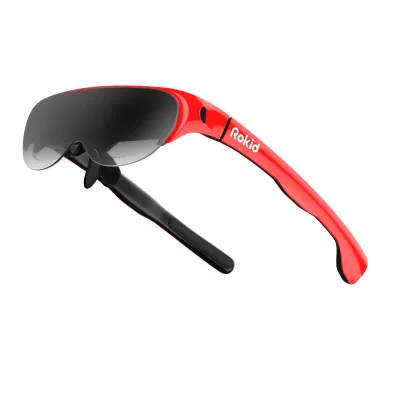


Immersive Large-Screen Vr Goggles HD Headset for Long-Range Drone Operatic
$4500.00 - $12500.00
MOQ: 1 pieces


Comprehensive Sourcing Guide
Adjustable Pupil Distance VR Headset Sourcing Guide
The Adjustable Pupil Distance VR Headset market presents a diverse range of devices designed to accommodate varying user demographics, with specific models like the SC-G02 and LSVR3.0 offering distinct optical configurations. Buyers must recognize that while some units feature aspheric optical resin lenses to simulate a 100-inch screen experience, others utilize high-grade plastic resin with specific focal lengths like 45mm. This variation necessitates a careful review of the viewing angle specifications to ensure the device meets the intended immersive requirements for different user groups.
Procurement strategies should account for the wide spectrum of compatible smartphone sizes, ranging from 3.5 to 7 inches, which directly impacts the internal lens positioning and frame design. Sourcing teams need to verify whether the headset utilizes a full frame or eyebrow line frame construction, as these structural differences influence the stability and comfort during extended usage. Understanding these physical distinctions is critical before engaging with suppliers who may offer customized printing or private mold options to align with specific brand identities.
Product Scope and Observed Listing Signals
Current market listings reveal a significant price variance, with observed ranges extending from $0.50 to $12,500, reflecting differences in material quality and feature sets. While many entries focus on general mobile phone VR headsets made from ABS/PP and PMMA, others incorporate advanced features like Bluetooth and WiFi connectivity, or even AMOLED displays for detection purposes. Buyers must distinguish between basic cardboard-style units and more sophisticated active shutter or water-resistant models to avoid misalignment with their specific application needs.
The observed product scope includes items suitable for automotive detection, general gaming, and video consumption, with some units explicitly designed for 3D VR glasses applications. Listings indicate that customization is available for logos and printing, yet the folded or unfolded state of the frame varies significantly between models like the LS2002 and HYVR-25. Procurement teams should scrutinize the packing standards, noting that some products use simple sleeves while others require complex air bubble film and hard wooden packaging to prevent damage during transit.
Technical Specifications to Verify
Verification of the optical system is paramount, as specifications such as the 37mm diameter lens with a 34mm viewable area and 45mm focal length define the visual clarity and field of view. Buyers must confirm the exact virtual screen size capabilities, which typically range from 50 to 80 inches, to ensure the device delivers the promised immersive experience without causing eye strain. It is essential to cross-reference the lens material, whether it is high-grade plastic resin or optical resin, against the intended usage environment to guarantee durability and optical performance.
The physical dimensions and compatibility with smartphone screens require precise validation, as models are often tailored for specific screen sizes between 3.5 and 6.5 inches. Sourcing teams should check the carton dimensions and weight, such as the 663147cm standard for 22KG loads, to calculate accurate shipping costs and warehouse requirements. Additionally, the presence of conductive foil push buttons or foam pads in the design indicates specific interaction mechanisms that must be tested for responsiveness and longevity in the final product.
Compliance and Safety Documentation
Regulatory compliance is a non-negotiable aspect of sourcing, with many suppliers providing CE, RoHS, and EN71 certifications to demonstrate adherence to international safety standards. Buyers must request valid test reports for these certifications, particularly for products intended for children or general consumer use, to ensure the materials used, such as silicone or plastic frames, do not pose health risks. The presence of a two-year warranty on certain models suggests a higher confidence in product longevity, but this should be backed by documented quality control processes.
Safety documentation must also address the specific classification of the device, such as whether it is a non-flash-type unit or an active shutter system, which may have different electrical safety requirements. For automotive or detection applications, additional certifications might be necessary to ensure the device operates safely in specialized environments. Procurement teams should verify that the supplier's origin, typically Guangdong, China, aligns with the regulatory requirements of the destination market to avoid customs delays or legal liabilities.
Cost Drivers and Commercial Terms
The cost of adjustable pupil distance VR headsets is heavily influenced by the complexity of the optical system and the choice of materials, with prices ranging from entry-level units to high-end models with advanced features. Buyers should analyze the minimum order quantity (MOQ) requirements, which can vary from 1 to 3000 units, to determine the most economical order size for their inventory needs. Understanding the relationship between customization options, such as private molds or custom logos, and the final unit price is essential for budgeting and margin planning.
Commercial terms regarding packaging and shipping logistics play a significant role in the total landed cost, as some products require specialized wooden packaging while others use standard cartons. The weight and volume of the cartons, such as the 16KG weight for 494141cm units, directly impact freight charges and storage efficiency. Sourcing teams must negotiate clear terms for lead times and production schedules, ensuring that the supplier can meet demand without compromising on the quality of the conductive foam pads or other critical components.
Supplier Qualification and Quality Control
Supplier qualification should focus on their manufacturing capabilities, particularly their ability to handle customizations like printing and private mold development without compromising structural integrity. Buyers must assess the supplier's track record in producing units with specific features, such as the 3D VR glasses type or the specific frame materials like ABS/PP, to ensure consistency across large production runs. It is advisable to request samples that match the exact specifications of the target model, such as the LS201 or HYVR-25, to verify the quality of the lens and frame assembly.
Quality control processes must be rigorous, covering everything from the initial material inspection to the final packaging stage, including the use of air bubble film and stretch films. Suppliers should demonstrate a clear understanding of the product standards, such as the specific carton sizes and weight limits, to prevent damage during shipping. Establishing a robust communication channel for addressing defects, such as issues with the conductive foil push buttons or lens alignment, is crucial for maintaining product reliability and customer satisfaction.
Long-Term Procurement Checks
Long-term procurement success depends on the supplier's ability to maintain consistent quality and supply chain stability over time, especially for products with complex optical components. Buyers should implement regular audits to verify that the materials, such as high-grade plastic resin or silicone, continue to meet the specified standards and that the production processes remain unchanged. Monitoring the warranty claims and return rates for models like the SC-G02 or LSVR3.0 can provide early warnings of potential quality degradation or design flaws.
Strategic partnerships with suppliers who offer flexible customization and reliable lead times are essential for adapting to market changes and consumer preferences. Procurement teams should regularly review the product specifications, such as the viewing angle and virtual screen size, to ensure they remain competitive against emerging technologies. Establishing a clear feedback loop for continuous improvement will help in refining the product features, such as the frame design or lens material, to better serve the end-users in the long run.
FAQs
What phone screen sizes work with an Adjustable Pupil Distance VR Headset?
Most listed headsets fit smartphones with screens between 5 and 7 inches, while some models suit 3.5 to 6.5 inch phones. Check the specific model listing before ordering, because compatibility depends on the adjustable cradle width and lens focal length. Confirm your phone dimensions against the stated size range to ensure a secure fit and correct viewing distance.
Which materials are used in these adjustable pupil distance VR headsets?
Typical body materials are ABS and PP with PMMA lenses, and silicone is used on some models. Lenses on certain listings are described as aspheric optical resin or high-grade plastic resin. Material choice affects weight, durability, and comfort during longer sessions, so verify the listed material specification for the exact model you intend to source.
Can I order adjustable pupil distance VR headsets with custom logo printing?
Yes, customization is available on listed models, including customized printing and custom logo options. Suppliers generally require artwork files and a minimum order quantity that varies by model, with observed MOQs ranging from 1 to 3000 pieces. Confirm printing methods, artwork requirements, and sample availability with the supplier before confirming a bulk order.
How do the viewing specifications compare across these VR headset models?
Specifications vary by model. One listed model offers a virtual screen size of 50 to 80 inches, equivalent to viewing a 100-inch screen from 3 meters away. Another lists a 37mm lens diameter with a 45mm focal length. Compare virtual screen size, lens diameter, and focal length against your intended use case before selecting a model.
What certifications should I look for when sourcing these VR headsets?
Listed certifications include CE, RoHS, and En71 on certain models, while others show RoHS certification only. Certification requirements depend on your destination market and retail channel. Request copies of current certificates for the specific model and confirm they match the unit you will receive, since certification coverage can differ between product variants.
How are adjustable pupil distance VR headsets packed for shipment?
Packing options vary by model. Some listings show each unit in a sleeve with 100 pieces per carton, with carton dimensions of 66 by 31 by 47 centimeters and a gross weight of 22 kilograms. Others use air bubble film with stretch films and hard wooden packing. Confirm the packing method and carton data for your chosen model.
What is the difference between foldable and unfolded frame designs?
Listed designs include folded frames, which are more compact for retail packaging and shipping, and unfolded eyebrow line frames that hold their shape during use. A folded design reduces carton volume and can lower freight cost per unit. Choose based on whether portability for end users or shipping efficiency matters more for your distribution channel.
Can I adjust pupil distance on these headsets for different users?
Yes, adjustable pupil distance is a core function of these headsets, allowing different users to align the lenses with their eyes for a clearer 3D image. Adjustment mechanisms differ by model, so test the mechanism range on a sample. Proper alignment reduces eye strain and is especially important for shared or commercial use environments.