Source Adjustable PU Chair Arm for Office, Gaming, and Wheelchair
Explore 30 listings for the Adjustable PU Chair Arm, featuring models with fixed or 3D adjustable armrests in nylon, plastic, and metal. Buyers can compare specifications, weights, and customization options for office chairs, mesh chairs, and gaming chairs.
Key considerations
Products List


Office Chair Kits Lifting Armrest Handle for Commercial Furniture Parts
$11.50 - $12.00
MOQ: 500 Pairs


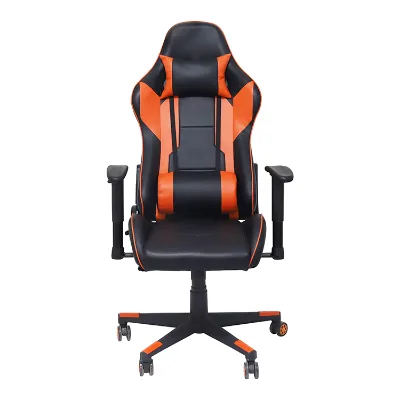


Comprehensive Sourcing Guide
Strategic Sourcing Guide for Adjustable PU Chair Armrests
Understanding Product Variability and Core Specifications
The market for adjustable PU chair armrests presents a complex landscape where "adjustable" is not a monolithic feature but a spectrum of mechanical capabilities and material compositions. Buyers must first recognize that product attributes vary significantly between listings, even when the core keyword remains identical. In the current supply environment, the term "Adjustable" can refer to a 3D adjustable armrest capable of multi-directional movement, or it may be contrasted with a "Fixed" armrest design where the term appears in the product title but the functional attribute is listed as non-adjustable. This discrepancy necessitates a rigorous verification of the specific product model and its technical data sheet before any procurement decision is made.
The material composition is a primary differentiator in this category. The most prevalent configuration observed involves a composite of Nylon, PU (Polyurethane), and Metal. This triad offers a balance of durability, tactile comfort, and structural integrity. However, alternative listings indicate the use of Plastic as the primary material, which may serve different cost or weight requirements. The PU component specifically provides the ergonomic cushioning, while the metal or nylon substructure ensures the load-bearing capacity required for office and gaming applications.
Dimensions are equally critical and highly variable. Standardized packaging and product dimensions suggest a range of sizes, with specific models adhering to measurements such as 24028051 mm, 25090100 mm, and 255*280~370 mm. These variations are not merely cosmetic; they dictate the compatibility of the armrest with existing chair frames. A buyer sourcing for a specific chair model must match these exact millimeter specifications to ensure a seamless fit. Furthermore, the packaging standard often correlates with these dimensions, with carton sizes calculated to hold specific quantities, such as 10 pairs or 20 pairs per carton, directly influencing shipping volume and cost.
Compliance, Certification, and Safety Verification
When sourcing furniture components, particularly those intended for office and commercial use, compliance with safety and environmental standards is paramount. While specific certification names are not universally attached to every listing in the current dataset, the presence of "Eco-Friendly" as a stated feature indicates a market trend toward sustainable materials. Buyers should verify that the PU and Nylon materials used meet relevant regional standards for chemical emissions and flammability, especially for products destined for the European Union or North America.
The condition of the product is another critical compliance factor. The market contains both "New" and "Used" items. For B2B procurement, particularly for office refurbishment or new equipment installation, "New" condition is the standard requirement. Sourcing used components introduces significant variability in wear and tear, which can compromise the structural integrity of the adjustable mechanisms. Buyers must explicitly define the required condition in their Request for Quotation (RFQ) to avoid receiving refurbished or second-hand inventory unless the project specifically targets cost-saving refurbishment initiatives.
Warranty terms serve as a proxy for manufacturer confidence and product reliability. A 3-year warranty is a notable attribute observed in specific listings, suggesting a higher tier of quality assurance. This duration implies that the manufacturer stands behind the durability of the adjustable mechanism and the bonding of the PU material. However, not all products carry this warranty; some may have limited or no stated coverage. Buyers should treat the warranty period as a key negotiation point, ensuring that the supplier provides written confirmation of coverage for defects in materials and workmanship.
Cost Drivers and Economic Parameters
The pricing structure for adjustable PU chair armrests is influenced by a confluence of factors including material costs, customization levels, and order volume. The observed price range in the market spans from 1.5 to 60.8 USD, a wide disparity that reflects differences in material quality, mechanical complexity, and branding. Lower-priced items typically utilize standard plastic or basic metal composites with fixed or limited adjustment features. Conversely, the higher end of the price spectrum often correlates with advanced 3D adjustment mechanisms, premium PU finishes, and OEM customization capabilities.
Minimum Order Quantity (MOQ) is a significant economic driver that affects the total cost of ownership. The market exhibits a broad MOQ range, from as low as 1 pair to as high as 500 pairs. Specific listings indicate MOQs of 50 pairs, 60 pairs, and 200 pieces. For small businesses or prototype development, the lower MOQ options are essential, though they may come with a higher unit cost. For large-scale office deployments, negotiating an MOQ closer to the 500-unit threshold can yield substantial volume discounts. Buyers must calculate the total landed cost, including the impact of the MOQ on inventory holding costs, rather than focusing solely on the unit price.
Payment terms also play a role in the financial planning of the procurement process. Standard industry practices observed include T/T (Telegraphic Transfer), LC (Letter of Credit), Western Union, and PayPal. The choice of payment method can impact cash flow and risk exposure. For larger orders, an LC provides security for both parties, while T/T is common for established relationships. Buyers should align their payment strategy with their internal financial policies and the risk profile of the supplier.
Typical Applications and Usage Scenarios
The versatility of adjustable PU chair armrests allows them to be integrated into a wide array of furniture types. The primary application is the Office Chair, where ergonomic support is critical for productivity and employee health. In these settings, the ability to adjust the armrest height and angle helps users maintain neutral postures, reducing strain on the shoulders and neck. Beyond traditional office environments, these components are increasingly utilized in Mesh Chairs, which rely on modular parts for assembly and repair.
The market data also highlights usage in Wheelchairs and Gaming Chairs. For wheelchair applications, the armrests must be lightweight yet durable, often requiring specific mounting mechanisms to accommodate the unique frame geometry of mobility aids. In the gaming sector, the demand for high-performance armrests is driven by the need for long-duration comfort and aesthetic customization. The "Modern Style" and "Customized" attributes observed in the listings align well with the gaming market's preference for sleek, personalized designs.
Furthermore, the classification of these items as "Other Furniture Parts" underscores their role as replacement components or modular additions. This dual nature allows suppliers to serve both the original equipment manufacturer (OEM) market and the aftermarket repair sector. Buyers sourcing for the repair market must pay close attention to the "Product Name" and "Key Words" to ensure compatibility with legacy chair models, as the "Adjustable" feature may be absent in older designs.
Supplier Evaluation and Geographic Considerations
Geographic origin is a key indicator of supply chain dynamics and production capabilities. The majority of the observed listings originate from China, with specific mentions of Guangdong and Guangdong, China(Mainland). Guangdong is a recognized manufacturing hub for furniture components, offering a dense ecosystem of suppliers, raw material providers, and logistics networks. This concentration often leads to competitive pricing and faster lead times for standard items. However, buyers should verify the specific factory location within the region to assess logistics efficiency, especially for time-sensitive orders.
Supplier evaluation should extend beyond the basic product listing. The availability of OEM services is a critical differentiator. Listings confirming "OEM: Yes" indicate that the supplier can customize the product design, color, and branding to match the buyer's requirements. This is particularly valuable for companies looking to create a unified brand identity across their furniture fleet. The "Color: Optional" attribute further supports this customization capability, allowing buyers to match armrests to specific chair upholstery or corporate color schemes.
Sample availability is another vital metric for supplier reliability. A sample time of 3-7 days suggests a responsive supply chain capable of rapid prototyping. Buyers should utilize this window to physically inspect the product quality, testing the adjustment mechanisms and the quality of the PU finish. The ability to receive samples quickly allows for iterative design adjustments before committing to a large production run, mitigating the risk of mass-producing defective units.
Quality Control and Long-Term Procurement Strategy
Quality control in the manufacturing of adjustable armrests must focus on the integrity of the moving parts and the durability of the surface finish. The "3D Adjustable Armrest" feature implies a complex internal mechanism that must withstand repeated adjustments without loosening or failing. Buyers should request detailed test results regarding the cycle life of the adjustment mechanism. While specific test data is not provided in the general listing, the presence of a 3-year warranty suggests that the manufacturer has conducted internal stress testing.
Packaging standards are also a proxy for quality control. The observation of specific net and gross weights per carton, such as 15.04 Kg and 16.04 Kg for 20 pairs, or 26.30 Kg and 27.30 Kg for 10 pairs, indicates a standardized packing process. Consistent packaging ensures that the products arrive without damage during transit. Buyers should verify that the packaging includes adequate protection for the adjustable joints, which are susceptible to impact damage.
For long-term procurement, establishing a relationship with a supplier that offers consistent quality and reliable lead times is essential. The "by Sea / Air" packing option indicates flexibility in shipping methods, allowing buyers to balance cost and speed based on their inventory needs. As the market for ergonomic furniture continues to evolve, buyers should maintain a flexible sourcing strategy that allows for adjustments in order volume and product specifications. Regular audits of the supplier's production capacity and quality control processes will ensure that the supply chain remains robust and capable of meeting future demand.
Summary of Key Technical and Commercial Parameters
To facilitate a clear comparison of the available options, the following table summarizes the critical technical and commercial parameters observed in the current market. This data serves as a reference point for buyers to align their specific requirements with available product listings.
| Parameter | Observed Value / Range | Notes for Verification |
|---|---|---|
| Adjustability | 3D Adjustable, Fixed | Verify specific mechanism type; "Adjustable" in title does not always mean functional. |
| Material | Nylon + PU + Metal, Plastic | Check for specific alloy or plastic grade for durability. |
| Dimensions | 24028051 mm to 255*280~370 mm | Match exact millimeter specs to chair frame. |
| Condition | New, Used | Explicitly require "New" for most B2B applications. |
| MOQ | 1 to 500 Pairs | Negotiate based on volume; 50-200 pairs common. |
| Warranty | 3 Years (Specific Models) | Confirm written warranty terms for the specific model. |
| Origin | China (Guangdong) | Verify factory location for logistics planning. |
| Customization | OEM Available, Color Optional | Confirm capability for branding and color matching. |
| Sample Time | 3-7 Days | Plan for this lead time in the product development cycle. |
By carefully analyzing these parameters and adhering to the verification steps outlined, buyers can navigate the complexities of the adjustable PU chair armrest market effectively. The goal is to secure high-quality, compliant, and cost-effective components that enhance the ergonomic value of the final furniture product.
FAQs
What materials are used for adjustable PU chair armrests?
Most adjustable armrests use a composite of Nylon, PU, and Metal for durability and comfort. Some listings specify Plastic as the primary material for cost efficiency. Buyers must verify the specific material composition in the product data sheet before ordering to ensure it meets their weight and strength requirements.
How can I find armrests with a 3-year warranty?
You can find specific models like AD-06 that offer a 3-year warranty on the product page. This warranty indicates the manufacturer stands behind the durability of the adjustment mechanism. Always confirm the warranty terms in writing during negotiation to ensure coverage for defects in materials and workmanship.
Which minimum order quantity options are available for small buyers?
The market offers MOQs ranging from 1 pair up to 500 pairs depending on the supplier. Specific listings show minimums of 50 pairs, 60 pairs, or 200 pieces. Small businesses should target the lower MOQ options, though they may incur a higher unit cost compared to bulk orders.
Can I get custom colors and OEM branding for these parts?
Yes, many suppliers offer OEM services with optional color choices to match your brand identity. The product listings confirm that customization is available for modern style armrests. Buyers should request samples to verify the finish quality before committing to a large production run.
What are the standard dimensions for these armrests?
Standard dimensions vary by model, with common sizes including 240*280*51 mm and 250*90*100 mm. Other listings specify sizes like 255*280~370 mm or 252*285 mm. Exact millimeter specifications are critical to ensure the armrest fits your existing chair frame without modification.
How do I verify the condition of the armrests before purchase?
The market lists both New and Used conditions, so you must explicitly define your requirement in the request. New condition is the standard for office equipment, while used items may have structural wear. Always specify New condition in your RFQ to avoid receiving refurbished or second-hand inventory.
What payment methods are accepted for these furniture parts?
Suppliers typically accept T/T, LC, Western Union, and PayPal for transactions. The choice of payment method impacts your cash flow and risk exposure during the procurement process. For larger orders, an LC provides security for both parties, while T/T is common for established relationships.