Source Adjustable Prosthetic Suspension Strap for Joint, Hip, and Amputee
Find and compare 24 listings for the Adjustable Prosthetic Suspension Strap designed for joint, hip, and amputee applications. Buyers can evaluate specifications like size, weight, and certification to find the right solution for their needs.
Key considerations
Products List




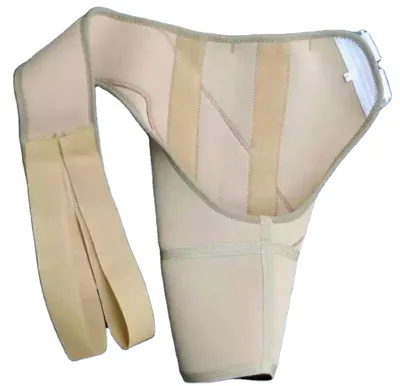
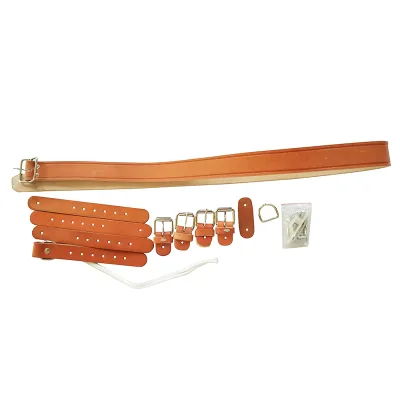
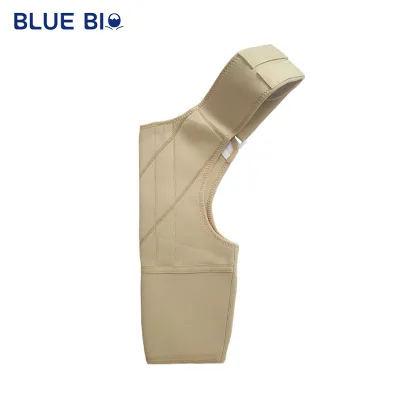
Comprehensive Sourcing Guide
Strategic Sourcing Guide for Adjustable Prosthetic Suspension Straps
Navigating the global market for adjustable prosthetic suspension straps requires a disciplined approach that balances technical precision with supply chain reliability. For procurement professionals in the medical device sector, the primary objective is to secure components that ensure patient safety, comfort, and functional stability. The core keyword, "Adjustable Prosthetic Suspension Strap," refers to critical hardware used to secure prosthetic limbs to the residual limb. These components are not merely accessories; they are integral to the biomechanical success of the prosthesis. Sourcing these items demands a rigorous verification of specifications, certifications, and manufacturing capabilities to ensure compliance with international medical standards.
Technical Specifications and Functional Requirements
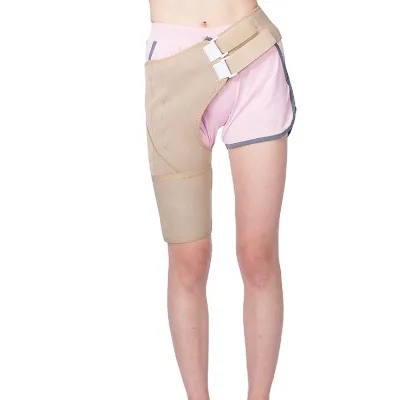
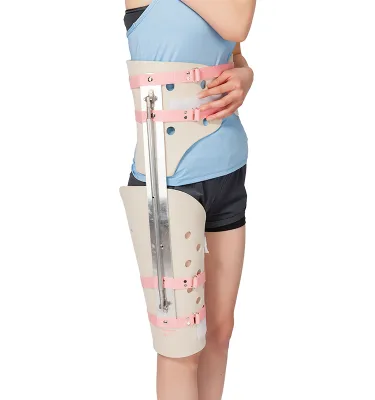
When evaluating adjustable prosthetic suspension straps, buyers must first establish a clear understanding of the technical parameters that define product performance. The market offers a diverse range of configurations, including models designed for specific anatomical sites such as the hip and joint areas. The physical attributes of these straps vary significantly based on the intended application, whether for above-knee or below-knee prosthetics.
A critical observation in the current supply landscape is the variation in product models and sizing. Available specifications include standard sizing ranges such as S, M, L, XL, and XXL, as well as specific model identifiers like FAC-1, ASSSQ11, and ASSSS21. These model numbers often correlate with specific load-bearing capacities or adjustment mechanisms. For instance, some units are designated as "Left and Right" models, indicating specialized geometry for asymmetric fitting, while others are universal. The physical dimensions of the packaging and the product itself are also vital; observed standard dimensions for certain units are 46222cm, which influences logistics planning and storage requirements.
Weight is another decisive factor in the selection process. The market data indicates a wide spectrum of weights, ranging from lightweight options around 300g to heavier, more robust units weighing up to 1.05kg or 460g. This variance suggests that buyers must match the strap weight to the specific prosthetic leg type and the patient's mobility needs. A lighter strap may be preferred for high-activity users to reduce fatigue, whereas a heavier, more durable strap might be necessary for high-load applications. Furthermore, the condition of the product is consistently listed as "New," ensuring that procurement involves fresh inventory rather than refurbished goods. The power supply for these mechanisms is typically manual, relying on user-adjustable tensioning systems rather than electronic components.
Compliance and Certification Verification
In the medical device industry, regulatory compliance is non-negotiable. When sourcing adjustable prosthetic suspension straps, buyers must verify that suppliers possess valid certifications that align with international safety standards. The most prominent certifications observed in the current market include CE marking and ISO standards. Specifically, the presence of CE and ISO13485 certifications is a strong indicator of a supplier's adherence to quality management systems for medical devices.
The CE mark signifies that the product meets the health, safety, and environmental protection standards for products sold within the European Economic Area. ISO13485 is a specific standard for medical device quality management systems, ensuring that the manufacturer maintains consistent quality control processes. It is essential for buyers to request current, valid certificates for these standards rather than relying on general claims. The documentation should explicitly state the scope of the certification, confirming that it covers the manufacturing of prosthetic components.
Additionally, sterilization methods are a key compliance factor. Some products in the supply chain are noted to undergo Ethylene Oxide Sterilization. This process is critical for medical devices that come into direct contact with the skin or residual limbs, as it eliminates pathogens without damaging the material. Buyers should verify the sterilization validation reports to ensure the process was performed correctly and that the packaging maintains sterility until the point of use. The absence of a logo on the product itself, noted as "Without Logo Printing" in some listings, may be a requirement for private-labeling or specific hospital protocols, but it does not diminish the need for regulatory compliance.
Cost Drivers and Pricing Structures
Understanding the cost structure of adjustable prosthetic suspension straps is essential for budgeting and negotiation. The observed price range in the market spans from $1.33 to $490 USD. This significant variance is not arbitrary; it is driven by several key factors including material quality, manufacturing complexity, certification status, and order volume.
The lower end of the price spectrum typically corresponds to basic models with standard specifications, potentially lacking advanced customization or premium certifications. Conversely, the higher price points often reflect specialized models, such as those with specific tilt mechanisms (e.g., "Tilted" or "Non-Tilted" options), custom service capabilities, or higher weight capacities. The "Customization: Available" attribute suggests that bespoke solutions, which may involve unique sizing or material compositions, will command a premium.
Minimum Order Quantity (MOQ) is another critical cost driver. The market shows an MOQ range from 1 set to 2448 units. Suppliers with lower MOQs, such as 1 set or 5 units, may charge a higher unit price to cover setup and administrative costs. In contrast, suppliers requiring bulk orders, such as 10 sets or 10 pairs, often offer more competitive per-unit pricing. Buyers must calculate the total cost of ownership, including shipping and potential inventory holding costs, rather than focusing solely on the unit price. The packaging type, ranging from simple polybags to safe carton boxes and palletized shipments, also impacts the final cost due to differences in material and labor.
Typical Applications and Usage Scenarios
Adjustable prosthetic suspension straps are designed for specific clinical applications, and understanding these use cases is vital for selecting the right product. The primary application is for prosthetic care, specifically for amputees requiring secure limb attachment. The "Target Audience" is explicitly identified as amputees, highlighting the medical necessity of these components.
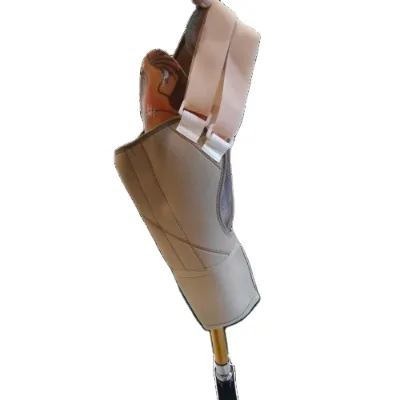
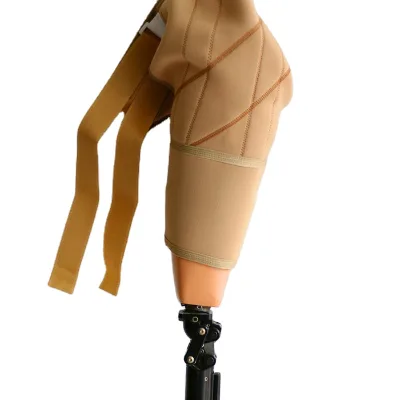
The "Using Site" data indicates that these straps are utilized at the hip and joint areas. This suggests versatility in fitting different levels of amputation, including above-knee and below-knee scenarios. The "Application" field specifically mentions "Prosthetic Ak Leg," confirming their use in above-knee prosthetics. However, the presence of various sizes and models implies adaptability for other configurations as well.
The environment in which the product is used is another consideration. The "Using Ambient" attribute lists both "Indoor" and "Outdoor" capabilities, indicating that the materials are durable enough to withstand varying environmental conditions, including humidity and temperature fluctuations. The "Condition" being "New" and the "Quality Guarantee Period" of one year further assure buyers that the product is designed for long-term, reliable use in daily life. Whether for rehabilitation centers, home care, or active lifestyles, the strap must provide consistent suspension without causing skin irritation or discomfort.
Supplier Evaluation and Service Capabilities
Selecting the right supplier involves more than just comparing product specs; it requires an assessment of service capabilities and logistical reliability. A key attribute observed is "Customized: Customized," which implies that suppliers are willing to engage in collaborative design or modification processes. This is particularly important for specialized medical devices where off-the-shelf solutions may not meet unique patient needs.
The "Service" attribute, described as "You Can Find Us Any Time," suggests a commitment to responsive customer support. In the medical device sector, timely support is crucial for addressing issues related to product fit, technical queries, or supply chain disruptions. Buyers should verify the actual responsiveness of the supplier through trial communications or references from existing clients.
Origin is another factor to consider. The "prod_origin" is listed as China, which is a major hub for medical device manufacturing. While this offers access to a wide range of products and competitive pricing, it also necessitates careful vetting of the supplier's quality control processes. Buyers should inquire about the supplier's track record in exporting to their specific region and their ability to navigate customs and regulatory requirements. The "Standard" attribute mentioning "Can Do Custom Service" reinforces the supplier's flexibility, but buyers must ensure that this flexibility does not compromise quality consistency.
Quality Control and Long-Term Procurement
Ensuring consistent quality is paramount in the procurement of medical devices. The "Quality Guarantee Period" of one year is a standard benchmark, but buyers should look for additional quality assurance measures. This includes verifying the "prod_packing" standards, which range from plastic bags to safe carton boxes and pallets. Proper packaging is essential to prevent damage during transit and to maintain the sterility of the product.
For long-term procurement, buyers should consider the scalability of the supply chain. The "MOQ" varies widely, and suppliers with the ability to handle large volumes (up to 2448 units) are preferable for hospitals or large distributors. However, for smaller clinics, suppliers with low MOQs (1 set) offer greater flexibility. The "Weight" specifications, ranging from 300g to 1.05kg, should be consistent across batches to ensure predictable performance.
Buyers should also establish a clear protocol for receiving inspections. This includes checking for the presence of required certifications (CE, ISO13485), verifying the model numbers against the order, and inspecting the physical condition of the product. The "Standard" attribute listing "S M L XL XXL" or "Adult above knee leg" should be cross-referenced with the actual product received to prevent mismatches. Long-term success in procurement relies on building a relationship with suppliers who can consistently deliver high-quality, compliant products while offering the flexibility to adapt to changing market demands.
Comparative Analysis of Key Product Attributes
To facilitate decision-making, the following table summarizes the key attributes observed in the market for adjustable prosthetic suspension straps. This comparison highlights the diversity of options available and the specific factors buyers must evaluate.
| Attribute Category | Observed Variations | Procurement Consideration |
|---|---|---|
| Certification | CE, ISO, ISO13485 | Verify validity and scope; essential for regulatory compliance. |
| Model Types | FAC-1, ASSSQ11, ASSSS21, 1-Belt, SSQ11 | Match model to specific prosthetic type (e.g., Left/Right, AK leg). |
| Size Range | S, M, L, XL, XXL, Adult | Ensure sizing aligns with patient anatomy and residual limb dimensions. |
| Weight | 300g, 460g, 1.05kg | Select based on patient activity level and comfort requirements. |
| MOQ | 1 Set, 5, 10 Pairs, 10 Sets, up to 2448 | Balance inventory costs with order volume flexibility. |
| Packing | Polybag, Carton, Pallet, Plastic Bag | Assess logistics needs and protection requirements during shipping. |
| Sterilization | Ethylene Oxide Sterilization | Confirm sterility for direct skin contact applications. |
| Customization | Available, Customized | Evaluate need for bespoke solutions vs. standard inventory. |
By systematically analyzing these attributes, buyers can make informed decisions that prioritize patient safety, regulatory compliance, and operational efficiency. The market for adjustable prosthetic suspension straps is robust, offering a wide array of options to meet diverse medical needs. However, the responsibility lies with the procurement professional to navigate this complexity with diligence, ensuring that every component sourced meets the highest standards of quality and performance.
FAQs
What certifications do adjustable prosthetic suspension straps have?
Products typically hold CE and ISO certifications, including ISO13485 for medical devices. These marks confirm compliance with international safety and quality management standards required for prosthetic components used by amputees.
Can I customize the size and model of these straps?
Yes, customization is available for various sizes ranging from S to XXL and specific models like FAC-1. Buyers can request tailored dimensions or left and right configurations to fit specific hip or joint sites.
What is the minimum order quantity for these prosthetic parts?
Minimum order quantities vary significantly, ranging from as low as 1 set to as high as 2448 units depending on the supplier. Some vendors require 10 sets or 10 pairs, while others accept single unit orders.
How are these straps packaged for shipping and protection?
Packaging options include polybags, safe carton boxes, and palletized shipments to ensure product safety. Specific dimensions like 46*22*2cm are noted for certain models to assist in logistics planning and storage requirements.
Are these products suitable for both indoor and outdoor use?
Yes, the straps are designed for use in both indoor and outdoor environments. They are built to withstand varying conditions while providing secure suspension for amputees at hip and joint sites.
What is the weight range for these prosthetic suspension components?
Weights vary by model, with options ranging from 300g to 1.05kg or 460g. Buyers should select the appropriate weight based on the specific prosthetic leg type and the patient's mobility needs.
Is sterilization included for medical compliance with these straps?
Some products undergo Ethylene Oxide Sterilization to ensure they are safe for direct contact with skin. This process is critical for medical devices intended for amputees to prevent infection and ensure hygiene.