Find Adjustable Rocker Impact Sprinkler for farms, gardens, and forestry
Source 30 Adjustable Rocker Impact Sprinkler units from verified Chinese manufacturers. Buyers can compare flow rates, working pressures, and nozzle diameters to select the right equipment for irrigation and drainage needs.
Key considerations
Products List


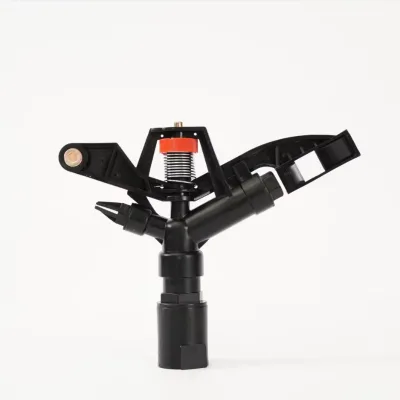
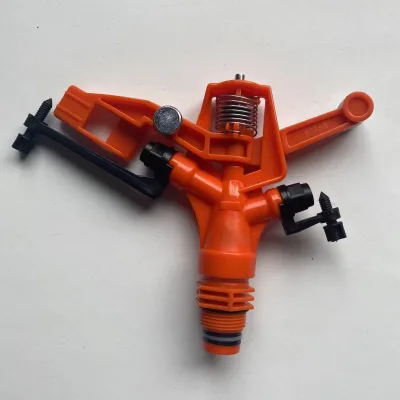
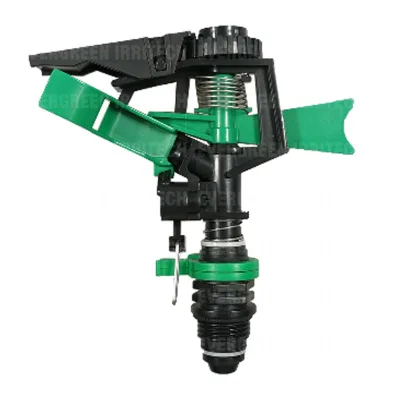
Versatile 360 Rotating Impact Rocker Arm Sprinkler for Gardens and Lawns Irrigation
$13.50 - $15.00
MOQ: 100 Pieces


360 Degree Long Distance Spraying Metal Rain Gun Sprinkler for Sprinkler System
$13.50 - $15.00
MOQ: 100 Pieces
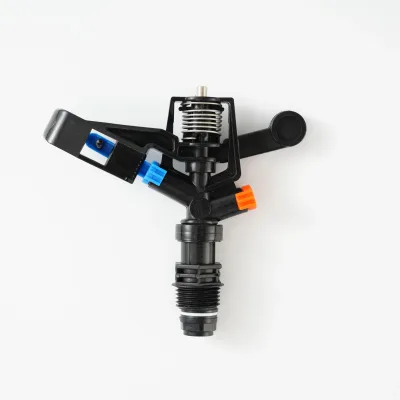
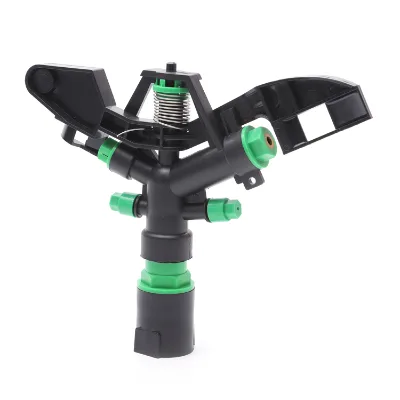
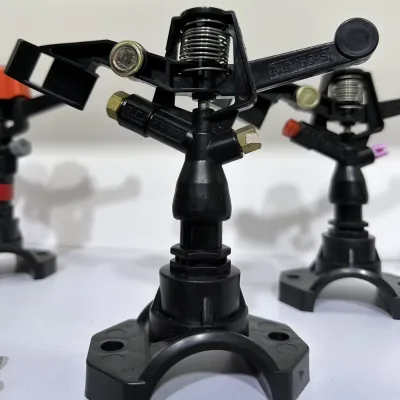
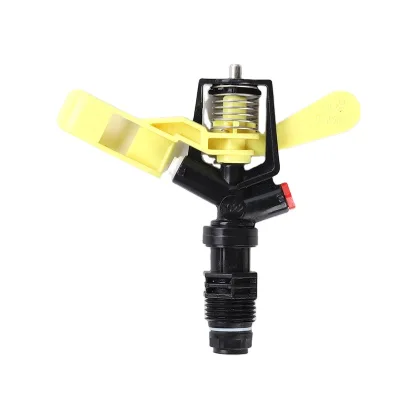


Comprehensive Sourcing Guide
Strategic Sourcing Guide for Adjustable Rocker Impact Sprinklers
The global agricultural and landscaping sectors rely heavily on efficient water distribution systems to maintain crop yields and landscape aesthetics. Among the various technologies available, the Adjustable Rocker Impact Sprinkler stands out as a robust solution for large-scale irrigation and drainage needs. For procurement professionals, navigating the market for these specific units requires a disciplined approach that balances technical specifications with supply chain reliability. This guide provides a comprehensive framework for sourcing adjustable rocker impact sprinklers, grounded in observed market data and verified product attributes.
Technical Specifications and Performance Parameters
When evaluating adjustable rocker impact sprinklers, buyers must first scrutinize the core technical specifications that define operational efficiency. The market data indicates a diverse range of models, each tailored to specific flow and pressure requirements. A critical observation from current listings is the variation in nominal diameter, which directly influences the volume of water the unit can handle. Common specifications include a nominal diameter of 50mm, suitable for higher flow applications, while other models feature a 40mm diameter for more moderate usage scenarios.
The working pressure range is another pivotal factor. Observed data suggests that these units typically operate within a range of 2 to 5 bar, with some variants capable of handling up to 6 bar. This pressure tolerance dictates the pump requirements and the hydraulic design of the irrigation network. Buyers should verify that the selected sprinkler matches the available system pressure to prevent mechanical failure or inefficient spray patterns.
Flow rates are equally significant, with observed ranges spanning from 12.9 cubic meters per hour to 81.9 cubic meters per hour. This wide variance allows for customization based on the specific acreage and crop water requirements. The spray range is similarly variable, with data points indicating coverage from 25 meters up to 57 meters, and in some heavy-duty configurations, a range diameter extending from 40 to 100 meters. The nozzle diameter plays a crucial role in determining the spray pattern; standard nozzles range from 10mm to 30mm, with specific configurations available in 14mm, 16mm, 18mm, 20mm, 22mm, and 24mm sizes.
The physical construction of the sprinkler also impacts longevity. Materials observed in the market include metal and PP (polypropylene). Metal constructions are often preferred for their durability in industrial forestry and agriculture settings, while PP units may offer corrosion resistance and lighter weight. The interface mode is predominantly flange connection, ensuring a secure and leak-proof integration into existing piping systems. Additionally, the spray head tilt angle is a specific feature, with observed values around 23 degrees, which aids in the adjustable rocker mechanism's ability to distribute water evenly.
Compliance, Certification, and Safety Standards
In the B2B procurement of irrigation machinery, compliance with international standards is non-negotiable. The presence of CE and ISO9001 certifications in product listings signals that manufacturers adhere to specific quality management and safety protocols. The CE marking indicates conformity with health, safety, and environmental protection standards for products sold within the European Economic Area, while ISO9001 certification validates the manufacturer's commitment to consistent quality control processes.
Buyers must treat these certifications as verification points rather than automatic guarantees. It is essential to request valid certification documents directly from the supplier to ensure they are current and applicable to the specific model being purchased. The product condition is typically listed as "New," which implies that the units are manufactured to current standards rather than being refurbished or surplus stock.
Furthermore, the origin of the product is a key compliance factor. Major manufacturing hubs identified in the market include Xuzhou and Fuzhou in China. These regions have established supply chains for agricultural machinery, but buyers should verify the specific factory location to ensure it aligns with their sourcing strategy regarding logistics and trade agreements. The packaging standards, such as export cartons or specific carton dimensions (e.g., 602320.5cm or 722225.5cm), also play a role in ensuring the product arrives undamaged and compliant with shipping regulations.
Cost Drivers and Pricing Dynamics
Understanding the cost structure of adjustable rocker impact sprinklers is vital for budget planning. The observed price range in the market spans from $0.13 to $79 USD. This wide disparity is not indicative of a single product type but rather reflects the diversity of models, materials, and included features. Lower-priced units often correspond to smaller nominal diameters, simpler materials like PP, or basic configurations with limited flow rates. Conversely, higher-priced units typically feature metal construction, larger diameters, higher flow capacities, and more complex nozzle assemblies.
The Minimum Order Quantity (MOQ) is another significant cost driver. Market data shows an MOQ range from 1 to 5000 units. Buyers purchasing small quantities may face a higher per-unit cost due to the lack of economies of scale, while those ordering in bulk can negotiate better pricing. The packaging weight also influences shipping costs; for instance, a unit with a gross weight of 12kg will incur higher freight charges than a 4.2kg unit, even if the purchase price is similar.
Buyers should also consider the "Saving Water" feature as a value driver. While this may not directly lower the upfront purchase price, it reduces long-term operational costs by optimizing water usage. Models explicitly labeled with this feature often command a premium but offer a higher return on investment through reduced water bills and improved crop health.
Typical Applications and Usage Scenarios
Adjustable rocker impact sprinklers are versatile tools designed for a broad spectrum of applications. The primary usage fields identified are agriculture and forestry. In agriculture, these sprinklers are essential for crop irrigation, ensuring that fields receive uniform water distribution. The "Drainage & Irrigation Mode" of Sprinkler Irrigation Equipment makes them particularly effective for large, open fields where traditional drip systems might be impractical.
The specific application field extends to "Pumping Irrigation" systems, where the sprinkler is integrated with pumps to move water from a source to the field. The "Ground Drainage and Irrigation Machinery Type" classification highlights their dual functionality in managing water levels, preventing waterlogging while ensuring adequate hydration. For forestry applications, the robust construction and wide spray range are crucial for maintaining tree health in large, often remote areas.
The "Garden Impact Sprinkler" designation also points to landscaping applications. In this context, the adjustable nature of the rocker mechanism allows for precise control over water distribution, making it suitable for parks, golf courses, and large residential properties. The "Farm" application is a recurring theme, emphasizing the durability required for daily, heavy-duty use in agricultural settings.
Supplier Evaluation and Sourcing Strategy
Selecting the right supplier is as critical as selecting the right product. When evaluating potential partners, buyers should prioritize those who provide clear, verifiable product attributes. The availability of customization is a key indicator of a supplier's flexibility. Suppliers offering "Customization: Available" can tailor nozzle sizes, materials, or connection types to meet specific project requirements, which is often necessary for large-scale infrastructure projects.
The origin of the product, specifically Xuzhou and Fuzhou, China, should be verified. These locations are known for their manufacturing capabilities, but buyers must ensure the supplier has a track record of exporting to their region. The packing specifications, such as "Export Carton" or "1/200" packing ratios, provide insight into the supplier's logistics capabilities. A supplier that uses standardized, robust packaging is less likely to suffer from product damage during transit.
Buyers should also assess the supplier's response to the "Product Weight" and "Package Weight" data. Discrepancies between the listed weight and the actual shipped weight can lead to unexpected shipping costs. Transparency in these details is a hallmark of a reliable supplier. Additionally, the "Interface Mode" of Flange Connection should be confirmed to ensure compatibility with existing infrastructure, as mismatched interfaces can lead to costly retrofits.
Quality Control and Long-Term Procurement Considerations
Quality control in the procurement of irrigation equipment involves more than just checking the initial product. Buyers should establish a protocol for verifying the "Working Pressure" and "Flow Rate" upon receipt. Given the observed ranges of 2-5 bar and 12.9-81.9m3/H, it is essential to test the units under actual operating conditions to ensure they meet the specified performance metrics. The "Spray Head Tilt Angle" of 23 degrees should also be measured to confirm the adjustable mechanism functions correctly.
Long-term procurement considerations include the availability of spare parts and the durability of the materials. Metal construction units generally offer better longevity in harsh environments compared to PP units, but the latter may be preferred for their resistance to corrosion in specific chemical environments. The "Product Specification" dimensions (e.g., 8122.528cm) should be cross-referenced with storage and installation requirements to ensure the equipment fits within the designated space.
Finally, buyers should consider the environmental impact and efficiency of the sprinklers. The "Saving Water" feature is not just a marketing term but a critical factor in sustainable agriculture. By selecting units that optimize water distribution, buyers can reduce waste and lower operational costs over the lifespan of the equipment. Regular maintenance schedules and the availability of technical support from the supplier are also essential for ensuring the long-term reliability of the irrigation system.
Comparative Analysis of Key Product Models
To facilitate decision-making, the following table summarizes the key differences between observed product models based on the provided data. This comparison highlights the variations in specifications that buyers must consider when selecting the appropriate unit for their specific needs.
| Feature | Model DLW50 | Model DLPL45 | Model RS5022-2 | Model DFS |
|---|---|---|---|---|
| Nominal Diameter | 50mm | 40mm | 50mm | Not Specified |
| Nozzle Diameter | 14mm-30mm | 10mm-24mm | 10mm-24mm | Not Specified |
| Working Pressure | 2-5 bar | Not Specified | Not Specified | Not Specified |
| Material | Metal | Not Specified | PP | Not Specified |
| Product Weight | 4.2kg | Not Specified | Not Specified | Not Specified |
| Origin | Xuzhou, China | Not Specified | Fuzhou | Fuzhou, China |
| Packing Standard | 602320.5cm | 722225.5cm | 1pcs | 543528 |
| Application | Forestry, Agriculture | Not Specified | Farm | Not Specified |
This table illustrates that while some models share similar origins and applications, their technical specifications vary significantly. The DLW50, for instance, offers a wider nozzle range and a specific working pressure range, making it suitable for high-pressure applications. In contrast, the RS5022-2 utilizes PP material, which may be lighter but less durable in extreme conditions. Buyers must align these specifications with their project requirements to ensure optimal performance.
In conclusion, sourcing adjustable rocker impact sprinklers requires a meticulous approach that integrates technical verification, compliance checks, and strategic supplier evaluation. By focusing on the observed data and adhering to the principles of evidence-based procurement, buyers can secure high-quality irrigation solutions that meet their operational needs while minimizing risk and cost.
FAQs
What certifications do adjustable rocker impact sprinklers have?
These units typically hold CE and ISO9001 certifications to ensure safety and quality management. Buyers should verify these documents directly with the supplier to confirm they apply to the specific model being purchased.
How does the working pressure affect sprinkler performance?
The working pressure usually ranges from 2 to 6 bar, which dictates the pump requirements and spray efficiency. Selecting a unit that matches your system pressure prevents mechanical failure and ensures optimal water distribution.
Which materials are used for adjustable rocker impact sprinklers?
Common materials include metal and PP polypropylene, chosen for durability or corrosion resistance. Metal constructions are often preferred for industrial forestry, while PP offers lighter weight and specific chemical resistance.
Can buyers customize the nozzle diameter for these sprinklers?
Yes, customization is available for nozzle diameters ranging from 10mm to 30mm depending on the model. This allows procurement professionals to tailor the spray pattern to specific acreage and crop water requirements.
What is the typical flow rate for these irrigation units?
Flow rates span from 12.9 to 81.9 cubic meters per hour based on the nominal diameter and model. This variance allows for customization based on the specific water volume needs of the agricultural or forestry project.
Where are these sprinklers typically manufactured?
Major manufacturing hubs for these units are located in Xuzhou and Fuzhou, China. Buyers should verify the specific factory location to ensure it aligns with their logistics strategy and trade agreement requirements.
How is the product packed for international shipping?
Products are generally packed in export cartons with specific dimensions like 60 by 23 by 20.5 cm. Standard packaging ensures the equipment arrives undamaged and complies with international shipping regulations.