Source Adjustable Rotatable Bike Mirror for E-Bikes, Bicycles, and Scooters
Compare 30 Adjustable Rotatable Bike Mirror listings from verified Chinese manufacturers. Buyers can evaluate materials, mounting sizes, and customization options to find the right cycling equipment for various handlebar diameters.
Key considerations
Products List
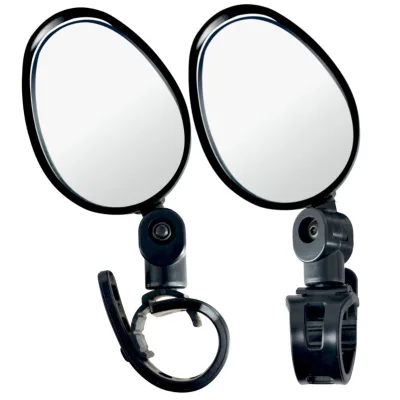
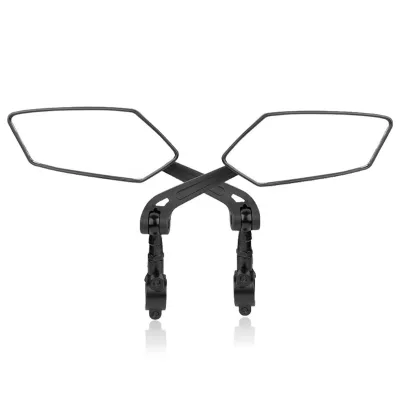
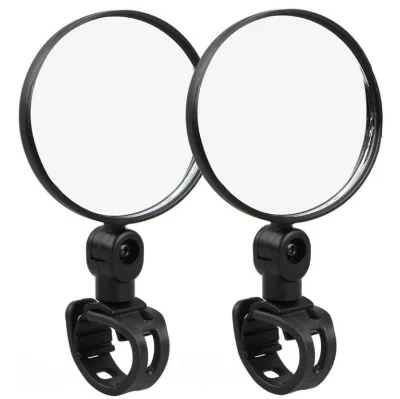

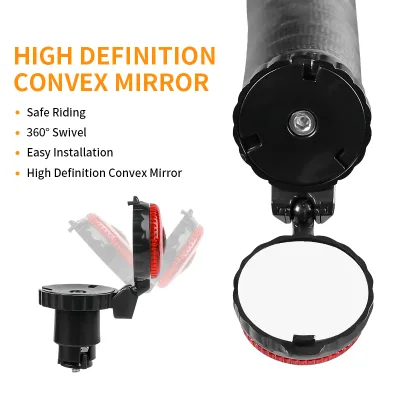
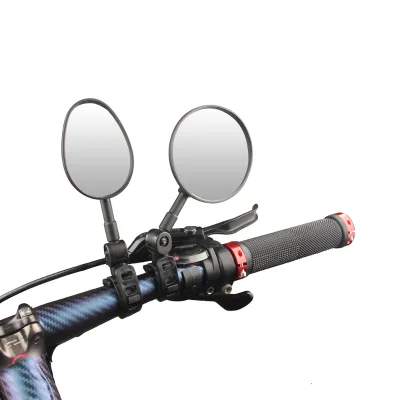
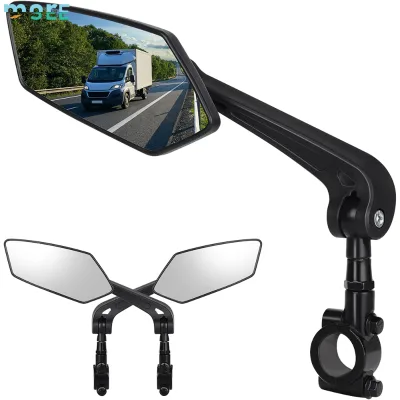
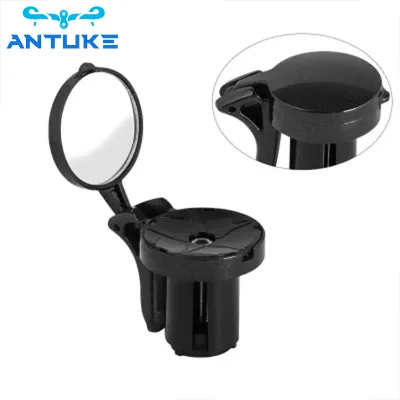
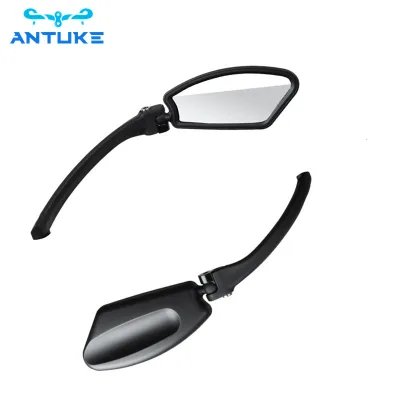
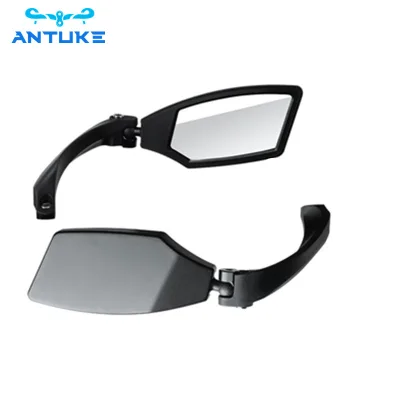
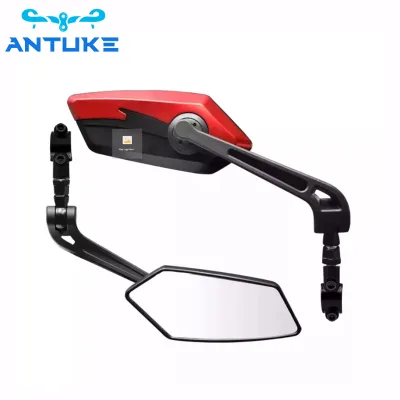
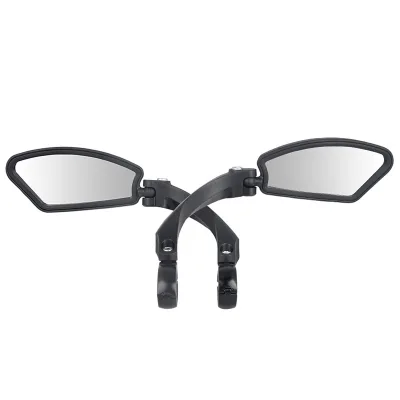
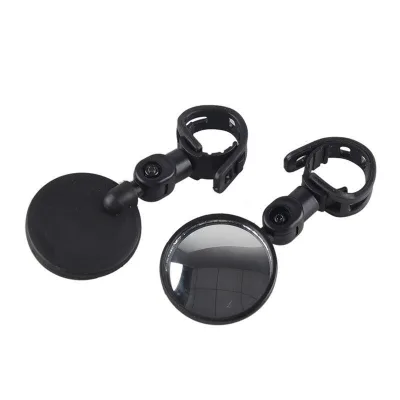
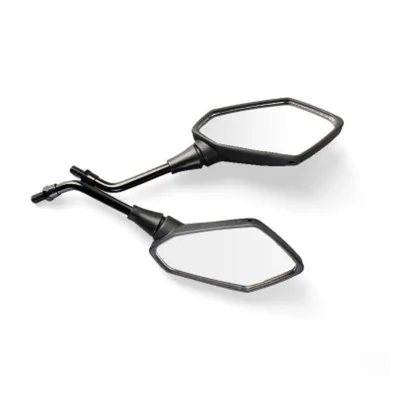
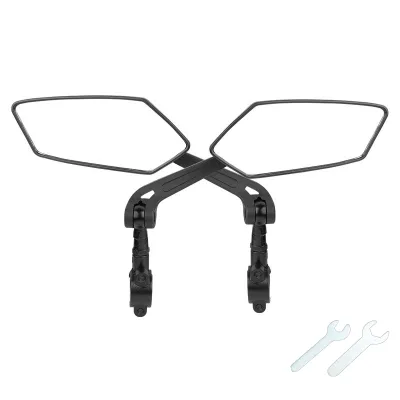
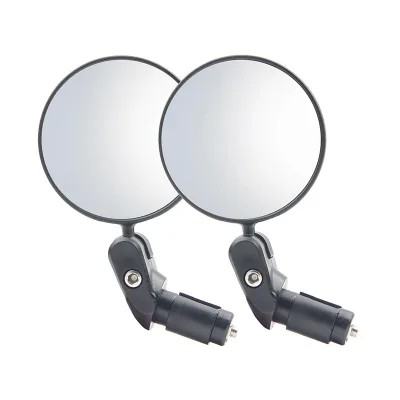


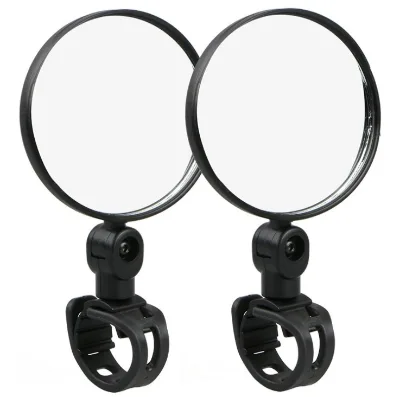
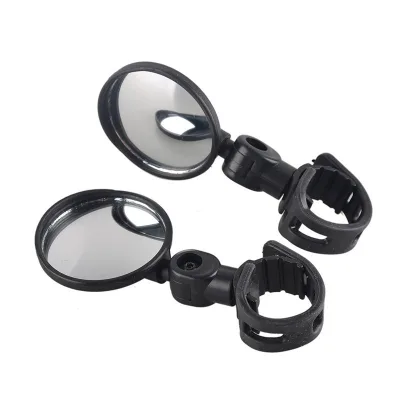
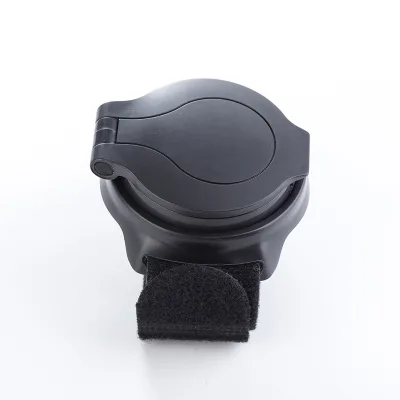
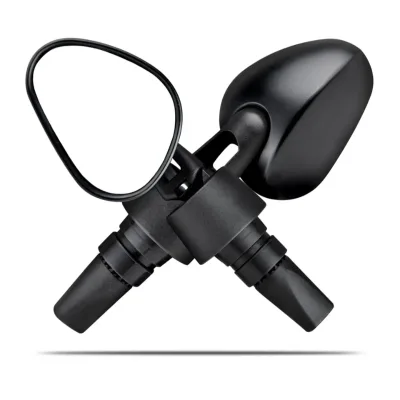
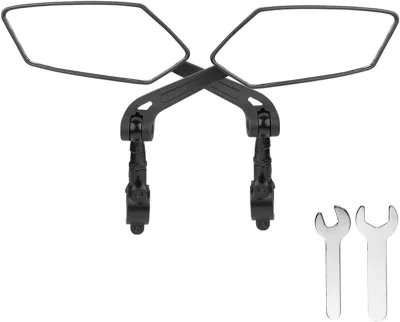


Comprehensive Sourcing Guide
Strategic Sourcing Guide for Adjustable Rotatable Bike Mirrors
Understanding the Product Category and Core Functionality
The global market for bicycle accessories has seen a steady expansion, with a particular emphasis on safety and visibility. Among these components, the Adjustable Rotatable Bike Mirror stands out as a critical safety device for cyclists, ranging from casual commuters to serious road racers and e-bike users. These devices are designed to provide rearward visibility without requiring the rider to turn their head excessively, thereby maintaining forward focus and reducing accident risks. The core functionality of these mirrors relies on a robust mounting mechanism that allows for 360-degree rotation or multi-axis adjustment. This feature ensures that the mirror can be positioned to offer an optimal field of view regardless of the rider's posture or the specific geometry of the bicycle handlebar.
In the current supply landscape, these products are primarily manufactured in China, with production hubs located in provinces such as Anhui, Guangdong, and Jiangsu. The market offers a diverse range of models, from simple rubber-and-glass constructions to more complex units featuring aluminum and stainless steel components. Buyers must recognize that while the fundamental purpose remains consistent, the execution varies significantly based on the intended application, such as standard bicycles, electric bikes, or specialized cycling equipment. The versatility of these mirrors is often highlighted by their suitability for handlebars with diameters ranging from 15mm to 30mm, ensuring compatibility with a wide array of bicycle frames. Understanding these foundational attributes is the first step in developing a successful procurement strategy for this specific category.
Technical Specifications and Material Composition
When evaluating adjustable rotatable bike mirrors, technical specifications serve as the primary differentiator between low-cost, disposable units and durable, high-performance equipment. The material composition is a critical factor in determining the longevity and safety of the product. Market observations indicate a split in material choices, with some manufacturers utilizing rubber and glass for the mirror head, while others opt for plastic or a combination of aluminum and stainless steel. The use of aluminum with an electro-discharge (ED) black finish and stainless steel components suggests a focus on corrosion resistance and structural integrity, which is essential for outdoor cycling applications where exposure to rain and varying temperatures is common.
Dimensions and weight are equally important specifications that influence the rider's experience. The mirror head itself often measures approximately 7cm by 5cm or 4.4cm by 4.9cm, depending on the model. However, the packaging dimensions can vary drastically, with some single packages measuring 15x5x5 cm while others, particularly those with integrated lighting or larger housings, may reach 55x5x52 cm. This discrepancy in packaging size often correlates with the inclusion of additional features, such as LED lights, or the presence of bulk packaging configurations. Weight is another key metric; individual units can range from as light as 60 grams to over 130 grams, with some bulk packaging scenarios indicating a single gross weight of up to 11 kg for a full carton. Buyers should verify the specific weight of the unit they intend to purchase, as heavier mirrors may add unnecessary drag or imbalance to the handlebar, potentially affecting the handling characteristics of the bicycle.
| Specification Category | Common Observation A | Common Observation B | Common Observation C |
|---|---|---|---|
| Primary Material | Rubber, Glass | Plastic | Aluminum ED Black, Stainless Steel |
| Mirror Dimensions | 7 x 5 cm | 4.4 x 4.9 cm | Variable (Model dependent) |
| Handlebar Fit | 15-30 mm | Universal | Most cycling models |
| Single Unit Weight | 60g | 130g | Varies by material density |
| Adjustment Feature | 360 Degree Rotate | Adjustment | Multi-axis rotation |
| Packaging Size | 15 x 5 x 5 cm | 10 x 5 x 3 cm | 55 x 5 x 52 cm |
Compliance, Certification, and Safety Verification
While the supplied data does not explicitly list specific certification statuses for all listed products, the procurement of safety-critical bicycle accessories necessitates a rigorous approach to compliance. Buyers should be aware that standards such as ISO 27001 are sometimes referenced in the broader industry context, though this specific standard typically relates to information security rather than product safety. For physical bicycle mirrors, the focus should be on verifying compliance with local safety regulations regarding visibility and mounting stability.
Buyers must not assume that a product listing implies automatic certification. Instead, the procurement process should include a direct request for test reports and compliance documentation from the supplier. Key areas of verification include the structural integrity of the mounting clamp to ensure it does not loosen during vibration, the optical clarity and distortion levels of the mirror glass, and the durability of the adjustment mechanism. In markets with strict safety requirements, such as the European Union or North America, suppliers may need to provide evidence that their products meet specific bicycle accessory standards. The absence of a listed certification in a product description should trigger a deeper inquiry rather than an assumption of non-compliance. Buyers should also verify the "private mold" status of the product; the presence of a private mold often indicates a higher level of customization and quality control, whereas "no private mold" may suggest a generic, off-the-shelf product with less tailored engineering.
Cost Drivers and Pricing Dynamics
The pricing of adjustable rotatable bike mirrors is influenced by a complex interplay of factors, including material costs, manufacturing complexity, and order volume. The observed price range in the market spans from approximately $0.30 to $5.12 USD per unit, a significant variance that reflects the differences in quality and feature sets. The lower end of this spectrum typically corresponds to basic plastic or rubber-and-glass models with simple adjustment mechanisms. In contrast, the higher price points are often associated with mirrors featuring aluminum and stainless steel construction, integrated lighting systems, or specialized branding.
Order volume plays a pivotal role in determining the final unit cost. Minimum Order Quantities (MOQs) in this category vary widely, with some suppliers accepting orders as low as 10 pieces, while others require bulk commitments of 100 pairs or even 240 pieces. The disparity in MOQs often correlates with the customization level; suppliers offering customized logos or private molds typically enforce higher MOQs to justify the setup costs. Additionally, the packaging configuration impacts the logistics cost. Units shipped in individual OPP bags may have different cost structures compared to those packed in bulk cartons containing 200 pieces. Buyers should calculate the total landed cost, including shipping and duties, rather than focusing solely on the unit price, as the cost per piece can fluctuate significantly based on the chosen packaging and volume tier.
Supplier Evaluation and Operational Capabilities
Selecting the right supplier for adjustable rotatable bike mirrors requires a thorough evaluation of their operational capabilities and geographic location. The majority of manufacturers in this sector are based in China, with specific clusters in Anhui, Guangdong, and Jiangsu provinces. Each region may offer distinct advantages in terms of supply chain efficiency, material sourcing, and labor costs. For instance, suppliers in Guangdong might have more experience with high-volume electronics integration if the mirror includes lighting features, while those in Jiangsu or Anhui might specialize in metalworking and durable plastic molding.
Buyers should assess the supplier's flexibility regarding branding and customization. Many suppliers in this market offer OEM and ODM services, allowing for the acceptance of customized logos and specific design modifications. However, the feasibility of these services depends on the supplier's capacity and the MOQ requirements. A supplier that accepts a low MOQ of 10 pieces may not be suitable for a large-scale branding campaign, whereas a supplier requiring 240 pieces might be too restrictive for a test market launch. Furthermore, the "single gross weight" and "single package size" provided in product listings are critical for logistics planning. Discrepancies in these figures, such as a reported weight of 0.0 kg versus 0.065 kg, highlight the need for buyers to verify actual shipping data to avoid unexpected freight costs.
Quality Control and Inspection Protocols
Implementing a robust quality control (QC) protocol is essential for ensuring that the supplied adjustable rotatable bike mirrors meet the required standards. Given the variability in materials and construction, buyers should establish clear inspection criteria before production begins. Key quality checkpoints include the verification of the 360-degree rotation mechanism to ensure smooth movement without slippage, the integrity of the handlebar clamp to prevent loosening, and the optical quality of the mirror surface.
For products claiming to be suitable for handlebars of 15-30mm, physical testing is necessary to confirm the fitment range. Buyers should request samples that cover the full spectrum of handlebar diameters to validate the supplier's claims. Additionally, the durability of the materials should be tested, particularly for units exposed to outdoor elements. For aluminum and stainless steel models, checks for corrosion resistance and finish quality are paramount. The packaging integrity is also a critical QC point, as the single package size and gross weight must align with the shipping documentation to prevent damage during transit. Buyers should consider engaging third-party inspection agencies to conduct pre-shipment inspections, focusing on random sampling from the production batch to ensure consistency across the order.
Long-Term Procurement and Market Considerations
Sourcing adjustable rotatable bike mirrors is not merely a transactional activity but a strategic decision that impacts the long-term viability of a buyer's product line. The market for cycling equipment is dynamic, with trends shifting towards more integrated and smart features. Buyers should monitor the evolution of product designs, such as the increasing inclusion of LED lights or enhanced adjustment mechanisms, to stay competitive. The ability of the supplier to adapt to these trends is a key indicator of their long-term value.
Furthermore, the supply chain resilience of the supplier is crucial. With production concentrated in specific regions of China, buyers should assess the supplier's contingency plans for potential disruptions, such as raw material shortages or logistical bottlenecks. The availability of customized branding options allows buyers to build a distinct market identity, but this requires a reliable partner who can maintain consistent quality over multiple production runs. Buyers should also consider the environmental impact of their sourcing decisions, looking for suppliers who utilize sustainable materials or manufacturing processes where possible. By maintaining a proactive approach to supplier relationships and continuously evaluating market trends, buyers can secure a steady supply of high-quality adjustable rotatable bike mirrors that meet the evolving needs of the global cycling community.
FAQs
What materials are used for adjustable rotatable bike mirrors?
These mirrors are constructed from rubber, glass, plastic, or aluminum with stainless steel. The specific material depends on the model, with some units featuring an ED black finish for corrosion resistance while others use basic plastic or rubber components.
Which handlebar sizes fit these bicycle mirrors?
Most models are suitable for handlebars ranging from 15mm to 30mm in diameter. Some universal variants are designed to fit most cycling models, ensuring compatibility with a wide array of bicycle frames and e-bike setups.
How can I customize the logo on these mirrors?
Customized logos are accepted on many units, allowing for brand integration. This service typically requires meeting specific minimum order quantities, which can range from 10 pieces to 240 pieces depending on the supplier and customization level.
What is the minimum order quantity for these mirrors?
Minimum order quantities vary significantly, with some suppliers accepting orders as low as 10 pieces. Other manufacturers may require bulk commitments of 100 pairs or 240 pieces to justify setup costs for customized or private mold products.
Can these mirrors rotate 360 degrees for better visibility?
Yes, many models feature a 360-degree rotation capability to optimize the field of view. This adjustment feature allows riders to position the mirror for rearward visibility without excessive head turning, enhancing safety during cycling.
Where are these bicycle mirrors manufactured?
Production is primarily located in China, with hubs in Anhui, Guangdong, and Jiangsu provinces. The specific origin depends on the manufacturer, with some units originating from Anhui while others come from Guangdong or Jiangsu facilities.