Source Adjustable Steel Cantilever Shelf Rack for Warehouse, Industrial, Food
Find 30 Adjustable Steel Cantilever Shelf Rack options for warehouse, industrial, and food storage needs. Buyers can compare specifications, load capacities, and customization features from verified suppliers in Nanjing, China.
Key considerations
Products List


Wholesale Cantilever Warehouse Steel Rack Heavy-Duty Cantilever Shelves
$500.00 - $3500.00
MOQ: 10 Pieces

Customize Hot Sale Cantilever Rack Cantilevered Shelves for Warehouse
$100.00 - $500.00
MOQ: 10 Pieces


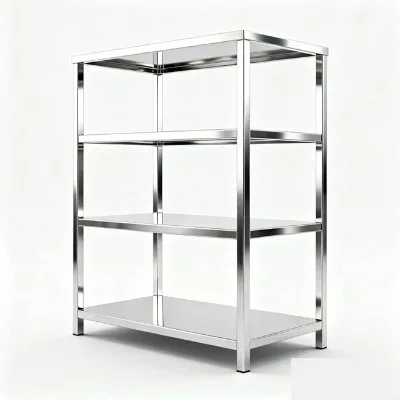


Adjustable Light-Duty Storage Shelving Steel Organizer Wire Rack Storage Shelf
$35.00 - $45.00
MOQ: 100 Pieces


Comprehensive Sourcing Guide
Strategic Sourcing Guide for Adjustable Steel Cantilever Shelf Racks
Navigating the global market for industrial storage solutions requires a precise understanding of product attributes, supply chain logistics, and compliance requirements. For buyers seeking an Adjustable Steel Cantilever Shelf Rack, the procurement process involves evaluating specific structural capabilities, material integrity, and customization potential. The following guide synthesizes observed market data and technical facts to provide a disciplined framework for sourcing these critical storage assets. This analysis focuses on the intersection of conventional and new-type developments, ensuring that procurement decisions are grounded in verifiable product characteristics rather than speculative claims.
Technical Specifications and Structural Configuration
The core of any cantilever rack system lies in its structural design and material composition. Based on available product data, the Adjustable Steel Cantilever Shelf Rack is predominantly constructed from Steel, with specific raw materials often identified as Q235 or Stainless Steel 201. The choice between carbon steel and stainless steel is a primary technical decision point, influenced by the intended environment. While Q235 steel is standard for general industrial applications, Stainless Steel 201 is observed in contexts requiring higher corrosion resistance, such as food preparation areas or commercial kitchens.
The structural configuration varies significantly across listings. The primary structure is defined as a Cantilever Rack, characterized by arms extending from a central column to support long or bulky items. However, some variations are categorized under Layer Frame or Shelving types, indicating a hybrid approach where flat plates are utilized alongside cantilever arms. The Mobility attribute presents a dichotomy in the market: some units are Adjustable (fixed base with movable arms) while others are explicitly Mobile, suggesting the inclusion of casters or wheels, though specific data notes that Casters Included is often No, implying that mobility may be an optional add-on or a specific model variant.
Dimensions and load capacities are critical technical parameters. The Weight of the units ranges from 150kg to 500kg, with specific load capacities noted as 500kg or 500kg/㎡. The Height of the racks is highly flexible, with observed ranges spanning from 0 to 5 meters, allowing for vertical space optimization in warehouses with high ceilings. The Scale of operation is categorized as Heavy Duty or Medium Duty, which dictates the thickness of the steel components. Thickness specifications observed include 0.6 mm and 0.8 mm, which buyers must correlate with their specific load requirements to ensure safety and longevity.
Material Integrity and Surface Treatment Processes
The longevity of a cantilever rack is directly tied to its surface treatment and material quality. The standard process for protecting the steel base is Powder Coating, which provides a durable finish resistant to chipping and scratching. For applications requiring a specific aesthetic or enhanced hygiene, a Polished Finish is also available. The Color options are diverse, typically offering Blue, Orange, or fully Customized finishes to match corporate branding or safety color-coding standards.
Corrosion protection is a highlighted feature, particularly for racks intended for use in Food, Beverage, or Industrial environments where moisture or chemical exposure is a risk. The Feature list explicitly mentions Corrosion Protection, reinforcing the importance of the surface treatment process. When sourcing, buyers should verify that the Surface Treatment is applied uniformly to all structural members, including the arms and columns, to prevent localized rusting that could compromise the Weight capacity. The Raw Material specification of Q235 is a standard structural steel grade, but buyers should confirm the exact grade and mill test reports to ensure the material meets the required yield strength for the intended Scale of operation.
Compliance, Certification, and Standard Verification
In the realm of industrial procurement, compliance is non-negotiable. The observed market data indicates that CE certification is a common attribute for these products, with some listings explicitly stating CE certfication (noting the spelling variation in source data, but the intent is clear). This certification is crucial for products entering the European market or those adhering to international safety standards. However, buyers must exercise caution; while CE is listed as a high-confidence fact, other standards like ASTM A325 appear in low-confidence background data and should not be assumed without direct verification from the supplier.
The Standard for the product is often listed as Customized, reflecting the bespoke nature of many racking systems. Specific dimensions are sometimes provided as a standard reference, such as 20006002000, but the Dimension attribute also notes that Customized (Special Sizes Also Available) is a primary offering. This flexibility allows for tailoring the rack to specific warehouse layouts. Buyers should request documentation proving that the Standard dimensions and load ratings have been validated against relevant engineering codes, rather than relying solely on the supplier's marketing claims. The Certification status should be verified through official channels, ensuring that the CE mark is valid and traceable to a notified body.
Cost Drivers and Procurement Economics
Understanding the cost structure of adjustable steel cantilever racks is essential for budget management. The observed Price Range in the market spans from 0.5 to 3500 USD, a vast range that reflects the diversity in Scale, Material, and Customization. A unit priced at the lower end likely represents a standard, medium-duty configuration with minimal customization, while the higher end reflects heavy-duty, mobile, or fully custom-engineered solutions.
Several factors drive these costs. Customization is a primary cost driver; the ability to adjust Height, Width, and Layer configurations adds to the manufacturing complexity. The Material choice is another significant factor; Stainless Steel 201 will inherently cost more than standard Q235 steel due to material costs and processing requirements. Surface Treatment also influences price, with specialized Powder Coating or Polished Finishes adding to the unit cost.
The MOQ (Minimum Order Quantity) ranges from 1 to 1000, offering flexibility for small-scale buyers but potentially impacting unit economics for larger orders. Lead Time is observed at 15 Days, which is a critical factor for project planning. Buyers must account for this timeline when scheduling warehouse renovations or new facility setups. Packing methods, such as Packed in Bundles with Plwood Pallet or Knockdown Packing with Air Bubble Film Package, also affect shipping costs and damage risk during transit. Efficient packing is vital for maintaining the Safe condition of the racks during delivery.
Typical Applications and Usage Scenarios
The versatility of the Adjustable Steel Cantilever Shelf Rack is evident in its wide range of Usage applications. These units are designed for Warehouse Rack, Industrial, Food, Supermarket, Tools, Clothing, Beverage, and Tool Rack environments. The Application data further specifies use in Commercial Kitchen Storage, Food Preparation Areas, and Storage Shelves & Racks, highlighting the adaptability of the design for both heavy industrial and hygienic commercial settings.
The Structure type, specifically the Cantilever Rack, makes these units ideal for storing long, irregular items such as pipes, lumber, or metal bars, which cannot be easily stored on conventional pallet racking. The Multi-Level Racking capability allows for vertical stacking, maximizing floor space in facilities with limited square footage. The Closed attribute varies between Open and Semi-closed, offering options for security and visibility. Open configurations provide easy access and visibility, suitable for high-turnover environments, while Semi-closed designs may offer better protection for sensitive items.
Supplier Evaluation and Quality Control Protocols
When evaluating potential suppliers, buyers should focus on the Development stage of the product. The market offers both Conventional and New Type developments. Conventional designs are proven and reliable, while New Type innovations may offer improved efficiency or space utilization. The Origin of the products is predominantly Nanjing China or generally China, with specific locations like Nanjing, Jiangsu, China noted. Buyers should verify the manufacturing location to ensure it aligns with their sourcing strategy regarding logistics and trade compliance.
Quality control should be a central part of the evaluation process. Buyers must verify the Weight and Load Capacity claims through third-party testing or on-site inspections. The Layers of the rack should be confirmed as Can Be Customized, ensuring that the final product meets the specific storage needs of the facility. The Product Type should be clearly defined as either Shelving or Cantilever Rack to avoid confusion in ordering.
Long-Term Procurement and Maintenance Considerations
Long-term value is determined by the durability and serviceability of the rack system. The Serviceability is noted as Common Use, indicating that these units are designed for standard operational cycles. However, the Feature of Corrosion Protection is vital for extending the lifespan of the rack, especially in harsh environments. Buyers should plan for regular maintenance, including inspections of the Powder Coating for chips or scratches that could lead to rust.
The Packing method, whether Bundles with Plwood Pallet or Knockdown Packing, impacts the ease of assembly and disassembly. Knockdown designs are advantageous for future relocation or reconfiguration of the warehouse. The Lead Time of 15 Days suggests a relatively quick turnaround, but buyers should factor in potential delays for custom orders or large MOQ requirements. Finally, the Color customization option allows for long-term branding consistency, which can be a strategic advantage in maintaining a professional appearance in Supermarket or Commercial Kitchen settings.
Summary of Key Procurement Parameters
To facilitate a streamlined decision-making process, the following table summarizes the critical parameters observed in the market for adjustable steel cantilever shelf racks. This comparison aids in aligning buyer requirements with available product attributes.
| Parameter | Observed Range / Options | Procurement Consideration |
|---|---|---|
| Material | Steel (Q235), Stainless Steel 201 | Select based on corrosion resistance needs (Industrial vs. Food). |
| Structure | Cantilever Rack, Layer Frame, Multi-Level | Ensure compatibility with stored item shapes (long vs. flat). |
| Mobility | Adjustable, Mobile, Fixed | Verify if casters are included or if the unit is stationary. |
| Load Capacity | 150kg - 500kg (or 500kg/㎡) | Match capacity to actual inventory weight; do not exceed limits. |
| Height | 0 - 5m | Optimize vertical space; check ceiling clearance constraints. |
| Certification | CE (Verify validity) | Essential for EU market entry and safety compliance. |
| Lead Time | 15 Days | Plan project schedules accordingly; allow buffer for custom orders. |
| Origin | Nanjing, Jiangsu, China | Assess logistics costs and import regulations. |
| Surface Treatment | Powder Coating, Polished Finish | Choose based on aesthetic and durability requirements. |
| Customization | Available (Color, Size, Layers) | Define exact specifications early to avoid delays. |
By adhering to these guidelines and verifying the specific attributes against the supplied facts, buyers can secure high-quality, compliant, and cost-effective adjustable steel cantilever shelf racks that meet their operational demands. The focus on verified data ensures that procurement decisions are robust, minimizing risk and maximizing the utility of the storage infrastructure.
FAQs
What materials are used for adjustable steel cantilever shelf racks?
These racks are primarily constructed from Steel, specifically Q235 or Stainless Steel 201. The choice depends on the environment, with stainless steel offering better corrosion protection for food or industrial areas requiring higher hygiene standards.
How can I customize the dimensions of these warehouse racks?
Dimensions are highly flexible and can be customized to fit specific warehouse layouts. Standard sizes exist, but special sizes are available upon request, allowing for tailored height and width configurations to maximize storage efficiency.
What is the typical lead time for ordering these storage units?
The standard lead time for these products is 15 days. This timeline applies to both conventional and new type developments, ensuring a relatively quick turnaround for standard orders and customized configurations.
Can these racks be used in commercial kitchen storage areas?
Yes, these units are suitable for commercial kitchen storage and food preparation areas. Their design supports applications in food, beverage, and industrial settings, often featuring corrosion protection and polished finishes for hygiene compliance.
Which certifications are commonly available for these steel racks?
CE certification is a common attribute for these products, ensuring compliance with international safety standards. Buyers should verify the specific certification status, as some listings explicitly mention CE certification for European market entry.
What is the maximum weight capacity for these cantilever racks?
The weight capacity typically ranges from 150kg to 500kg, with specific load capacities noted as 500kg per square meter. This capacity supports heavy duty and medium duty operations depending on the specific model and steel thickness.
How are these racks packed for safe shipping and delivery?
Racks are packed securely using methods like bundles with plywood pallets or knockdown packing with air bubble film. This ensures the units arrive in safe condition, minimizing damage risks during transit to locations like Nanjing, Jiangsu, China.