Source Adjustable Steel Bike Stand for Repair, Parking, and Transport
Find 30 Adjustable Steel Bike Stand options for bicycle repair, outdoor parking, and transport. Compare specifications, materials, and certifications to select the right solution for your business needs.
Key considerations
Products List
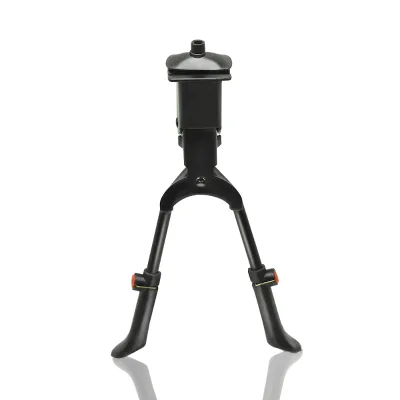

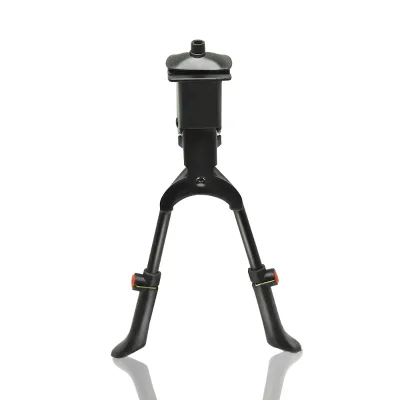
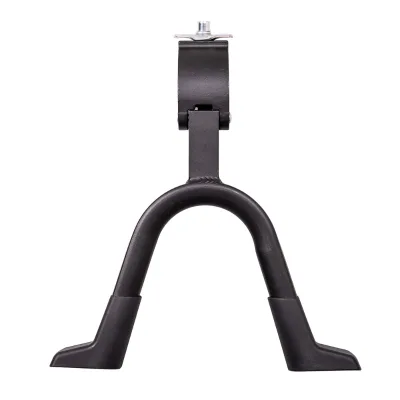

Adjustable Stainless Steel Bike Storage Stand Display Bicycle Rack for 2 Bikes
$11.00 - $14.00
MOQ: 20 Pieces


Two-Capacity Carbon Steel Bicycle Accessories Popular Bike Bicycle Stand
$11.99 - $16.99
MOQ: 50 Pieces

Outdoor Bike Holder Multi-Capacity Carbon Steel Durable Bike Stand Steel
$28.99 - $38.99
MOQ: 20 Pieces


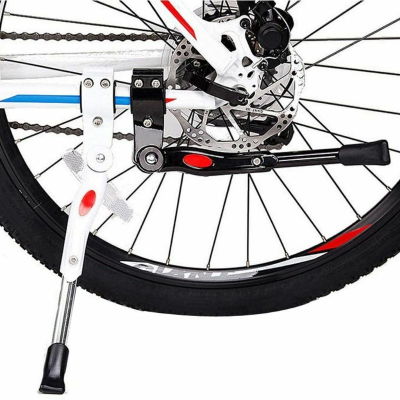
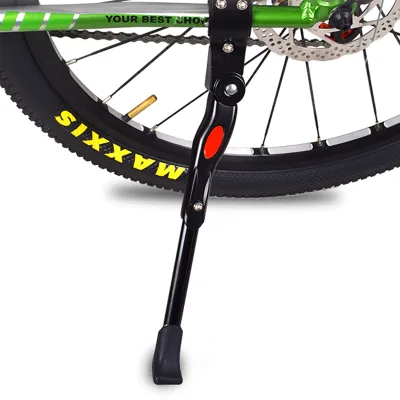


Aluminum Alloy Kick Center Stand for Size 20-28" Bicycle Adjustable Height
$1.00 - $2.00
MOQ: 1000 Pieces


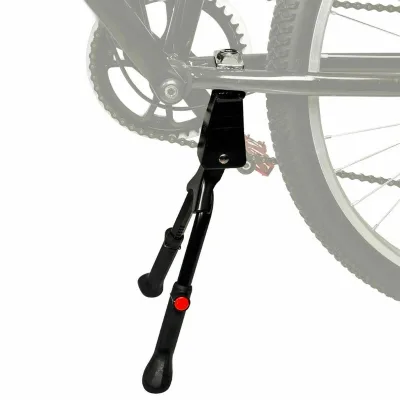

Bike Parking Stand Bike Vehicle Rack Bicycle Rack Stand Bicycle Stands
$10.00 - $25.00
MOQ: 1000 Pieces

Comprehensive Sourcing Guide
Adjustable Steel Bike Stand Sourcing Guide
Procuring an Adjustable Steel Bike Stand requires a clear distinction between two primary product categories often conflated in global trade listings: the portable kickstand for individual bicycles and the stationary workstand for repair shops. The core keyword "Adjustable Steel Bike Stand" typically refers to a robust, height-adjustable support structure designed to hold a bicycle securely during maintenance, cleaning, or storage. These units are predominantly constructed from steel to ensure stability under load, featuring adjustable legs and clamping mechanisms that accommodate various frame geometries. Buyers must first determine whether their operational need is for a single-unit accessory for a cyclist or a multi-unit infrastructure solution for a workshop environment, as the technical specifications, compliance requirements, and commercial terms differ significantly between these two use cases.
The sourcing landscape for these products is heavily concentrated in manufacturing hubs within China, with specific regions like Hebei emerging as notable origins for this category of hardware. Suppliers in these regions often offer a range of configurations, from simple single-post designs to more complex double-post workstands that allow for greater maneuverability around the bicycle. Understanding the specific mechanical requirements of your intended application is crucial before engaging with suppliers, as the load capacity, footprint, and adjustment range of the steel stand will directly impact both the shipping logistics and the final utility of the equipment. This guide provides a structured approach to evaluating these products based on observed market signals and standard industry practices.
Product Scope and Observed Listing Signals
Market listings for adjustable steel bike stands reveal a diverse range of product attributes that buyers must carefully parse to avoid misinterpretation. Observed data indicates a wide price range, typically spanning from approximately $0.30 to $38.99 USD, which reflects the disparity between lightweight, portable kickstands and heavy-duty, multi-component workstands. The minimum order quantity (MOQ) also varies significantly, ranging from as low as 25 pieces to 1,000 pieces, suggesting that suppliers cater to both small-scale retailers and large institutional buyers. It is essential to verify whether the listed price corresponds to a single unit or a bulk batch, as packaging dimensions and gross weights provided in listings often indicate the quantity per carton rather than per individual item.
Visual and descriptive signals in product listings often highlight key features such as "adjustable" height, "steel" construction, and specific load capacities. For instance, some listings specify a load capacity of 50kg, while others may indicate a minimum capacity of 30kg, which is critical for ensuring the stand can safely support heavier mountain bikes or e-bikes. Additionally, attributes such as "powder coated" finishes and "black" color options are common, indicating a focus on durability and aesthetic consistency. Buyers should note that terms like "professional" or "OEM and ODM" available suggest that manufacturers are open to custom branding and design modifications, which can be valuable for businesses looking to establish a unique product identity in the market.
Technical Specifications to Verify
When evaluating the technical specifications of an Adjustable Steel Bike Stand, the material composition and structural integrity are paramount. The primary material is consistently identified as steel, which provides the necessary rigidity and weight-bearing capacity. However, buyers should verify the specific type of steel and the thickness of the tubing, as these factors directly influence the stand's durability and resistance to bending under load. The finish, often described as powder-coated, serves not only an aesthetic purpose but also protects the steel from corrosion and wear, which is particularly important for equipment used in high-traffic repair shops or outdoor storage environments.
Adjustability mechanisms and footprint dimensions are other critical technical aspects to scrutinize. Listings may specify sizes such as 40x38x25 cm or 107x17x18 cm, which refer to either the product dimensions or the packaging size. It is vital to distinguish between the two to accurately plan storage and shipping logistics. Furthermore, the number of legs, often cited as five or four, affects the stability of the stand on uneven surfaces. Buyers should also confirm the height adjustment range, with some products specifying a height of 34cm or similar metrics, to ensure the stand can be set at a comfortable working level for the intended users.
Compliance and Safety Documentation
Compliance with international standards is a key consideration when sourcing adjustable steel bike stands, particularly for products intended for commercial or industrial use. Certifications such as CE, ISO, and CCC are frequently mentioned in product listings, indicating that the manufacturer adheres to specific safety and quality management protocols. The CE mark, for example, suggests conformity with health, safety, and environmental protection standards for products sold within the European Economic Area. Buyers should request copies of these certificates to verify their validity and ensure they cover the specific models being procured, as certifications may not always apply to the entire product range.
Safety documentation should also include clear instructions for assembly, operation, and maintenance. Given that these stands are designed to support significant weight, proper usage guidelines are essential to prevent accidents or damage to the bicycle. Buyers should verify that the supplier provides comprehensive user manuals in English or other required languages, detailing the maximum load capacity and proper clamping techniques. Additionally, checking for any specific safety warnings regarding the stability of the stand on different floor types can help mitigate risks associated with improper installation or use.
Cost Drivers and Commercial Terms
The cost of an Adjustable Steel Bike Stand is influenced by several factors, including material costs, manufacturing complexity, and order volume. Steel prices fluctuate based on global market conditions, which can impact the final unit price. Additionally, the complexity of the adjustment mechanism and the quality of the powder coating contribute to the overall cost. Buyers should be aware that lower prices may correspond to thinner gauge steel or simpler mechanisms, which could compromise long-term durability. It is advisable to request detailed quotations that break down the costs associated with materials, labor, and finishing to make an informed comparison between suppliers.
Commercial terms such as MOQ, lead time, and payment conditions are critical components of the procurement process. Observed MOQs range from 25 to 1,000 pieces, allowing for flexibility depending on the buyer's inventory needs. Lead times are typically stated as 7-15 days after payment, but this can vary based on the order size and current production schedules. Buyers should confirm the exact delivery time and any potential delays due to holidays or supply chain disruptions. Payment terms, often linked to delivery time, should be clearly defined to ensure a smooth transaction process and to protect the buyer's financial interests.
Supplier Qualification and Quality Control
Supplier qualification is a crucial step in ensuring the reliability and consistency of the adjustable steel bike stands. Buyers should verify the supplier's factory type, with many listing themselves as manufacturers rather than trading companies, which can offer better control over quality and pricing. Checking the supplier's history, production capacity, and previous client references can provide insights into their operational stability and commitment to quality. Additionally, suppliers offering OEM and ODM services demonstrate flexibility and capability in customizing products to meet specific buyer requirements, which can be a valuable asset for brand differentiation.
Quality control measures should be established to ensure that the delivered products meet the specified standards. Buyers should inquire about the supplier's internal quality control processes, including inspection protocols for material thickness, weld quality, and finish consistency. Requesting pre-shipment samples or conducting third-party inspections can help verify that the products conform to the agreed-upon specifications. Furthermore, establishing a clear warranty policy, such as a 12-month warranty, provides an additional layer of protection against defects and ensures that the supplier stands behind the quality of their products.
Long-Term Procurement Checks
Long-term procurement success depends on establishing a sustainable relationship with suppliers and continuously monitoring product performance. Buyers should implement a system for tracking the performance of the adjustable steel bike stands in the field, including feedback from end-users regarding durability, ease of use, and stability. This feedback can inform future purchasing decisions and help identify any recurring issues that need to be addressed with the supplier. Regular communication with the supplier regarding market trends, new product developments, and potential improvements can also help keep the procurement strategy aligned with evolving customer needs.
Additionally, buyers should periodically review the commercial terms and supplier qualifications to ensure they remain competitive and reliable. This includes reassessing pricing structures, lead times, and compliance documentation to adapt to changes in the market or regulatory environment. By maintaining a proactive approach to supplier management and quality assurance, buyers can mitigate risks and ensure a steady supply of high-quality adjustable steel bike stands that meet their operational requirements. This ongoing diligence is essential for building a resilient supply chain that supports long-term business growth and customer satisfaction.
FAQs
What is the minimum order quantity for this stand?
The minimum order quantity is 25 pieces for some models and 100 pieces for others. Buyers must order in multiples of 25 items to meet the selling unit requirements specified by the manufacturer.
Can the stand be customized for specific needs?
Yes, customization is available for this adjustable steel bicycle workstand. Buyers can request specific modifications through the OEM and ODM services offered by the manufacturer in Hebei, China.
What certifications does the product hold?
The product holds CE certification and some models include ISO and CCC certifications. These standards ensure the steel construction meets safety and quality requirements for bicycle repair applications.
How long is the delivery time after payment?
The delivery time is typically 7 to 15 days after payment is received. Some listings indicate immediate delivery upon payment, but the standard lead time remains within this two-week window.
What is the maximum load capacity of the stand?
The load capacity ranges from a minimum of 30kg to a maximum of 50kg depending on the specific model. This ensures stability for various bicycle types during repair and maintenance tasks.
Which material is used to construct the stand?
The stand is constructed from steel with a powder-coated finish. This durable material provides the necessary strength for professional bicycle repair while protecting against rust and wear.