Source Adjustable Wooden Barber Chair for Salons, Spas, and Barbershops
Explore 30 listings for the Adjustable Wooden Barber Chair featuring synthetic leather, high-density foam, and stainless steel handrails. Buyers can compare models like LFY115 and 731, noting variations in dimensions, load capacity, and packaging options from Chinese manufacturers.
Key considerations
Products List


a Modern Adjustable-Height and Rotatable Barber Chair Suitable for Salons
$55.00 - $66.00
MOQ: 1 Pieces


Fashionable High Quality Wooden Hairdressing Furniture Salon Barber Chair
$80.00 - $120.00
MOQ: 20 Pieces


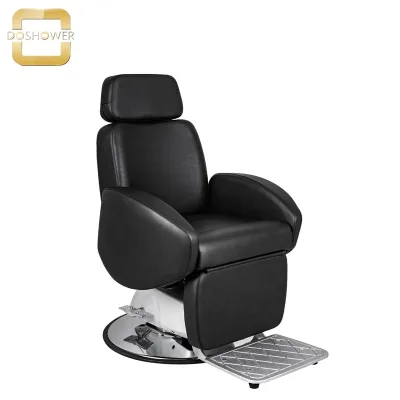


Hot Selling Adjustable High Seat Barber Chair with Pedal Men's Barber Chair
$229.00 - $299.00
MOQ: 5 Pieces


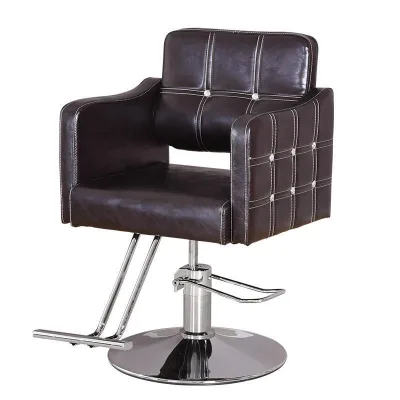
Comprehensive Sourcing Guide
Strategic Sourcing Guide for Adjustable Wooden Barber Chairs
Understanding Product Specifications and Material Composition
When sourcing adjustable wooden barber chairs, buyers must first establish a clear understanding of the technical specifications that define the product's functionality and durability. The core keyword implies a specific construction methodology, yet the available market data reveals a diverse range of materials and configurations. A critical observation in the current supply landscape is the prevalence of synthetic leather upholstery rather than traditional wood or genuine leather finishes. While the product title emphasizes "wooden," the factual attributes indicate that the primary seating material is often synthetic leather, paired with armrests and handrails that may incorporate stainless steel or a combination of leather and metal. This distinction is vital for procurement teams to avoid misalignment between marketing descriptions and actual product delivery.
The structural dimensions of these chairs vary significantly across different models, necessitating a detailed review of the standard specifications before placing an order. Observed data points to a wide range of overall dimensions, with specific models adhering to standards such as 220cm by 100cm by 62cm, while others are more compact, measuring 40cm by 74cm by 70cm. Seat width is another critical variable, with observed measurements ranging from 77cm to 85cm. Buyers must verify that the selected model fits the intended salon space and accommodates the target demographic, which is explicitly listed as adults. The folding mechanism is another key specification; while some units are observed in an "unfolded" state, the term "adjustable" suggests a dynamic capability that must be confirmed through technical datasheets. The presence of armrests is a consistent feature in the observed data, and the leg mechanisms are described as "mute," indicating a focus on noise reduction during operation, a crucial factor for client comfort in a professional setting.
Compliance, Certification, and Safety Standards
In the realm of B2B procurement, compliance and safety certifications serve as the primary gatekeepers for product viability. The supplied context highlights the existence of CE certification for certain models within the inventory. While this certification is noted with varying confidence levels in the background data, its presence is a significant indicator of adherence to European safety, health, and environmental protection requirements. Buyers should treat the mention of CE as a starting point for verification rather than a blanket guarantee for all listed items. The procurement process must include a rigorous request for valid certification documents directly from the supplier to ensure that the specific batch of chairs being purchased meets the regulatory standards of the destination market.
Beyond specific certifications, the structural integrity of the chair is paramount. The maximum load capacity observed in the data ranges from 10kg to 65kg. This wide variance suggests that not all "adjustable wooden barber chairs" are built for the same intensity of use. A chair rated for 10kg is likely a lightweight or decorative piece, whereas a unit rated for 65kg is designed for heavy-duty commercial use. Procurement teams must explicitly match the load capacity specification to the expected usage frequency and the physical requirements of the clients. Furthermore, the warranty terms provided in the data indicate a "Main Structure 2 Years" coverage for some models. This warranty period serves as a benchmark for quality expectations; buyers should negotiate similar or better terms for the specific models they select, ensuring that the manufacturer stands behind the structural longevity of the hydraulic or mechanical adjustment systems.
Cost Drivers and Pricing Dynamics
The pricing structure for adjustable wooden barber chairs is influenced by a complex interplay of material costs, manufacturing processes, and logistical factors. The observed price range in the market spans from $40 to over $1,000 USD. This substantial spread indicates that price is not a linear function of the product type but is heavily dependent on the specific configuration, material quality, and brand positioning. The lower end of the spectrum likely corresponds to basic models with synthetic leather and standard dimensions, while the higher end may reflect luxury designs, vintage aesthetics, or chairs with advanced hydraulic systems and premium upholstery.
Material composition is a primary cost driver. The use of synthetic leather versus genuine leather, or the inclusion of stainless steel handrails versus standard metal, will significantly impact the final unit cost. Additionally, the packaging process, which ranges from simple stapling to complex carton boxing with specific dimensions like 75x75x75 cm, adds to the overall expense. Buyers must analyze the cost per unit against the total landed cost, including shipping and import duties. The observed minimum order quantity (MOQ) ranges from 1 to 20 units, offering flexibility for smaller buyers but potentially limiting volume discounts for larger procurement projects. Understanding these cost drivers allows buyers to make informed decisions about where to allocate their budget, balancing upfront costs with long-term durability and aesthetic requirements.
Typical Applications and Market Segmentation
The versatility of adjustable wooden barber chairs allows them to serve a variety of applications beyond traditional barbershops. The observed data indicates a "Vintage / Luxury / Classic Retro" style for certain models, suggesting a strong appeal to high-end salons and boutique beauty establishments that prioritize aesthetic ambiance. These chairs are designed to create a specific atmosphere, blending functionality with a nostalgic or opulent design language. The presence of high-density foam padding further supports their use in environments where client comfort is a priority, such as luxury spas or premium grooming centers.
However, the specifications also point to practical applications in standard commercial settings. The "Adult" suitability and robust load capacities make these chairs appropriate for general barbering and styling services. The "mute" leg mechanisms are particularly beneficial in open-plan salons where noise control is essential for maintaining a relaxing environment. Buyers should consider the specific needs of their target clientele when selecting a model. For instance, a salon focusing on quick, efficient services might prioritize the ease of adjustment and durability, while a luxury establishment might focus on the vintage style and premium materials. The diverse range of models, including those with specific product codes like LFY115, LFY117, and BAR-LUX-TUF18, indicates that the market offers solutions for various segments, from budget-conscious startups to established luxury brands.
Supplier Evaluation and Operational Capabilities
Evaluating potential suppliers requires a deep dive into their operational capabilities and product consistency. The data indicates that the products originate from China, with specific mentions of Zhejiang as a production hub. This regional concentration suggests a mature supply chain with established manufacturing expertise in furniture production. However, buyers must verify the specific capabilities of each supplier to ensure they can meet the required quality standards and delivery timelines. The observed delivery time of 30-45 days is a critical factor in supply chain planning. Procurement teams must account for this lead time when forecasting inventory needs and managing customer expectations.
Supplier reliability is also reflected in their packaging and shipping practices. The use of carton boxes and specific packing configurations like "One Piece/Carton" or "1PC/CTN" demonstrates an awareness of logistics requirements. Buyers should assess the supplier's ability to handle customizations, as the data confirms that customization is available. This flexibility can be a significant advantage for buyers looking to brand their products or meet specific design requirements. However, the availability of customization does not guarantee ease of implementation; buyers must engage in detailed discussions regarding the scope, cost, and timeline of custom orders. Additionally, the presence of multiple product models suggests that a supplier with a diverse catalog may offer better value through economies of scale, but buyers must ensure that the specific models they select are consistently manufactured to the same high standards.
Quality Control and Long-Term Procurement Considerations
Implementing a robust quality control (QC) strategy is essential for mitigating risks associated with sourcing adjustable wooden barber chairs. Given the variance in specifications and the potential for discrepancies between marketing claims and actual product attributes, buyers should establish clear QC checkpoints. These checkpoints should include visual inspections for material quality, such as the consistency of synthetic leather and the finish of metal components. Functional testing of the adjustment mechanisms is equally important to ensure that the chairs operate smoothly and quietly, adhering to the "mute" leg specification observed in the data.
Long-term procurement considerations extend beyond the initial purchase to include maintenance, spare parts availability, and warranty fulfillment. The "Main Structure 2 Years" warranty mentioned in the data provides a baseline for expected product life, but buyers should verify the terms and conditions of this warranty to understand what is covered and what constitutes a valid claim. Ensuring that the supplier can provide replacement parts, such as hydraulic cylinders or upholstery materials, is crucial for extending the lifespan of the chairs. Furthermore, buyers should consider the environmental impact of the materials used, particularly the synthetic leather, and evaluate whether the supplier offers sustainable alternatives or recycling programs. By focusing on these long-term factors, buyers can build a resilient supply chain that supports their business growth and maintains high standards of service for their clients.
Comparative Analysis of Key Product Attributes
To facilitate informed decision-making, the following table summarizes the key attributes observed across the product range, highlighting the variations that buyers must navigate.
| Attribute Category | Observed Variations | Procurement Implication |
|---|---|---|
| Material | Synthetic Leather, Stainless Steel, Leather & Metal | Verify material quality and durability; synthetic leather may require specific care. |
| Dimensions | Ranges from 40x74x70cm to 220x100x62cm | Ensure fit for intended space; check seat width (77cm-85cm) for comfort. |
| Load Capacity | 10kg to 65kg | Match capacity to usage intensity; 65kg is suitable for heavy commercial use. |
| Style | Vintage, Luxury, Classic Retro, Modern | Align style with brand identity; vintage models may command higher prices. |
| Certification | CE (observed) | Request valid documentation; do not assume all models are certified. |
| Warranty | Main Structure 2 Years (observed) | Negotiate terms; verify coverage scope and claim process. |
| Lead Time | 30-45 Days | Plan inventory accordingly; factor in potential delays. |
| MOQ | 1 to 20 Units | Assess flexibility for small vs. large orders; negotiate volume discounts. |
This comparative analysis underscores the importance of due diligence. The wide range of attributes means that a "one-size-fits-all" approach to sourcing is ineffective. Buyers must carefully match the specific product attributes to their operational requirements, ensuring that the selected chairs not only meet the aesthetic and functional needs of their salon but also adhere to the necessary safety and quality standards. By maintaining a disciplined approach to verification and evaluation, procurement teams can secure high-quality adjustable wooden barber chairs that deliver value and reliability over the long term.
FAQs
What materials are used for adjustable wooden barber chairs?
The primary seating material is synthetic leather, often paired with stainless steel or leather and metal handrails. While the title mentions wood, the actual upholstery is synthetic, and the structure includes mute chair legs for quiet operation.
Which certification is available for these barber chairs?
Some models within the inventory hold CE certification, indicating adherence to European safety standards. Buyers should request valid documentation for specific batches to ensure compliance with destination market regulations before finalizing procurement.
How much weight can these chairs support safely?
Maximum load capacity varies significantly, ranging from 10kg to 65kg depending on the specific model. Procurement teams must match the 65kg capacity option for heavy commercial use rather than assuming all units support the same weight.
Can buyers customize the design of these chairs?
Customization is available for these adjustable wooden barber chairs, allowing for specific design requirements. Buyers should discuss the scope and timeline with suppliers, as the standard lead time for delivery is typically 30 to 45 days.
What is the warranty period for the main structure?
Certain models offer a warranty covering the main structure for two years. This coverage serves as a benchmark for quality expectations, ensuring the manufacturer stands behind the durability of the hydraulic or mechanical adjustment systems.
Where are these barber chairs manufactured?
The products originate from China, with specific production hubs noted in Zhejiang. Buyers should verify the specific capabilities of each supplier in this region to ensure they can meet required quality standards and delivery timelines.