Source Adjustable Woodworking Marking Gauge for Joinery, Layout, and Cutting
Compare 30 listings for the Adjustable Woodworking Marking Gauge from verified Chinese suppliers. Buyers can evaluate specifications like material, precision, and customization options including OEM and ODM support before requesting quotes.
Key considerations
Products List


300mm High Quality Wood Carpenters Marking Gauge with Stainless Steel Ruler
$3.10 - $3.50
MOQ: 1000 pieces


210mm Carpenter Multifunction Scriber Gauge Measuring Marking Framing Square Ruler
$4.40 - $4.90
MOQ: 2000 pieces
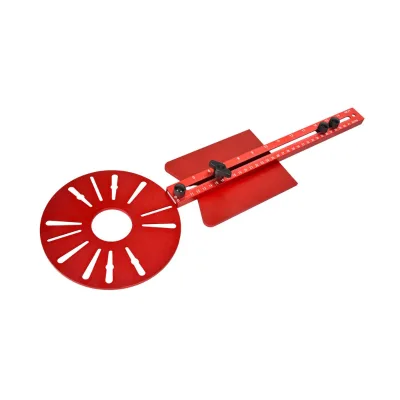
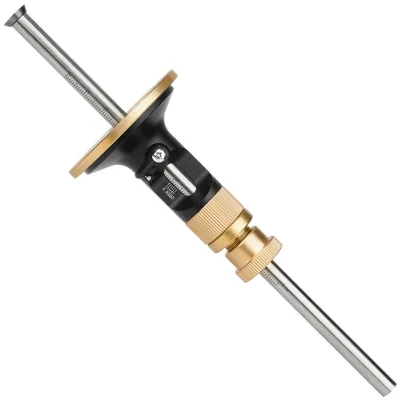
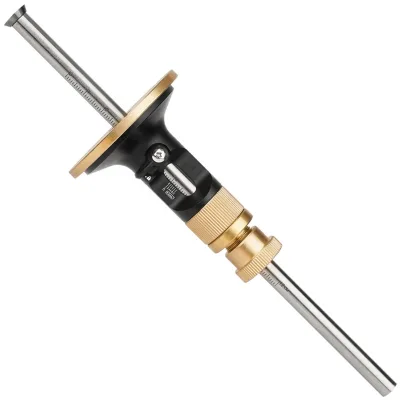
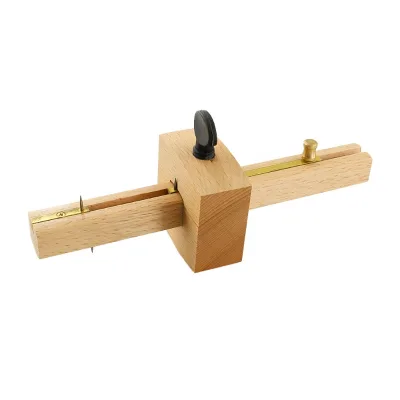
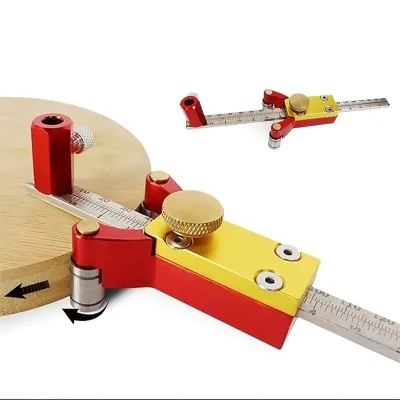
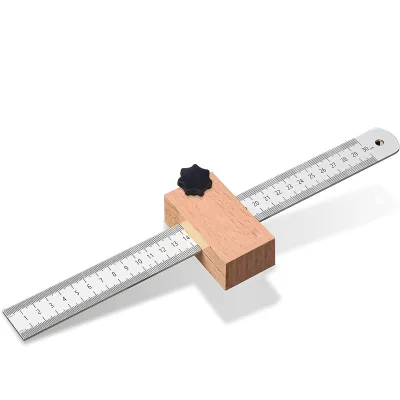


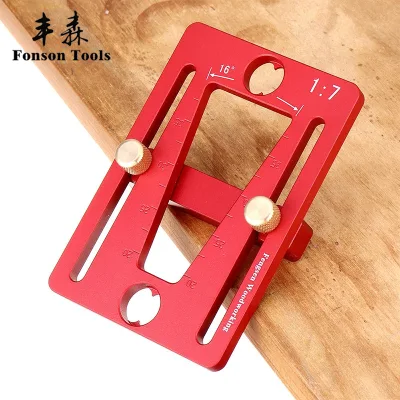
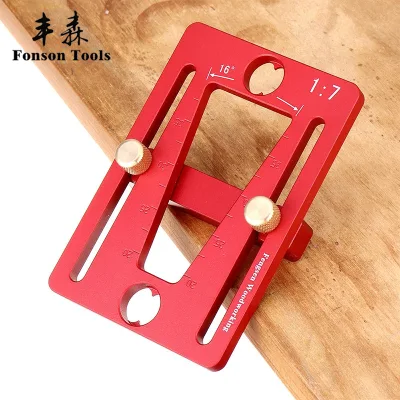
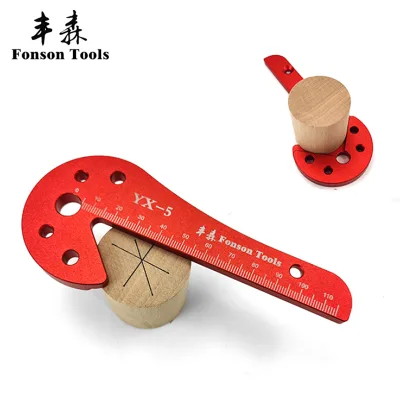
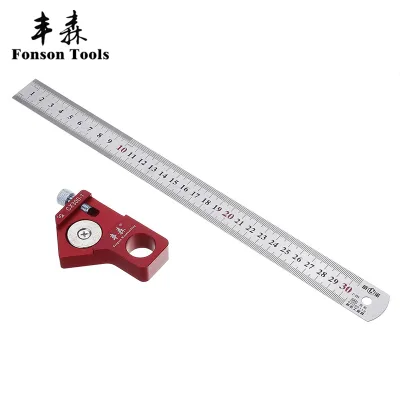
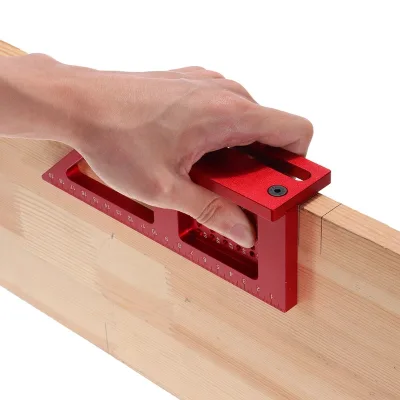


Woodworking Compass Marking Ruler Aluminum Alloy Drawing
$13.52 - $16.90
MOQ: 20 Pieces
Jinhua Hengyang Cross-Border Trade Limited Liability Company


High Precision RP-5000 Marking Thickness Gauge for Accurate Measurements
$700.00 - $750.00
MOQ: 1 set/sets


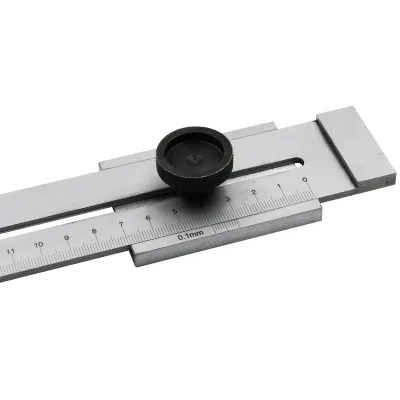

Comprehensive Sourcing Guide
Strategic Sourcing Guide for Adjustable Woodworking Marking Gauges
The global market for precision woodworking tools is characterized by a demand for reliability, adaptability, and strict adherence to safety and environmental standards. When sourcing an Adjustable Woodworking Marking Gauge, buyers must navigate a complex landscape of material variations, manufacturing origins, and compliance requirements. This guide provides a disciplined approach to evaluating suppliers and products, grounded in observed market data and technical specifications. The objective is to equip procurement professionals with the knowledge to identify high-quality instruments while avoiding common pitfalls associated with unverified claims or inconsistent manufacturing standards.
Technical Specifications and Material Composition
The fundamental performance of an Adjustable Woodworking Marking Gauge relies heavily on its material composition and dimensional accuracy. Market observations indicate a diverse range of materials used in production, with wood and stainless steel being prominent choices. Wooden gauges often offer a traditional aesthetic and are favored for specific hand-tool workflows, while stainless steel variants provide enhanced durability and resistance to corrosion, which is critical in humid workshop environments. Additionally, aluminum alloy constructions are observed in the market, offering a balance between weight reduction and structural integrity.
Buyers must scrutinize the specific attributes of the product they intend to purchase. For instance, the weight of individual units can vary significantly, with observed values ranging from approximately 180 grams to 220 grams for standard handheld models, while larger or more specialized units may weigh up to 13.5 kilograms. The physical dimensions are equally critical; single package sizes have been recorded ranging from compact 14.6 x 10.5 x 2.1 cm units to larger configurations such as 48 x 26 x 18 cm. When evaluating the gauge's functionality, the locking mechanism is a primary consideration. A secure lock is essential to maintain the set measurement during use, and available data confirms that locking features are a standard attribute in this category.
Precision is another vital technical parameter. While some products are marketed as precision measuring devices, others are explicitly classified as non-precision instruments. Buyers should verify the resolution and measurement range relevant to their specific applications. Observed specifications include a measurement range of 0 to 300 mm with a resolution of 0.01 mm, suitable for fine joinery. Conversely, other models may have a standard length of 200 cm, indicating a different application scope, possibly for larger layout tasks. The measurement method is typically manual, requiring the operator to read the scale directly. It is imperative to confirm whether the product meets the specific tolerance requirements of the intended woodworking project, as the distinction between a general-purpose gauge and a precision instrument can significantly impact the final quality of the workpiece.
Compliance, Certification, and Regulatory Standards
Navigating the regulatory landscape is a critical step in B2B procurement, particularly when sourcing from international markets. The supply chain for woodworking tools is subject to various certifications that ensure product safety, environmental compliance, and quality assurance. Observed data highlights a cluster of common certifications, including ISO, RoHS, and CE. These marks indicate that the manufacturer adheres to international management systems, restricts hazardous substances, and meets European safety standards.
For products involving wood or paper packaging, additional certifications may be relevant. The Forest Stewardship Council (FSC) certification is observed in the market, ensuring that wood materials are sourced from responsibly managed forests. Furthermore, the MID (Measuring Instruments Directive) certification is noted for specific measuring devices, which is a crucial verification point for gauges intended for commercial or trade use where legal metrology is required. Buyers must request valid certificates for these standards rather than relying on marketing claims.
The classification of the product also plays a role in compliance. Some items are categorized under specific standards, such as Class III, which may relate to the accuracy class or safety classification of the tool. Additionally, the origin of the product influences regulatory requirements. Most observed products originate from China, with specific manufacturing hubs in Zhejiang and Jiangsu provinces. When sourcing from the People's Republic of China, buyers should ensure that the supplier can provide documentation verifying the place of origin and that the product meets the import regulations of the destination country. The presence of a "Standard" attribute, such as 300mm or 200cm, should be cross-referenced with local industry standards to ensure compatibility.
Cost Drivers and Pricing Dynamics
Understanding the cost structure of adjustable woodworking marking gauges is essential for budgeting and negotiation. The price range in the market is extensive, spanning from 0.8 USD to 750 USD. This wide variance is driven by several factors, including material quality, manufacturing complexity, brand positioning, and the level of customization required. Basic models made of wood or simple metal alloys with standard packaging may fall at the lower end of the spectrum, while precision instruments with stainless steel construction, advanced locking mechanisms, and specialized packaging will command higher prices.
The Minimum Order Quantity (MOQ) is a significant cost driver. Observed MOQs range from a single item to 2000 pieces. High-volume orders often benefit from economies of scale, reducing the unit cost significantly. However, buyers must balance the need for inventory against the upfront capital required for large MOQs. Customization is a key factor influencing cost. Products offering OEM, ODM, or OBM support allow for branding and design modifications, which typically incur additional setup fees and higher per-unit costs. The availability of custom logos, such as silk printing, and the ability to choose specific colors add to the overall expense.
Packaging also impacts the final cost. Options range from simple OPP bags to more protective paper boxes and cartons. The choice of packaging affects shipping costs and the perceived value of the product. For instance, a single gross weight of 0.500 kg for a compact unit differs vastly from a 13.5 kg unit, directly influencing freight charges. Buyers should analyze the total landed cost, including shipping, duties, and handling, rather than focusing solely on the unit price. The delivery lead time, observed at approximately 30 days for standard orders, should also be factored into the financial planning, as expedited shipping can add substantial costs.
Typical Applications and Functional Versatility
Adjustable woodworking marking gauges serve a variety of functions across different sectors of the woodworking industry. The primary application is in joinery, where precise marking of lines for mortise and tenon, dovetail, and other complex joints is required. The ability to adjust the gauge allows for consistent repetition of measurements, which is vital for mass production or batch processing. The locking mechanism ensures that the setting does not shift during the marking process, maintaining the integrity of the layout.
The versatility of these tools is enhanced by their material and design. Wooden gauges are often preferred for traditional hand-tool woodworking, offering a tactile feel and ease of repair. Stainless steel and aluminum alloy gauges are better suited for industrial environments or where moisture resistance is necessary. The measurement range of 0 to 300 mm makes these tools suitable for general cabinetry and furniture making, while larger models with lengths up to 200 cm may be used for large-scale construction or layout tasks.
Customization options further expand the applicability of these gauges. The ability to add a custom logo via silk printing allows manufacturers to brand their tools for professional use. The availability of "Any Color" options enables buyers to match the tool to their brand identity or workshop aesthetic. For specialized applications, the "Folded" ruler type offers portability and compact storage, making it ideal for field work or mobile workshops. The measurement object, such as straightness, indicates the tool's capability to verify the alignment of edges, a critical function in quality control.
Supplier Evaluation and Sourcing Strategy
Selecting the right supplier is paramount to ensuring a steady supply of high-quality marking gauges. Buyers should prioritize suppliers that demonstrate transparency in their manufacturing processes and provide clear documentation of their certifications. The presence of OEM, ODM, and OBM support indicates a supplier's capability to adapt to specific buyer requirements, which is a strong indicator of flexibility and technical competence.
When evaluating potential suppliers, buyers should verify the place of origin. The majority of observed products originate from China, specifically from regions like Zhejiang and Jiangsu. These regions are known for their manufacturing clusters, but buyers should still conduct due diligence to ensure the specific factory meets their quality standards. The lead time of 30 days is a standard benchmark, but buyers should confirm if this can be adjusted based on order volume or urgency.
The supplier's ability to handle customization is another critical evaluation point. Whether the buyer requires a specific logo, color, or packaging configuration, the supplier must demonstrate the capacity to execute these changes without compromising the product's integrity. The "Customized" attribute and "Customization Available" status suggest that many suppliers are open to these requests, but the scope and cost should be clearly defined in the contract.
Quality Control and Long-Term Procurement Considerations
Maintaining quality over the long term requires a robust quality control (QC) strategy. Buyers should establish clear acceptance criteria based on the product's technical specifications, such as resolution, measurement range, and material properties. The distinction between precision and non-precision devices must be clearly understood and verified through testing. For gauges claiming a resolution of 0.01 mm, independent verification is recommended to ensure the claim holds true under actual usage conditions.
Packaging integrity is also a key aspect of quality control. The use of OPP bags, paper boxes, or cartons must be sufficient to protect the product during transit. The single gross weight and package dimensions should be consistent with the supplier's specifications to avoid shipping discrepancies. For long-term procurement, buyers should consider the durability of the materials. Stainless steel and aluminum alloy options generally offer better longevity than wood, which may require more maintenance or replacement over time.
Sustainability is increasingly important in procurement. Certifications like FSC and RoHS indicate a commitment to environmental responsibility. Buyers should seek suppliers who prioritize sustainable materials and manufacturing practices. The ability to customize the product, including the option for specific colors and logos, allows for brand alignment and market differentiation. By focusing on these factors, buyers can build a resilient supply chain that delivers consistent value and meets the evolving demands of the woodworking industry.
Comparison of Key Product Attributes
To facilitate decision-making, the following table summarizes the key attributes observed in the market for adjustable woodworking marking gauges. This comparison highlights the diversity in specifications and helps buyers identify the product features that align with their specific needs.
| Attribute | Observation Range / Specific Value | Relevance to Buyer |
|---|---|---|
| Material | Wood, Stainless Steel, Aluminum Alloy | Determines durability, weight, and environmental resistance. |
| Certification | ISO, RoHS, CE, FSC, MID | Ensures safety, environmental compliance, and legal metrology status. |
| MOQ | 1 to 2000 PCS | Impacts inventory strategy and unit cost economics. |
| Price Range | $0.8 - $750 USD | Reflects material quality, precision, and customization level. |
| Lock Mechanism | Yes (Standard) | Critical for maintaining measurement accuracy during use. |
| Resolution | 0.01 mm (Precision) vs. Non-Precision | Defines the level of accuracy suitable for specific joinery tasks. |
| Origin | China (Zhejiang, Jiangsu) | Influences shipping logistics, tariffs, and lead times. |
| Customization | OEM, ODM, OBM, Logo, Color | Enables brand alignment and specific functional requirements. |
| Package | OPP Bag, Paper Box, Carton | Affects protection during transit and retail presentation. |
| Lead Time | ~30 Days | Essential for production planning and inventory management. |
By carefully analyzing these attributes and understanding the underlying market dynamics, buyers can make informed decisions that balance cost, quality, and functionality. The Adjustable Woodworking Marking Gauge remains a fundamental tool in the carpenter's arsenal, and sourcing the right version requires a methodical approach grounded in verified data and technical rigor.
FAQs
What certifications do adjustable woodworking marking gauges typically have?
Many products hold ISO, RoHS, and CE certifications to ensure safety and quality. Some items also carry MID or FSC certificates for measuring compliance and wood sourcing. Buyers should verify specific certificates for their target market requirements before purchasing.
Can I get custom logos on these marking gauges?
Yes, customization is available with options for silk printing and custom logos as per your requirement. Suppliers often support OEM, ODM, and OBM services to allow branding. The specific color and logo placement depend on the agreed customization scope.
What materials are used for adjustable woodworking marking gauges?
Products are commonly made from wood, stainless steel, or aluminum alloy depending on the model. Wood offers a traditional feel, while metal variants provide durability and corrosion resistance. The material choice affects the weight and intended workshop environment.
How long is the delivery time for these tools?
Standard delivery times are typically around 30 days for most orders. This lead time applies to standard production runs without expedited shipping requests. Buyers should confirm exact timelines based on order volume and customization needs.
What is the minimum order quantity for these gauges?
Minimum order quantities range from a single item up to 2000 pieces depending on the supplier. Lower MOQs allow for sampling, while higher volumes often reduce unit costs. The specific MOQ is determined by the product model and customization level.
Which origin countries supply these woodworking tools?
Most products originate from China, specifically from regions like Zhejiang and Jiangsu. Some listings also specify the People's Republic of China as the place of origin. Buyers should verify the specific manufacturing hub for quality assurance.
What is the price range for adjustable woodworking marking gauges?
Prices vary widely from 0.8 USD to 750 USD based on material and precision. Basic models cost less, while precision instruments with stainless steel construction are more expensive. The final price depends on the selected specifications and order quantity.