Source Adjustable Zircon Bridal Tiara Crown for weddings, proms, and parties
Compare 30 Adjustable Zircon Bridal Tiara Crown options from verified suppliers. Buyers can review specifications, plating types, and customization availability for wedding, prom, and party occasions.
Key considerations
Products List
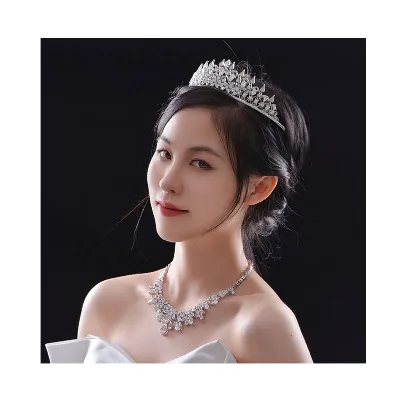
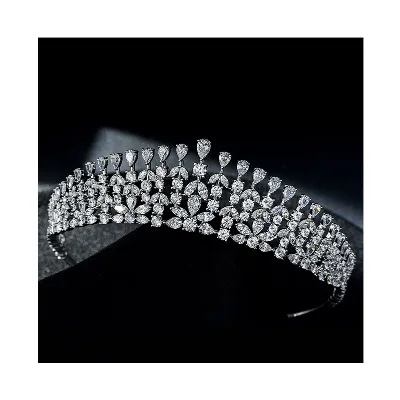
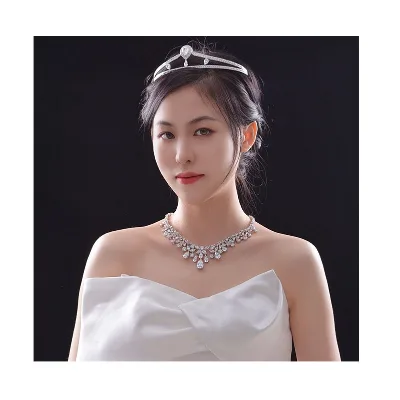
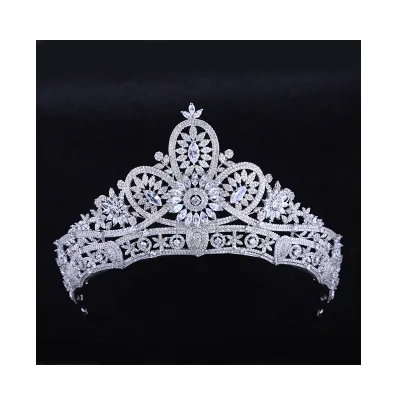
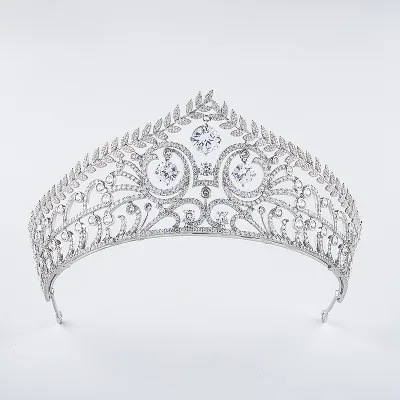
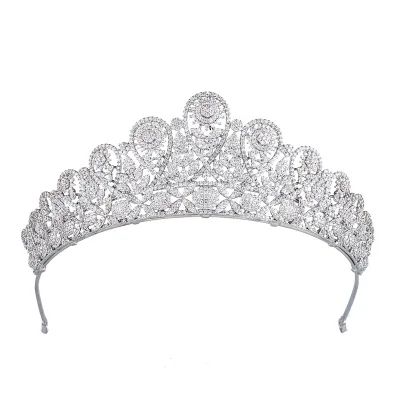


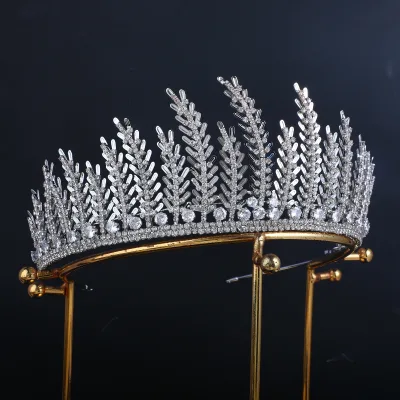
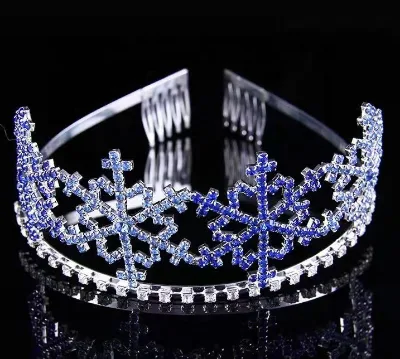
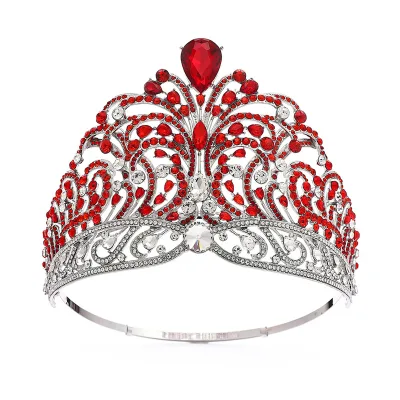
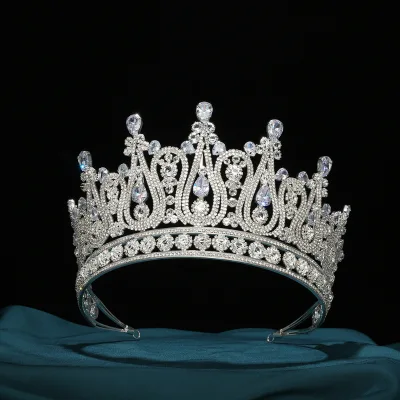
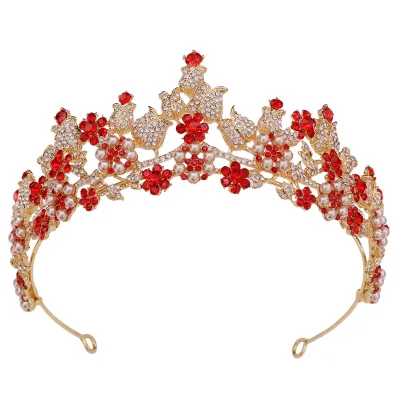
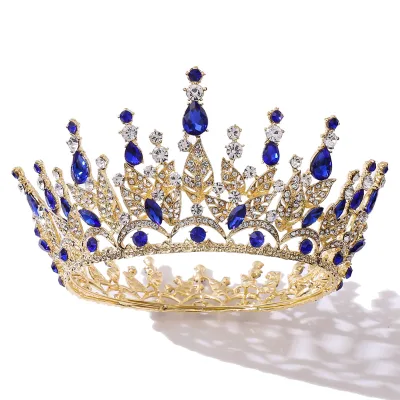
Bridal Tiara Crown, Crystal Tiara. Luxury Tiara Crown, Princess Tiara Crown
$5.45 - $5.50
MOQ: 50 Pieces


Bridal Wedding Pageant Tiara Crown, Pageant Tiara Cronw, Princess Tiara Crown
$3.50 - $3.95
MOQ: 50 Pieces

Gold Tiara Crown. Pageant Crystal Tiara Crown. Wedding Bridal Tiara Crown
$4.50 - $5.50
MOQ: 50 Pieces

Bridal Tiara Crown, Wedding Crystal Tiara Crown, Luxury Crystal Tiara Crown
$9.50 - $10.50
MOQ: 20 Pieces
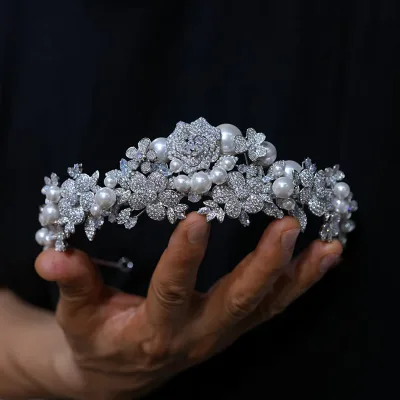

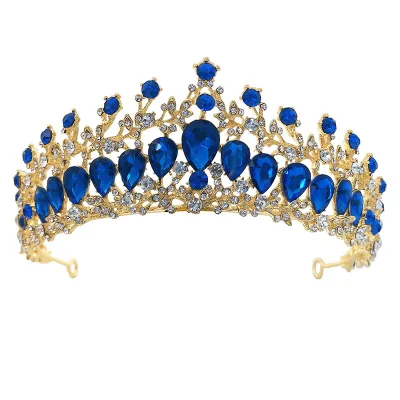
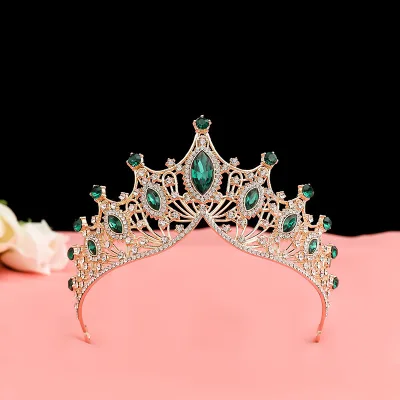
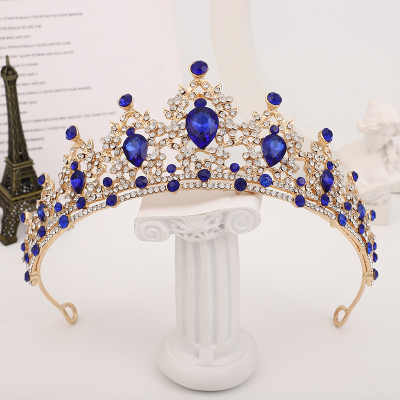
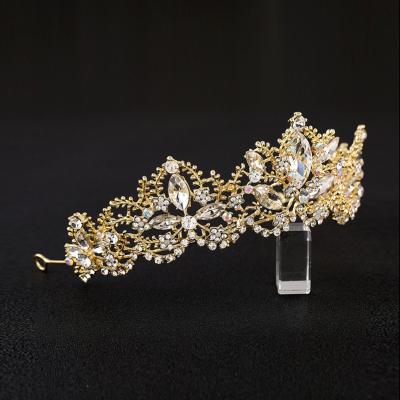
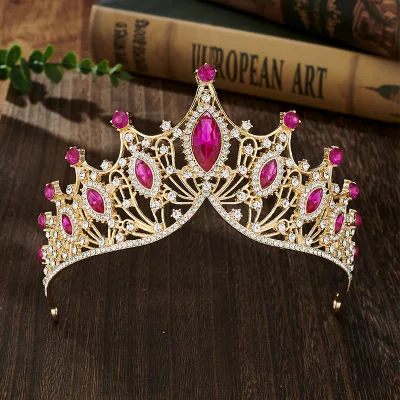
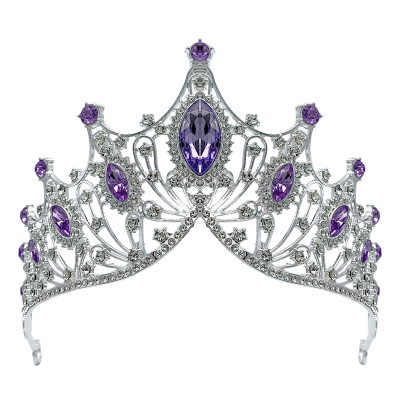
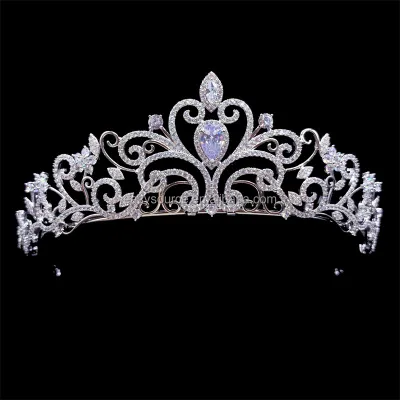
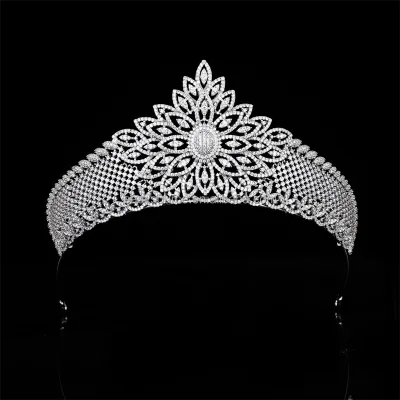
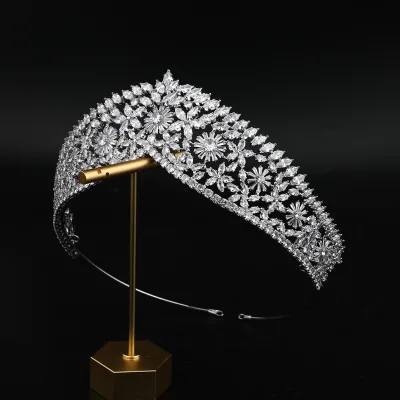
Comprehensive Sourcing Guide
Adjustable Zircon Bridal Tiara Crown Sourcing Guide
Sourcing adjustable zircon bridal tiara crowns requires a nuanced understanding of both the aesthetic demands of the wedding industry and the technical realities of alloy-based jewelry manufacturing. These accessories serve as critical focal points for brides, bridesmaids, and pageant participants, blending decorative elegance with functional wearability. The core appeal lies in the combination of durable base materials, such as alloy, with high-visibility embellishments like zircon and pearl inlays. Buyers must navigate a market where customization is prevalent, allowing for specific color plating, shape variations, and brand integration. This guide provides a structured approach to evaluating suppliers, verifying technical specifications, and managing commercial risks associated with this specialized product category.
The procurement process for these items is heavily influenced by the need for precision in stone setting and the variability of packaging standards. Unlike mass-produced fashion jewelry, bridal tiaras often require higher tolerances for symmetry and stone security, given their high-profile usage during significant life events. The observed market signals indicate a wide range of models, from simple flower-shaped designs to complex heart motifs, all sharing common material traits. Buyers should focus on establishing clear quality benchmarks early in the sourcing journey, particularly regarding the durability of the adjustable mechanisms and the consistency of plating finishes. This ensures that the final product meets the rigorous expectations of end-users who demand both visual perfection and structural integrity.
Product Scope and Observed Listing Signals
The current market landscape for adjustable zircon bridal tiaras is characterized by a diverse array of design options and material configurations. Observed listings reveal a strong preference for alloy construction, which provides the necessary structural support for intricate designs while keeping the overall weight manageable for the wearer. Common plating options include gold, rhodium, and silver, with silver-plated variants being particularly prevalent. The decorative elements frequently feature zircon and pearl main stones, set using claw setting technology to maximize light reflection and visual impact. Shapes vary significantly, with flower, heart, and crown motifs being the most common, catering to different bridal themes and personal styles.
Seasonality and occasion specificity play a crucial role in product selection, with these tiaras marketed as suitable for year-round use and a wide range of events. The primary occasions include weddings, engagements, parties, proms, and anniversaries, indicating a versatile product category that extends beyond traditional bridal wear. Customization is widely available, allowing buyers to request specific color variations, such as white or silver, and tailored packaging solutions. The observed price range is broad, reflecting differences in material quality, stone size, and brand positioning. Buyers should note that while some models are branded, others are offered under OEM arrangements, providing flexibility for private label development.
Technical Specifications to Verify
Verifying technical specifications is essential to ensure that the tiaras meet functional and aesthetic requirements. The adjustable nature of these crowns is a critical feature, allowing for a secure fit across different head sizes. Buyers must confirm the mechanism’s durability and ease of use, as a faulty adjustment system can lead to product returns and customer dissatisfaction. The material composition, primarily alloy, should be verified for corrosion resistance and weight distribution. Additionally, the inlay technology, specifically claw setting, must be inspected to ensure that zircon and pearl stones are securely fastened and will not loosen during wear.
Packaging and dimensional specifications are equally important for logistics and presentation. Observed data indicates that single package sizes can vary, with some models measuring around 26x21x8 cm and others at 10x10x10 cm. The gross weight of individual items also varies, with some tiaras weighing up to 1.200 kg, which may impact shipping costs and handling requirements. Buyers should request detailed dimension and weight data for each specific model to accurately calculate freight costs and storage needs. Furthermore, the standard carton dimensions, such as 50x40x40 cm, should be confirmed to optimize container loading and reduce transit damage risks.
Compliance and Safety Documentation
Compliance and safety are paramount when sourcing jewelry intended for direct skin contact, especially for bridal wear. Buyers must ensure that suppliers adhere to relevant chemical safety standards, particularly regarding heavy metal content in alloys and plating materials. While specific certification statuses are not universally listed, buyers should proactively request test reports from accredited laboratories to verify compliance with international regulations. This is particularly important for markets with strict restrictions on lead, cadmium, and nickel release. Documentation should cover both the base material and the decorative elements, ensuring that all components are safe for prolonged wear.
Additionally, buyers should verify that the products meet general product safety standards for accessories. This includes checking for sharp edges, secure stone settings, and non-toxic materials. Although specific standards are not always explicitly stated in listings, buyers should ask suppliers to confirm adherence to recognized safety protocols. For OEM orders, it is crucial to ensure that any branding or labeling complies with local labeling laws, including material composition disclosures and care instructions. Establishing a clear compliance framework early in the sourcing process helps mitigate legal risks and protects brand reputation.
Cost Drivers and Commercial Terms
Understanding the cost drivers for adjustable zircon bridal tiaras is essential for effective budgeting and negotiation. The primary cost factors include the type and quality of alloy used, the complexity of the claw setting, and the size and quality of the zircon and pearl stones. Plating thickness and type also significantly impact cost, with rhodium plating generally being more expensive than silver or gold plating. Customization options, such as specific color requests or unique packaging, can further influence the final price. Buyers should request detailed cost breakdowns to understand how these variables affect the unit price and identify areas for potential savings.
Commercial terms, including minimum order quantities (MOQ) and payment conditions, vary across suppliers. Observed MOQs range from 2 to 200 pieces, with some suppliers offering lower MOQs of 5 pieces for trial orders. This flexibility allows buyers to test market demand before committing to larger volumes. However, lower MOQs may come with higher unit prices. Buyers should negotiate terms that balance cost efficiency with inventory risk, considering factors like lead times and shipping schedules. Clear agreements on payment terms, such as deposits and balance payments, are crucial to ensure smooth transactions and maintain positive supplier relationships.
Supplier Qualification and Quality Control
Supplier qualification is a critical step in ensuring the reliability and consistency of adjustable zircon bridal tiara supplies. Buyers should assess suppliers based on their production capacity, quality control processes, and experience in the bridal jewelry sector. Factories located in key manufacturing regions like Zhejiang and Guangdong, China, often have established supply chains and expertise in alloy jewelry production. Buyers should request factory audits or virtual tours to verify production capabilities and working conditions. Additionally, checking for past performance and client references can provide insights into the supplier’s reliability and responsiveness.
Quality control measures must be rigorously enforced throughout the production process. Buyers should implement pre-production samples, in-line inspections, and final random inspections to ensure product consistency. Specific attention should be paid to the symmetry of the tiara design, the security of stone settings, and the uniformity of plating finishes. Defect rates should be clearly defined and agreed upon with the supplier, along with procedures for handling non-conforming products. Establishing a robust quality control framework helps minimize defects and ensures that the final products meet the high standards expected in the bridal market.
Long-Term Procurement Checks
Long-term procurement success depends on continuous monitoring and relationship management with suppliers. Buyers should regularly review supplier performance metrics, including on-time delivery rates, product quality, and responsiveness to issues. Building a strong partnership with reliable suppliers can lead to better pricing, priority production, and access to new designs. Buyers should also stay informed about market trends and consumer preferences to adjust their product offerings accordingly. This proactive approach helps maintain competitiveness and ensures that the product line remains relevant and appealing to end-users.
Furthermore, buyers should periodically reassess their supply chain risks and diversify their supplier base if necessary. This includes evaluating alternative sourcing options and monitoring geopolitical or economic factors that may impact production and logistics. Regular communication with suppliers about future orders and market feedback helps align expectations and fosters collaboration. By maintaining a strategic and adaptive procurement approach, buyers can secure a steady supply of high-quality adjustable zircon bridal tiaras and drive long-term business growth.
FAQs
What materials are used for adjustable zircon bridal tiara crowns?
These tiaras are primarily constructed from alloy materials to ensure durability and lightweight comfort. The surface often features plating options such as gold, rhodium, or silver to match various bridal styles. Zircon stones are commonly used as the main decorative element alongside pearls for a luxurious finish.
Which occasions are suitable for wearing these bridal tiara crowns?
These crowns are designed for multiple special events including weddings, anniversaries, engagements, parties, and proms. They are also appropriate for wedding party gifts and birthday celebrations. The elegant and fashion styles make them versatile for female and youth wearers throughout the year.
Can buyers request customization for these adjustable zircon bridal tiara crowns?
Yes, customization is available for these products to meet specific buyer requirements. Buyers can often select from different plating colors like silver or gold and choose specific shapes such as flowers or hearts. The minimum order quantity for customized items may vary, often starting at five pieces.
How are these bridal tiara crowns packaged for shipping?
The products are typically packed in inner cartons and outer cartons to ensure safety during transit. Individual package sizes can vary, with some items measuring around 26 by 21 by 8 centimeters. The gross weight of a single package is approximately 1.2 kilograms, ensuring secure handling.
What is the origin location for these alloy bridal tiara crowns?
These products originate from manufacturing regions in China, specifically Zhejiang and Guangdong provinces. This location allows for efficient production of fashion and vintage style crowns using advanced inlay technologies like claw settings. The origin ensures access to a wide range of alloy materials and plating options.
What are the available size specifications for these bridal crowns?
Size specifications vary by model, with some crowns measuring approximately 12 by 5.2 centimeters or having a height of around 4 centimeters. Specific models like H-45270 or ASL-0296 have defined dimensions to fit different head sizes. Buyers should check the model number for precise sizing details.
Which plating options are available for these adjustable zircon bridal tiara crowns?
Available plating options include gold, rhodium, and silver to suit different aesthetic preferences. Some products specifically feature silver plating or silver color finishes to enhance the zircon stones. These plating choices allow the crowns to match various wedding themes and fashion styles effectively.