Source Adult Black Ballet Costume for Dance Classes, Performances, and Rehearsals
Compare 30 listings for the Adult Black Ballet Costume from verified Chinese suppliers. Buyers can review variations in material, size, and customization options for stage dance and performance wear.
Key considerations
Products List

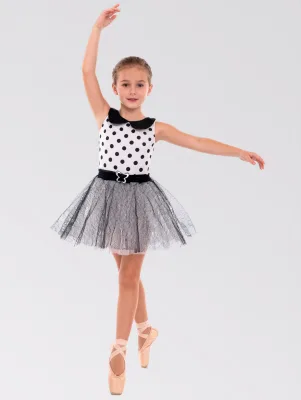
Fun Black Polka DOT Ballet Outfit for Girls' Dance Performance Dance Costume
$28.00 - $31.00
MOQ: 2 Pieces

Girls Black and White Flower Recital Dance Costume Ballet Tutu Dance Dress
$32.00 - $33.00
MOQ: 2 Pieces

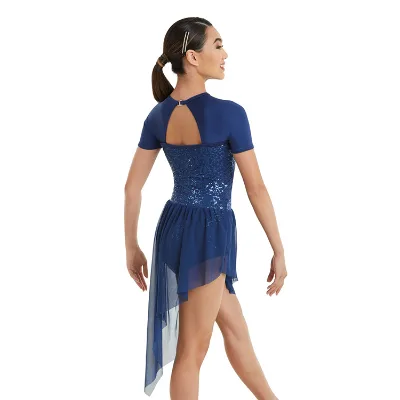
Jazz -Style Black and White Asymmetric Dance Outfit Dance Costume-Bulk Price
$22.00 - $30.00
MOQ: 20 Pieces


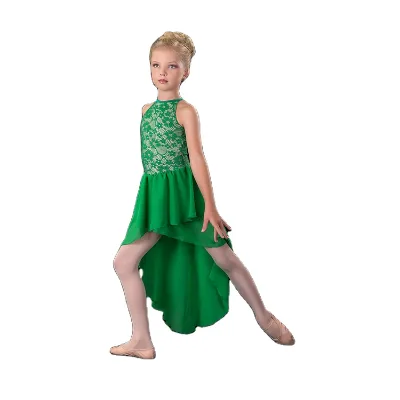
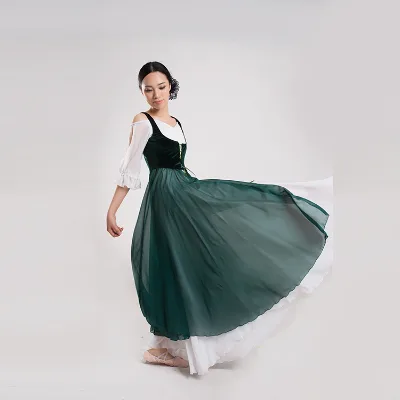
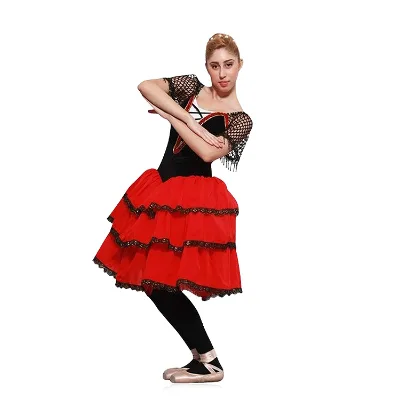
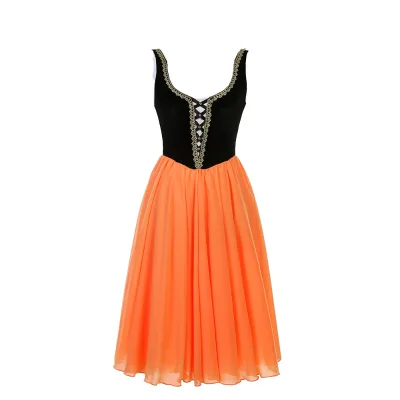
Traditional Mexican Dance Costume for Dia De Los Muertos Ballet Performances
$25.00 - $28.00
MOQ: 2 Pieces



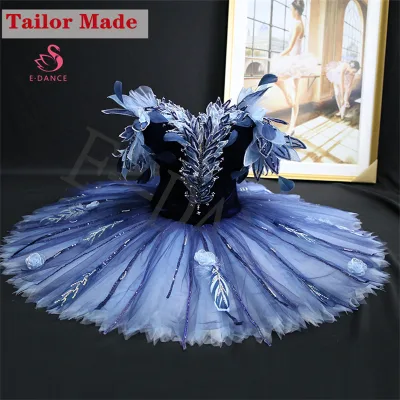
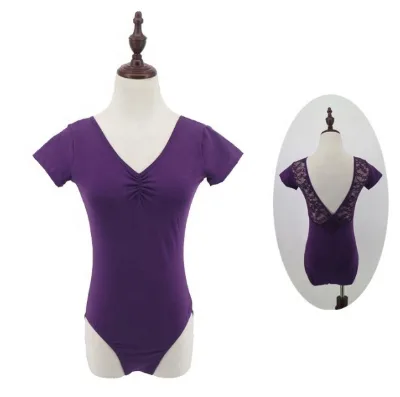
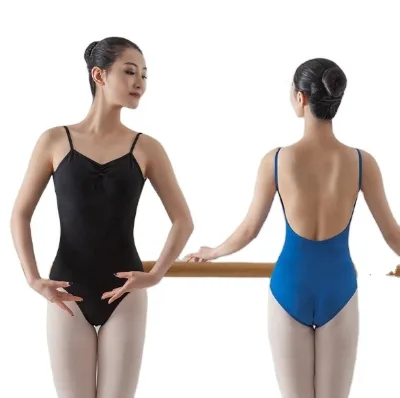
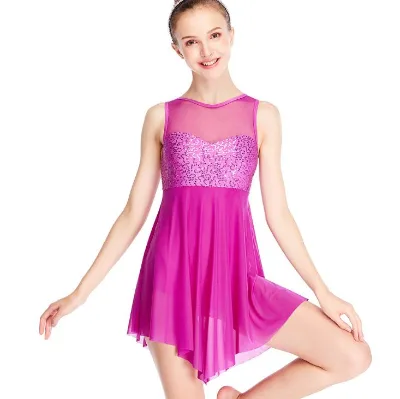
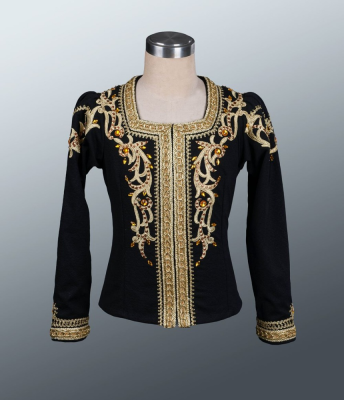
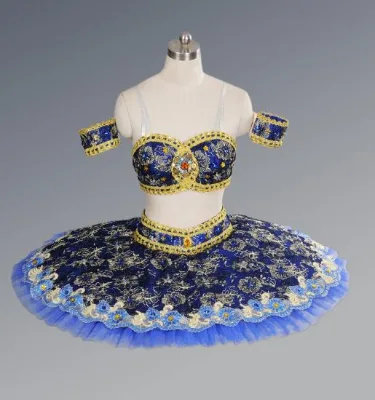
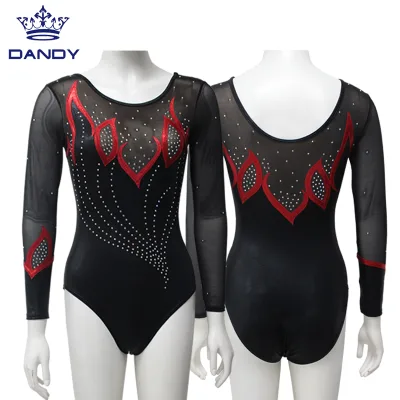
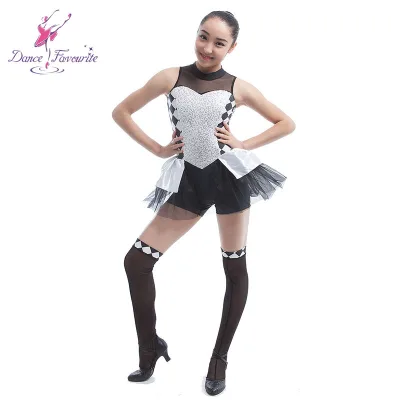
Comprehensive Sourcing Guide
Strategic Sourcing Guide for Adult Black Ballet Costumes
Understanding Product Specifications and Technical Attributes
When sourcing adult black ballet costumes, buyers must first establish a clear understanding of the technical specifications that define the product's suitability for professional and semi-professional use. The core keyword "Adult Black Ballet Costume" implies a specific aesthetic and functional requirement, yet the market offers a diverse range of variations. Based on observed market data, the primary material composition for these garments often involves high-stretch synthetic blends, with Spandex being a frequently cited component. This material choice is critical as it provides the necessary elasticity for the wide range of motion required in ballet, ensuring the costume moves with the dancer rather than restricting them.
The color specification is a primary filter for procurement. While the core search term specifies "black," observed listings indicate that color options can vary, including combinations such as black and white. Buyers should verify that the specific supplier can deliver a solid, deep black finish that maintains its integrity under stage lighting. The production model numbers observed in the market, such as 18308, CDW25023, 19624, 23142, and 28911, suggest that manufacturers often use internal coding systems to differentiate between styles, cuts, and fabric weights. These model numbers serve as essential reference points for tracking inventory and ensuring consistency in reordering.
Packaging and logistical specifications are equally important for cost calculation and storage planning. The observed package sizes for similar dancewear items range from 20cm x 10cm x 5cm to 30cm x 30cm x 10cm. The packing weight per piece typically falls between 0.25kg and 0.5kg. These dimensions are not merely descriptive; they directly impact shipping costs, particularly for air freight, where volumetric weight is a significant factor. The standard packaging method observed is the carton, which provides adequate protection during transit but requires verification of the carton's durability for long-distance shipping. Buyers should also note that some suppliers offer customization options, which may alter the standard packaging dimensions or weight, necessitating a specific request for a proforma invoice that reflects the final packed state.
Compliance, Certification, and Safety Standards
In the realm of professional dancewear, compliance and safety are paramount, though specific certification data for individual listings is often not explicitly stated in general product descriptions. Buyers must understand that while the supply origin is frequently listed as China, specifically from regions like Zhejiang, the regulatory environment for textile products varies by destination market. The absence of explicit certification claims in general product listings does not imply non-compliance, but it does place the burden of verification on the buyer.
When evaluating potential suppliers, procurement teams should request documentation regarding textile safety standards. For dance costumes, this often includes checks for colorfastness, which ensures the black dye does not bleed onto the dancer's skin or other costumes during intense physical activity. The material, typically Spandex, must also be tested for durability and resistance to chlorine or sweat if the costume is intended for rigorous training environments. While specific test results are not provided in the general market overview, buyers should insist on third-party laboratory reports that verify the fabric meets international safety standards for children's and adult apparel, such as restrictions on harmful substances.
Furthermore, the "Performance Wear Type" attribute observed in the market includes categories like "Ballet Dance," "Stage Dance," and "Performance Dance." This classification suggests that the garments are designed for specific performance contexts. Buyers should verify that the supplier's quality control processes align with the intended usage. For instance, costumes intended for stage performances may require higher standards for seam strength and aesthetic finish than those for casual practice. The "Product Type" is often categorized as "Stage & Dancerwear," which implies a focus on visual impact and durability. However, without specific certification data, buyers must treat these categories as observations of market trends rather than guarantees of compliance. It is essential to include clauses in the purchase agreement that require the supplier to provide proof of compliance with the destination country's textile regulations before shipment.
Cost Drivers and Pricing Structures
The pricing structure for adult black ballet costumes is influenced by a complex interplay of factors, including material costs, customization levels, order volume, and logistical expenses. The observed listed price range in the market spans from $5.95 to $614.27. This wide disparity indicates that the market contains both basic, mass-produced items and high-end, custom-designed costumes. The lower end of the price spectrum likely corresponds to standard models with minimal customization, while the higher end reflects bespoke designs, premium materials, or complex embellishments.
Minimum Order Quantity (MOQ) is a significant driver of unit cost. The observed MOQ range varies from 1 piece to 20 pieces. Suppliers with an MOQ of 1 piece often cater to buyers seeking samples or small-batch orders, but the unit price will be significantly higher to cover setup and handling costs. Conversely, suppliers with an MOQ of 20 pieces may offer more competitive per-unit pricing, making them suitable for larger organizations or schools looking to outfit a full troupe. Buyers should calculate the total cost of ownership, which includes the unit price multiplied by the quantity, plus any additional fees for customization, packaging, and shipping.
Customization is another critical cost driver. The market data indicates that customization is available for these products. This can include changes to the model number, specific color requests, or alterations to the size range. While the standard size range observed includes sizes from XS to CXS (Children Extra Small) and up to CXL, adult buyers must ensure the supplier can accommodate the specific size requirements of their dancers. The "Supply Type" is often listed as "In-Stock Items," which can reduce lead times and potentially lower costs, but may limit the ability to customize. Buyers should clarify whether the "In-Stock" status applies to the specific black ballet costume model they require or if it refers to a broader category of dancewear.
Typical Applications and Usage Scenarios
The applications for adult black ballet costumes extend beyond simple practice sessions to include professional stage performances, competitions, and theatrical productions. The "Performance Wear Type" attribute observed in the market highlights specific use cases such as "Ballet Dance," "Stage Dance," and "Performance Dance." These distinctions are crucial for buyers, as the requirements for a rehearsal costume differ significantly from those for a principal role in a ballet production.
For stage performances, the costume must withstand the rigors of high-intensity movement while maintaining a pristine appearance under bright stage lights. The black color is particularly versatile, offering a classic, elegant look that is suitable for a wide range of choreography. The "Usage" attribute is explicitly listed as "Performance," confirming that these garments are designed for active use rather than passive display. Buyers should consider the specific demands of their production. For example, a costume intended for a contemporary ballet piece may require different flexibility and durability than one for a classical ballet.
The "Age Group" attribute observed includes "Children," "Children to Adults," and "Women," indicating that the market offers a broad range of sizing. However, for the specific keyword "Adult Black Ballet Costume," buyers must ensure that the supplier can provide sizes that fit adult dancers accurately. The "Style" attribute often includes "Dresses," which suggests a specific silhouette that may be preferred for certain ballet styles. Buyers should verify that the cut and fit of the costume align with the choreographic requirements of their specific application. Additionally, the "Printing Methods" observed include "Digital Print," which allows for intricate designs and patterns. While the core keyword specifies a black costume, buyers should consider if digital printing is necessary for adding subtle details or logos that enhance the visual impact of the performance.
Supplier Evaluation and Selection Criteria
Selecting the right supplier is a critical step in the procurement process, requiring a thorough evaluation of their capabilities, reliability, and alignment with the buyer's needs. The market data indicates that suppliers are often located in China, with Zhejiang being a specific point of origin mentioned. This geographic concentration suggests a mature supply chain for dancewear, but it also necessitates careful vetting to ensure quality and reliability.
Buyers should prioritize suppliers who demonstrate transparency in their product attributes. The availability of detailed specifications, such as model numbers, package sizes, and material composition, is a positive indicator of a professional supplier. The "Customization" attribute being available suggests that the supplier is flexible and capable of meeting specific buyer requirements. However, buyers should verify the extent of this customization. Can the supplier modify the model number, change the color, or alter the size range? The "Product Capacity" observed ranges from 500 to 5000 units, which provides insight into the supplier's production scale. A supplier with a capacity of 5000 units may be better equipped to handle large orders, while a supplier with a capacity of 500 units may be more suitable for smaller, specialized orders.
Lead time is another crucial factor in supplier evaluation. The market data indicates that some suppliers support a "7 Days Sample Order Lead Time," which is a significant advantage for buyers who need to quickly evaluate samples before placing a larger order. However, buyers should also inquire about the lead time for bulk production. The "Place of Origin" being Zhejiang, China, is a common location for textile manufacturing, but buyers should verify the specific factory's location and capacity to ensure they can meet their delivery deadlines. The "Brand Name" observed, such as "ANNA SHI," can also be a factor in supplier evaluation. While buyers should not rely solely on brand reputation, a known brand may indicate a higher level of quality control and customer service.
Quality Control and Long-Term Procurement Considerations
Ensuring consistent quality is essential for maintaining the professional standards of dance productions. The "Packing Weight for Each Piece" and "Package Size" observed in the market provide a baseline for quality assessment. Buyers should verify that the actual weight and dimensions of the received goods match the specifications provided. Discrepancies in these metrics can indicate issues with material quality or packaging efficiency. The "Standard" attribute, such as "30305" or "20105," refers to the packaging dimensions and should be used as a reference point for quality control checks.
Long-term procurement considerations involve building a sustainable relationship with suppliers who can consistently deliver high-quality products. The "Supply Type" being "In-Stock Items" suggests that some suppliers maintain a ready inventory, which can be beneficial for urgent orders. However, for long-term contracts, buyers should ensure that the supplier has the capacity to scale production as needed. The "MOQ" of 1 piece to 20 pieces offers flexibility for initial orders, but buyers should negotiate terms that allow for volume discounts as order quantities increase.
Quality control should also extend to the finishing touches of the costume. Buyers should inspect the seams, zippers, and any embellishments for durability and aesthetic appeal. The "Material" being Spandex is a good starting point, but buyers should verify the quality of the Spandex blend. High-quality Spandex should retain its shape and elasticity after repeated washing and use. The "Printing Methods" observed, such as "Digital Print," should be evaluated for colorfastness and resistance to fading. Buyers should request samples that have been subjected to simulated wear and tear to ensure the costume will withstand the rigors of performance.
In conclusion, sourcing adult black ballet costumes requires a meticulous approach that balances technical specifications, compliance, cost, and supplier reliability. By carefully evaluating the market data and adhering to strict quality control measures, buyers can secure high-quality costumes that meet the demands of professional dance productions. The wide range of options available, from basic models to customized designs, offers buyers the flexibility to find the perfect solution for their specific needs. However, the responsibility lies with the buyer to verify all claims and ensure that the final product meets the highest standards of quality and performance.
FAQs
Can I get samples of adult black ballet costumes quickly?
Yes, suppliers support a 7-day sample order lead time for these items. This allows buyers to verify quality and fit before committing to larger bulk orders. Buyers should confirm if the sample includes the specific customization options they require.
What is the minimum order quantity for these costumes?
The minimum order quantity ranges from 1 piece to 20 pieces depending on the supplier. Some vendors offer single-piece orders for sampling, while others require a batch of 20 for standard pricing. Buyers must check the specific MOQ before placing an order.
Which materials are used for adult black ballet costumes?
The primary material used is Spandex, which provides high elasticity for dance movements. Some listings also mention digital printing methods for adding designs. Buyers should verify if the fabric meets durability standards for stage performances.
How are these costumes packaged for shipping?
Costumes are typically packed in cartons with dimensions ranging from 20cm by 10cm by 5cm to 30cm by 30cm by 10cm. The packing weight per piece varies between 0.25kg and 0.5kg. These dimensions impact shipping costs and storage planning.
Can I customize the size and color of the costumes?
Yes, customization is available for these products, including specific size ranges and color options. The standard size list includes options from XS to CXL. Buyers should request a proforma invoice to confirm the final packed state after customization.
What is the production capacity of these suppliers?
Supplier product capacity ranges from 500 to 5000 units per batch. A capacity of 5000 units suggests the supplier can handle large orders, while 500 units suits smaller specialized requests. Buyers should match their order volume to the supplier's capacity.
Where are these adult black ballet costumes manufactured?
The products originate from China, with specific mentions of Zhejiang as a place of origin. This region has a mature supply chain for dancewear. Buyers should verify the specific factory location to ensure reliable logistics and quality control.