Source Adult Child CPR Training Manikin for Medical Education
Explore 30 options for Adult Child CPR Training Manikin models suitable for nursing and emergency response. Compare features like auscultation, replaceable parts, and certification standards to find the right equipment for your institution; compare the available evidence and request quotations based on your requirements.
Key considerations
Products List


Didactic Equipment Medical Comprehensive First Aid CPR Training Manikin
$399.00 - $1999.00
MOQ: 1 Pieces


H-CPR230s Full Body CPR Emergency Skills Cardiopulmonary Resuscitation Training Manikin
$2000.00 - $2800.00
MOQ: 1 Pieces


CPR Training Manikin Medical Education Training Model Teaching Manikin
$10.00 - $2000.00
MOQ: 1 Pieces


CPR Training Manikin Cardiopulmonary Resuscitation Simulated Human Model
$80.00 - $85.00
MOQ: 1 Pieces
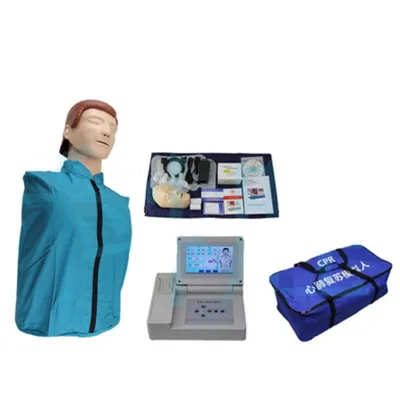


Advance Healthcare Educational Full-Body Adult CPR Training Nursing Manikin
$800.00 - $1000.00
MOQ: 1 Pieces

Lifelike Adult CPR Manikin with LED Training Display for Effective Learning (EM-006)
$365.00 - $380.00
MOQ: 2 Pieces


Comprehensive Sourcing Guide
Adult Child CPR Training Manikin Sourcing Guide
Procuring adult and child CPR training manikins requires distinguishing between specific anatomical models designed for distinct age groups and skill levels. The market offers specialized equipment ranging from infant and child CPR manikins to adult full-body simulation units, each tailored to specific training protocols. Buyers must verify that the selected model aligns with the intended curriculum, whether for medical students, nursing staff, or general public education. The observed product range includes models explicitly labeled for adult, child, and infant applications, ensuring that training scenarios accurately reflect real-world physiological differences.
Selection criteria should prioritize the functional capabilities of the manikin, such as the ability to simulate heart sounds, breath sounds, and bowel sounds for comprehensive nursing education. Some units are designed specifically for teaching the basics of human anatomy, while others focus on emergency response techniques. It is critical to confirm that the chosen device supports the specific guidelines required by your organization, such as the AHA 2015 Guideline for CPR and ECC. Ensuring the equipment matches the educational objective prevents wasted resources on incompatible training tools.
Product Scope and Observed Listing Signals
The available inventory spans a wide price spectrum, with observed listings ranging from 10 to 2800 USD, reflecting significant variations in material quality, feature sets, and packaging standards. This broad range indicates that buyers must carefully evaluate the value proposition of each unit, as lower-cost options may lack advanced features like replaceable external genitalia or specific auscultation capabilities. The minimum order quantities also vary widely, from single sets to bulk orders of 300 units, allowing flexibility for both small training centers and large institutional procurement needs.
Buyers should scrutinize the condition and customization options listed for each product to ensure they meet operational requirements. Most observed units are listed as new, yet some offer customization while others are strictly non-customized, impacting the ability to brand equipment or modify features for specific institutional needs. The packaging standards also differ, with options ranging from standard cartons to aluminum suitcases, which influences shipping costs and the durability of the equipment during transport. Understanding these listing signals helps in filtering the market to find products that balance cost with necessary functionality.
Technical Specifications to Verify
Technical verification must begin with the model number and specific application type, as the market contains distinct units like the CPR170 for children and the CPR160 for infants, alongside adult full-body models. Buyers need to confirm that the model number corresponds to the correct age group and that the device supports the required training functions, such as blood pressure measurement training or specific auscultation of heart and breath sounds. The material composition, typically PVC or plastic, should be durable enough for repeated use while remaining safe for skin contact during high-frequency training sessions.
Further technical checks should focus on the power requirements and sterilization status of the equipment. Most observed manikins operate without power, relying on mechanical feedback, which simplifies maintenance and reduces operational costs. However, buyers must verify the sterilization status, as many units are listed as non-sterilized and require specific cleaning protocols before each use. Additionally, the quality guarantee period, often cited as one year, should be clearly defined in the product specifications to ensure long-term reliability and support for the training facility.
Compliance and Safety Documentation
Compliance verification is essential when sourcing medical training equipment, as the market lists various certifications including CE, ISO, and RoHS. Buyers must ensure that the specific unit they intend to purchase carries the necessary certifications for their region and intended use, as some listings may only display partial certification data. The presence of CE and ISO marks generally indicates adherence to international safety and quality standards, but it is crucial to request valid documentation to confirm that the certification applies to the specific model and batch being ordered.
Safety documentation should also address the specific guidelines the manikin is designed to support, such as the AHA 2015 Guideline for CPR and ECC. Training institutions must verify that the equipment's feedback mechanisms and anatomical accuracy align with current medical standards to ensure that trainees are learning correct techniques. Furthermore, the product origin, often listed as Guangzhou, China, should be cross-referenced with import regulations and safety standards applicable in the buyer's country to avoid compliance issues during customs clearance or regulatory audits.
Cost Drivers and Commercial Terms
Cost drivers in this category are heavily influenced by the complexity of the manikin, including features like replaceable parts, specific anatomical details, and the inclusion of carrying cases. Units with advanced features such as auscultation capabilities or blood pressure training modules typically command higher prices, while basic models remain more affordable. The observed price range of 10 to 2800 USD suggests that buyers should define their budget constraints early to avoid overspending on unnecessary features or underinvesting in critical training tools.
Commercial terms, including minimum order quantities and packaging requirements, significantly impact the total cost of ownership. While some suppliers offer a minimum order of just one set, others may require bulk purchases of up to 300 units, which can affect cash flow and storage logistics. Buyers should also consider the packaging type, as standard paper cartons may be less protective than aluminum suitcases, potentially leading to higher shipping or replacement costs if damage occurs during transit. Negotiating clear terms regarding these variables is essential for a successful procurement strategy.
Supplier Qualification and Quality Control
Supplier qualification should focus on their ability to provide consistent quality and support, particularly regarding the customization and OEM capabilities observed in the market. Many suppliers accept OEM requests, allowing institutions to brand equipment or modify specifications, but buyers must verify the supplier's track record in delivering customized products that meet exact requirements. The condition of the products, typically listed as new, should be guaranteed upon delivery, and buyers should request evidence of quality control processes to ensure that every unit meets the stated specifications.
Quality control measures must also address the durability and reusability of the manikins, as these are critical for long-term training programs. The observed feature of reusability indicates that the equipment is designed for repeated use, but buyers should verify the maintenance requirements and the availability of replacement parts. Additionally, the supplier's location, often in China, should be evaluated for logistical efficiency and the ability to provide timely support. Establishing a clear communication channel with the supplier ensures that any quality issues can be resolved quickly and effectively.
Long-Term Procurement Checks
Long-term procurement checks should include regular audits of the equipment's condition and performance to ensure continued compliance with training standards. Over time, manikins may experience wear and tear, particularly in high-use areas, so buyers should establish a schedule for inspecting and maintaining the units. The one-year quality guarantee period provides a baseline for support, but institutions should plan for ongoing maintenance and potential part replacements to extend the lifespan of the equipment beyond the initial warranty.
Buyers should also monitor changes in medical guidelines and training requirements to ensure that their equipment remains relevant and effective. As standards evolve, such as updates to CPR guidelines, the training manikins must be capable of supporting these new protocols. Regular reviews of the supplier's product offerings and the availability of updated models can help institutions stay current without needing to replace their entire inventory. This proactive approach ensures that the training program remains high-quality and aligned with the latest medical best practices.
FAQs
What certifications do adult child cpr training manikins have?
These manikins typically hold CE and ISO certifications, ensuring compliance with international safety and quality standards. Some models also include RoHS certification for environmental safety. These credentials verify that the equipment meets rigorous manufacturing requirements for educational and clinical use in medical training environments.
Can adult child cpr training manikins be customized for schools?
Yes, customization is available for many models to suit specific institutional needs. Buyers can request tailored packaging or specific anatomical features. While some items are non-customized, others accept OEM requests. This flexibility allows medical schools and training centers to adapt the equipment for specialized teaching scenarios.
Which specifications are available for infant and child CPR manikins?
Specifications include dedicated models like the Infant CPR Manikin and Child CPR Manikin. These are designed to simulate specific age groups for accurate training. Other models cover adult full body scenarios. The specifications ensure that trainees practice techniques appropriate for different patient sizes and physiological responses during emergency situations.
How is the MOQ for adult child cpr training manikins determined?
The MOQ ranges from 1 to 300 units depending on the specific model and supplier. Some sets have an MOQ of just one unit, while others require larger bulk orders. Buyers should check individual product listings for exact minimum order quantities to plan their procurement strategy effectively for their training center.
What materials are used in adult child cpr training manikins?
Manufacturers primarily use durable PVC and plastic materials for these manikins. These materials ensure the equipment is reusable and withstands frequent use in clinical and household settings. The construction supports sterilization requirements, although some items are non-sterilized upon delivery. This durability makes them suitable for long-term educational use.
Where are adult child cpr training manikins manufactured?
These products are manufactured in China, with specific origins noted in Guangzhou. The standard package for export ensures safe international shipping. Buyers sourcing from this region benefit from established manufacturing capabilities for medical simulation equipment. The location supports efficient logistics for global distribution to educational and clinical institutions.