Source anti-scald cork coaster and placemat set for Home, Office, Cafe
Compare 30 anti-scald cork coaster and placemat set options from verified suppliers in China. Buyers can review customizable shapes, eco-friendly features, and pricing details for home, office, and restaurant use.
Key considerations
Products List


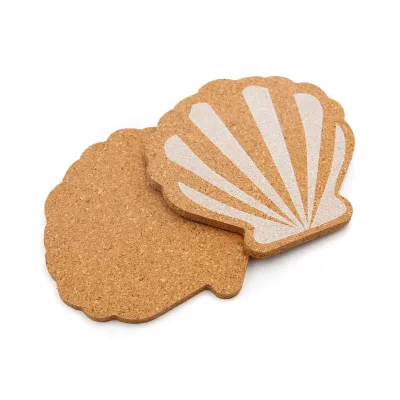
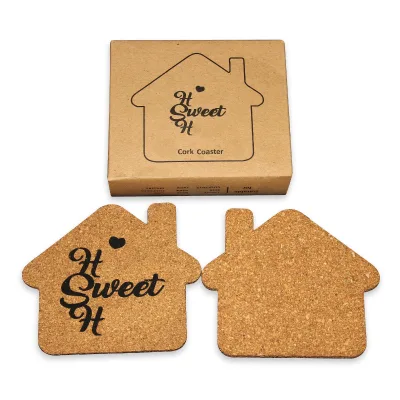
Wholesale Cork Placemats and Coasters Natural Eco Friendly Custom Logo Dining Table Set
$0.55 - $0.60
MOQ: 5000 Pieces


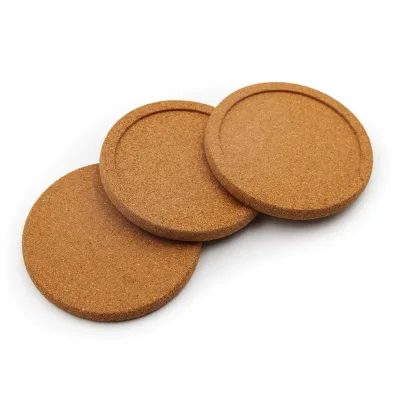
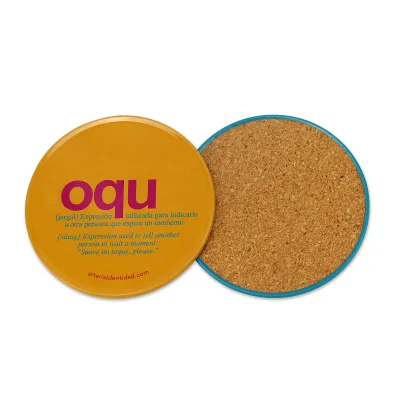
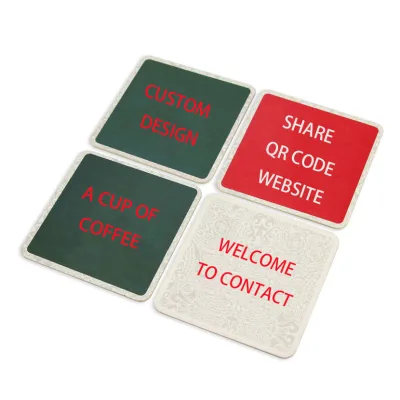
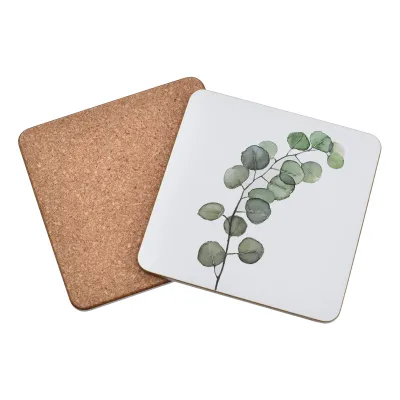


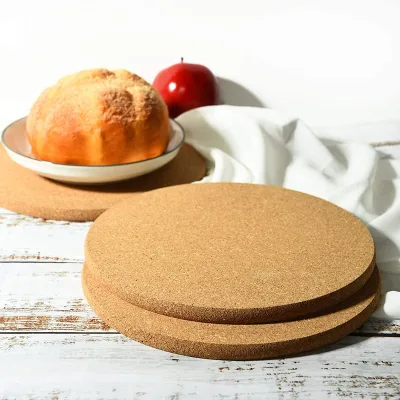
Waterproof Non-Slip Washable Placemats Coasters for Home Kitchen Restaurant and Hotel
$0.40 - $0.60
MOQ: 100 Pieces

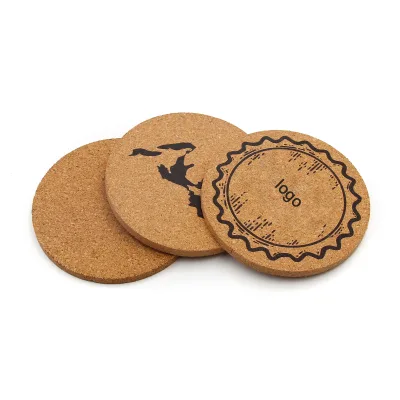
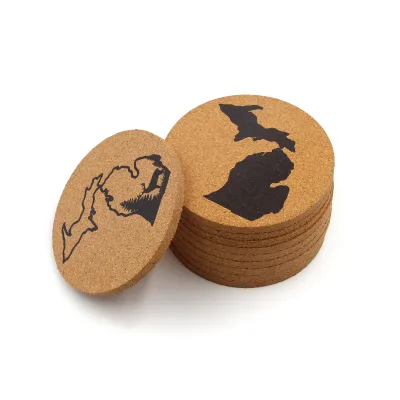
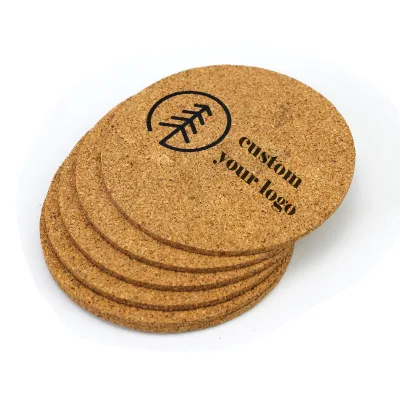
Perfect Quality Cork Mat for Home Office and Cork Coasters for Glasses Set
$0.07 - $0.23
MOQ: 1000 pieces
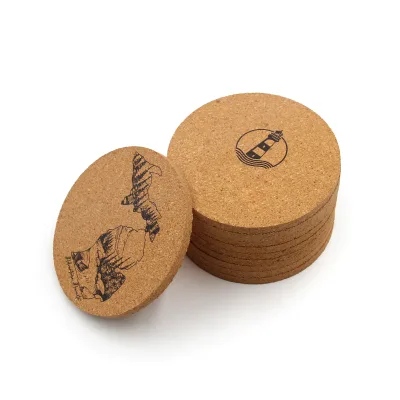
2024 Custom Eco Table Placemat Decor Round coaster Wood Cup Mat Custom Cork Coaster
$0.07 - $0.22
MOQ: 1000 pieces
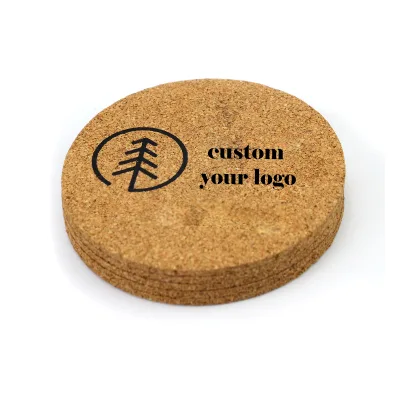
China Factories Color logo Printing Custom Printed logo Eco-friendly Cork coaster
$0.07 - $0.23
MOQ: 1000 pieces

Comprehensive Sourcing Guide
Strategic Sourcing Guide for Anti-Scald Cork Coaster and Placemat Sets
Understanding Material Properties and Thermal Performance
When sourcing anti-scald cork coaster and placemat sets, the primary value proposition lies in the natural thermal insulation properties of cork bark. The material acts as a natural barrier against heat transfer, protecting surfaces from hot beverages and cookware. Based on observed product attributes, these items are frequently described as "Heat Insulation" and "Eco-Friendly," confirming their suitability for high-temperature applications in dining environments. The natural composition of cork provides a cellular structure that traps air, effectively reducing the risk of scalding surfaces and preventing heat damage to tables.
Buyers must distinguish between the specific thermal ratings of different cork grades. While the supplied data indicates a "Heat Insulation" feature, it does not provide specific temperature thresholds or R-values. Therefore, procurement teams should request thermal conductivity test reports from potential suppliers to verify the material's ability to withstand specific temperatures, such as those generated by boiling water or hot plates. The "Natural Color" and "Brown" variations observed in listings suggest that the cork is often used in its raw state to preserve these thermal characteristics, though some products may feature printed patterns. The "Eco-Friendly" designation is a critical observation, as cork is a renewable resource harvested without felling the tree, making it a sustainable choice for environmentally conscious brands.
Technical Specifications and Dimensional Variability
The technical landscape for cork coasters and placemats is defined by significant variability in dimensions and shapes, which directly impacts their application. The supplied product data reveals a wide spectrum of specifications. For instance, one model lists a diameter of 95mm, while another specifies a standard of 190mm diameter with a thickness of 9mm. A third entry notes a thickness of 0.4 inches, which is approximately 10mm, aligning closely with the 9mm specification. This variation indicates that "Customized" is not merely a marketing term but a fundamental aspect of the product category.
The shape of the product is equally diverse. Listings explicitly mention "Square," "Round," and "Customized" shapes. Specific dimensions such as "9cm Square or 9cm Round/10 cm" highlight the need for precise ordering. When sourcing placemats, the "190mm Dia." specification suggests a standard coaster size, whereas larger placemats would require different dimensional parameters not fully detailed in the current dataset but implied by the "Customized" standard. Buyers must verify the exact thickness and diameter required for their specific use case, as a 9mm thickness may be ideal for coasters but insufficient for large placemats requiring more cushioning. The "Standard" field often includes ranges like "4-8inch Dia.," suggesting that standard inventory may exist within this bracket, while bespoke orders allow for dimensions outside these norms.
Compliance, Certification, and Safety Standards
In the B2B procurement of cork products, verifying compliance with safety and environmental standards is paramount. The supplied text mentions "Customized" standards and references "Shandong, China" as a primary origin, which is a major manufacturing hub for cork and wood products. However, the text does not explicitly list specific international certifications such as FDA, LFGB, or FSC (Forest Stewardship Council). Consequently, buyers cannot assume compliance based on the provided data alone.
Procurement teams must actively request documentation regarding food safety and material toxicity. Since these products are used in "Home, Office, Restaurant, and Cafe" settings, they must meet strict hygiene and safety regulations. The "Waterproof" attribute observed in some listings is particularly relevant; while cork is naturally water-resistant, a "Waterproof" claim often implies a specific coating or treatment. Buyers should verify the nature of this treatment to ensure it does not introduce harmful chemicals, especially if the product is intended for direct food contact or frequent washing.
Furthermore, the "Eco-Friendly" and "Environmentally Friendly" attributes should be substantiated with third-party verification. Buyers should inquire about the sourcing of the cork to ensure it comes from sustainable forests and that the manufacturing process adheres to environmental regulations. The absence of specific certification names in the source data necessitates a proactive approach where the buyer defines the required compliance standards and asks the supplier to confirm adherence through valid certificates.
Cost Drivers and Minimum Order Quantity Analysis
The cost structure of anti-scald cork sets is influenced by several factors, including material quality, customization levels, and order volume. The observed price range in the market data spans from $0.07 to $5.85 USD. This wide disparity suggests that the final price is heavily dependent on the specific product configuration, such as the inclusion of metal holders, the complexity of the shape, or the packaging method. For example, a simple square coaster in natural color may fall at the lower end of the spectrum, while a set with a metal holder and custom printing could approach the higher limit.
Minimum Order Quantity (MOQ) is another critical cost driver. The data presents a range of 100 to 5000 units, with specific listings showing MOQs of 5000 and 1000 pieces. This variance indicates that suppliers have different thresholds based on their production capacity and the level of customization required. High-volume orders often benefit from economies of scale, potentially lowering the unit cost. However, the "Customized" nature of the product means that lower MOQs might be available only for standard shapes and colors, whereas bespoke designs typically require higher volume commitments to justify the setup costs. Buyers should be prepared to negotiate MOQs based on their specific needs, understanding that standard items may offer more flexibility than fully customized orders.
Supplier Evaluation and Operational Capabilities
Evaluating suppliers for cork coaster and placemat sets requires a focus on their manufacturing capabilities and logistical reliability. The data indicates that the primary production location is "Shandong, China," a region known for its manufacturing infrastructure. When assessing potential partners, buyers should verify the supplier's capacity to handle "OEM/ODM" requests, as the data confirms that support for these services is available. This capability is essential for brands looking to add their own logos or design elements, although the current listings show a mix of "Without Logo Printing" and "Printed Pattern" options.
Packaging is another key evaluation criterion. The observed packaging details vary from "Separate Heat Shrink Film, Outer Carton" to "OPP Bag + Carton" and "Polybag." The choice of packaging affects both the protection of the product during transit and the unboxing experience for the end consumer. For high-end markets, the "Heat Shrinkable Film" and "Carton" options suggest a more premium presentation. Buyers should ensure that the packaging method aligns with their brand standards and that it provides adequate protection against moisture and physical damage, given the natural porosity of cork.
Quality Control and Inspection Protocols
Implementing a robust quality control (QC) strategy is vital when sourcing natural materials like cork. The "Single Gross Weight" attribute is listed in the data, but the specific values are inconsistent or missing, highlighting the need for precise weight verification during inspections. Cork products can vary in density and weight due to natural growth variations. Buyers should establish clear tolerances for weight and dimensions to ensure consistency across batches.
Inspection protocols should focus on several key areas: dimensional accuracy, surface finish, and structural integrity. The "Square" and "Round" shapes must be cut precisely to avoid jagged edges that could damage table surfaces or pose a safety hazard. The "Heat Insulation" and "Waterproof" claims must be validated through spot testing. For waterproof products, a simple water droplet test can verify the effectiveness of the coating. Additionally, the "Eco-Friendly" claim should be backed by visual inspection to ensure no synthetic fillers or low-quality adhesives are used that would compromise the natural integrity of the cork.
Long-Term Procurement and Application Strategy
The long-term success of sourcing cork coaster and placemat sets depends on aligning the product with the intended application environment. The data lists usage scenarios including "Home, Office, Restaurant, Cafe," indicating versatility. However, the durability requirements for a busy restaurant differ significantly from those for a home decor item. In high-traffic commercial settings, the "Waterproof" and "Heat Insulation" features are critical for longevity and safety.
Buyers should consider the lifecycle of the product. Cork is durable but can degrade if exposed to excessive moisture or direct sunlight over long periods. The "Natural Color" and "Brown" options suggest that the product may be prone to fading if not treated properly. For long-term procurement, establishing a relationship with a supplier who offers consistent quality and reliable lead times is essential. The "Customized" standard allows for future product iterations, enabling buyers to adapt their offerings to changing market trends or customer preferences. By focusing on suppliers who support "OEM/ODM" and offer flexible packaging, buyers can build a resilient supply chain that adapts to the evolving needs of the hospitality and retail sectors.
Comparative Overview of Product Attributes
To assist in decision-making, the following table summarizes the key attributes observed in the market data, highlighting the variability buyers must navigate.
| Attribute Category | Observed Variations | Procurement Consideration |
|---|---|---|
| Shape | Square, Round, Customized | Verify exact dimensions (e.g., 9cm vs 10cm) for fit. |
| Dimensions | 95mm, 190mm Dia, 0.4 inch Thick | Confirm thickness (9mm vs 10mm) for thermal performance. |
| Color/Finish | Natural Color, Brown, Printed Pattern | Check if printing affects the natural texture or eco-status. |
| Packaging | Heat Shrink Film, OPP Bag, Polybag | Select based on brand image and protection needs. |
| MOQ | 100, 1000, 5000 units | Negotiate based on customization level and volume. |
| Origin | Shandong, China | Verify logistics and lead times from this region. |
| Features | Heat Insulation, Waterproof, Eco-Friendly | Request test reports to validate these specific claims. |
| Usage | Home, Office, Restaurant, Cafe | Match product durability to the specific environment. |
By carefully analyzing these attributes and adhering to the verification steps outlined, buyers can effectively source high-quality anti-scald cork coaster and placemat sets that meet their specific operational and branding requirements. The key lies in balancing the natural benefits of cork with the rigorous demands of modern B2B procurement standards.
FAQs
What shapes are available for anti-scald cork coaster and placemat set?
Available shapes include square, round, and customized options. Specific dimensions observed range from 9cm to 190mm diameter with thicknesses around 9mm or 0.4 inches, allowing buyers to select based on table requirements.
Can I customize the dimensions and packaging for this product?
Yes, customization is available for dimensions, shapes, and packaging details. Buyers can request specific diameters and thicknesses, with packaging options ranging from heat shrink film to OPP bags and cartons depending on the order.
What is the minimum order quantity for anti-scald cork coaster and placemat set?
The minimum order quantity varies between 100 and 5000 pieces depending on the supplier and customization level. Some listings specify 1000 or 5000 units as the baseline for standard or customized orders respectively.
Where are these cork products manufactured and what is the origin?
The primary manufacturing origin is Shandong, China. This region is a known hub for producing cork and wood products, ensuring access to established supply chains for these specific thermal insulation items.
Do these sets offer heat insulation and waterproof features?
Yes, the products feature heat insulation to protect surfaces from hot beverages and waterproof capabilities. These attributes make them suitable for use in homes, offices, restaurants, and cafes where thermal protection is essential.
What are the typical price ranges for these cork sets?
The observed price range spans from 0.07 to 5.85 USD per unit. Final pricing depends on factors such as shape, inclusion of metal holders, customization, and the specific packaging method selected by the buyer.