Source Recyclable Plastic Lip Balm Tube for Cosmetics, Packaging, and Gifts
Compare 30 listings of Recyclable Plastic Lip Balm Tube options from Chinese manufacturers. Buyers can evaluate customization, MOQ, and packing details for cosmetics and packaging needs.
Key considerations
Products List


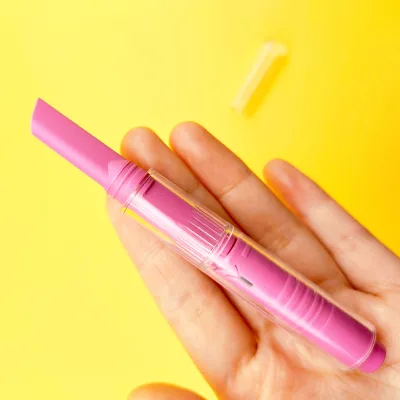


Flexible Plastic Squeeze Lip Balm Lipstick Lip Gloss Tube Soft Tip Tube
$0.08 - $0.50
MOQ: 10000 Pieces


7g 8g Empty Lip Balm Container Tube Plastic Packaging Lip Lipstick Tube
$0.20 - $0.40
MOQ: 10000 Pieces


Biodegradable Lip Balm Squeeze Empty Tube 5ml 10ml for Lip Oil Recyclable Packaging
$0.03 - $0.30
MOQ: 10000 Pieces

Custom High Quality Eco-Friendly Recycled Lip Balm Packaging Empty Lip Balm Tube
$0.14 - $0.15
MOQ: 10000 Pieces


Biodegradable Kraft Paper Lip Balm Tube for Eco-Friendly Cosmetic Packaging
$0.14 - $0.23
MOQ: 10000 Pieces



Comprehensive Sourcing Guide
Strategic Sourcing Guide for Recyclable Plastic Lip Balm Tubes
Procuring recyclable plastic lip balm tubes requires a nuanced understanding of material science, supply chain logistics, and regulatory compliance. The global shift toward sustainable packaging has elevated the demand for eco-friendly cosmetic containers, yet the market is fragmented with varying definitions of "recyclable" and inconsistent manufacturing standards. Buyers must navigate a landscape where product attributes are often observed rather than universally guaranteed. This guide provides a structured approach to sourcing, grounded in verified product data and industry best practices, ensuring that procurement decisions are based on factual observations rather than marketing assertions.
Technical Specifications and Material Composition
The foundation of any successful sourcing strategy lies in defining precise technical specifications. For recyclable plastic lip balm tubes, the material composition is the primary differentiator. Observed data indicates that the market utilizes both plastic and paper as primary materials, though the core keyword specifically targets plastic. When evaluating plastic options, buyers should verify the specific polymer type, as this dictates recyclability and compatibility with cosmetic formulations.
Dimensions and capacity are critical variables. Product observations reveal standard sizes such as 8ml, which is a common volume for lip care products. However, the market also supports customized sizes, with specifications ranging from standard dimensions to fully adjusted body lengths within the tube capacity range. The shape of the tube is another key specification; while round shapes are prevalent, customization is available to meet brand identity needs. Surface treatment processes, such as screen printing, labeling, and custom manufacturing, allow for branding integration. Buyers must confirm whether the surface treatment is compatible with the chosen printing method, as some finishes may require specific inks or adhesives.
The structural integrity of the tube is often determined by its layer composition. Data points suggest options for two-layer or five-layer constructions. Multi-layer tubes often provide better barrier properties against moisture and air, which is essential for preserving the quality of lip balm formulations. The cap and bottle assembly must also be scrutinized; some products feature a plastic cap paired with a plastic bottle, while others may utilize different mechanisms. Ensuring that the cap seals tightly is vital to prevent leakage and product oxidation.
Compliance and Certification Verification
Navigating the regulatory landscape is essential for international trade. While specific certification statuses vary by supplier, the presence of ISO, CE, and FSC certifications is a strong indicator of a supplier's commitment to quality and environmental standards. The FSC (Forest Stewardship Council) certification is particularly relevant for paper-based packaging, but its mention in the context of general cosmetic packaging suggests a broader commitment to sustainable sourcing.
Buyers must verify that the claimed certifications are current and applicable to the specific product line. For instance, while ISO certification is frequently observed, the specific standard (e.g., ISO 9001:2015 or ISO 22716) should be confirmed against the supplier's documentation. These standards relate to quality management and cosmetic good manufacturing practices, respectively. It is crucial to distinguish between general company certifications and product-specific compliance. The absence of a specific certification in the product listing does not necessarily imply non-compliance, but it requires the buyer to request evidence of adherence to relevant local and international regulations.
Furthermore, the recyclability claim must be substantiated. The attribute "100% Recyclable" is observed in some listings, but buyers should verify the specific recycling codes (e.g., PP, PE, PET) and the availability of recycling infrastructure in the destination market. A tube may be technically recyclable but effectively end up in a landfill if local facilities do not process that specific plastic type.
Cost Drivers and Pricing Dynamics
Understanding the cost structure of recyclable plastic lip balm tubes is vital for budgeting and negotiation. The observed price range in the market spans from $0.01 to $0.99 per unit, reflecting a wide spectrum of quality, customization, and order volume. This significant variance suggests that price is heavily influenced by the complexity of the design, the material quality, and the scale of production.
The Minimum Order Quantity (MOQ) is a primary cost driver. Data indicates an MOQ range from 10 to 20,000 units, with specific high-volume listings showing an MOQ of 10,000 pieces. Suppliers with lower MOQs may charge a premium per unit to cover setup costs, while high-volume orders benefit from economies of scale. Buyers should be aware that negotiating a lower MOQ might result in a higher unit price, whereas committing to a larger volume can significantly reduce the cost per unit.
Additional cost factors include customization options. Features such as custom logos, specific colors (pink, transparent, glossy, matt), and specialized surface treatments like hot stamping or gold stamping add to the production cost. The choice of packaging, whether it is a simple carton, a tray with a corrugated box, or an inner PE bag, also impacts the final price. Buyers should request a detailed breakdown of costs to understand where the value lies, particularly when comparing suppliers with similar specifications.
Typical Applications and Market Fit
Recyclable plastic lip balm tubes are primarily designed for the cosmetics industry, specifically for lip care products such as balms, glosses, and treatments. The versatility of these tubes allows them to be used by a wide range of brands, from mass-market retailers to niche organic lines. The "Regular specifications" and "Customized Size" options cater to different product formulations, ensuring that the packaging fits the viscosity and volume of the lip balm.
The aesthetic flexibility of these tubes, with options for various colors and finishes, makes them suitable for diverse brand identities. The ability to apply screen printing, labeling, or custom logos allows brands to create a cohesive look that aligns with their marketing strategy. The recyclable nature of the packaging appeals to environmentally conscious consumers, making it a strategic choice for brands aiming to enhance their sustainability credentials.
When selecting a tube, buyers should consider the end-user experience. The tube should be easy to open and close, with a mechanism that prevents product waste. The surface finish, whether glossy or matt, should provide a premium feel that enhances the perceived value of the product. Additionally, the durability of the tube during shipping and storage is crucial to prevent damage and ensure the product arrives in perfect condition.
Supplier Evaluation and Selection Criteria
Evaluating potential suppliers requires a systematic approach to ensure reliability and quality. The origin of the product is a key factor, with major manufacturing hubs identified in China, specifically in regions like Yangzhou, Jiangsu, and Zhejiang. These regions have established supply chains for cosmetic packaging, offering a wide range of options and competitive pricing.
Buyers should assess the supplier's capability to meet customization needs. The availability of free samples is a significant advantage, allowing buyers to physically inspect the product quality before committing to a large order. The ability to provide customized logos and colors indicates a flexible manufacturing process. It is also important to verify the supplier's production capacity and lead times, although specific lead time data is not universally provided in the source material.
The supplier's commitment to quality control is paramount. Buyers should inquire about the supplier's internal testing procedures and their ability to provide test results or quality assurance documentation. The presence of certifications like ISO and CE suggests a structured approach to quality management, but direct verification is necessary. Additionally, the supplier's responsiveness to inquiries and their willingness to negotiate terms, such as MOQ and pricing, are indicators of a partnership-oriented relationship.
Quality Control and Long-Term Procurement
Implementing a robust quality control (QC) process is essential for maintaining product standards. Buyers should establish clear acceptance criteria for dimensions, color accuracy, and surface finish. Regular inspections during production and pre-shipment checks can help identify and rectify issues before the goods are shipped. The use of standardized packaging, such as cartons with inner PE bags or trays with corrugated boxes, helps protect the tubes during transit.
Long-term procurement considerations involve building a sustainable supply chain. Buyers should prioritize suppliers who demonstrate a genuine commitment to sustainability, not just in marketing but in their operational practices. This includes verifying the recyclability of the materials and the efficiency of their production processes. Establishing a long-term relationship with a reliable supplier can lead to better pricing, priority production slots, and consistent quality.
Buyers should also consider the total cost of ownership, including logistics, duties, and potential returns. The price terms, such as EXW (Ex Works) or FOB (Free on Board), affect the buyer's responsibility for shipping and insurance. Understanding these terms is crucial for accurate cost forecasting. Finally, maintaining open communication with the supplier regarding market trends and regulatory changes ensures that the procurement strategy remains aligned with industry developments.
Comparison of Key Product Attributes
To facilitate decision-making, the following table summarizes the key attributes observed in the market for recyclable plastic lip balm tubes. This comparison highlights the variability in specifications and helps buyers identify the features that best match their requirements.
| Attribute | Observed Options | Notes for Verification |
|---|---|---|
| Material | Plastic, Paper | Confirm polymer type for recyclability. |
| Volume | 8ml, Regular, Custom | Ensure compatibility with formulation. |
| Shape | Round, Custom | Check cap compatibility with shape. |
| Color | Pink, Transparent, Glossy, Matt, Colored | Verify color consistency and finish. |
| Certification | ISO, CE, FSC | Request valid certificates for specific products. |
| MOQ | 10, 10,000, 20,000 | Negotiate based on volume and budget. |
| Surface Treatment | Screen Printing, Labeling, Custom Make | Confirm ink/adhesive compatibility. |
| Packing | Carton, Inner PE Bag, Tray, Corrugated Box | Assess protection level for shipping. |
| Origin | China (Yangzhou, Zhejiang) | Verify factory location and logistics. |
| Sample | Free, Free (In Stock) | Request samples for physical inspection. |
By adhering to these guidelines and leveraging the observed data, buyers can make informed decisions when sourcing recyclable plastic lip balm tubes. The focus on verified facts, combined with a strategic approach to supplier evaluation and quality control, ensures a procurement process that is both efficient and effective.
FAQs
What certifications are available for recyclable plastic lip balm tubes?
Available certifications include ISO, CE, and FSC for verified quality and sustainability. Buyers should request valid certificates for specific product lines, as general company certifications do not guarantee product-specific compliance with all local regulations.
How can I customize the logo on these lip balm tubes?
Custom logos are supported through screen printing, hot stamping, and labeling processes. The surface treatment must be compatible with the chosen ink or adhesive, and buyers should confirm finish compatibility before ordering customized branding.
What is the minimum order quantity for these tubes?
The minimum order quantity ranges from 10 to 20,000 units depending on the supplier. Specific high-volume listings often require 10,000 pieces, while lower MOQs may incur a higher unit price to cover setup costs.
Which materials are used for recyclable lip balm packaging?
Products are observed to be made from both plastic and paper materials. Buyers must verify the specific polymer type for plastic options to ensure actual recyclability and compatibility with cosmetic formulations in their target markets.
Can I get free samples before placing a large order?
Free samples are available for many suppliers, including those with stock items. This allows buyers to physically inspect product quality, color accuracy, and surface finish before committing to a large production volume.
What volume capacities are standard for these lip care tubes?
Standard capacities include 8ml, which is common for lip care products. Customized sizes are also available, with body lengths adjusted within the tube capacity range to fit specific formulation viscosities and volumes.
Where are these lip balm tubes manufactured?
Major manufacturing hubs are located in China, specifically in Yangzhou, Jiangsu, and Zhejiang. These regions offer established supply chains with competitive pricing and a wide range of cosmetic packaging options.