Source Aerosol Liquid Carpet Foam Cleaner for Tableware, Bath, and Hardware
Compare 30 listings for Aerosol Liquid Carpet Foam Cleaner with capacities from 300ml to 1000ml. Buyers can evaluate options for tableware, bath, and hardware applications with customizable packaging and eco-friendly features; compare the available evidence and request quotations based on your requirements.
Updated
Key considerations
Products List


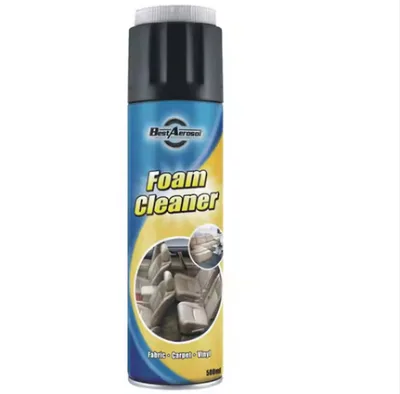
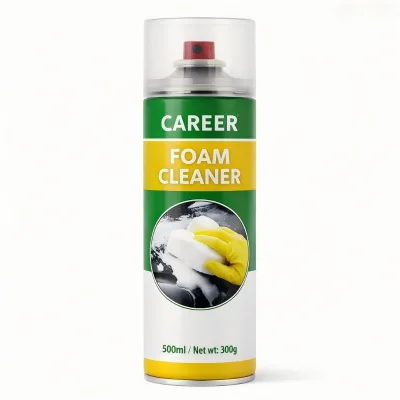


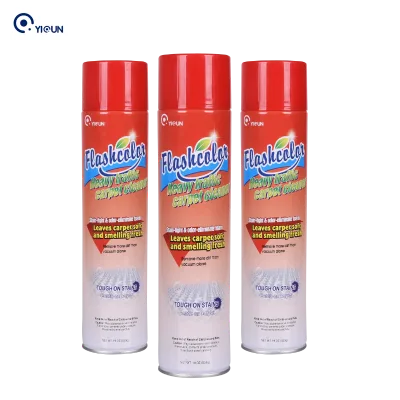
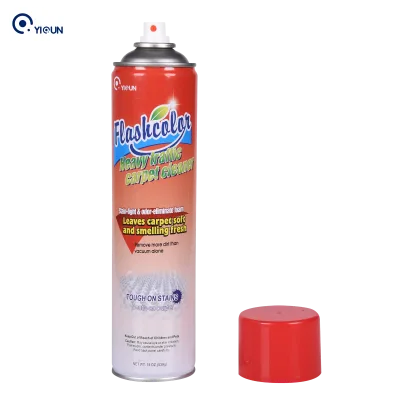
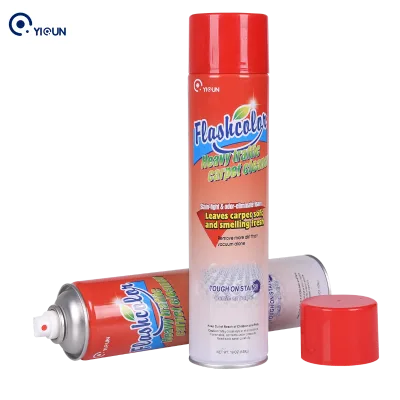


Aerosol Carpet Foam Spray Upholstery Cleaner for Home and Car Carpet/Upholstery
$0.50 - $0.55
MOQ: 20000 Pieces
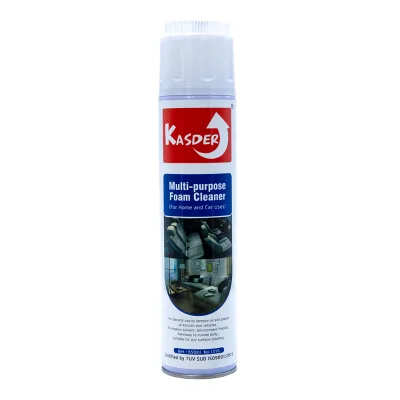
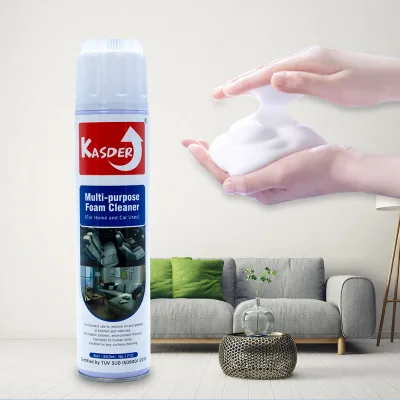
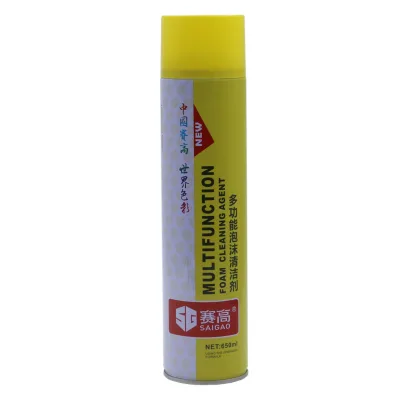
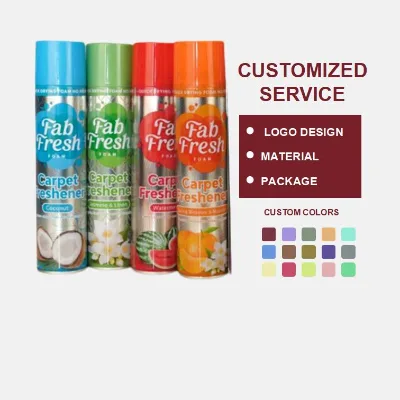
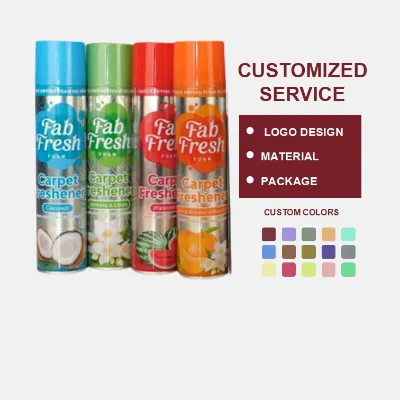
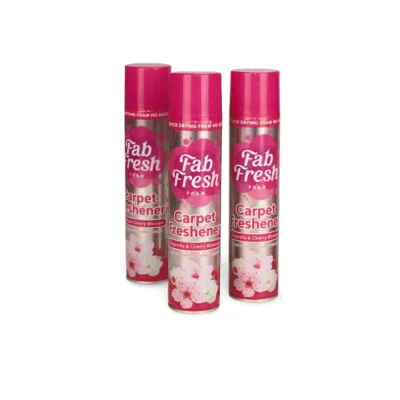
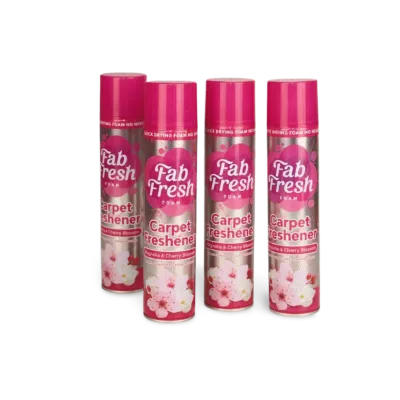
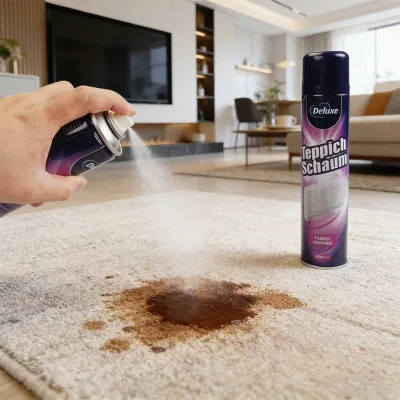
Professional Household Neutralizing Odors Strength Spot Stain Carpet Cleaner
$0.5471 - $0.5981
MOQ: 20000 pieces
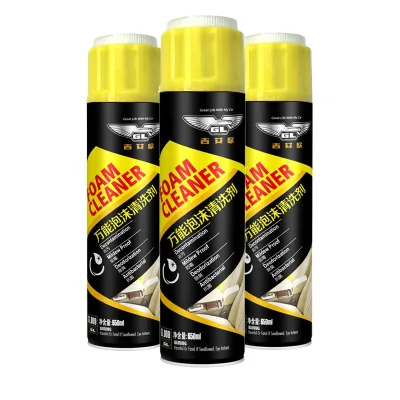
Powerful Multifunctional Car Foam Cleaner Manufacture Auto Carpet Cleaner
$0.6686 - $1.1302
MOQ: 6 pieces
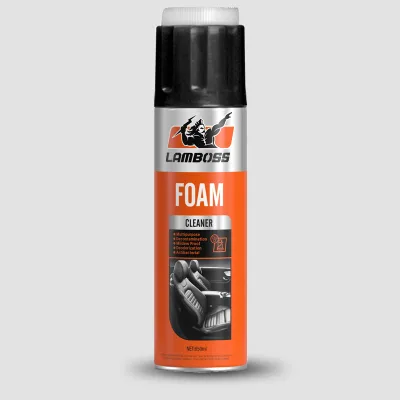
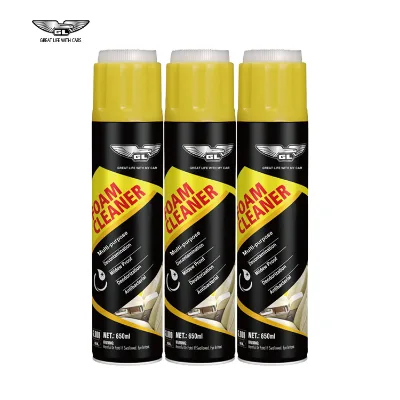
Leather Seats Cleaner Multi-Purpose Foam Cleaner Spray Sofa Cleaning Wholesale
$0.5276 - $0.7975
MOQ: 6000 pieces

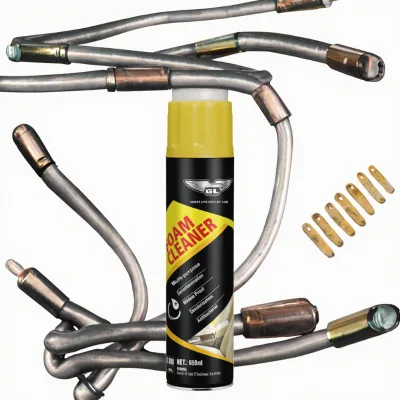
Customization Label Car Cleaning All-purpose Foaming Cleaner Factory Carpet Cleaner
$0.6116 - $0.8499
MOQ: 6000 pieces
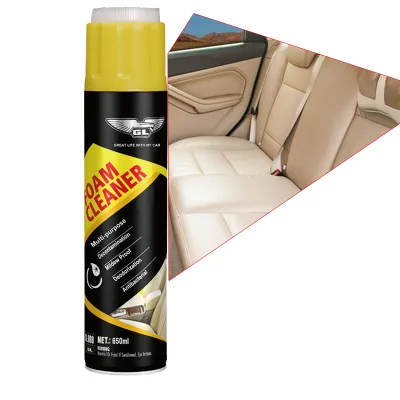
Multi-Purpose Surface Protectant Carpet Cleaner Foam Spray Premium Wash Solution
$0.4947 - $0.8544
MOQ: 7 pieces
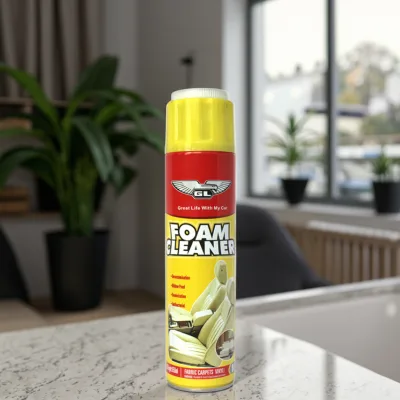
650ml Functional Multi Purpose Cleaning Foam Deep Cleaning Auto Carpet Cleaner
$0.5052 - $0.9264
MOQ: 6 pieces
Comprehensive Sourcing Guide
Aerosol Liquid Carpet Foam Cleaner Sourcing Guide
Sourcing aerosol liquid carpet foam cleaners requires a careful balance between cleaning efficacy, packaging integrity, and regulatory compliance. Buyers must navigate a market where product attributes vary significantly, from pH levels to scent profiles, ensuring the selected formulation meets specific operational needs. The observed data indicates a diverse range of capacities, typically between 300ml and 1000ml, with weights ranging from 200g to 600g per unit. This variability necessitates precise specification alignment to avoid logistical mismatches or performance shortfalls in the final application environment.
Procurement decisions should also account for customization capabilities and origin logistics. Many suppliers offer OEM services, allowing for custom packaging designs and logo printing, which is critical for brand differentiation. Origins are primarily reported from regions like Qingdao and Guangdong in China, suggesting established manufacturing hubs for these types of chemical products. Understanding these geographic and logistical factors helps buyers estimate lead times and shipping costs, forming the foundation of a reliable supply chain strategy for bulk procurement.
Product Scope and Observed Listing Signals
The product landscape for aerosol cleaners includes a wide array of formulations, some explicitly labeled for engine enrichment or general tableware and toilet use, while others target hardware and screen cleaning. This diversity highlights the importance of verifying the specific application intent before placing orders. For instance, some listings describe the product as an "Unscented" base with a pH level categorized as "Base," which may suit industrial environments where strong odors are undesirable. Conversely, other attributes like "Eco-Friendly" features or specific model numbers such as CC-058 or YQ-C-0163 indicate specialized variants that may require distinct handling or storage protocols.
Packaging and presentation also serve as key signals for product quality and supplier professionalism. Standard packing often involves cartons with specific quantities per unit, such as 12 pieces per carton, which impacts palletization and warehouse efficiency. Buyers should note that some products are marketed with specific brand names like MOTO GLEM or CAREER, while others are generic. The presence of stock status and single-item selling units suggests flexibility for smaller initial orders, but the wide MOQ range from 6 to 25,000 units indicates that volume discounts and production scheduling will vary significantly based on order size.
Technical Specifications to Verify
Technical verification must begin with capacity and volume consistency, as observed ranges span from 300ml to 1000ml. Buyers should confirm that the actual fill volume matches the labeled capacity to ensure cost efficiency and regulatory compliance. Additionally, the physical dimensions of the single package, such as 28x21x28 cm, and the gross weight of approximately 5.000 kg per unit, are critical for calculating freight costs and storage requirements. These metrics directly influence the total landed cost and must be validated against supplier quotes to avoid unexpected logistics expenses.
Formulation details, including purity, appearance, and material composition, require close scrutiny. While some products are described with an "air" appearance or "OTHER" material classifications, buyers should request detailed technical data sheets to understand the chemical makeup. The validity period, often cited as three years, is another crucial technical parameter that affects inventory management. Ensuring that the product remains stable and effective throughout its shelf life prevents waste and maintains cleaning performance standards, particularly for long-term storage scenarios.
Compliance and Safety Documentation
Regulatory compliance is paramount when importing chemical cleaning products, particularly those delivered in aerosol form. Buyers must verify that suppliers hold relevant certifications such as CE, RoHS, SGS, and GMP, which indicate adherence to international safety and quality standards. These documents provide assurance that the manufacturing process meets stringent environmental and health requirements, reducing the risk of customs delays or legal liabilities in the destination market. Without these certifications, the product may face restrictions or additional testing requirements upon entry.
Safety data sheets (SDS) and ingredient disclosures are essential for proper handling and disposal. Although specific chemical compositions may be proprietary, suppliers should provide clear information on hazardous properties, first-aid measures, and storage conditions. The mention of REACH compliance in background contexts suggests that European markets may require additional registration and notification processes. Buyers should ensure that all documentation is up-to-date and accurately reflects the current formulation to maintain continuous compliance and protect end-users from potential health risks.
Cost Drivers and Commercial Terms
Pricing for aerosol liquid carpet foam cleaners varies based on volume, customization, and packaging complexity. The observed price range of $0.39 to $1.13 per unit reflects these variables, with lower prices typically associated with higher MOQs and standard packaging. Buyers should analyze the cost structure to understand how factors like logo printing, custom carton designs, and specific model selections impact the final unit price. Transparent pricing helps in budgeting and comparing suppliers on a like-for-like basis, ensuring that hidden costs do not erode profit margins.
Commercial terms, including payment methods and delivery schedules, significantly affect cash flow and operational planning. Suppliers may offer flexible payment terms for established relationships, but new buyers should prioritize secure transaction methods. Lead times can vary based on production capacity and order size, with larger orders potentially requiring longer preparation periods. Understanding these terms allows buyers to negotiate favorable conditions and align procurement cycles with sales forecasts, minimizing stockouts and excess inventory costs.
Supplier Qualification and Quality Control
Supplier qualification involves assessing manufacturing capabilities, quality management systems, and past performance. Buyers should request evidence of production facilities, such as photos or virtual tours, to verify that the supplier has the infrastructure to produce aerosol products safely and efficiently. Quality control processes, including in-line inspections and final product testing, are critical to ensuring consistency across batches. Suppliers with robust QC systems are less likely to deliver defective products, reducing the risk of returns and customer dissatisfaction.
Communication and responsiveness are also key indicators of supplier reliability. A qualified supplier should provide clear and timely responses to inquiries, technical questions, and order updates. They should be willing to provide samples for evaluation before committing to large orders, allowing buyers to assess product quality firsthand. Building a relationship with a supplier who demonstrates professionalism and transparency fosters trust and facilitates smoother transactions, ultimately contributing to a more stable and efficient supply chain.
Long-Term Procurement Checks
Long-term procurement success depends on continuous monitoring of supplier performance and market trends. Buyers should establish key performance indicators (KPIs) such as on-time delivery rates, product defect rates, and responsiveness to issues. Regular audits and feedback sessions help identify areas for improvement and ensure that suppliers remain aligned with evolving business needs. Maintaining open communication channels allows for proactive problem-solving and strengthens the partnership over time.
Adapting to regulatory changes and market demands is essential for sustained competitiveness. Buyers should stay informed about updates in chemical regulations, environmental standards, and consumer preferences. This awareness enables timely adjustments to product specifications and sourcing strategies, ensuring that the procurement portfolio remains relevant and compliant. By integrating these long-term checks into the procurement process, buyers can mitigate risks and capitalize on opportunities for growth and efficiency.
FAQs
What is the typical capacity range for these aerosol cleaners?
The typical capacity ranges from 300ml to 1000ml, with common options including 300ml, 400ml, 500ml, and 650ml sizes. This variety allows buyers to select volumes suitable for different cleaning intensities and packaging preferences, ensuring the product fits specific operational needs effectively.
Can manufacturers provide custom packaging and branding services?
Yes, customization is available for packaging and branding. Suppliers offer services to design new packaging or print your logo directly on the product. This flexibility supports private labeling strategies, allowing businesses to maintain brand consistency and create unique market identities for their cleaning product lines.
What certifications are commonly associated with these products?
Common certifications include CE, RoHS, SGS, and GMP standards. These credentials indicate compliance with international safety and quality regulations. Buyers should verify specific documentation with suppliers to ensure the products meet the regulatory requirements of their target markets and distribution channels.
Where are these aerosol cleaners typically manufactured?
These products are primarily manufactured in China, with specific origins noted in Qingdao and Guangdong provinces. Sourcing from these regions provides access to established manufacturing hubs with specialized capabilities in aerosol production and chemical formulation, offering reliable supply chain infrastructure for international buyers.
What is the minimum order quantity for bulk purchases?
The minimum order quantity varies significantly, ranging from 6 units to 25,000 units depending on the supplier and product specifications. This wide range accommodates both small trial orders and large-scale industrial procurement, allowing buyers to scale their purchasing based on immediate demand and storage capacity.
What is the shelf life of these cleaning chemicals?
The validity period for these products is typically three years. This shelf life ensures product stability and efficacy during storage and distribution. Buyers should check expiration dates upon receipt to maintain quality standards and ensure optimal performance when the cleaner is eventually deployed for cleaning tasks.