Source Air Conditioning Interchangeable Filter Cartridges for Industry, Food, Medicine
Find 30 listings for Air Conditioning Interchangeable Filter Cartridges suitable for industrial, food and beverage, and medical applications. Buyers can compare specifications, materials, and certifications to select the right filtration solution for their needs.
Key considerations
Products List


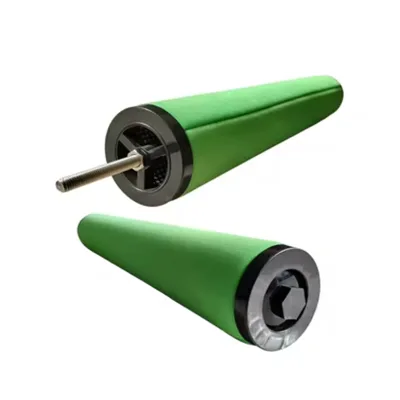


1000+ Pieces Supply Capacity High-Performance Filter Element Cartridge
$32.00 - $46.00
MOQ: 200 Pieces


Comprehensive Sourcing Guide
Strategic Sourcing Guide for Air Conditioning Interchangeable Filter Cartridges
Understanding Technical Specifications and Material Composition
When sourcing Air Conditioning Interchangeable Filter Cartridges, buyers must first navigate a complex landscape of technical specifications that define performance and compatibility. The market offers a diverse array of products, ranging from compact activated carbon units to high-efficiency polypropylene and fiberglass elements. A critical observation in the current supply base is the variation in filtration grades. While some products are designated as PRE Filters, others function as Medium Filters or even ULPA Filters, each serving distinct stages of air purification within an HVAC system.
Material composition is the primary differentiator among these cartridges. The supply chain features items constructed from Activated Carbon, which is particularly noted for its application in the Food and Beverage and Chemical industries due to its adsorption capabilities. Conversely, other segments of the market offer cartridges made from Polypropylene or Chemical Fiber, often designed for general industrial dust filtration. The physical dimensions of these units are equally critical for interchangeability. Specifications indicate a wide range of standard sizes, including models adhering to the 10-inch standard, as well as a broader spectrum ranging from 5 inches to 40 inches in length. Diameter specifications further complicate the selection process, with observed inner diameters around 1.1 inches and outer diameters varying between 2.2 and 4.5 inches.
The internal structure and media type also dictate the cartridge's suitability for specific air conditioning environments. Buyers will encounter Non-Woven Polyester Fiber cartridges, which are often utilized for liquid filtration but may have cross-over applications in specific air handling units. Additionally, fiberglass media is present in the market, typically associated with higher filtration precision. The filtration precision itself is a key variable, with observed ratings spanning from 1 micron up to 100 microns. This range allows for the selection of cartridges based on the specific particulate load and air quality requirements of the facility. The physical style of the cartridge, whether Vertical or Compact, must align with the mounting constraints of the existing air conditioning unit.
Compliance, Certification, and Regulatory Standards
Ensuring that sourced filter cartridges meet international and regional compliance standards is a non-negotiable aspect of B2B procurement. The supply base includes products carrying the CE certification, which indicates conformity with health, safety, and environmental protection standards for products sold within the European Economic Area. Some listings also reference the CE RoHS standard, suggesting compliance with restrictions on hazardous substances, a critical factor for electronic and mechanical components in modern HVAC systems.
Beyond CE, the market features products adhering to ISO9000 standards, which verify that the manufacturer has a quality management system in place. This certification is particularly relevant for suppliers originating from major manufacturing hubs in China, such as Shanghai and Ningbo, Zhejiang. The presence of these certifications suggests a baseline level of quality control, but buyers must verify that the specific batch of cartridges purchased maintains these standards. It is important to note that while certifications like CE are observed in the product listings, they are not universal across all 30 observed products. Therefore, procurement teams must request specific certification documents for each order to ensure the goods match the claimed standards.
The origin of the products also plays a role in regulatory compliance. The majority of the observed supply originates from China, with specific clusters in Shanghai and Ningbo. While these regions are established manufacturing centers, the regulatory environment can vary by region and specific factory. Buyers should verify that the "Export Standard Packing" mentioned in product descriptions aligns with the import regulations of their destination country. Furthermore, the "Standard Export Carton" packaging often implies adherence to international shipping norms, but the specific material safety data sheets (MSDS) and environmental compliance reports should be requested to confirm that the chemical fiber or activated carbon materials used do not violate local environmental laws.
Cost Drivers and Pricing Dynamics
The pricing structure for Air Conditioning Interchangeable Filter Cartridges is influenced by a multitude of factors, resulting in a significant observed price range from 0.3 USD to 5000 USD. This vast disparity is not indicative of a single product type but rather reflects the diversity in material, size, filtration grade, and customization options. The lower end of the price spectrum typically corresponds to standard, non-customized cartridges made from common materials like polypropylene or basic activated carbon, often sold in bulk with minimal packaging.
Conversely, the higher price points are driven by specialized applications and advanced materials. Cartridges designed for the Medicine or Chemical Industry, which may require ULPA filtration grades or specific chemical resistance, command premium prices. The inclusion of custom features, such as the "bayonet series" models or specific connector types like the "222 Connector," adds to the manufacturing complexity and cost. Additionally, the "Customization: Available" attribute suggests that bespoke solutions, tailored to unique HVAC system requirements, will incur higher unit costs due to tooling and setup fees.
Minimum Order Quantity (MOQ) is another critical cost driver. The observed MOQ range spans from 1 to 2000 units. Buyers purchasing small quantities, such as for testing or emergency replacement, may face higher per-unit costs due to the lack of economies of scale. In contrast, large-volume procurement, often aligned with the "25PCS/CTN" or "Standard Export Carton" packaging, can significantly reduce the average cost per unit. The packaging method itself, whether "Shrink Wrapped Package" or standard cartons, can also influence logistics costs, which are often factored into the final landed price. Buyers must balance the trade-off between unit price and MOQ to optimize their total cost of ownership.
Typical Applications and Industry Suitability
The versatility of Air Conditioning Interchangeable Filter Cartridges is evident in their wide range of applications across various industries. The supply base explicitly lists applications in the Food and Beverage sector, where hygiene and air purity are paramount. In these environments, activated carbon filters are frequently utilized to remove odors and volatile organic compounds, ensuring product safety and compliance with strict health regulations. Similarly, the Chemical Industry relies on these cartridges for the filtration of hazardous fumes and particulates, often requiring the robust construction found in polypropylene or fiberglass media.
The Medicine industry represents another high-value application segment. Here, the requirement for high-efficiency filtration, potentially ULPA grade, is critical to maintaining sterile environments. The observed "Dust Filter Element" and "Special Air Filtration Cartridge Filter" products are specifically noted for their suitability in these sensitive settings. Furthermore, the Textile and Metallurgy industries also utilize these cartridges, particularly for dust control and air purification in manufacturing processes. The "Efficient Filtration" performance attribute is a common selling point across these sectors, indicating that the cartridges are designed to handle high particulate loads without frequent replacement.
The motive force of the filtration system, typically Pressure, is another factor influencing application suitability. Systems relying on pressure-driven airflow require cartridges that can maintain structural integrity under varying pressure conditions. The "Vertical" style and "Vertical Lifting" installation methods observed in the product listings suggest designs optimized for specific HVAC configurations, ensuring ease of maintenance and replacement in industrial settings. Buyers must match the cartridge's application profile with their specific operational needs, considering factors such as room temperature requirements and the specific chemical or particulate contaminants present in their environment.
Supplier Evaluation and Verification Protocols
Evaluating suppliers for Air Conditioning Interchangeable Filter Cartridges requires a rigorous approach to verify claims and ensure reliability. With 30 distinct products observed in the market, the diversity of offerings necessitates a careful vetting process. Buyers should prioritize suppliers who provide clear documentation regarding their production standards, such as ISO9000, and who can demonstrate consistent adherence to these standards across different batches. The origin of the product, whether from Shanghai or Ningbo, Zhejiang, should be verified against the supplier's business registration and export history.
One of the key verification steps is to confirm the "Customization: Available" capability. Suppliers claiming this ability should be able to provide samples or case studies demonstrating their capacity to modify cartridge dimensions, materials, or filtration grades to meet specific client requirements. The "222 Connector" and "bayonet series" models indicate a level of engineering sophistication that should be backed by technical drawings and compatibility charts. Buyers should also inquire about the "Filter Bag Environment" and "Cartridge Installation" processes to ensure the supplier understands the operational constraints of their end-users.
Quality control is another critical area for supplier evaluation. The presence of "Export Standard Packing" and "Standard Export Carton" suggests that the supplier is familiar with international logistics, but buyers must verify the actual packaging integrity. Requests for pre-shipment inspection reports or third-party quality audits can provide additional assurance. Furthermore, the "Performance: Efficient Filtration" claim should be substantiated with test data or performance certificates. While specific test results are not provided in the general product listings, a reputable supplier should be willing to share relevant data upon request.
Quality Control and Long-Term Procurement Considerations
Implementing a robust quality control (QC) framework is essential for maintaining the reliability of air conditioning systems. The observed variations in filtration precision, ranging from 1 to 100 microns, highlight the need for precise QC testing to ensure each cartridge meets its specified rating. Buyers should establish clear acceptance criteria based on the "Filtration Grade" and "Material" specifications. For instance, activated carbon cartridges intended for food applications must be free from contaminants that could compromise product safety. Similarly, polypropylene and fiberglass filters must be tested for structural integrity under the expected pressure conditions.
Long-term procurement considerations extend beyond the initial purchase to include lifecycle management and supply chain resilience. The "prod_packing" specifications, such as "25PCS/CTN" or "Shrink Wrapped Package," influence storage and handling costs. Buyers should evaluate the shelf life of the cartridges, particularly those made from chemical fibers or activated carbon, to ensure they remain effective over time. The "Standard Export Carton" packaging should be assessed for its ability to protect the cartridges during long-distance shipping and storage.
Sustainability and environmental impact are increasingly important in procurement decisions. The "Environmental Protection" application listed for several products suggests a market trend towards eco-friendly filtration solutions. Buyers should inquire about the recyclability of the filter media and the environmental compliance of the manufacturing process. Additionally, the "Motive Force: Pressure" aspect of the filtration system implies energy consumption considerations. Selecting cartridges that offer high efficiency with low pressure drop can lead to significant energy savings over the life of the HVAC system.
Comparative Analysis of Filter Cartridge Options
To facilitate informed decision-making, buyers can utilize the following comparison table to evaluate key attributes of the observed filter cartridge types. This table synthesizes the technical specifications, materials, and applications to highlight the distinct advantages of each category.
| Attribute | Activated Carbon Series | Polypropylene / PP Series | Fiberglass / ULPA Series |
|---|---|---|---|
| Primary Material | Activated Carbon | Polypropylene | Chemical Fiber / Fiberglass |
| Filtration Grade | PRE Filter | Medium Filter | ULPA Filter |
| Typical Applications | Food & Beverage, Chemical Industry | General Industry, Liquid Filter | Medicine, Textile, Metallurgy |
| Standard Sizes | 10" | 5"-40" | 5inch/10inch/20inch |
| Key Certification | CE | CE RoHS | ISO9000; CE |
| Installation Style | Vertical, Compact | Vertical Lifting | Vertical |
| Precision Range | Variable | 1-100 Micron | High Efficiency |
| Connector Type | Bayonet Series | 222 Connector | Standard |
This comparison underscores the importance of matching the specific cartridge type to the operational requirements of the air conditioning system. The Activated Carbon series is ideal for odor and chemical removal, while the Polypropylene series offers versatility for general industrial use. The Fiberglass/ULPA series is best suited for high-purity environments like medicine and textiles. By understanding these distinctions, buyers can optimize their procurement strategy to ensure maximum efficiency and compliance.
FAQs
What materials are used for Air Conditioning Interchangeable Filter Cartridges?
Common materials include activated carbon, polypropylene, and chemical fiber. Activated carbon is often used for food and beverage applications, while polypropylene and fiberglass support industrial dust filtration needs.
Which filtration grades are available for these cartridges?
Available filtration grades range from PRE Filter and Medium Filter to ULPA Filter. The specific grade depends on the application, such as environmental protection or chemical industry requirements.
Can buyers customize the specifications of these filter cartridges?
Yes, customization is available for various product attributes. Buyers can request specific models like the bayonet series or unique connector types to match their existing air conditioning systems.
What certifications do these filter cartridges typically hold?
Many products carry CE certification and some meet CE RoHS standards. Certain manufacturers also adhere to ISO9000 quality management standards to ensure consistent product quality.
How are these cartridges packaged for export?
Packaging options include standard export cartons, shrink-wrapped packages, and bulk cases of 25 pieces per carton. The packaging is designed to meet international shipping norms and protect the product.
What are the standard sizes for these filter cartridges?
Standard sizes range from 5 inches to 40 inches in length, with inner diameters around 1.1 inches. Specific models may also adhere to the 10-inch standard or feature compact designs.
Which industries utilize these air conditioning filter cartridges?
These cartridges are used in food and beverage, medicine, chemical, textile, and metallurgy industries. They provide efficient filtration for liquid and air applications in various environmental conditions.