Source Air Cooled AC Compressor for HVAC, Automotive, and Industrial Use
Compare 30 Air Cooled AC Compressor options from verified suppliers. Explore models with air cooling, electric motors, and horizontal or vertical cylinder positions suitable for HVAC, automotive, and industrial applications.
Key considerations
Products List


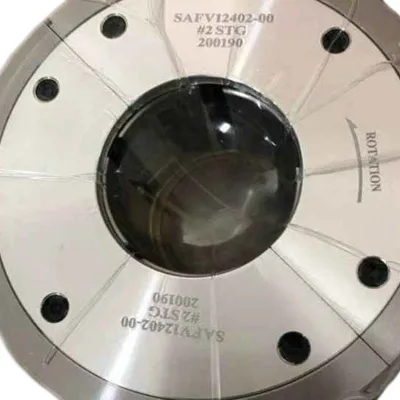


Air Conditioner Water Chiller/Screw Compressor Water Cooled Chiller
$9000.00 - $180000.00
MOQ: 1 Pieces


Comprehensive Sourcing Guide
Strategic Sourcing Guide for Air Cooled AC Compressors
Understanding Core Technical Specifications and Configuration
When initiating a procurement process for air-cooled AC compressors, the primary objective is to align technical specifications with the specific operational requirements of the intended application. The market presents a diverse array of configurations, ranging from stationary units designed for industrial HVAC systems to portable or vehicle-integrated solutions. A critical observation in the current supply landscape is the variation in cylinder positioning. Buyers must distinguish between horizontal and vertical cylinder arrangements, as this structural choice directly impacts the footprint of the installation and the piping complexity required for integration. Horizontal cylinder positions are often preferred in scenarios where floor space is constrained, while vertical configurations may offer advantages in specific gravity-fed lubrication systems or compact vertical stack designs.
The cooling mechanism is the defining characteristic of this product category. While the core keyword specifies "air cooled," the supply data indicates that some units utilize a direct-flow radiator type with tube-fin cores, which are essential for dissipating heat generated during the compression cycle. The efficiency of these systems relies heavily on the cooling fluid properties. In specific industrial contexts, the cooling fluid may be specialized, such as alcohol-based mixtures, rather than standard water or refrigerant-only loops. Furthermore, the lubrication style is a vital performance indicator; most reliable units in this category utilize a lubricated system to ensure longevity and reduce friction wear. The power source is another decisive factor, with electric motors being the standard for stationary applications, though AC power compatibility is a baseline requirement for grid-connected systems.
The structural integrity of the compressor is equally significant. The data reveals a split between closed-type and open-type structures. Closed-type units are generally preferred for environments where noise reduction and contamination prevention are paramount, offering a self-contained system. Conversely, open-type structures may be selected for applications requiring external maintenance access or specific coupling arrangements. The configuration is typically stationary, meaning these units are not designed for mobile transport during operation. Buyers should verify if the unit includes variable speed capabilities, as this feature allows the compressor to adjust its output based on real-time thermal loads, significantly enhancing energy efficiency compared to fixed-speed alternatives.
Compliance, Certification, and Regulatory Standards
Navigating the regulatory landscape is a non-negotiable aspect of sourcing industrial compressors. The global market for air-cooled AC compressors is heavily influenced by safety and environmental standards. A comprehensive due diligence process must begin with verifying the presence of recognized certifications. The supply data explicitly references CE and RoHS compliance, which are critical for accessing European markets and ensuring the product meets restrictions on hazardous substances. The CE marking indicates conformity with health, safety, and environmental protection standards for products sold within the European Economic Area, while RoHS ensures that the manufacturing process minimizes the use of lead, mercury, and other toxic materials.
Beyond these foundational certifications, buyers should look for additional validation such as SGS testing reports. These third-party verifications provide an independent assessment of the product's quality and adherence to declared specifications. It is important to note that certification status can vary by model and batch; therefore, procurement teams must request current certification documents for the specific model number being considered, rather than relying on general brand claims. The data also highlights specific dimensional standards, such as 1900mm1250mm1550mm or 950mm670mm950mm, which serve as physical benchmarks for compliance with shipping and installation space requirements. These dimensions are not merely specifications but are often tied to regulatory clearance for transport and facility fit-out.
For buyers operating in regions with strict environmental regulations, the energy-saving attributes of the compressor are a key compliance driver. Variable speed compressors, often categorized under energy-saving compressors, are increasingly mandated in industrial sectors to meet carbon reduction targets. The classification of the compressor, such as "Variable Capacity" or "Rotary Type," should be cross-referenced with local energy efficiency standards. Additionally, the origin of the product, often cited as Dongguan or China in the supply chain, does not inherently dictate compliance but requires verification of the manufacturer's adherence to international standards regardless of geographic location. Buyers must ensure that the "as requested" or "customized" nature of a product does not bypass essential safety certifications, as custom modifications can sometimes void standard compliance unless re-verified.
Cost Drivers and Pricing Dynamics
The pricing structure for air-cooled AC compressors is influenced by a complex interplay of technical complexity, customization levels, and volume. The observed price range in the market spans from approximately $40.76 to $180,000, a variance that reflects the difference between small-scale replacement units and large, industrial-grade systems. Several key factors drive these costs. First, the cooling system architecture plays a major role; units with advanced direct-flow radiators and specialized cooling fluids like alcohol-based solutions often command a premium due to the complexity of the heat exchange design. Second, the power source and control systems significantly impact price. Electric motors equipped with variable speed drives (VSD) are more expensive than standard fixed-speed AC motors but offer long-term operational savings through reduced energy consumption.
Customization is another primary cost driver. The availability of customization allows buyers to tailor the compressor to specific operational needs, such as unique dimensions, specific cylinder positions, or specialized packing requirements like wooden cases or seaworthy cartons. However, this flexibility comes at a cost. Custom models, often labeled as "as requested" or "customized," typically involve higher unit prices and potentially longer lead times compared to standard off-the-shelf inventory. The minimum order quantity (MOQ) also influences the effective unit cost. With an observed MOQ range of 1 to 100 units, buyers purchasing small quantities for pilot projects or single-unit replacements will face higher per-unit costs compared to those placing bulk orders.
Packing and logistics represent a hidden but significant portion of the total cost of ownership. The data indicates various packing methods, from wooden brackets and cases to seaworthy cartons and pallets. For international procurement, the choice of packaging affects shipping costs and insurance premiums. Units requiring wooden cases or heavy-duty pallets for stability during transit will incur higher freight charges. Furthermore, the payment terms, such as "Tt" (Telegraphic Transfer), are standard but should be negotiated to optimize cash flow. Buyers should also consider the delivery timeline, with some suppliers offering delivery within 25 days, while customized orders may extend this period. The total cost of acquisition must therefore include not just the unit price, but also shipping, insurance, and the potential cost of downtime if lead times are not accurately managed.
Typical Applications and Industry Use Cases
Air-cooled AC compressors serve a broad spectrum of industries, each with distinct operational requirements. The primary application domain identified in the supply data is the automotive sector, specifically for AC/Car usage. In this context, the compressor is often designed for replacement or repair, indicating a robust aftermarket for vehicle maintenance. These units are typically compact, utilizing specific cylinder positions and cooling methods suitable for the confined spaces of vehicle engine bays. The "Job Classification" as Rotary Type suggests a design optimized for smooth operation and low vibration, which is critical for passenger comfort and vehicle longevity.
Beyond automotive applications, these compressors are extensively used in stationary industrial HVAC systems. The "Stationary Type" installation classification and "Closed Type" structure point to their use in factories, warehouses, and commercial buildings where noise and environmental isolation are important. In these settings, the horizontal or vertical cylinder position is chosen based on the available floor space and the layout of the ducting system. The "Variable Capacity" feature is particularly valuable in large commercial buildings where cooling loads fluctuate throughout the day, allowing the system to modulate output and maintain precise temperature control without the energy waste associated with cycling on and off.
The data also hints at specialized industrial applications where the cooling fluid type is critical. The mention of alcohol as a cooling fluid suggests use in environments where standard water-based systems might freeze or corrode, such as in cold storage facilities or specific chemical processing plants. In these scenarios, the "Direct-flow" radiator type and "Tube-fin" core are essential for maintaining efficiency in extreme temperature conditions. Additionally, the "Energy-Saving Compressor" classification indicates a growing trend toward using these units in green building projects where energy efficiency is a primary design criterion. Whether for replacing an existing unit or installing a new system, the application dictates the necessary specifications, from the power source to the lubrication style.
Supplier Evaluation and Quality Assurance Protocols
Selecting a reliable supplier for air-cooled AC compressors requires a rigorous evaluation process that goes beyond price comparison. The first step is verifying the supplier's ability to meet the specific technical and compliance requirements outlined in the procurement brief. Buyers should request detailed product data sheets that confirm the cylinder position, cooling system type, and power source match the application needs. The presence of certifications like CE, RoHS, and SGS should be validated through official documentation, ensuring that the specific batch of products being ordered is covered. It is crucial to avoid suppliers who claim compliance without providing verifiable proof, as this can lead to regulatory issues upon import.
Quality assurance protocols must be established before placing an order. This includes reviewing the supplier's manufacturing standards and testing procedures. The data mentions specific dimensions and standards, which serve as benchmarks for quality control. Buyers should insist on pre-shipment inspections to verify that the physical dimensions, such as 1900mm1250mm1550mm, match the ordered specifications. For customized orders, a prototype or sample approval process is essential to ensure that the "as requested" modifications do not compromise the structural integrity or performance of the unit. The lubrication style and cooling fluid compatibility should also be tested to prevent premature failure.
Logistics and packaging are critical components of supplier evaluation. The supplier must demonstrate the capability to pack the units securely, using methods like wooden cases, seaworthy cartons, or pallets, depending on the destination and shipping mode. Poor packaging can lead to damage during transit, resulting in costly replacements and delays. Buyers should also assess the supplier's lead time reliability. While some suppliers offer delivery within 25 days, customized orders may take longer. A supplier with a consistent track record of meeting delivery deadlines is preferable to one that promises short lead times but frequently misses them. Finally, the payment terms and after-sales support should be clearly defined in the contract to ensure a smooth transaction and reliable support in case of any post-delivery issues.
Long-Term Procurement and Lifecycle Management
Sourcing air-cooled AC compressors is not merely a transactional activity but a strategic decision that impacts long-term operational efficiency and maintenance costs. Buyers should prioritize units that offer high energy efficiency, such as variable speed compressors, to reduce electricity bills over the lifespan of the equipment. The initial cost of a more efficient unit is often offset by significant savings in energy consumption, particularly in applications with high usage hours. Additionally, the availability of spare parts and the ease of maintenance should be considered. Units with a "Lubricated" system and standardized components are generally easier to maintain, reducing downtime and service costs.
The customization aspect of procurement requires careful lifecycle planning. While customizing a compressor to fit specific needs can enhance performance, it may also complicate future repairs if the parts are not standard. Buyers should ensure that the customized units still utilize common, readily available components where possible. The "Function" of the unit, whether for replacement or repair, should be aligned with the expected service life of the equipment. For long-term projects, investing in high-quality, certified units with robust cooling systems and durable structures is essential to minimize the frequency of replacements.
Finally, buyers should establish a relationship with suppliers that offers flexibility for future needs. As operational requirements change, the ability to order additional units or upgrade existing systems with compatible models is valuable. The "Customization: Available" attribute suggests that suppliers can adapt to changing needs, but this should be balanced with the risk of vendor lock-in. By maintaining a diverse supplier base and keeping detailed records of specifications, certifications, and performance data, buyers can ensure a resilient supply chain that supports their long-term operational goals. The goal is to secure a reliable, efficient, and compliant supply of air-cooled AC compressors that delivers value over the entire lifecycle of the equipment.
FAQs
What cooling systems are available for air cooled AC compressors?
Air cooling is the primary system, though some units offer water cooling options. Models like HRS and HD utilize air cooling, while others may support water cooling with alcohol-based fluids for specialized industrial applications requiring direct-flow radiators.
Which certifications do these compressors typically hold?
Most units carry CE and RoHS certifications to ensure safety and environmental compliance. Some models also include SGS testing reports, providing third-party verification of quality standards for international procurement and regulatory clearance.
Can I customize the specifications of the compressor?
Yes, customization is available for models like ZGM75 and ZGM37. Buyers can request specific dimensions, packing methods like wooden cases, and variable speed configurations, though custom orders may require lead times up to 25 days.
How does the cylinder position affect installation?
Cylinders are available in both horizontal and vertical positions to suit different space constraints. Horizontal units are preferred for constrained floor space, while vertical configurations may benefit specific gravity-fed lubrication systems in stationary installations.
What is the minimum order quantity for these units?
The minimum order quantity ranges from 1 to 100 units depending on the supplier and model. Small quantities are suitable for replacement needs, while bulk orders may reduce per-unit costs for larger industrial HVAC projects.
Where are these compressors typically manufactured?
Products originate from Dongguan and other regions in China. This location is a common hub for manufacturing, but buyers must verify specific factory compliance with international standards regardless of the geographic origin listed.