Source Air Polisher Tools for Auto Body, Wood, and Metal Finishing
Compare 30 Air Polisher models from Chinese manufacturers, featuring rotary and orbital designs with speeds up to 12,000 rpm. Evaluate specifications like pad size, weight, and automation levels to find the right tool for automotive, woodworking, and metal finishing applications.
Updated
Key considerations
Products List


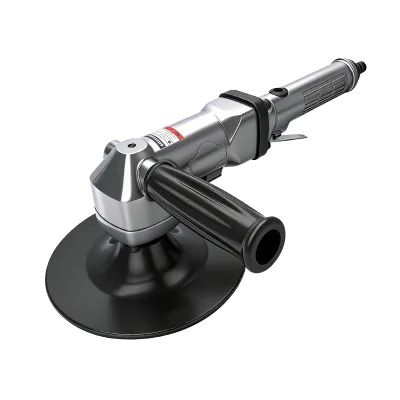
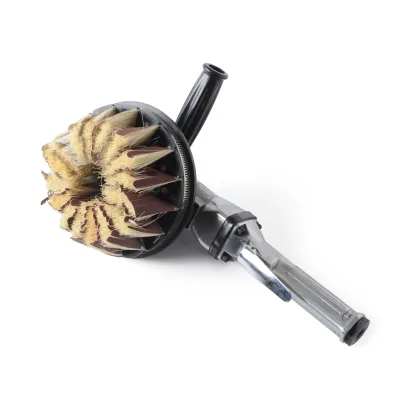
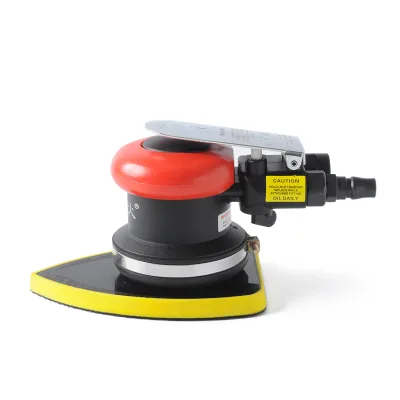


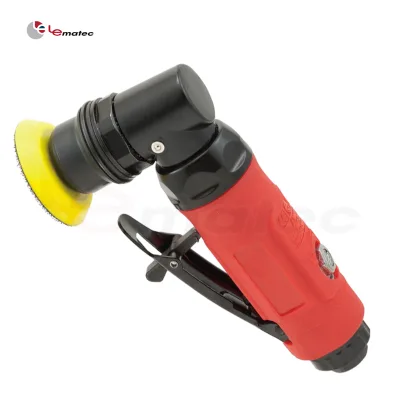
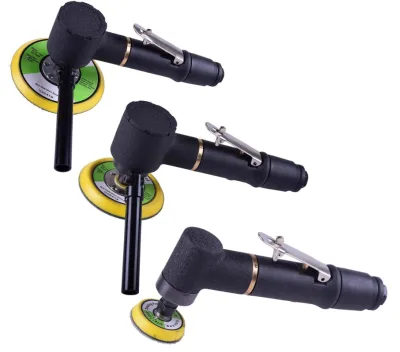
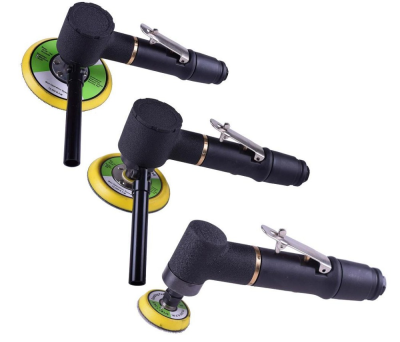
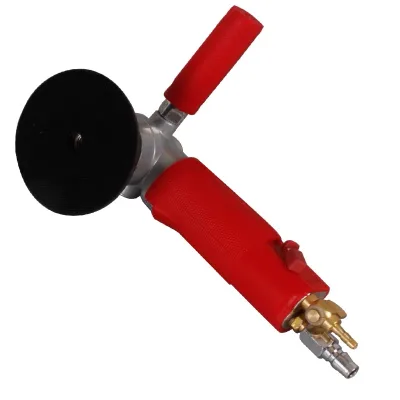
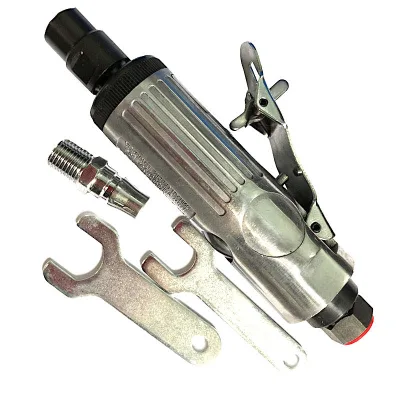
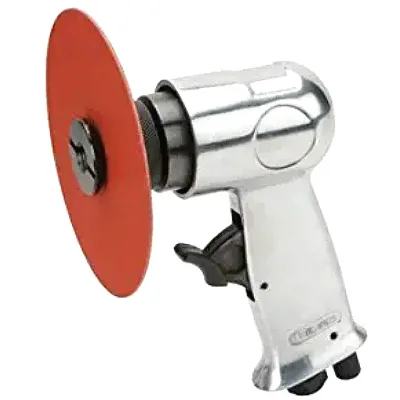
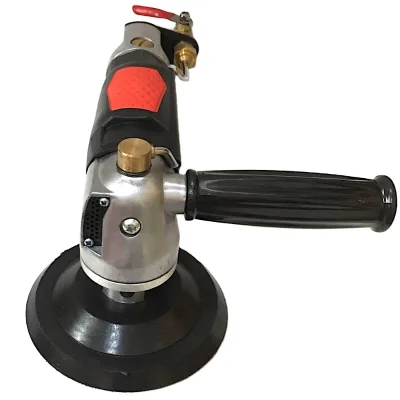
3inch Pneumatic Polisher Air Sanding Machine
$57.00 - $80.00
MOQ: 1 Pieces
Dongguan Karlux Precision Machinery Science and Technology Co., Ltd.
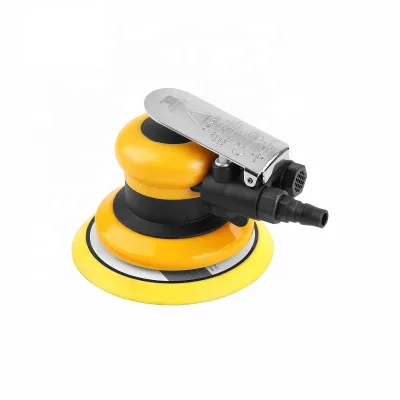


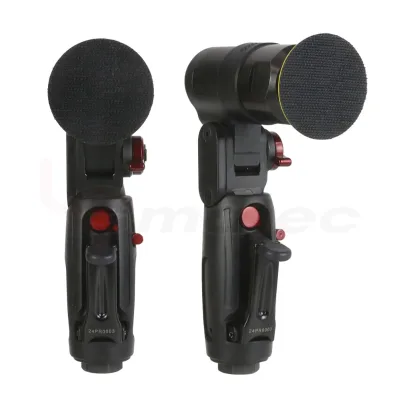
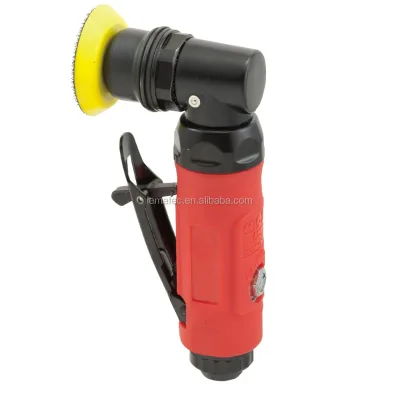
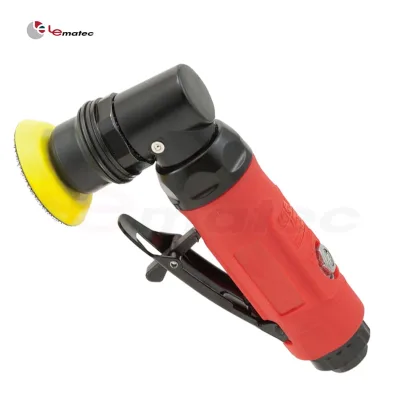
High-Performance Mini Air Sander for Auto Body Buffing and Spot Repairs Taiwan Made
$59.00 - $63.00
MOQ: 1 Minimum

Comprehensive Sourcing Guide
Air Polisher Sourcing Guide
Sourcing air polishers requires a nuanced understanding of pneumatic tool dynamics, particularly when balancing power output with operator comfort and precision. Buyers must recognize that these tools are not monolithic; they vary significantly in orbital diameter, free speed, and vacuum integration, which directly impacts their suitability for specific finishing tasks. The observed market data indicates a wide range of specifications, from compact 3-inch pads to larger 180mm variants, each serving distinct polishing and finishing needs. Understanding these physical differences is the first step in aligning procurement with operational requirements, ensuring that the selected equipment enhances rather than hinders workflow efficiency.
Furthermore, the decision to source air polishers involves evaluating the broader ecosystem of pneumatic infrastructure and maintenance protocols. Unlike electric tools, air polishers rely on consistent compressed air supply, making air consumption rates and pressure requirements critical factors in total cost of ownership. Buyers should assess whether their existing air systems can support the specific airflow demands of high-speed models, such as those reaching 12,000 rpm, without causing pressure drops that affect performance. This holistic view ensures that the procurement strategy accounts for both the immediate tool selection and the long-term operational sustainability of the pneumatic environment.
Product Scope and Observed Listing Signals
The current market landscape for air polishers reveals a diverse array of models catering to different industrial and automotive applications. Observed listings highlight variations in pad sizes, ranging from small 3-inch (75mm) units to larger 180mm (7-inch) pads, indicating that buyers must match the tool size to the surface area being treated. For instance, smaller pads are often preferred for detailed work or tight spaces, while larger pads offer faster coverage for broad surfaces. Additionally, the presence of both customized and non-customized options suggests that buyers can tailor specifications to specific brand or operational needs, provided they engage with suppliers who offer OEM and ODM support.
Another significant signal in the market is the integration of vacuum systems, which plays a crucial role in dust management and operator health. Listings show a split between non-vacuum models and self-vacuum variants, with some models explicitly designed to capture debris during the polishing process. This distinction is vital for buyers concerned with workplace safety and cleanliness, as self-vacuum tools reduce the need for additional dust extraction equipment. The observed net weights, ranging from 0.75kg to 1.00kg, also indicate a focus on ergonomics, with lighter tools reducing operator fatigue during extended use. Buyers should carefully evaluate these physical attributes to ensure the tool aligns with their specific ergonomic and environmental standards.
Technical Specifications to Verify
When verifying technical specifications, buyers must prioritize the free speed and orbital diameter, as these metrics directly influence the polishing efficiency and finish quality. Observed data shows free speeds ranging from 2,500 rpm to 12,000 rpm, with some models offering variable speeds such as 4,500 rpm and 2,500 rpm. Higher speeds are generally suitable for aggressive material removal, while lower speeds provide better control for delicate finishing tasks. Additionally, the stroke length, observed at 12 mm in some models, affects the aggressiveness of the polishing action. Buyers should verify these parameters against their specific material types and desired finish levels to avoid under- or over-polishing.
Air consumption and pressure requirements are equally critical technical factors that must be confirmed before procurement. Listings indicate air consumption rates around 0.3 cubic meters per minute and operating pressures near 90 PSI, but these values can vary significantly between models. Buyers must ensure that their compressed air systems can deliver the required volume and pressure consistently to maintain tool performance. Furthermore, the type of air wrench or drill mechanism, whether impact or rotary, should be matched to the application’s torque requirements. Verifying these specifications helps prevent operational bottlenecks and ensures that the tool performs reliably under real-world conditions.
Compliance and Safety Documentation
Compliance with international standards is a non-negotiable aspect of sourcing air polishers, particularly when operating in regulated markets. Observed listings mention certifications such as CE, SGS, and ISO, which indicate that the products meet specific safety and quality benchmarks. Buyers should request valid certification documents to verify that the tools comply with local regulations, especially regarding electrical safety if the tool has electric components, or mechanical safety for pneumatic systems. These certifications provide assurance that the manufacturer has undergone rigorous testing and adheres to established safety protocols, reducing the risk of accidents and liability issues.
In addition to formal certifications, buyers must assess the documentation related to noise levels and ergonomic design. Some observed models report sound levels around 80 dBA, which is a critical factor for operator health in noisy environments. Buyers should verify if the tools include noise-reduction features or if additional hearing protection is required. Furthermore, the degree of automation, whether semi-automatic or manual, impacts the safety protocols needed during operation. Ensuring that the supplier provides comprehensive user manuals and safety guidelines helps in training operators correctly and maintaining a safe working environment, thereby minimizing the risk of injury and enhancing overall productivity.
Cost Drivers and Commercial Terms
Cost drivers for air polishers include the complexity of the internal mechanism, the quality of materials used, and the level of customization offered. Models with self-vacuum features or variable speed controls typically command higher prices due to their advanced engineering and additional components. Buyers should also consider the packaging type, such as standard or kraft packing, as this can affect shipping costs and product protection during transit. Understanding these cost factors allows buyers to negotiate more effectively and allocate their budget efficiently, ensuring that they receive the best value for their specific operational needs without compromising on quality.
Commercial terms, including minimum order quantities (MOQ) and lead times, are essential considerations for procurement planning. Observed MOQs range from 1 to 200 units, offering flexibility for both small-scale buyers and large industrial purchasers. Buyers should clarify these terms with suppliers to avoid unexpected costs or delays, especially when placing bulk orders. Additionally, the availability of customization services, such as OEM or ODM, may incur additional fees or longer lead times. By understanding these commercial dynamics, buyers can structure their procurement strategies to align with their inventory management goals and production schedules, ensuring a smooth and cost-effective supply chain.
Supplier Qualification and Quality Control
Supplier qualification is a critical step in ensuring the reliability and consistency of Air Polisher procurement. Buyers should verify the supplier’s manufacturing capabilities, including their production capacity and quality control processes. Observed listings indicate that suppliers are located in China, a major hub for pneumatic tool manufacturing, but buyers must conduct due diligence to ensure that the supplier adheres to international quality standards. Requesting samples for testing is a practical way to assess the tool’s performance, build quality, and compliance with specified technical parameters before committing to a larger order.
Quality control measures should extend beyond the initial product inspection to include ongoing monitoring of supplier performance. Buyers should establish clear quality metrics, such as defect rates and customer feedback, to evaluate the supplier’s consistency over time. Additionally, verifying the supplier’s ability to provide after-sales support, including warranty and repair services, is essential for long-term operational continuity. By maintaining a rigorous qualification process and continuous quality monitoring, buyers can mitigate risks and ensure that their air polishers meet the required performance and safety standards throughout their lifecycle.
Long-Term Procurement Checks
Long-term procurement checks involve regular reviews of supplier performance and product reliability to ensure sustained value. Buyers should track key performance indicators such as delivery times, product defect rates, and customer satisfaction to identify any emerging issues early. This proactive approach allows for timely interventions, such as renegotiating terms or switching suppliers if necessary, to maintain supply chain stability. Additionally, staying informed about industry trends and technological advancements in air polishers can help buyers make informed decisions about future upgrades or replacements, ensuring that their equipment remains competitive and efficient.
Furthermore, buyers should periodically reassess their operational needs and market conditions to adapt their procurement strategies accordingly. Changes in production volume, regulatory requirements, or technological innovations may necessitate adjustments in tool specifications or supplier selection. By maintaining a flexible and responsive procurement process, buyers can optimize their costs and performance, ensuring that their air polishers continue to meet their evolving business needs. This continuous evaluation and adaptation are essential for achieving long-term success and maintaining a competitive edge in the market.
FAQs
What pad sizes are available for air polishers?
Air polishers come in various pad sizes to suit different finishing needs. Common options include 180mm (7-inch), 150mm (6-inch), and 75mm (3-inch) pads. Selecting the correct size depends on the specific application, whether for large surface polishing or detailed edge work. These dimensions ensure compatibility with standard abrasive papers and provide optimal coverage for automotive or industrial tasks.
Can air polishers be customized for specific branding?
Yes, many Air Polisher models offer customization support for OEM and ODM requirements. Buyers can request tailored specifications, packaging, or branding elements to meet unique business needs. This flexibility allows companies to align the tools with their corporate identity or specific operational standards. Customization options are typically available directly through manufacturers who support tailored production runs.
What certifications do air polishers typically hold?
Air polishers often hold key safety and quality certifications such as CE, SGS, and ISO. These standards ensure the tools meet international requirements for electrical safety, performance reliability, and manufacturing quality. Buyers should verify these certifications to ensure compliance with local regulations and industry best practices. Certified tools provide greater assurance of durability and safe operation in professional environments.
How fast do air polishers operate at no load?
Air polishers generally operate at high no-load speeds, ranging from 2,500rpm to 12,000rpm depending on the model. Higher speeds, such as 12,000rpm, are suitable for aggressive material removal, while lower speeds offer better control for fine finishing. The free speed is determined by the pneumatic motor design and air pressure input, typically around 90PSI for optimal performance.
What is the typical net weight of an Air Polisher?
The net weight of an Air Polisher varies by model, typically ranging from 0.75kg to 1.00kg. Lighter tools reduce operator fatigue during extended use, making them ideal for automotive detailing or industrial polishing. Heavier models may offer more stability for aggressive sanding tasks. Buyers should consider weight alongside ergonomics to ensure comfortable handling during prolonged operations.
Which air consumption rates are common for these tools?
Common air consumption rates for air polishers are approximately 0.3 cubic meters per minute. This efficiency ensures consistent power delivery without excessive air compressor demand. Matching the tool to an adequate air supply is crucial for maintaining performance. Lower consumption models help reduce operational costs and allow for smaller compressor setups in mobile or remote work environments.