Source Air Shock Absorber for Off-Road, On-Road, and Heavy Duty
Compare 30 Air Shock Absorber options including foam cell, hydraulic, and gas-filled types for various vehicle applications. Buyers can evaluate specifications like material, structure, and OE encoding from suppliers in Jinan, Ningbo, and Henan.
Key considerations
Products List


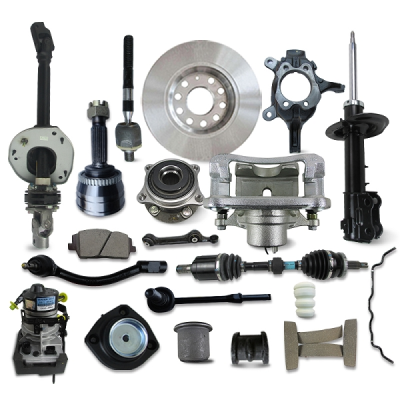
Hot Sale High Quality Suspension Parts Air Spring Suspension Shock Absorber
$22.98 - $24.89
MOQ: 50 Pieces




Comprehensive Sourcing Guide
Strategic Sourcing Guide for Air Shock Absorber Procurement
Understanding the Technical Landscape of Air Suspension Systems
The procurement of air shock absorbers requires a precise understanding of the diverse technical configurations available in the global market. Unlike traditional steel spring systems, air suspension units utilize pressurized air to support vehicle loads, offering adjustable ride heights and damping characteristics. Based on observed product attributes, the market presents a variety of structural designs, including double cylinder and single cylinder configurations. Buyers must distinguish between hydraulic and gas-filled types, as the operating mechanism significantly influences performance under different driving conditions.
The material composition is a critical differentiator in this category. While some units are constructed primarily from aluminum for weight reduction, others utilize a composite of rubber and steel to enhance durability and sealing capabilities. The spring type itself varies between coil springs and air springs, with the latter being the primary focus for this guide. The "Foam Cell" type is also observed in specific applications, suggesting niche uses where specific damping properties are required. When evaluating a potential supplier, the buyer should verify the specific material mix and structural design against the intended vehicle application, as a mismatch can lead to premature failure or suboptimal ride quality.
| Feature Category | Observed Variations | Procurement Implication |
|---|---|---|
| Structure | Double Cylinder, Single Cylinder | Determines internal volume and pressure dynamics; verify against OEM specs. |
| Fluid/Gas Type | Hydraulic, Gas-Filled | Affects response time and temperature stability; gas-filled often preferred for heavy loads. |
| Material | Aluminum, Rubber+Steel, Steel | Aluminum offers weight savings; Rubber+Steel offers sealing durability. |
| Spring Type | Coil Spring, Air Spring | Air springs allow load leveling; coil springs are fixed rate. |
| Position | Front, Rear | Critical for vehicle balance; ensure the specific unit matches the axle location. |
Compliance Verification and Certification Standards
In the automotive supply chain, compliance is not merely a formality but a prerequisite for market entry and liability protection. When sourcing air shock absorbers, buyers must rigorously verify the certification status of the manufacturer. Observed data indicates that some suppliers hold ISO9001 and Ts16949 certifications, which are standard benchmarks for quality management systems in the automotive industry. However, the presence of these certifications in one listing does not guarantee their validity for every product or supplier. Buyers must request current, valid certificates and verify the scope of coverage to ensure it includes the specific manufacturing processes for air suspension components.
Beyond general quality management, specific product standards are essential. The market shows variations in product standards, with some listings citing specific dimensional codes like "45X15X10" while others list "customization" as the standard. This discrepancy highlights the need for buyers to define their own technical standards clearly before engaging with suppliers. For OEM-compatible parts, the verification of OE encoding is vital. Listings referencing specific codes such as "1ED413023B," "1ED513049," and "2639896" suggest compatibility with specific vehicle models, likely from brands like Toyota. Buyers should cross-reference these codes with their own vehicle identification numbers (VIN) or existing part numbers to ensure exact fitment.
It is also important to note that while some background knowledge suggests broader ISO standards like ISO 14001 or ISO 45001, these should not be assumed without explicit confirmation from the supplier. The primary focus for air shock absorbers remains on quality and safety certifications that directly impact the structural integrity and performance of the suspension system.
Cost Drivers and Pricing Dynamics
The pricing structure for air shock absorbers is highly variable, reflecting the complexity of the components and the scale of production. Observed market data reveals a price range spanning from $0.25 to $370 USD. This wide disparity is driven by several factors, including the material composition, the complexity of the cylinder structure, and the level of customization required. A basic hydraulic component may fall at the lower end of the spectrum, while a fully integrated, gas-filled, single-cylinder air spring with advanced damping adjustments will command a premium price.
The Minimum Order Quantity (MOQ) is another significant cost driver. The observed MOQ range extends from 1 unit to 20,000 units. For buyers with smaller volume requirements, the per-unit cost will naturally be higher due to the fixed costs of tooling and setup. Conversely, buyers capable of committing to high-volume orders can leverage economies of scale to reduce the unit price. The "Customization" attribute is frequently available, which often introduces additional costs for mold creation, engineering validation, and specialized packaging.
Buyers must also consider the packaging and transportation costs embedded in the final price. Some suppliers offer "Neutral Package" or "Carton" options, while others utilize "Pallet" shipping for bulk orders. The dimensions of the packaging, such as "50X20X20cm," and the weight standards, like "2.500kg," directly impact freight charges. When evaluating a quote, the buyer should ensure that the price includes all necessary logistics, including the mode of transportation, which is observed to be either Air or Ship. Air freight will significantly increase the cost but reduce lead time, whereas sea freight is more economical for large, non-urgent shipments.
Typical Applications and Operational Environments
Air shock absorbers are designed for a wide array of applications, ranging from standard passenger vehicles to heavy-duty off-road machinery. The "Driving Style" attribute observed in the market includes both "On-Road" and "Off-Road" configurations. This distinction is crucial for procurement, as off-road units typically require higher resistance values and more robust sealing to withstand extreme terrain and vibration. The observed resistance value range of 1000-2300 N provides a benchmark for the load-bearing capacity of these units, though buyers must verify if this range meets the specific weight requirements of their fleet or vehicle model.
The operating temperature range is another critical application factor. Products observed in the market are rated for temperatures between -40°C and +70°C. This wide range ensures functionality in diverse climates, from arctic conditions to desert heat. However, buyers should confirm that the specific seal materials and fluid types used in the shock absorber are compatible with the extreme temperatures of their intended operating environment.
Furthermore, the "Part" designation, such as "Bumper/Buffer," indicates that some units serve a dual purpose, acting as both a suspension element and a protective buffer. This is particularly relevant in heavy machinery or vehicles that frequently encounter impact loads. The "Adjustment Type" being "Adjustable" suggests that many modern air shock absorbers allow for ride height and stiffness tuning, making them suitable for vehicles that carry variable loads. Buyers should assess whether their specific application requires fixed settings or adjustable parameters to optimize performance and fuel efficiency.
Supplier Evaluation and Origin Analysis
Evaluating suppliers for air shock absorbers requires a careful analysis of their geographic origin and logistical capabilities. The market data indicates production origins in Jinan, Ningbo, and Henan (specifically Xinxiang). These regions are known for their manufacturing clusters, but each may have different specializations. For instance, Ningbo is a major port city, which can facilitate faster export logistics, while inland locations like Jinan or Xinxiang might offer lower production costs but longer lead times for international shipping.
When assessing a supplier, the buyer should verify the "OEM" status. Listings confirming "OEM: Yes" suggest that the supplier has the capability to produce parts that meet original equipment manufacturer specifications. This is a strong indicator of quality control and technical competence. However, the presence of an OEM claim should be backed by evidence, such as the ability to produce parts with specific OE encodings like "70377036" or "2955066."
The "Mode of Transportation" is also a key evaluation metric. Suppliers offering both Air and Ship options provide flexibility for buyers with varying urgency levels. Buyers should inquire about the supplier's experience with international shipping, particularly regarding the handling of sensitive suspension components that may be damaged by rough handling or extreme temperature fluctuations during transit. Additionally, the "Product Name" variations, such as "Shock Absorber Suspension Left Control Arm," indicate that some suppliers may offer integrated assemblies rather than individual components. Buyers must clarify whether they are purchasing a standalone shock absorber or a complete suspension assembly to avoid compatibility issues.
Quality Control and Long-Term Procurement Considerations
Ensuring long-term reliability requires a robust quality control strategy. The "Quality" attribute observed as "100% High Quality" is a common marketing claim, but it must be substantiated through rigorous testing protocols. Buyers should request detailed test reports that cover durability, pressure retention, and temperature cycling. The "Standard" attribute, which varies from specific dimensions to "customization," implies that quality control parameters must be defined on a per-order basis.
Packaging plays a vital role in maintaining product quality during transit. The observed packaging types include "Carton," "Pallet," and "Neutral Package." For high-value air shock absorbers, the packaging must be designed to prevent compression damage to the air spring and protect the hydraulic seals from dust and moisture. The "Transport Packaging" being "Neutral or Customized" offers flexibility, but buyers should specify requirements for protective inserts or moisture barriers if shipping to humid environments.
Long-term procurement considerations also involve the availability of spare parts and the supplier's ability to scale production. The "Customization" attribute suggests that suppliers are willing to adapt their products, but this should not come at the expense of consistency. Buyers should establish clear communication channels for post-sales support and warranty claims. Given the critical nature of suspension components, a supplier with a proven track record of delivering consistent quality over time is preferable to one that offers lower prices but lacks a reliable quality assurance framework.
In conclusion, sourcing air shock absorbers is a complex process that demands a deep understanding of technical specifications, compliance requirements, and supply chain dynamics. By carefully analyzing the observed data and applying rigorous evaluation criteria, buyers can identify suppliers that offer the right balance of quality, cost, and reliability for their specific needs. The key lies in verifying every claim against the specific requirements of the application and maintaining a proactive approach to quality control throughout the procurement lifecycle.
FAQs
What materials are used for air shock absorbers?
Common materials include aluminum, steel, and a rubber-steel composite. Aluminum is used for weight reduction, while rubber and steel combinations enhance durability and sealing capabilities for various driving conditions.
Which certifications should I verify for quality assurance?
Look for ISO9001 and Ts16949 certifications which are standard benchmarks for automotive quality management. These certifications indicate the manufacturer meets specific quality control standards required for suspension components.
How does the structure affect performance?
Units come in single or double cylinder configurations which determine internal volume and pressure dynamics. Buyers must verify the specific structure against OEM specifications to ensure proper fitment and function.
Can I find adjustable air shock absorbers?
Yes, many models feature adjustable types for ride height and stiffness tuning. This allows optimization for vehicles carrying variable loads or operating in different driving styles like on-road or off-road.
What is the typical operating temperature range?
Products are rated for temperatures between -40°C and +70°C. This wide range ensures functionality in diverse climates, from arctic conditions to desert heat, provided seals are compatible.
Which OE encodings are available for Toyota vehicles?
Specific OE encodings like 1ED413023B, 1ED513049, and 2639896 are available for certain models. Buyers should cross-reference these codes with their vehicle identification numbers to ensure exact fitment.