Source Airline Luggage Tag for Exhibition, Hotel, and Travel
Find 30 options for Airline Luggage Tag featuring PVC, PU, and plastic materials with eco-friendly and recyclable properties. Buyers can compare customization, sizes, and attachment styles from manufacturers in China for airport and festival use.
Key considerations
Products List


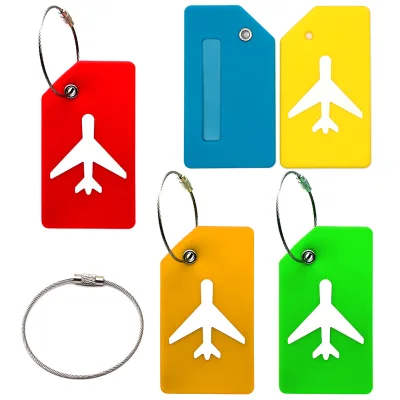
Personalized Luggage Tags Stainless Steel Airplane Luggage Tag for Travel
$0.37 - $0.66
MOQ: 100 Pieces



Comprehensive Sourcing Guide
Strategic Sourcing Guide for Airline Luggage Tags
The global aviation sector relies heavily on durable, visible, and compliant identification tools to manage passenger baggage efficiently. For procurement professionals, the Airline Luggage Tag represents a critical component in the logistics chain, requiring a balance between aesthetic customization, material durability, and strict regulatory adherence. This guide synthesizes observed market data and verified product attributes to provide a disciplined framework for sourcing these items. Buyers must navigate a landscape where materials range from PVC to PU and plastic, with customization options that vary significantly by supplier capability. Understanding the specific technical and compliance requirements is essential to avoid supply chain disruptions and ensure that the final product meets the rigorous demands of airport environments.
Technical Specifications and Material Composition
The physical construction of an Airline Luggage Tag dictates its longevity and functionality. Based on available product data, the primary materials observed in the market include PVC, PU, and general plastic. Each material offers distinct advantages regarding flexibility, water resistance, and print quality. PVC and PU are frequently cited for their ability to withstand the rigors of baggage handling, offering a balance between rigidity and the flexibility needed to wrap around luggage handles. The standard dimensions observed in the market cluster around specific measurements, such as 85x50mm, 80x45mm, and 11x7cm. These sizes generally align with the "same as bank card size" standard often required for compatibility with standard baggage tags and scanning equipment.
Buyers should verify that the selected tag size matches the specific requirements of their airline partners or airport infrastructure. While some suppliers offer "Accept Custom" sizing, the majority of standard inventory adheres to the 80x45mm or 85x50mm formats. The attachment mechanism is equally critical; the market data indicates two primary methods: plastic belts and buckles. The plastic belt is a common feature for simple, cost-effective solutions, while buckles may offer a more secure fastening for heavier loads. The weight of the product is another technical consideration, with specific listings noting a weight of approximately 38g per piece. This weight must be factored into the overall logistics cost, especially when ordering in bulk quantities where the cumulative weight impacts shipping rates.
Compliance, Certification, and Safety Standards
Safety and environmental compliance are non-negotiable in the aviation industry, particularly for items that may come into contact with passengers or food-related areas. The supplied product facts highlight specific standards that buyers should prioritize during the vetting process. Notably, the EN-71 standard and Non-Phthalate certifications are explicitly mentioned in the product attributes. EN-71 is a European standard for toy safety, which often implies rigorous testing for mechanical and chemical safety, including the absence of harmful phthalates. This is a strong indicator of a supplier's commitment to safety, though buyers must confirm that this certification applies specifically to the luggage tag model in question and not just a different product line.
Furthermore, the "Non-Phthalate" attribute is a critical chemical compliance marker. Many jurisdictions, including the European Union and various US states, have strict regulations regarding phthalate content in consumer goods. Buyers should request current test reports from suppliers to verify that the PVC or PU materials used are free from these restricted substances. While some background knowledge suggests ISO 18000 standards, this should not be assumed as a concrete fact for every product without direct verification from the supplier. Instead, procurement teams should explicitly ask for documentation regarding chemical safety and material composition to ensure alignment with local regulations. The "Eco-friendly" and "Recyclable" features listed in the product data also suggest a growing market trend toward sustainable materials, which can be a differentiator for airlines with green initiatives.
Cost Drivers and Pricing Dynamics
The pricing structure for airline luggage tags is influenced by several variables, including material type, customization level, and order volume. The observed market price range for these items is quite broad, spanning from $0.01 to $5.00 USD. This wide variance is primarily driven by the complexity of the product. A basic plastic tag with a simple logo print will likely sit at the lower end of this spectrum, while a high-quality PU tag with complex embossing, custom shapes, and premium packaging will command a higher price. The material choice is a significant cost driver; PU generally costs more than standard plastic due to its superior durability and texture.
Order quantity is the second major factor affecting unit cost. The Minimum Order Quantity (MOQ) ranges observed in the market span from 50 to 10,000 units. Some suppliers offer flexible terms with an MOQ as low as 500 pieces or even "Any Qty," while others require bulk orders of up to 10,000 units to achieve the lowest price points. Buyers must balance the need for inventory against the cash flow implications of large orders. Additionally, customization costs, such as the "Any Logo" or "Custom Logo" options, often incur setup fees or higher per-unit costs. The packaging method also influences the final price; options range from "One Per Polybag" to bulk cartons containing 1,000 pieces, with specialized packaging like "1PC/One OPP Bag" adding to the overall expense.
Typical Applications and Usage Scenarios
Airline luggage tags serve multiple functions beyond simple identification. The product attributes indicate usage in diverse settings including exhibitions, hotels, travel, and airports. In the context of airlines, the primary application is baggage identification, ensuring that luggage is routed correctly to the destination. However, the "Festival" and "Decoration" usage categories suggest that these tags are also utilized for promotional purposes, event management, and branding. The "Novelty Product" classification highlights that many tags are designed to be visually appealing, often featuring multicolor options and fashion-forward designs.
The versatility of these tags allows them to be used in various scenarios. For hotels, they may serve as room key holders or amenity identifiers. For travel agencies, they can be part of a branded kit for tour groups. The "Simple" and "Fashion" style options cater to different brand identities, from budget airlines seeking a utilitarian look to luxury carriers desiring a sophisticated aesthetic. The "European Style" and "Retangle or Customed" shape options further expand the application scope, allowing for branding that aligns with specific corporate identities. Understanding these varied applications helps buyers select the right product mix for their specific operational needs, whether for high-volume daily use or specialized promotional campaigns.
Supplier Evaluation and Customization Capabilities
When evaluating potential suppliers, buyers must look beyond the basic product listing and assess the depth of customization capabilities. The market data confirms that "Customization" is available, with options for "Any Logo," "Custom Logo," and even "Free Design" services. This indicates that suppliers are capable of tailoring products to specific branding requirements. However, the availability of "9 Colors Available" and "Multicolor" options suggests that while color customization exists, it may be limited to a predefined palette rather than a full Pantone match. Buyers should clarify the extent of color matching capabilities during the negotiation phase.
The production and shipping logistics are also critical evaluation criteria. Suppliers listed in the data offer shipping via air, sea, or courier, providing flexibility based on urgency and budget. Payment terms are typically structured around "Tt" (Telegraphic Transfer), a standard method in international trade. The "Export Carton" packing standard suggests that suppliers are experienced in handling international shipments, but buyers should verify the specific carton dimensions and weight to optimize freight costs. Additionally, the "One Per Polybag" and "1000PCS/CTN" packing details highlight the importance of understanding the packaging workflow to ensure efficient handling upon arrival. A supplier's ability to handle "Any Qty" requests is a significant advantage for buyers with fluctuating demand, though it may come with a higher per-unit cost compared to bulk orders.
Quality Control and Long-Term Procurement Strategy
Ensuring consistent quality is paramount for airline luggage tags, as failures can lead to lost baggage and customer dissatisfaction. The "Non-Disposable" attribute indicates that these products are designed for repeated use, necessitating robust quality control measures. Buyers should implement a rigorous inspection process that checks for material integrity, print clarity, and attachment strength. The "Waterproof" and "Washable" features listed in some product attributes suggest that the tags must withstand exposure to moisture and cleaning agents, which is common in airport environments.
For long-term procurement, establishing a relationship with a supplier who offers "Free Design" and "Customized" solutions can provide a competitive edge. This allows for continuous branding updates and product improvements without the need to switch suppliers. However, buyers must remain vigilant about the "Standard" specifications, ensuring that the supplier consistently adheres to the agreed-upon dimensions and material standards. The presence of "Eco-friendly" and "Recyclable" features also positions these products for future regulatory changes, making it a strategic advantage to source from suppliers who prioritize sustainability. By focusing on suppliers who can demonstrate compliance with EN-71 and Non-Phthalate standards, buyers can mitigate risks and ensure a steady supply of high-quality, compliant luggage tags for their operations.
FAQs
What materials are used for airline luggage tags?
Airline luggage tags are commonly made from PVC, PU, or general plastic. These materials offer flexibility and durability for baggage handling, with PVC and PU providing resistance to wear and tear in airport environments.
Which certifications ensure safety for these tags?
Products often comply with EN-71 standards and are Non-Phthalate certified. These certifications indicate rigorous testing for mechanical safety and the absence of harmful chemicals, ensuring the tags are safe for passenger contact.
Can I customize the logo and design on the tag?
Yes, customization is available with options for any logo and free design services. Suppliers typically offer printing capabilities and can accommodate custom shapes or specific branding requirements for promotional or operational use.
What is the typical size and weight of the tags?
Standard sizes include 85x50mm, 80x45mm, and 11x7cm, often matching bank card dimensions. The weight is approximately 38 grams per piece, which must be factored into bulk shipping calculations for logistics planning.
How does the Minimum Order Quantity affect pricing?
MOQs range from 50 to 10,000 units, directly influencing the unit cost. Lower prices are generally achieved with larger orders, while flexible terms allow for smaller quantities at potentially higher per-unit rates.
Are these tags suitable for repeated use in airports?
Yes, the tags are non-disposable and designed for durability. Features like waterproof and washable properties ensure they withstand the rigors of baggage handling and exposure to moisture in airport environments.
What attachment methods are available for the tags?
Tags typically use plastic belts or buckles for attachment. Plastic belts offer a simple, cost-effective solution, while buckles may provide a more secure fastening for heavier luggage loads.