Source Aisi 316l Cube Concrete Pontoon for Marinas Docks and Water Projects
Compare 30 listings for Aisi 316l Cube Concrete Pontoon options from Chinese manufacturers. Buyers can evaluate specifications, pricing, and customization features for floating docks and water platforms.
Key considerations
Products List

Floating Cube Pontoon Concrete Float Pontoon Floating Barge Pontoon
$250.00 - $300.00
MOQ: 5 Square Meters


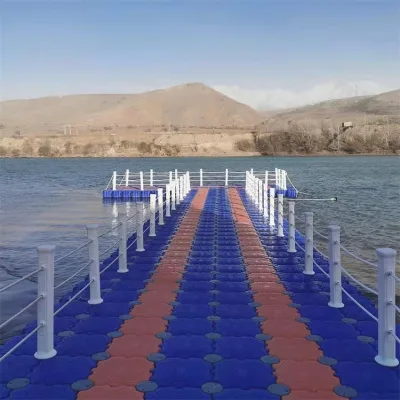


Custom-Size 10-100m Length Adjustable Barge Pontoon for Various Projects
$50000.00 - $100000.00
MOQ: 1 Sets

Comprehensive Sourcing Guide
Strategic Sourcing Guide for Aisi 316l Cube Concrete Pontoon Systems
The procurement of marine infrastructure components, specifically cube-style pontoons, requires a nuanced understanding of material science, structural engineering, and supply chain logistics. While the core keyword often references "Aisi 316l Cube Concrete Pontoon," a rigorous analysis of the current market reveals a distinct divergence between the requested material composition and the prevalent product offerings. The supplied product data indicates a market dominated by High-Density Polyethylene (HDPE) modular cubes rather than concrete or stainless steel variants. Consequently, this guide addresses the specific challenges of sourcing these systems, clarifies the material realities, and outlines the necessary verification steps for buyers seeking high-performance floating dock solutions. Understanding the distinction between the requested AISI 316L stainless steel or concrete specifications and the available HDPE market is the first critical step in avoiding procurement errors and ensuring project success.
Material Composition and Structural Reality
The term "AISI 316L" refers to a specific grade of stainless steel known for its superior corrosion resistance in marine environments, while "concrete" implies a heavy, rigid buoyancy medium. However, the observed product attributes in the current supply base consistently list "HDPE" (High-Density Polyethylene) as the primary material. This is a significant deviation from the core keyword's implication of metal or masonry construction. HDPE pontoons, such as those identified by models like LZL-FB-007 and LZL-FB-003, utilize a hollow cube design to provide buoyancy without the weight and maintenance issues associated with concrete or the high cost of stainless steel fabrication.
Buyers must recognize that while AISI 316L is an excellent choice for fasteners, railings, and structural fittings, it is rarely the primary buoyancy material for cube pontoons due to cost and weight constraints. Similarly, concrete pontoons are typically solid and heavy, requiring different installation methods than the modular, interlocking cubes observed in the market. The supplied facts confirm that the available "Floating Pontoon" products are constructed from HDPE, offering a lightweight alternative with a reported life span of 15 years. When sourcing, the buyer must explicitly verify if the supplier can produce a composite unit where HDPE cubes are reinforced with AISI 316L hardware or if the request for a "concrete" pontoon is a misunderstanding of the modular floating cube technology. The standard dimensions observed, such as 500x500x400mm and 1000x500x400mm, are optimized for HDPE injection molding, not concrete casting or steel welding.
Technical Specifications and Dimensional Standards
Precision in technical specifications is paramount when integrating modular pontoons into a larger marine infrastructure project. The market data provides a clear range of standard dimensions, including 500x500x400mm, 1000x500x400mm, and 1250x1000x50mm variants. These dimensions dictate the footprint and buoyancy characteristics of the final structure. For instance, the 500x500x400mm cube is frequently cited as a standard unit for jet ski docks and floating bridges, while larger configurations like the 1250x1000x50mm may serve different load-bearing needs.
The load capacity is another critical technical parameter. The observed data indicates a load capacity of 350kgs/Sqm or 350kgs/M2. This figure represents the maximum distributed load the pontoon can support before submerging beyond safe limits. Buyers must calculate the total weight of their intended application, including the weight of the structure itself, equipment, and the maximum number of occupants, to ensure it remains within this 350kg/m² threshold. Furthermore, the weight of the individual units varies, with observations noting 5kg and 7kg variants. This weight difference can impact the ease of installation and the overall stability of the floating platform. The shape is consistently described as a "Cube," which facilitates interlocking mechanisms, though the specific locking geometry must be verified against the supplier's engineering drawings.
| Parameter | Observed Standard Range | Verification Requirement |
|---|---|---|
| Material | HDPE | Confirm if AISI 316L or concrete is available or if HDPE is the only option. |
| Dimensions | 500x500x400mm to 1250x1000x50mm | Verify exact tolerance and compatibility with existing dock systems. |
| Load Capacity | 350 kg/m² | Calculate total project load against this limit. |
| Unit Weight | 5kg to 7kg | Assess handling requirements for installation crews. |
| Shape | Cube | Confirm interlocking mechanism design. |
Compliance, Certification, and Quality Assurance
In the marine industry, compliance with international standards is non-negotiable for safety and longevity. The supplied product facts list "ISO" and "CE" certifications as available attributes. These certifications indicate that the manufacturer adheres to specific quality management systems and European safety standards, respectively. However, the presence of these certifications on a product page does not guarantee that every unit in a specific order meets these standards without verification. Buyers should request valid, current certificates for the specific batch of goods being purchased.
The standard for the product is noted as "based on the client's requirement," which suggests a high degree of customization. This flexibility is advantageous but requires rigorous oversight. The buyer must define the exact performance criteria, including UV resistance, which is listed as a key feature. HDPE is susceptible to degradation under prolonged UV exposure unless stabilized. The "UV Protection" feature mentioned in the data must be verified through material data sheets (MDS) to ensure the additive package is sufficient for the intended marine environment. Additionally, the "Anti-Sliding" design is a critical safety feature for walkways and platforms. The buyer should inspect the surface texture of the cubes to ensure they meet the slip-resistance requirements for wet marine conditions.
Cost Drivers and Pricing Dynamics
The pricing landscape for modular pontoons is highly variable, with observed ranges spanning from $20 to $135,000 USD. This vast disparity is driven by several factors, including the scale of the order, the complexity of the customization, and the specific model selected. The Minimum Order Quantity (MOQ) ranges from 1 to 250 units, indicating that small-scale projects can be accommodated, but larger orders may benefit from economies of scale. The cost of the material itself is a primary driver; while HDPE is generally more affordable than AISI 316L or concrete, the cost of high-quality, UV-stabilized HDPE with specific color options (such as the observed "Gray" or "Customized" colors) will influence the final price.
Lead times are another significant cost factor. The data indicates delivery times of 20 to 25 days. These timelines can fluctuate based on the supplier's production schedule, the complexity of the customization, and logistics. Buyers should factor in these lead times when planning project schedules to avoid delays that could incur additional costs. The "Nude Packing" and "Carton" options also affect shipping costs; bulkier or less protected packaging may require additional freight charges or protective measures during transit. Understanding these variables allows buyers to budget accurately and negotiate effectively with potential suppliers.
Supplier Evaluation and Operational Capabilities
Evaluating a supplier for marine infrastructure requires a deep dive into their operational capabilities and track record. The observed product data lists origins in "China" and specifically "Zhejiang," a region known for its manufacturing prowess in plastics and marine equipment. The brand names observed, such as "Lzl" and "Jiachen," suggest a competitive market with multiple players. However, the absence of a single dominant supplier means buyers must conduct due diligence on each potential partner.
Key evaluation criteria should include the supplier's ability to provide customization, as the data confirms that customization is available. Buyers should assess the supplier's engineering team to ensure they can adapt the standard 500x500x400mm cubes to specific project needs, such as different dimensions or load capacities. The "Woven Bags" and "Carton" packing options indicate different levels of logistical support. A supplier offering robust packaging solutions demonstrates a commitment to protecting the product during transit. Furthermore, the "Life Span" of 15 years is a critical metric for long-term value. Buyers should request historical data or case studies that validate this lifespan claim, ensuring the supplier has a proven track record of durability.
Long-Term Procurement and Maintenance Considerations
The longevity of a floating pontoon system is a primary concern for any marine project. The observed "Life Span" of 15 years and the "Warranty" of "Years" (though the specific number is not defined in the data) highlight the importance of long-term planning. Buyers should inquire about the specific warranty terms, including what is covered and the duration of the coverage. The "Maintenance" usage category suggests that these pontoons are designed for long-term service with minimal intervention, but regular inspections are still necessary.
The "Easy Installation" feature is a significant advantage for reducing initial setup costs and minimizing disruption. However, the long-term stability of the installation depends on the quality of the interlocking mechanisms and the anchoring system. Buyers should verify that the supplier provides detailed installation guides and technical support. Additionally, the "Customized" color option allows for aesthetic integration with the surrounding environment, but the buyer must ensure that the color pigments are UV-stable to prevent fading over the 15-year lifespan. The "Delivery Time" of 20-25 days should be factored into the project timeline, and buyers should consider the potential for supply chain disruptions when planning for future expansions or repairs.
Conclusion and Strategic Recommendations
Sourcing a "Aisi 316l Cube Concrete Pontoon" requires a strategic approach that acknowledges the current market reality dominated by HDPE modular cubes. While the keyword suggests a specific material composition, the available data points to a robust industry of high-performance plastic pontoons that offer superior buoyancy, ease of installation, and durability. Buyers must carefully navigate the distinction between the requested materials and the available HDPE solutions, ensuring that their project requirements align with the capabilities of the supply base. By verifying technical specifications, checking certifications, understanding cost drivers, and evaluating supplier capabilities, buyers can secure a high-quality floating dock system that meets their operational needs. The focus should remain on the functional attributes of the product, such as load capacity, UV protection, and life span, rather than adhering strictly to a material specification that may not be the most practical or cost-effective solution for the intended application.
FAQs
What material is used for the cube pontoon products?
The available cube pontoons are constructed from HDPE, not AISI 316L stainless steel or concrete. This high-density polyethylene material provides buoyancy and durability while being significantly lighter than concrete alternatives for marine applications.
Which certification standards do the floating pontoons meet?
The products carry ISO and CE certifications to ensure quality and safety compliance. Buyers should verify that specific batches hold valid certificates, as these standards confirm adherence to international manufacturing and safety requirements for marine infrastructure.
How long is the expected life span of the modular pontoons?
The observed life span for these HDPE cube pontoons is approximately 15 years. This duration assumes proper installation and maintenance, with UV protection features helping to resist degradation in harsh marine environments over the long term.
Can the pontoon dimensions be customized for specific projects?
Yes, customization is available to meet specific client requirements for dimensions and features. Standard sizes like 500x500x400mm exist, but manufacturers can adapt specifications such as color, load capacity, and packing methods to suit unique project needs.
What is the typical lead time for delivery of these units?
The standard delivery time ranges from 20 to 25 days after order confirmation. This timeline accounts for production scheduling and packaging, though actual lead times may vary based on order volume and the complexity of any requested customizations.
Which load capacity should be considered for the floating platform?
The observed load capacity is 350 kilograms per square meter for the standard units. Buyers must calculate the total weight of their intended structure and occupants to ensure it remains within this limit for safe operation on water.