Source Airtight Sealed Tin Container for Tea Coffee Gifts
Find 30 Airtight Sealed Tin Container for Tea and Coffee options from verified manufacturers in China. Compare customized sizes, eco-friendly materials, and sealing types for food, gift, and toy packaging needs.
Key considerations
Products List
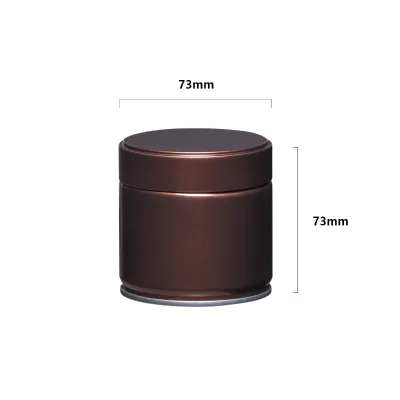
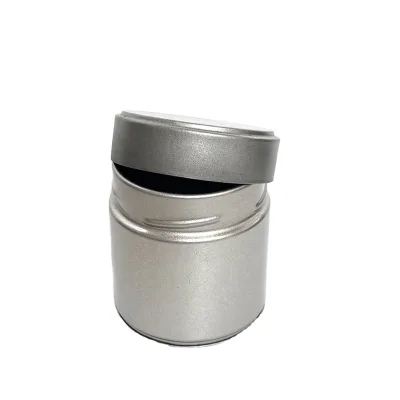


Premium Airtight Tin Can Sealed Metal Container for Food Tea Coffee Storage
$0.58 - $1.28
MOQ: 1000 Pieces
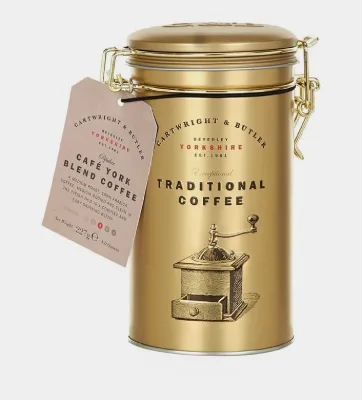


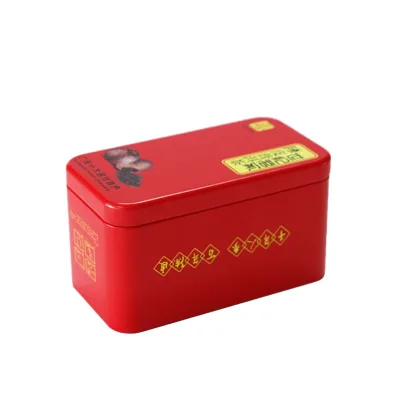
Customized Rectangular Metal Coffee Tin Box with Plastic Airtight Cover
$0.30 - $0.45
MOQ: 5000 Pieces


Coffee Canister Tea Candy Airtight Food Storage Container with Valve and Scoop
$5.29 - $5.48
MOQ: 500 Pieces


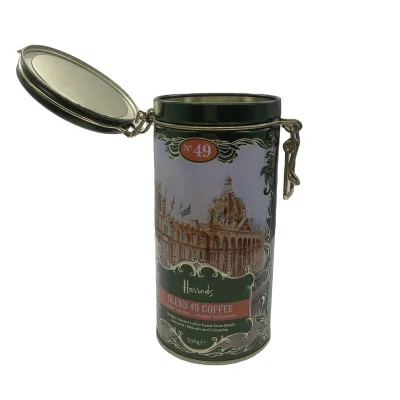



Comprehensive Sourcing Guide
Strategic Sourcing Guide for Airtight Sealed Tin Containers for Tea and Coffee
Understanding Material Composition and Structural Integrity
When sourcing airtight sealed tin containers specifically for tea and coffee, the primary focus must be on the material composition that ensures product preservation. The core material identified in the market is food-grade tinplate, a steel sheet coated with a thin layer of tin. This material choice is critical because it provides the necessary barrier against moisture, light, and oxygen, which are the primary enemies of tea and coffee freshness. The structural integrity of these containers often relies on a specific sealing mechanism. In the context of high-quality tea and coffee packaging, the sealing type is frequently a lid, which may be designed as a double lid or a plastic lid paired with a metal clip to ensure an airtight environment.
The shape of the container is another fundamental specification that influences both aesthetics and functionality. While round shapes are dominant, particularly for tea tins, rectangular and oval options are also available to meet diverse branding needs. The dimensions are not always standardized; many suppliers offer custom sizes, with specific volume capacities ranging from compact units like 7373mm or 73120mm up to larger capacities such as 1000 mL. Buyers must verify that the specific model selected, whether it is a standard round tea tin or a specialized oval box, aligns with the volume requirements of their specific tea or coffee blend. The weight of these containers is generally light, often under 0.5 kg, which is a significant factor when calculating shipping costs for bulk orders.
Technical Specifications and Customization Capabilities
The technical specifications of airtight tin containers extend beyond basic dimensions to include surface finishing and printing capabilities. The surface of the tinplate is typically polished to ensure a smooth, attractive finish that enhances the visual appeal of the product. For branding purposes, customization is a standard offering. Suppliers often provide customized logo printing services, allowing buyers to imprint their brand identity directly onto the container. The printing method utilized is predominantly offset printing, which supports high-quality, multi-color designs. Specifically, 4-color offset printing is a common capability, enabling detailed and vibrant graphics that are essential for premium tea and coffee packaging.
Customization extends to the color and design elements as well. Buyers can often request mixed colors or specific custom color schemes to match their brand guidelines. Some models feature embossing techniques, adding a tactile dimension to the packaging that elevates the perceived value of the product. For instance, certain round tea tins come with embossing details and double lids, while others may feature an inner lid for added protection. The sealing mechanism varies by model; some utilize a plastic lid with a metal clip, while others employ a plastic lid with metal sealing to ensure an airtight seal. It is vital for buyers to review the specific model number, such as WM21-137 or WM22-145-1, to understand the exact configuration of the lid and sealing system before placing an order.
Compliance, Certification, and Safety Standards
Ensuring that tin containers are safe for food contact is a non-negotiable aspect of sourcing for tea and coffee. The industry standard requires that these containers meet rigorous safety and quality certifications. Verified certifications often include ISO, BSCI, Sedex, and BRC, which indicate that the manufacturing facility adheres to international management and quality standards. Furthermore, the materials used must comply with specific food safety regulations. Testing standards such as FDA, LFGB, EN71-3, and BPA-free compliance are critical indicators of safety. These standards ensure that the tinplate and any associated coatings or plastics do not leach harmful substances into the tea or coffee.
Buyers should verify that the supplier can provide test results or certificates confirming compliance with these specific standards. The presence of these certifications is particularly important for markets in North America and Europe, where regulatory scrutiny is high. The "Eco-Friendly" attribute is also a significant consideration, as modern consumers prefer sustainable packaging. The tinplate material itself is recyclable, and many suppliers highlight this feature. However, buyers must confirm that the entire packaging solution, including the plastic lids or clips, aligns with their sustainability goals. The standard classification of these products often falls under "Medium-Sized Packaging" or "Small-Sized Packaging," depending on the volume, which influences the regulatory framework applied to the product.
Cost Drivers and Pricing Dynamics
The pricing of airtight sealed tin containers is influenced by several variables, including material costs, customization complexity, and order volume. The observed price range in the market spans from $0.10 to $5.48 USD per unit, reflecting the diversity in size, design complexity, and order quantity. The minimum order quantity (MOQ) is another critical cost driver, ranging widely from 10 units to 10,000 units. Smaller MOQs allow for flexibility but often come with a higher per-unit cost, while larger orders typically benefit from economies of scale.
The cost is also driven by the specific customization features requested. Customized logo printing, embossing, and unique shapes or sizes generally incur additional costs compared to standard, off-the-shelf designs. The volume of the container, such as the 1000 mL capacity versus smaller 73*73mm units, directly impacts the amount of raw material required, thereby affecting the price. Additionally, the type of sealing mechanism, such as a double lid versus a simple plastic lid, can influence the manufacturing complexity and final cost. Buyers should be aware that while the base material is tinplate, the inclusion of plastic components or complex metal clips adds to the overall production cost.
Typical Applications and Usage Scenarios
Airtight sealed tin containers serve a variety of applications beyond simple storage. The primary industrial use is for food packaging, specifically for tea and coffee, where maintaining freshness is paramount. However, these containers are also versatile enough for use in the gift industry, serving as premium packaging for holiday gifts or corporate presents. Some models are designed for toy packaging, indicating a broader utility in retail environments. The "Round Tea Tin" and "Round Coffee Tin" designations highlight their specialized use for these specific beverages, but the "Food, Gifts, Toy" usage category suggests a flexible application across different sectors.
The packaging is often designed to be airtight to preserve the aroma and flavor of the contents. This makes them ideal for high-value tea blends and specialty coffee beans that are sensitive to environmental factors. The ability to customize the logo and color allows brands to use these containers as a marketing tool, turning the packaging into a brand ambassador. Whether used for single-item sales or bulk distribution, the container's design must support the intended usage, whether it is for retail display, home storage, or gifting. The "Eco-Friendly" feature further enhances their suitability for brands that prioritize sustainability in their product lifecycle.
Supplier Evaluation and Quality Control Protocols
Evaluating a supplier for airtight tin containers requires a thorough assessment of their capabilities and quality control measures. Buyers should look for suppliers with a proven track record in food-grade packaging, evidenced by their certifications like ISO, BSCI, and Sedex. The place of origin is a relevant factor, with major manufacturing hubs including Anhui and Dong Guan in China. These regions have established supply chains for tinplate and metal packaging. When evaluating a supplier, buyers should request samples to verify the quality of the printing, the effectiveness of the sealing mechanism, and the durability of the material.
Quality control should focus on the consistency of the sealing performance. Since the core requirement is an airtight seal, buyers must test the containers for air leakage, especially if they are used for products with high volatility like coffee. The surface finishing should be inspected for defects such as scratches or uneven polishing. Additionally, the printing quality must be checked for color accuracy and registration, ensuring that the 4-color offset printing meets the brand's standards. The packaging of the containers themselves, often described as 1 piece per polybag in an export carton, should be robust enough to prevent damage during transit. Buyers should also verify the lead times and production capacity to ensure the supplier can meet their demand without compromising quality.
Long-Term Procurement and Sustainability Considerations
For long-term procurement strategies, buyers should consider the scalability and sustainability of their tin container supply chain. The "Customization: Available" attribute suggests that suppliers are willing to adapt to changing brand needs, which is essential for long-term partnerships. However, buyers must ensure that the customization process remains consistent in quality over time. The "Eco-Friendly" attribute is a key long-term consideration, as environmental regulations and consumer preferences are shifting towards sustainable packaging. Tinplate is inherently recyclable, but the sustainability of the entire package, including lids and clips, should be evaluated.
Buyers should also monitor the supply chain for potential disruptions. The location of the supplier, whether in Anhui or Dong Guan, can impact logistics and lead times. Establishing a relationship with a supplier that offers flexible MOQs can help manage inventory costs effectively. Furthermore, the ability to source different shapes and sizes, from round to oval and rectangular, allows for a diversified product line without needing to switch suppliers. By focusing on suppliers with robust certifications and a commitment to quality, buyers can ensure a steady supply of high-quality, airtight sealed tin containers that meet both functional and regulatory requirements for the tea and coffee industry.
FAQs
What material is used for airtight sealed tin containers for tea and coffee?
These containers are made from food-grade tinplate to ensure safety and durability. This material provides a strong barrier against moisture, light, and oxygen, which helps preserve the freshness of tea and coffee blends effectively.
Can I customize the logo and printing on these tin containers?
Yes, customized logo printing is available with options for 4-color offset printing. Buyers can request specific designs, mixed colors, or embossing details to match their brand identity on the polished surface of the tin.
Which certifications do these tin containers meet for food safety?
The containers meet international standards including ISO, BSCI, Sedex, and BRC certifications. They also comply with food safety testing standards such as FDA, LFGB, EN71-3, and BPA-free requirements for safe food contact.
How does the sealing mechanism work for these airtight containers?
The sealing type typically involves a lid, which can be a double lid or a plastic lid with a metal clip. Some models feature an inner lid or metal sealing to ensure an airtight environment for product preservation.
What sizes and shapes are available for these tin containers?
Custom sizes are accepted with shapes including round, rectangular, and oval options. Specific volume capacities range from compact dimensions like 73*73mm up to larger sizes such as 1000 mL to suit various packaging needs.
Where are these tin containers manufactured and what is the origin?
The place of origin is primarily Anhui, China, with some production in Dong Guan. These regions host established supply chains for tinplate and metal packaging to support bulk manufacturing and export requirements.
What is the typical price range and minimum order quantity?
The observed price range is 0.1 to 5.48 USD per unit depending on customization and size. Minimum order quantities vary widely from 10 to 10,000 units, allowing flexibility for different order volumes and budget constraints.