Source Alcohol Soluble Polyamide Resin for Ink, Varnish, and Coating
Compare 30 verified listings of Alcohol Soluble Polyamide Resin tailored for printing inks, varnishes, and seal coatings. Buyers can evaluate specifications like melt point, viscosity, and acid value to find the right material for film applications.
Key considerations
Products List




Comprehensive Sourcing Guide
Strategic Sourcing Guide for Alcohol-Soluble Polyamide Resin
Understanding Product Variants and Technical Specifications
The market for alcohol-soluble polyamide resin is characterized by a diverse range of formulations designed to meet specific performance requirements in industrial applications. Buyers must first distinguish between the various product models and their corresponding chemical profiles, as these attributes directly dictate performance in end-use scenarios. The core product category includes Alcohol-Soluble Polyamide Resin, which is often identified by specific model numbers such as F545, S18, S13, S15, PA, DT610, and DT. These models represent distinct variations in molecular structure and physical properties rather than generic synonyms.
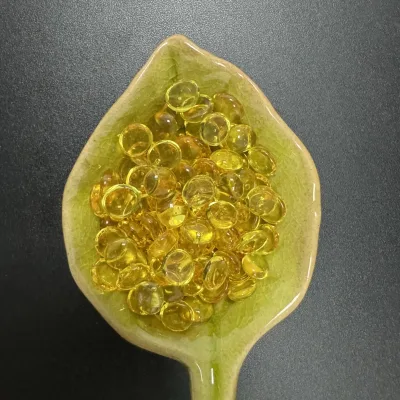
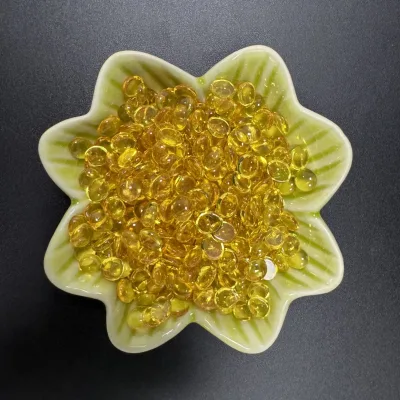
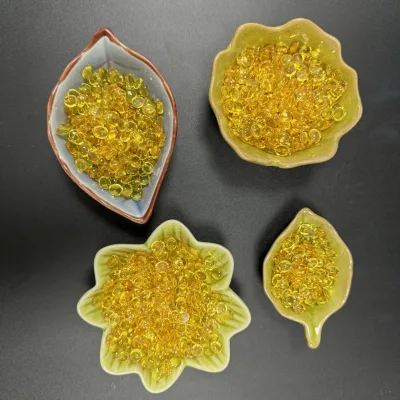
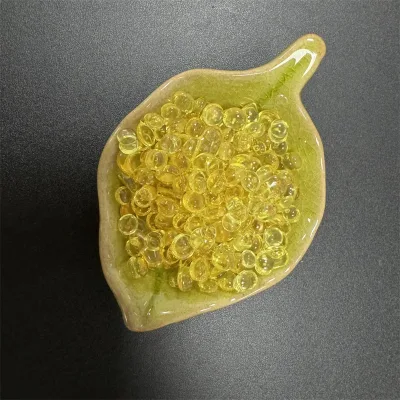
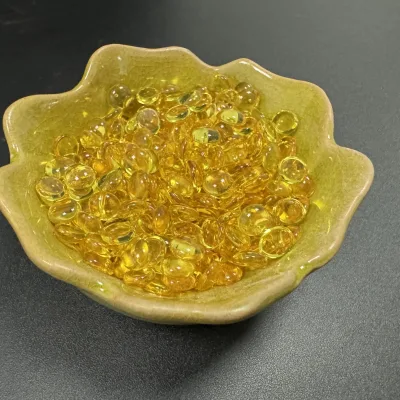
A critical observation in the current supply landscape is the variation in physical appearance and molecular composition. While some products are described as yellowish granulated transparent solids, others are noted simply as granular or synthetic resin and plastics. The molecular principal chain is consistently identified as a carbon chain polymer, a fundamental characteristic that influences the resin's flexibility and adhesion properties. However, the specific model dictates the precise performance metrics. For instance, the F545 model is explicitly linked to printing ink applications on film, whereas the PA model is associated with broader applications in household appliances and vehicles.
Technical specifications vary significantly across these models, requiring buyers to match the data to their process needs. Melt points range from 110-120 degrees Celsius for certain grades to 120-130 degrees Celsius for others, such as the S13 model. Viscosity is another pivotal parameter, with observed ranges spanning from 50-100 mPa.s for standard grades up to 150-300 mPa.s for higher viscosity variants like the S13. Furthermore, chemical values such as the Acid Value and Amine Value are critical for formulation stability. Specific data points indicate an Acid Value of 3-4 mgKOH/g maximum and an Amine Value of 4-6 mgKOH/g maximum for certain grades, while others may list these as "Standard" or "Max 6." Buyers must verify these exact numerical ranges against their specific ink or coating formulation requirements, as deviations can alter drying times and film hardness.
Compliance, Certification, and Regulatory Standards
Navigating the regulatory landscape is essential for global procurement, particularly when sourcing from manufacturing hubs in China. The supply chain for alcohol-soluble polyamide resin includes products that adhere to various international standards and certification frameworks. High-confidence data indicates that certain product lines carry certifications such as RoHS, Reach, and ISO9001:2022. These certifications are vital for buyers operating in markets with strict environmental and safety regulations, ensuring that the resin does not contain restricted substances and that the manufacturing process meets quality management benchmarks.
In addition to product-specific certifications, broader facility certifications are often available. Some suppliers provide documentation including ISO9001, ISO14001, MSDS (Material Safety Data Sheet), and TDS (Technical Data Sheet). The presence of these documents is a strong indicator of a supplier's commitment to transparency and quality control. The ISO14001 certification, specifically, suggests adherence to environmental management standards, which aligns with the "Environmental" feature noted in some product descriptions. It is important to note that while some products are described as having a "Flame Retardant" feature meeting UL94-V0 standards, this is a specific attribute of certain models and not a universal characteristic of all alcohol-soluble polyamide resins.
Buyers must exercise caution when interpreting standard claims. While the product standard is often listed as "100% Alcohol-Soluble Polyamide Resin" or "Untreated Polyamide Resin," the actual compliance status depends on the specific batch and the supplier's current certification validity. The background information mentions ISO 13485:2016, but this is a low-confidence background reference and should not be assumed as a standard for general industrial resins without explicit verification from the supplier. Therefore, procurement teams should request current, valid certificates for each order rather than relying on general marketing claims. Verifying the origin, such as products originating from Anhui, China, is also part of the compliance check, as regional manufacturing practices can influence quality consistency.
Cost Drivers and Procurement Economics
The economics of sourcing alcohol-soluble polyamide resin are influenced by several factors, including raw material costs, packaging requirements, and order volume. The observed price range in the market is extensive, spanning from 1.03 USD to 1980 USD, which likely reflects differences in product grade, quantity, and packaging specifications rather than a single unit price for all variants. This wide variance underscores the importance of defining the exact model and quantity before requesting a quote.
Minimum Order Quantity (MOQ) is a significant cost driver in this sector. Data indicates an MOQ range from 0 to 1000 kg. Some suppliers may offer flexible terms for samples or small batches, while standard commercial transactions often require a minimum of 1000 kg. This high-volume requirement can impact the total landed cost, especially for smaller buyers or those testing new formulations. The packaging also plays a role in logistics costs. Common packaging formats include 25kg per bag, 20kg per bag, or 20kg per carton. Some specialized packaging involves PP woven bags or cartons with pallets, where a 20-foot container might hold approximately 12 metric tons. The choice of packaging affects shipping efficiency and potential damage risks during transit.
Buyers should also consider the sample policy, which can mitigate initial procurement risks. Many suppliers offer free samples, allowing for technical validation before committing to a large order. However, the cost of shipping these samples and the time required for testing must be factored into the overall procurement timeline. Additionally, the shelf life of the product, typically cited as two years, influences inventory management strategies. Buyers should plan their purchasing cycles to ensure stock rotation and prevent degradation, which could lead to quality issues if the resin is stored beyond its recommended lifespan.
Typical Applications and Performance Requirements
The versatility of alcohol-soluble polyamide resin is evident in its wide array of applications, ranging from industrial printing to automotive manufacturing. The primary application identified is for printing inks, specifically for use on films and in gravure printing. The product is also utilized in varnish and seal coating formulations. In these contexts, the resin's ability to provide high-temperature resistance is a critical performance attribute. This characteristic ensures that the printed materials or coated surfaces can withstand thermal stress without degrading, a necessity for packaging materials that may undergo heat sealing processes.
Beyond printing, the resin finds application in the manufacturing of household appliances and vehicles. In the automotive sector, the material's properties contribute to the durability and finish of components. The specific model, such as the PA resin, is linked to these heavy-duty applications, suggesting a formulation designed for robustness and adhesion to various substrates. The "Environmental" feature of some products makes them suitable for applications where eco-friendly materials are preferred, potentially aligning with corporate sustainability goals.
Performance expectations vary by application. For printing inks, viscosity and melt point are crucial for ensuring proper flow and drying characteristics. The resin must dissolve effectively in alcohol-based solvents to create a stable ink vehicle. In automotive and appliance applications, the focus shifts to mechanical strength and chemical resistance. The molecular principal chain, being a carbon chain polymer, provides the necessary backbone for these mechanical properties. Buyers should match the specific application requirements with the technical data of the resin model, ensuring that the Acid Value, Amine Value, and Color (Fe-Co) meet the aesthetic and functional standards of the final product.
Supplier Evaluation and Quality Control Protocols
Selecting the right supplier is paramount to ensuring consistent product quality and supply chain reliability. A robust evaluation process should begin with verifying the supplier's certifications and the authenticity of their product data. Buyers should request up-to-date certificates for RoHS, Reach, ISO9001:2022, and other relevant standards. The presence of MSDS and TDS documents is non-negotiable, as these provide the necessary safety and technical information for handling and processing the resin.
Quality control should be an integral part of the procurement agreement. Given the observed variations in specifications, such as melt points ranging from 110-120 to 120-130 degrees Celsius, buyers must establish clear acceptance criteria. Testing for key parameters like Viscosity, Acid Value, and Amine Value should be conducted upon receipt of goods. The "Prefect High Temperature Resistance" claim should be validated through independent testing if the application involves extreme thermal conditions. Furthermore, the physical appearance, described as yellowish granulated transparent solid or granular, should be inspected to ensure it matches the ordered specification.
Supplier reliability is also assessed through their sample policy and communication. The availability of free samples indicates a supplier's confidence in their product and willingness to support the buyer's technical evaluation. Buyers should evaluate the responsiveness of the supplier in providing technical support and addressing any discrepancies in the delivered goods. The origin of the product, such as Anhui, China, should be verified to ensure it aligns with the supplier's stated capabilities and to understand any regional logistical implications.
Long-Term Procurement and Supply Chain Resilience
Sourcing alcohol-soluble polyamide resin is not merely a transactional activity but a strategic partnership that requires long-term planning. The shelf life of two years necessitates a balanced approach to inventory management. Buyers should avoid overstocking to prevent potential degradation while maintaining sufficient stock to buffer against supply chain disruptions. The high MOQs observed in the market, often 1000 kg, require buyers to forecast demand accurately to optimize order sizes and minimize storage costs.
Supply chain resilience is enhanced by diversifying suppliers and maintaining open communication channels. Given the wide range of product models and specifications, relying on a single source can be risky if that supplier faces production issues or quality deviations. Buyers should maintain a portfolio of qualified suppliers who can provide different models, such as F545 for film printing or PA for automotive applications, ensuring continuity of supply.
Finally, buyers should stay informed about industry trends and regulatory changes. As environmental standards evolve, the demand for "Environmental" and flame-retardant resins may increase. Suppliers with certifications like ISO14001 are better positioned to meet these future requirements. By focusing on technical verification, certification compliance, and strategic inventory management, buyers can secure a reliable supply of high-quality alcohol-soluble polyamide resin that meets their specific application needs.
| Parameter | Model F545 | Model S13 | Model S15 | Model PA |
|---|---|---|---|---|
| Primary Application | Printing Ink on Film | General Resin | General Resin | Household Appliances, Vehicles |
| Melt Point | 110-120 | 120-130 | Not Specified | Not Specified |
| Viscosity | 50-100 | 150-300 | Not Specified | Not Specified |
| Packaging | 25kg Per Bag | PP Woven Bag | Not Specified | 20kg/Bag |
| Key Feature | High Temp Resistance | Standard | Flame Retardant (UL94-V0) | Environmental |
| Origin | China | China | China | Anhui, China |
This table summarizes the distinct characteristics of key models, aiding buyers in selecting the appropriate resin for their specific technical and operational requirements.
FAQs
What is the shelf life of Alcohol Soluble Polyamide Resin?
The shelf life is typically two years when stored properly. Buyers should plan inventory cycles to ensure stock rotation and prevent degradation before the resin expires.
Which certifications are available for this resin product?
Available certifications include RoHS, Reach, ISO9001:2022, ISO14001, MSDS, and TDS. These documents verify compliance with environmental standards and quality management benchmarks for global procurement.
Can I get a free sample before placing a large order?
Yes, many suppliers offer a free sample policy for technical validation. Buyers must factor in shipping costs and testing time to the overall procurement timeline before committing to bulk.
What is the minimum order quantity for this resin?
The minimum order quantity ranges from zero for samples up to 1000 kg for standard commercial transactions. High-volume requirements often impact the total landed cost for smaller buyers.
Where is the origin of this Alcohol Soluble Polyamide Resin?
The product originates from China, with specific mentions of Anhui as a manufacturing hub. Buyers should verify the origin to understand regional logistical implications and quality consistency.
What is the packaging format for this resin product?
Common packaging includes 25kg per bag, 20kg per bag, or PP woven bags. Specialized options involve cartons with pallets, where a 20-foot container holds approximately 12 metric tons.
Which models are available for printing ink applications?
Models such as F545, S18, S13, S15, PA, DT610, and DT are available for various uses. The F545 model is explicitly linked to printing ink on film applications.
What are the key technical specifications for this resin?
Key specs include a melt point of 110-120 or 120-130 degrees Celsius and viscosity ranging from 50 to 300 mPa.s. Acid and amine values are critical for formulation stability and drying times.