Source Men Shirt for Leisure, Work Uniform, and Transportation
Compare 30 verified listings for Men Shirt including cotton and polyester options with customization available. Buyers can review sizes, materials, and lead times for leisure, work uniform, and transportation applications.
Key considerations
Products List


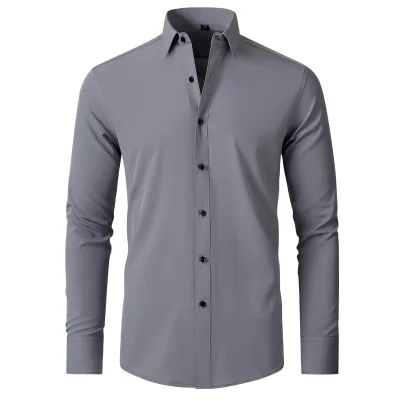

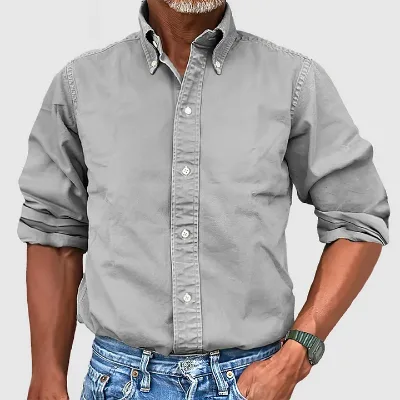


Comprehensive Sourcing Guide
Men Shirt Sourcing Guide
Sourcing men’s shirts requires a nuanced understanding of the diverse market segments, ranging from casual leisure wear to specialized work uniforms. The available product landscape reveals a significant divergence in design intent, material composition, and functional requirements. Buyers must first distinguish between standard fashion-oriented garments and those engineered for specific industrial or safety applications. This distinction dictates the entire procurement strategy, from supplier selection to quality assurance protocols.
The observed market signals indicate a wide variance in product attributes, including collar styles, sleeve designs, and fabric blends. While some listings emphasize aesthetic features like yarn-dyed finishes and slim fits, others prioritize utility with waterproofing, anti-wrinkle properties, and high-visibility reflective elements. Understanding these distinct categories is essential for aligning supplier capabilities with specific business needs, whether the goal is retail distribution, corporate uniform provisioning, or occupational safety compliance.
Product Scope and Observed Listing Signals
The current market offers men’s shirts across multiple distinct categories, primarily split between leisure wear and specialized work uniforms. Leisure options often feature cotton or spandex blends, offering stretch and comfort with styles ranging from stand collars to round necks. These garments are typically marketed for spring, autumn, or winter seasons, with sizes spanning from small to extra-extra-large. The presence of customization options, such as custom logos and OEM services, suggests a strong market for branded retail and corporate gifting.
In contrast, the work uniform segment focuses on durability and safety, utilizing materials like polyester for high-performance applications. These shirts are designed for specific professions, including traffic wardens, sanitation workers, and security personnel. Key features in this category include waterproofing, anti-static properties, and reflective elements for visibility. The scope extends to unisex designs suitable for firemen and general workers, indicating a robust demand for functional apparel that meets rigorous occupational standards.
Technical Specifications to Verify
Fabric composition is a primary technical differentiator that directly impacts garment performance and end-user satisfaction. Buyers must verify whether the shirt is constructed from natural fibers like cotton, which offer breathability, or synthetic blends like polyester, which provide durability and moisture-wicking capabilities. Some products combine cotton with spandex to enhance flexibility, while others rely on pure polyester for weather resistance. Confirming the exact material percentage is crucial for managing customer expectations regarding care, fit, and longevity.
Fit and structural design further define the product’s suitability for its intended use. Specifications such as slim, loose, or free-size cuts must be aligned with the target demographic’s preferences. Additionally, details like sleeve style, collar type, and pattern (pure color versus printed) influence the final aesthetic. For work uniforms, features like button cuffs and anti-wrinkle treatments are critical for maintaining a professional appearance throughout long shifts. Buyers should request detailed size charts and technical packs to ensure consistency across production runs.
Compliance and Safety Documentation
Regulatory compliance varies significantly depending on the shirt’s intended application. For leisure wear, general textile standards and labeling requirements apply, ensuring accurate fiber content disclosure and care instructions. However, for work uniforms used in transportation, road administration, or sanitation, specific safety certifications are mandatory. Products designated for these roles often require compliance with standards such as CE marking, which indicates conformity with health, safety, and environmental protection standards for products sold within the European Economic Area.
Safety features must be rigorously documented and verified. Reflective coats and uniforms for security or firemen must meet specific luminance and retro-reflective performance criteria to ensure worker visibility in low-light conditions. Buyers should request test reports from accredited laboratories to validate claims of waterproofing, anti-static behavior, and stain resistance. Without proper documentation, products may fail to meet occupational health and safety regulations, leading to legal liabilities and potential rejection by end clients.
Cost Drivers and Commercial Terms
Pricing in the men’s shirt market is influenced by material costs, customization complexity, and order volume. The observed price range is broad, reflecting the disparity between basic cotton leisure shirts and high-tech reflective work uniforms. Customization, such as logo printing or specific fabric blends, typically incurs additional costs. Buyers should negotiate tiered pricing structures that reward larger order quantities, as economies of scale can significantly reduce the per-unit cost for bulk purchases.
Commercial terms, including payment methods and delivery timelines, are critical for cash flow management and supply chain reliability. Common payment options include Western Union and bank transfers, though buyers should assess the security and convenience of these methods. Lead times vary, with sample production often taking three to five days and bulk orders requiring twenty to twenty-five days. Understanding these timelines helps in planning inventory levels and meeting seasonal demand peaks without incurring expedited shipping fees.
Supplier Qualification and Quality Control
Supplier qualification begins with verifying the origin and manufacturing capabilities of the provider. Many suppliers are located in Zhejiang, China, a major hub for textile production. Buyers should assess the supplier’s experience in producing the specific type of shirt required, whether it is a fashion item or a safety garment. Requesting references or case studies from previous clients can provide insight into the supplier’s reliability and consistency in meeting quality standards.
Quality control processes must be established before production begins. This includes defining clear acceptance criteria for fabric quality, stitching integrity, and color fastness. For customized orders, approving physical samples is essential to ensure that the final product matches the design specifications. Implementing pre-shipment inspections can help identify defects early, reducing the risk of receiving non-conforming goods. Buyers should also clarify the supplier’s policy for handling defective items and returns.
Long-Term Procurement Checks
Sustainable sourcing practices are increasingly important for maintaining brand reputation and meeting consumer expectations. Buyers should inquire about the environmental impact of the materials used, such as the use of organic cotton or recycled polyester. Although some certifications like GOTS are mentioned in broader contexts, buyers must verify if specific suppliers adhere to recognized sustainability standards. Transparent supply chains and ethical labor practices are key factors in building long-term partnerships with responsible manufacturers.
Continuous improvement and relationship management are vital for long-term success. Regular communication with suppliers regarding market trends, material innovations, and feedback from end-users can drive product development. Establishing a framework for periodic performance reviews helps identify areas for improvement in quality, delivery, and service. By fostering collaborative relationships, buyers can secure better pricing, priority production slots, and access to new product innovations, ensuring a competitive edge in the market.
FAQs
What customization options are available for men shirts?
Customization is available for these men shirts, allowing buyers to tailor specific features. Options include custom logos and model numbers like Td-100 or TD-101. Buyers can also select from various sizes ranging from S to Xxxxl or choose free size options depending on the specific product model selected.
How long does it take to receive an order?
The order delivery time is typically 20 to 25 days after confirmation. Before production begins, a sample time of 3 to 5 days is required for approval. This timeline ensures that the final product meets the required specifications for materials like cotton or polyester before bulk manufacturing starts.
Which materials are used for these men shirts?
These men shirts are primarily made from cotton, cotton mixed with spandex, or polyester. The specific material depends on the intended use, such as leisure wear or reflective coats for workers. Some products feature yarn dyed techniques to enhance the fabric quality and durability for various seasonal needs.
Can I order men shirts with specific packaging requirements?
Yes, specific packaging options are available for these men shirts. Products may come in shirt bags inside boxes or be packed as one piece per opp bag with 500 pieces per carton. Buyers can also find options with standard dimensions like 15*10*20 or 86*53*20 depending on the supplier configuration.
What sizes are offered for men shirts?
A wide range of sizes is offered, including S, M, L, XL, XXL, and extended sizes up to Xxxxl. Some models are available in free size or customizable dimensions to fit different body types. Buyers can also find specific loose or slim fit models depending on the style and intended application.
Where are these men shirts manufactured?
These men shirts originate from Zhejiang, China, specifically from the mainland region. The production location is noted as China, ensuring consistent manufacturing standards for the supplied products. Buyers can expect goods to be shipped via air or sea from this established manufacturing hub.
What payment methods are accepted for these orders?
Accepted payment methods include Western Union and bank transfers for these transactions. Buyers can arrange secure payments directly with suppliers to facilitate the ordering process. This flexibility supports various international trade requirements while ensuring smooth financial processing for bulk orders.