Source AlGaInP Blue LED Chip for Indicator Lights and Displays
Find 30 listings for the AlGaInP Blue LED Chip suitable for indicator lights, displays, and general illumination. Compare specifications such as voltage, brightness, and viewing angles to identify the right components for your electronic designs; compare the available evidence and request quotations based on your requirements.
Key considerations
Products List
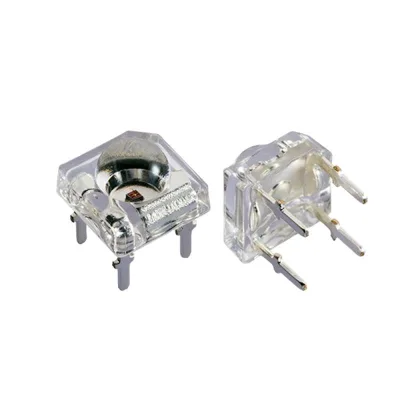
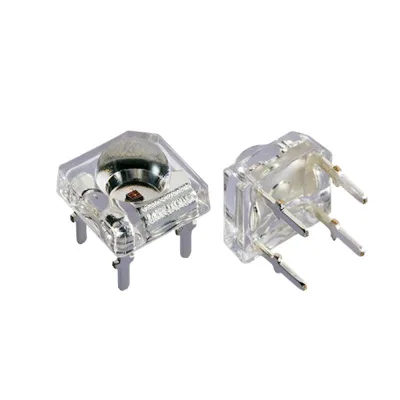
Asia Factory LED High Power Led AlgalnP Chip 0.1W Full Spectrum LED Light Emitting Diode
$0.01 - $0.03
MOQ: 10000 Minimum

$8.87 - $10.60
MOQ: 100 Pieces


Comprehensive Sourcing Guide
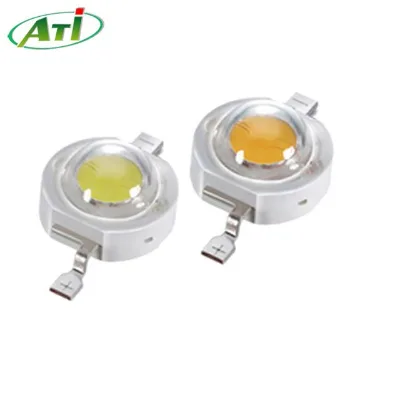
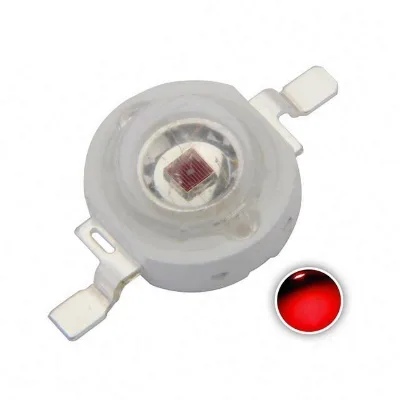
5mm White Super Flux Led Lamp 5mm Piranha Led Sourcing Guide
Procuring 5mm white super flux LED lamps requires careful attention to the specific chip material and optical characteristics listed in supplier catalogs. The available data indicates that these components utilize Algainp chip material, which is critical for achieving the specified luminous intensity ranges of 200 to 30,000 mcd. Buyers must verify that the listed operating temperature range of -40 to 85 degrees Celsius aligns with their intended environmental conditions, as this directly impacts long-term reliability in industrial or outdoor applications.
Commercial listings often present a wide variance in viewing angles, ranging from 10 to 180 degrees, which dictates the suitability of the component for specific lighting designs. Sourcing teams should prioritize suppliers who explicitly confirm the input current of 30mA and the power dissipation of 0.1W to ensure compatibility with existing driver circuits. Understanding these electrical parameters is essential before placing orders, as mismatches can lead to premature failure or inefficient operation in the final assembly.
Product Scope and Observed Listing Signals
The observed product scope encompasses a diverse array of LED types, including super flux lamps and various surface-mount models like the S0402CB-06W and 1206-CB-L. Listings frequently mention customization availability, allowing buyers to tailor emitting colors such as red, green, blue, and amber to specific project needs. However, the data also reveals conflicting specifications, such as varying voltage ranges from 1.8V to 3.4V and different brightness levels, necessitating a rigorous review of individual product datasheets to confirm exact performance metrics.
Buyers should note that while some entries specify a single item selling unit, others indicate bulk packaging like 5000 pieces per roll, which significantly influences inventory planning and cost structures. The presence of multiple model numbers, including 5050-12W and S0402YG-06W, suggests a broad inventory that may include both through-hole and surface-mount technologies. It is vital to distinguish between these form factors early in the sourcing process to avoid procurement errors related to mounting requirements and PCB design constraints.
Technical Specifications to Verify
Technical verification must focus on the precise wavelength and color temperature ranges to ensure optical consistency across the production batch. The supplied facts list wavelengths such as 460-470nm for blue and 566-572nm for yellow, alongside a broad color temperature spectrum from 2700K to 12000K. Procurement specialists should demand batch-specific test reports that confirm these values, as deviations can alter the perceived color quality and color rendering index, which is listed as 80 in some entries but may vary by manufacturer.
Electrical characteristics require equally strict scrutiny, particularly regarding the input current and voltage tolerances. While some data points suggest an input current of 30mA, other entries list ranges from 5 to 20mA, creating potential confusion for circuit designers. Buyers must confirm the exact forward voltage, which appears to range between 1.8V and 3.4V depending on the specific model, to prevent overdriving the LEDs. Additionally, verifying the optical attenuation of 0.5% and the ESD sensitivity of 2000V Hbm is crucial for ensuring the components can withstand handling and assembly processes without degradation.
Compliance and Safety Documentation
Compliance verification is a non-negotiable step when sourcing electronic components, especially given the explicit mention of RoHS and CE certifications in the product data. Buyers must request valid, up-to-date certificates of conformity that specifically cover the Algainp chip material and the finished LED assembly. It is important to ensure that the certification documents are issued by accredited bodies and are not merely self-declared claims, as this protects the supply chain from regulatory penalties in target markets.
Safety documentation should also address the thermal and electrical safety limits of the components. The listed operating and storage temperature ranges of -40 to 85 degrees Celsius must be supported by thermal testing data to guarantee performance under extreme conditions. Furthermore, the IP rating and life expectancy claims, such as the 30,000-hour or 100,000-hour lifespans mentioned in different listings, require validation through accelerated life testing reports. Without these documents, the risk of field failures increases significantly, potentially leading to costly recalls or warranty claims.
Cost Drivers and Commercial Terms
Cost drivers in this category are heavily influenced by the customization options and the specific chip material used in the manufacturing process. The ability to customize emitting colors and brightness levels often incurs additional tooling or setup fees, which can vary widely between suppliers. Buyers should clarify whether the quoted price includes the cost of custom packaging or specific binning requirements, as these factors can substantially alter the total landed cost per unit.
Commercial terms regarding minimum order quantities (MOQ) and lead times are critical for supply chain stability, with observed ranges spanning from 1 to 20,000 units. The wide variance in MOQ suggests that suppliers may offer different pricing tiers based on volume, requiring buyers to negotiate effectively to secure favorable rates. Additionally, the warranty periods listed, ranging from 1 to 3 years, should be clearly defined in the purchase agreement to ensure that any quality issues are covered, protecting the buyer from unexpected replacement costs.
Supplier Qualification and Quality Control
Supplier qualification should begin with a thorough assessment of their manufacturing capabilities and quality control systems, particularly regarding the Algainp chip production. Buyers must verify that the supplier has a robust process for maintaining the specified luminous intensity and color consistency across large production runs. The presence of multiple model numbers and varying specifications indicates a complex manufacturing environment, making it essential to audit their quality assurance protocols to ensure they can meet strict performance standards.
Quality control measures must include rigorous testing for ESD sensitivity and thermal stability, as these are common failure points in LED assemblies. Suppliers should demonstrate their ability to test for the specified 2000V HBM ESD sensitivity and the 0.5% optical attenuation to ensure product reliability. It is also advisable to request samples for independent testing before committing to large orders, allowing the buyer to validate the claimed specifications such as the 30,000-hour life expectancy and the 80 Color Rendering Index in a controlled environment.
Long-Term Procurement Checks
Long-term procurement checks should focus on the consistency of the supply chain and the supplier's ability to maintain product specifications over time. Given the observed variations in voltage and current ratings across different listings, buyers must establish a protocol for regular re-verification of component parameters to prevent drift in performance. This is particularly important for applications requiring precise color temperature and luminous flux, where even minor deviations can affect the final product quality.
Sustainability and end-of-life management are also key considerations for long-term sourcing strategies. Buyers should inquire about the supplier's policies regarding the disposal of electronic waste and the availability of alternative materials if the current Algainp supply becomes constrained. Establishing a clear communication channel for updates on product changes or discontinuations will help mitigate risks associated with supply chain disruptions. Regular audits and performance reviews will ensure that the supplier continues to meet the evolving needs of the procurement team.
FAQs
What is the operating temperature range for these LEDs?
The operating temperature range is -40 to 85 degrees Celsius. This wide range ensures reliable performance in various environmental conditions. The storage temperature also supports this range, making the components suitable for diverse industrial and commercial applications without thermal stress issues.
Which certifications do these products hold?
These products hold RoHS and CE certifications. These certifications confirm compliance with environmental and safety standards. Buyers can rely on these credentials for regulatory requirements in international markets, ensuring the components meet strict quality and safety protocols for electronic assemblies.
Can the brightness be customized for specific needs?
Yes, brightness customization is available based on client requirements. This flexibility allows buyers to tailor luminous intensity to their specific design needs. Whether for indicator lights or general illumination, the manufacturer accommodates specific brightness levels to optimize performance and efficiency.
What is the typical lifespan of these LED chips?
The typical lifespan is 30,000 hours. This duration provides long-term reliability for continuous operation. Some variants may offer extended life up to 100,000 hours, depending on the specific model and operating conditions, ensuring sustained performance for critical electronic applications.
What is the minimum order quantity for these items?
The minimum order quantity ranges from 1 to 20,000 units. This flexible MOQ accommodates both small prototype orders and large-scale production runs. Buyers can select quantities that match their inventory needs, allowing for efficient procurement without excessive stockpiling or supply constraints.
Where are these products manufactured?
These products are manufactured in Shanghai, China. The place of origin indicates the manufacturing hub for these components. Buyers sourcing from this location can leverage established supply chains and logistical networks for efficient delivery and consistent quality control throughout the production process.