Source Alcohol Transport Fuel Tanker Trailer for Oil, Methanol, and Vegetable Oil
Source the Alcohol Transport Fuel Tanker Trailer from 30 verified listings. Compare specifications including 25T to 60T load capacities, aluminum or steel construction, and air suspension options to find the right semi-trailer for your logistics needs; compare the available evidence and request quotations based on your requirements.
Updated
Key considerations
Products List
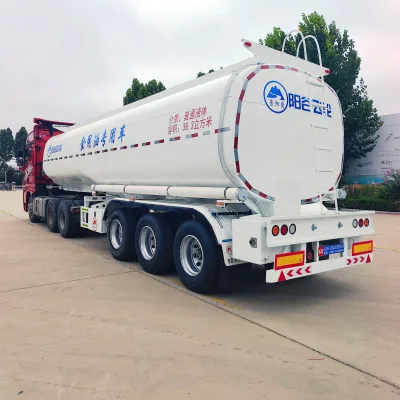


Tank Trailer Stainless Steel Liquid Petrol Fuel Storage Transport Tanker Trailer
$25000.00 - $35000.00
MOQ: 1 Pieces

Fuel Tank Trailer 35cbm Oil Transport Gasoline Semi Fuel Tanker Trailer
$18000.00 - $35000.00
MOQ: 1 Pieces


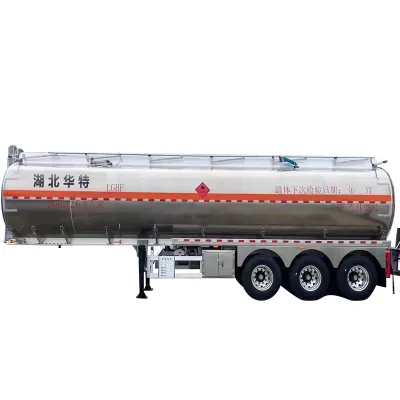
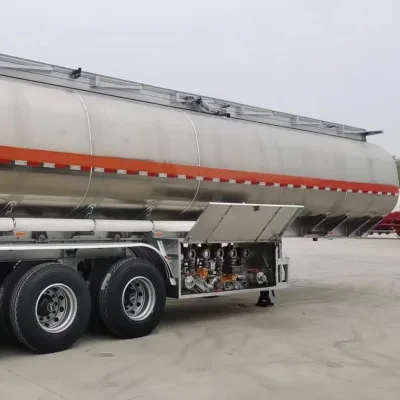
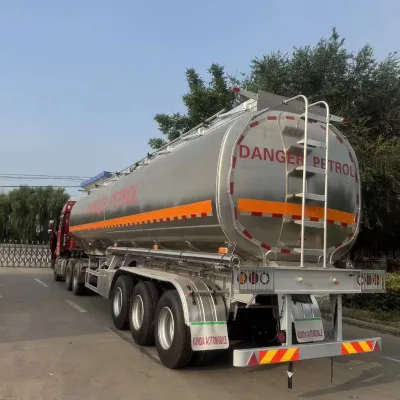
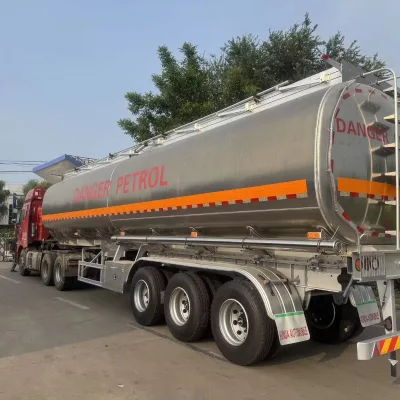
Methanol Transport Tanker Truck 42000 Litres Oil Tanker Aluminum Fuel Tanker Semi Trailer
$10500.00 - $12300.00
MOQ: 1 pieces
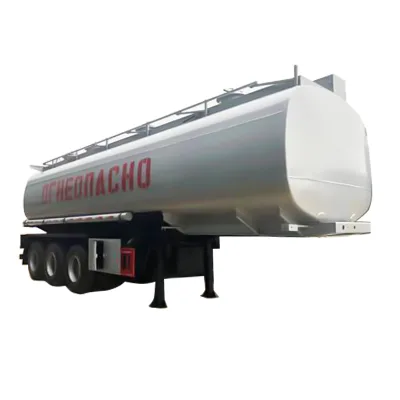
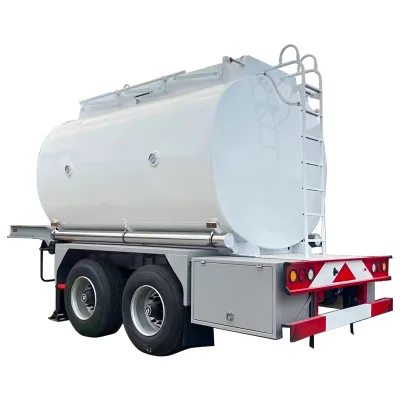


Stainless Steel Milk Tank Fuel Transport Tanker Semi Truck Trailer
$28800.00 - $32500.00
MOQ: 1 Pieces


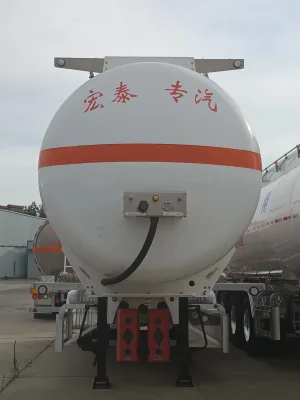
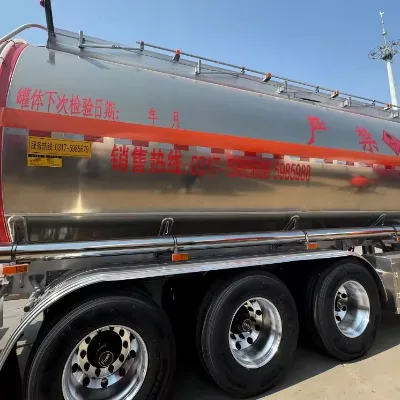
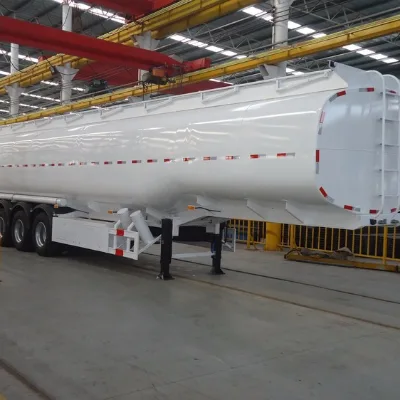
Fuel Tanks , Fuel Tanker , Fuel Tanker Trailer -- TOP SUPPLER Semi-trailer Lift Axle air Suspension
$15000.00 - $60000.00
MOQ: 1 Minimum
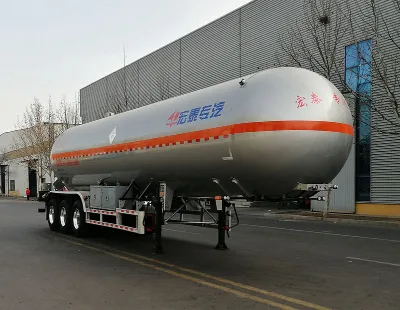
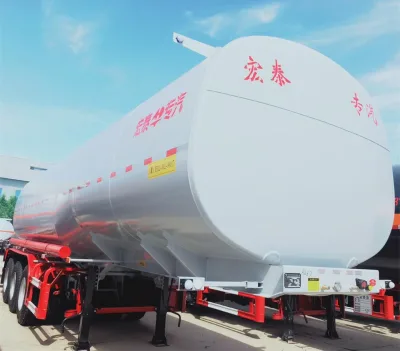
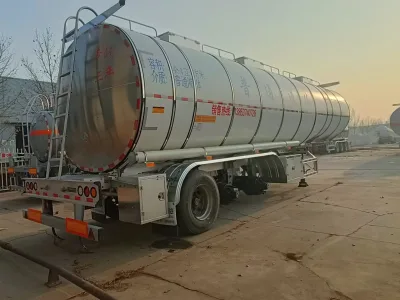

Vehicle transport standard heavy truck oil tanker trailer / fuel tank trailer
$12000.00 - $39999.00
MOQ: 1 Pieces

Comprehensive Sourcing Guide
Alcohol Transport Fuel Tanker Trailer Sourcing Guide
Sourcing specialized tanker trailers for alcohol and fuel transport requires careful attention to material compatibility and structural integrity. The observed market listings indicate a strong preference for aluminum and alloy construction, which offers significant weight savings and corrosion resistance compared to standard steel options. Buyers must verify that the chosen material grade aligns with the specific chemical properties of the transport medium, whether it be methanol, crude vegetable oil, or other liquid fuels. The presence of both light and heavy-duty grades in the supply chain suggests a wide range of payload capacities, from 25T to 60T, allowing for tailored solutions based on regional weight limits and operational needs.
Commercial availability signals a robust manufacturing base, primarily located in Shandong and Hubei provinces in China. Suppliers frequently offer customization options, including varying compartment configurations such as three, four, five, or six compartments, to optimize loading efficiency and safety. The observed supply ability of up to 10,000 pieces per month indicates that major manufacturers have the capacity to handle large fleet orders, though buyers should always confirm accurate delivery times directly with the supplier. Understanding these baseline signals helps procurement teams set realistic expectations for lead times and production scheduling when integrating these trailers into their logistics networks.
Product Scope and Observed Listing Signals
The product scope encompasses a variety of semi-trailer configurations designed specifically for liquid transport, with a notable emphasis on fuel tanker trailers and alcohol transport solutions. Listings reveal models such as the ALP9350YGBGC and ELP9825BST, which are engineered for high-volume logistics operations. The observed price range of 4,000 to 60,000 USD reflects the diversity in specifications, from basic steel constructions to advanced aluminum alloy designs with complex internal compartmentalization. This wide variance underscores the importance of defining precise operational requirements before engaging with suppliers, as the final cost will be heavily influenced by material choice, axle configuration, and safety features.
Minimum order quantities (MOQ) observed in the market typically range from one to ten units, providing flexibility for both individual fleet expansions and large-scale procurement projects. The selling units are generally listed as single items, which simplifies the ordering process for discrete trailer acquisitions. Packaging details vary, with options including bare packaging, container shipping, and roll-on/roll-off (RO-RO) methods, depending on the trailer's dimensions and the buyer's logistical preferences. Buyers should note that while some listings mention specific brands like Huate, the market is fragmented, and many suppliers operate under private label arrangements, requiring thorough due diligence to ensure brand reputation and after-sales support.
Technical Specifications to Verify
When evaluating technical specifications, the wheelbase and tread width are critical factors influencing stability and maneuverability. Observed wheelbases typically range from 9,000 to 10,000 mm, providing a stable platform for heavy loads, while tread widths are commonly set at 1,820 mm or 2,240 mm to enhance lateral stability during transit. The axle configuration is another key area for verification, with many suppliers offering three-axle setups using reputable components like FUWA or BPW. Buyers must confirm the axle load ratings and suspension types, as air suspension systems are available to improve ride quality and protect sensitive cargo from vibration damage.
Plate thickness and tank capacity are vital for ensuring structural integrity and operational efficiency. Listings indicate plate thicknesses around 6mm, which must be sufficient to withstand the pressure and chemical interaction of the transport medium. Tank capacities can reach up to 42,000 liters, allowing for fewer trips and higher operational throughput. Additionally, the presence or absence of an Anti-lock Braking System (ABS) varies across listings, with some trailers lacking ABS entirely while others include it as a standard safety feature. Procurement teams should prioritize trailers with ABS to enhance braking performance and reduce the risk of accidents, especially when carrying flammable or hazardous liquids.
Compliance and Safety Documentation
Compliance with international and regional standards is non-negotiable for alcohol and fuel transport trailers. The observed certification landscape includes ISO, TSCCC, DOT, GCC, and ECE marks, indicating that manufacturers are equipped to meet diverse regulatory requirements across different markets. Buyers must verify that the specific trailer model holds the necessary certifications for their destination country, as non-compliant equipment can lead to significant legal and operational disruptions. The presence of CCC certification suggests adherence to Chinese national standards, which may be a baseline for quality but must be supplemented with local regulatory approvals for international deployment.
Safety documentation should also cover the design of the tanker compartments and the materials used in construction. Since the transport medium can include methanol or vegetable oil, the internal lining and material compatibility must be documented to prevent chemical degradation or contamination. Buyers should request detailed material certificates and test reports that confirm the aluminum or alloy grade meets industry standards for liquid transport. Furthermore, the absence of self-dumping mechanisms in many listings highlights the specialized nature of these trailers, requiring specific loading and unloading infrastructure at the destination. Ensuring that all safety features, including emergency shut-off valves and pressure relief systems, are properly documented and certified is essential for risk management.
Cost Drivers and Commercial Terms
Several factors drive the final cost of alcohol transport fuel tanker trailers, with material composition being the most significant. Aluminum and alloy constructions command higher prices than steel alternatives due to their superior weight-to-strength ratio and corrosion resistance. The number of axles and the quality of suspension systems also impact pricing, with air suspension and branded components like BPW adding to the overall cost. Buyers should analyze the total cost of ownership, considering fuel efficiency gains from lighter trailers against the higher initial purchase price. Customization options, such as specific compartment layouts or unique tank capacities, can further increase costs, so defining requirements early is crucial for accurate budgeting.
Commercial terms and payment structures vary among suppliers, with some offering flexible packaging and shipping options to reduce logistics costs. The observed supply ability of 10,000 pieces per month suggests that volume discounts may be available for large orders, although buyers must confirm these terms explicitly. Packaging details, such as nude and wax treatment or container shipping, can affect insurance and handling costs. Buyers should negotiate clear delivery timelines and warranty terms, as the condition of the trailers is listed as new, but long-term durability depends on manufacturing quality. Understanding these commercial nuances helps in structuring contracts that protect against delays and ensure value for money.
Supplier Qualification and Quality Control
Supplier qualification is a critical step in mitigating procurement risks, especially when dealing with specialized industrial equipment. Buyers should verify the manufacturer's production capabilities, including their supply ability and historical performance in delivering similar tanker trailers. The concentration of suppliers in Shandong and Hubei provinces indicates established industrial clusters, but buyers must conduct on-site audits or request third-party inspection reports to confirm quality control processes. Checking for consistent certification records and customer references can provide insights into the supplier's reliability and commitment to meeting technical specifications.
Quality control measures should extend beyond initial delivery to include post-sale support and maintenance capabilities. Buyers should inquire about the availability of spare parts and technical assistance, particularly for complex systems like air suspension and ABS. The customization options available suggest that suppliers are flexible, but this flexibility must be balanced with rigorous quality assurance protocols to ensure that modified designs do not compromise safety or performance. Establishing clear communication channels and defining acceptance criteria for delivered trailers can help prevent disputes and ensure that the procurement process results in reliable, high-performance assets for the fleet.
Long-Term Procurement Checks
Long-term procurement success depends on establishing ongoing performance monitoring and relationship management with suppliers. Buyers should implement regular audits of trailer performance, tracking metrics such as maintenance frequency, fuel efficiency, and downtime due to mechanical issues. This data can inform future purchasing decisions and provide leverage in negotiations for improved terms or pricing. Additionally, staying informed about changes in regulatory standards and technological advancements in tanker design ensures that the fleet remains compliant and competitive. Building a pipeline of qualified suppliers can also provide flexibility in responding to market fluctuations and operational demands.
Continuous engagement with suppliers can lead to collaborative improvements in product design and service delivery. Buyers should participate in industry forums and supplier reviews to share feedback and identify best practices. The availability of customization options suggests that suppliers are open to innovation, and buyers can leverage this to develop tailored solutions that address specific operational challenges. By maintaining a proactive approach to supplier management and quality assurance, organizations can ensure that their alcohol transport fuel tanker trailers continue to meet safety, efficiency, and regulatory standards over their entire lifecycle.
FAQs
What materials are used for alcohol transport fuel tanker trailers?
Manufacturers typically construct these trailers using steel or aluminum alloy materials. Steel offers robust durability for heavy-duty applications, while aluminum provides a lighter weight alternative. The choice depends on specific payload requirements and corrosion resistance needs for transporting methanol or vegetable oil.
What is the maximum load capacity for these semi-trailers?
The maximum payload capacity varies by model, ranging from 25 tons to 60 tons. Heavy-duty configurations support up to 60T, while medium-duty options may handle 25T or 50T. Buyers should select the grade that matches their specific logistics volume and weight constraints.
Can these trailers be customized for specific compartment needs?
Yes, customization is available for various operational requirements. Buyers can specify the number of compartments, typically choosing between 3, 4, 5, or 6 divisions. This flexibility allows for efficient transport of different liquid products like crude oil or methanol within a single trailer unit.
Which certifications are required for international alcohol tanker trailers?
Common certifications include ISO, TSCCC, DOT, GCC, and ECE standards. These documents ensure compliance with safety and manufacturing regulations in various regions. Buyers must verify specific certification requirements based on their destination market and local transportation laws before finalizing procurement agreements.
What suspension systems are available for these fuel tankers?
Air suspension systems are available for enhanced ride stability and cargo protection. This feature reduces vibration during transit, which is critical for sensitive liquids like methanol. Buyers should confirm suspension availability with suppliers, as it may vary by model and specific order customization.
What are the standard dimensions for these tanker trailers?
Standard dimensions often measure around 10390mm in length, 2500mm in width, and 3380mm in height. Other models may reach 12280mm in length. These sizes accommodate standard tire treads and ensure compliance with road transport regulations while maximizing internal volume for liquid storage.