Source Chevrolet Spark Oxygen Sensor for Engine Tuning
Find the Chevrolet Spark Oxygen Sensor for 30 available listings. Compare digital output types, metal construction, and OEM standard sizes from Chinese manufacturers. Verify ISO and CCC certifications for reliable vehicle emissions control; compare the available evidence and request quotations based on your requirements.
Key considerations
Products List

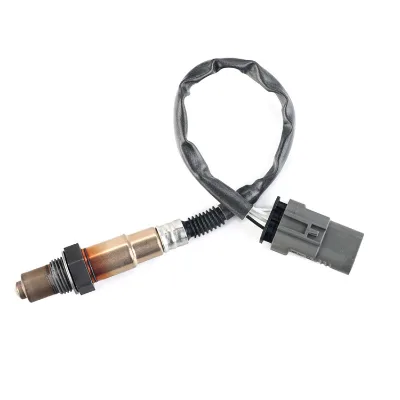


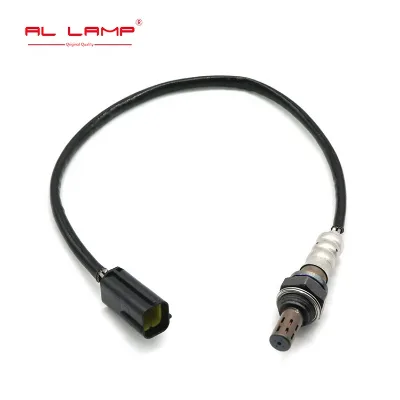
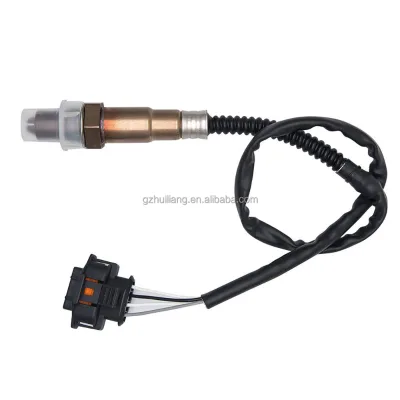
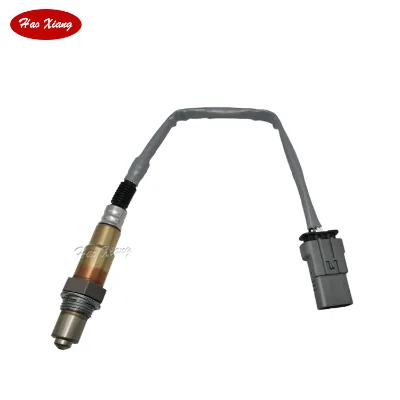


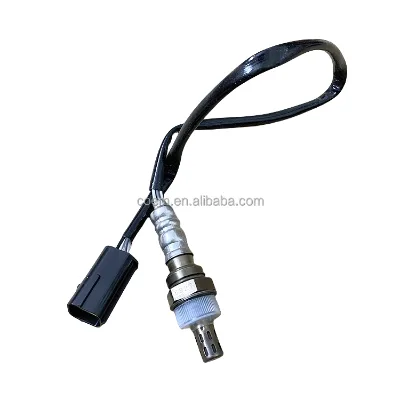
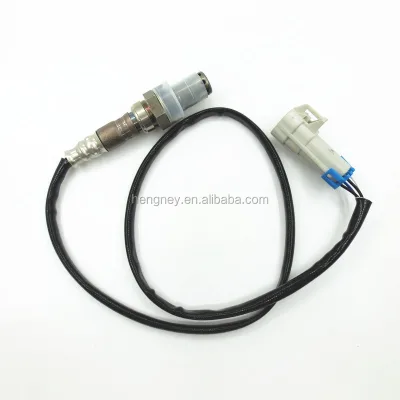
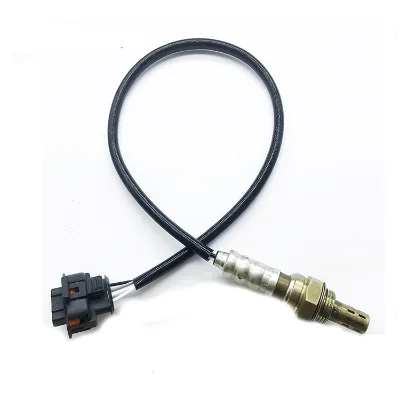
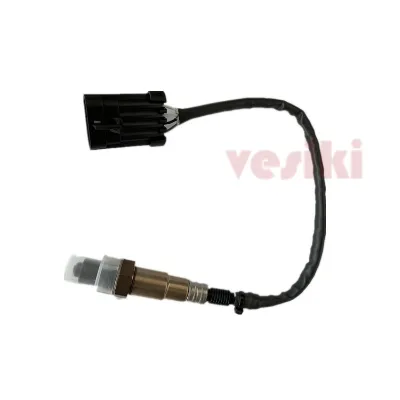
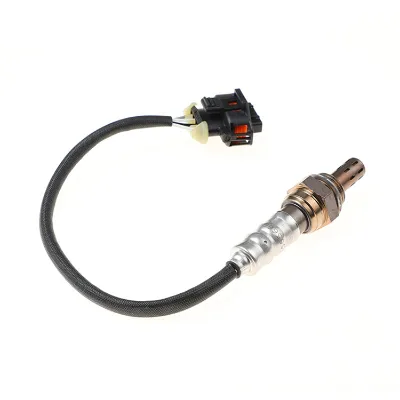


Car Accessory Oxygen Sensor 24102432 Lambda O2 Oxygen Sensor for Chevrolet
$8.00 - $15.00
MOQ: 1 Pieces


Automotive Parts New Oxygen Sensor 12663317 O2 Sensor for Chevy for Buick
$8.00 - $15.00
MOQ: 1 Pieces

Cheap Oxygen Sensor for Chevrolet OEM 12616125 12634064 12634085 12563374 55564243
$8.00 - $15.00
MOQ: 10 Pieces
Comprehensive Sourcing Guide
Chevrolet Spark Oxygen Sensor Sourcing Guide
Oxygen sensors for the Chevrolet Spark and its Daewoo Matiz sibling sit at the intersection of automotive aftermarket demand and semiconductor-based sensing technology, making them a practical but detail-sensitive category to source. Buyers entering this market should understand that listings frequently pair sensor hardware with vehicle-fitment claims, and the strongest listings observed in the supplied product pages tie explicitly to the Chevrolet Spark Daewoo Matiz application. This guide is structured to help procurement teams move from listing review to supplier qualification without overreaching on claims the listing data cannot support.
The sections below walk through product scope, technical verification, compliance documentation, commercial terms, quality control, and long-term procurement discipline. Each section reflects only what the supplied listing facts actually show, treating product attributes as observations rather than guarantees. Where the listing data is silent — for example on emissions standards or lab test results — the guidance directs buyers to request verification from the supplier rather than assume compliance. Use this framework as a checklist during your first contact with prospective suppliers.
Product Scope and Observed Listing Signals
Listings in this category are clearly automotive aftermarket components: the product name is stated as "Oxygen sensor," with the brand name ALLAMP appearing on one listing and packing options including Kingsteel Brand, Jecico Brand, and Customer Brand on another. The condition is listed as New, and one listing explicitly states the car make as "For Chevrolet Spark Daewoo Matiz," confirming the intended fitment. OE number 96415639 appears in the listing attributes, alongside model numbers 55562205, 25180900, 25180901, 96419955, 25327985, 12631044, and 9024423. Buyers should cross-reference these OE and model numbers against their own fitment databases before ordering.
Packing and unit-of-sale signals also matter. Observed packing formats include Al Lamp Package and Neutral Parking, with one listing noting a single package size of 15X5X5 cm and a single gross weight of 0.300 kg. Selling units are listed as Single item. The observed MOQ range across listings is 1-100 pieces, with explicit values of 20PCS and 20 PCS appearing on individual listings, and sample availability of 10 pcs noted. These are observations from specific listings, not category-wide standards, so confirm each before committing.
Technical Specifications to Verify
The supplied listings identify several technical attributes that buyers should confirm on the actual product rather than accept at face value. The sensor type is listed as SemiConductor Gas Sensor, with a SemiConductor Integrated production process and Integration also noted. Output Signal Type is Digital Type, and Conductivity Type is listed as Volume Control Type. Sensitivity is described as High. IP rating appears in the listing attributes but is truncated in the source data, so buyers should ask suppliers to state the exact IP rating in writing rather than infer a value from incomplete listing text.
Physical and fitment specifications deserve equal attention. Material is listed as Metal, weight is stated as 0.1 kg on one listing and 0.2kg as a product standard on another, and size is given as OEM Standard Size with a product standard of 15 cm11.5 cm4.5 cm on one listing. Model number 55562205 appears alongside OE number 96415639, and buyers should verify that the OE reference, the model number, and the physical connector all match the intended Spark or Matiz variant before placing a production order.
Compliance and Safety Documentation
Certification claims in the supplied listings include ISO on one listing and CCC on another, tied to origins of China, Guangdong, and Guangzhou. Treat these as listing-level observations rather than confirmed credentials: request the actual certificate copies, confirm the certifying body, and check that the certificate scope covers automotive oxygen sensors specifically rather than a broader or unrelated product category. A certificate number alone is not evidence; the scope and validity dates are what matter for procurement files.
Because oxygen sensors are emissions-related components, buyers serving regulated markets should ask suppliers to identify which emissions or automotive standards the product is designed to meet, rather than assuming compliance from the presence of ISO or CCC. The listing data does not provide test results, emissions performance data, or laboratory reports, so any such documentation must be requested directly. Standard is listed as OEM Standard in the attributes, which signals a manufacturing reference but is not a substitute for a documented compliance package from the supplier.
Cost Drivers and Commercial Terms
The observed listed price range in USD is 1-100, which is broad enough that buyers should treat individual quotes as variant-specific rather than category-typical. Price is likely to vary with order quantity, packing choice (neutral, brand-name, or customer-brand), customization level, and shipping terms. The listings show MOQ values of 20PCS and 20 PCS within an observed MOQ range of 1-100, and one listing notes a sample quantity of 10 pcs — useful for validating fit and function before committing to larger volumes.
Commercial terms visible in the listings include payment via T/T 30% Advance and a delivery time of 5-30 working days. Both are listing-level observations, not guaranteed terms, so confirm them in the purchase contract along with Incoterms, warranty handling, and shipment documentation. Customization is listed as Available and Customized, which suggests suppliers can accommodate branding or specification changes, but customization typically affects both price and lead time and should be priced explicitly.
Supplier Qualification and Quality Control
Quality signals in the listings are limited but worth noting: one listing states "100% Professional Tested" as its quality claim, and another describes quality as "High level." Neither is verifiable from the listing alone, so build a qualification process that requests the supplier's test procedures, defines what "tested" means (for example, which parameters are checked and at what stage), and asks for inspection records tied to your specific batch. Production process is listed as SemiConductor Integrated, and Integration is also noted — ask how these processes are controlled in practice.
Because the origin is listed as China (Guangdong, Guangzhou, and China generally), and warranty is stated as 12 Months on one listing, buyers should confirm warranty scope in writing: what defects are covered, whether replacement or credit is offered, and how warranty claims are documented. Packaging options — Kingsteel Brand, Jecico Brand, Customer Brand, Al Lamp Package, and Neutral Parking — offer flexibility, but confirm which packing applies to your order and verify that protective packaging suits semiconductor-based sensors during transit.
Long-Term Procurement Checks
For ongoing supply, move beyond the initial listing review and establish repeatable checks. Track consistency between the OE number (96415639 in the listings), the model numbers supplied, and the physical product received across successive orders — mismatches between listing data and delivered goods are a common failure mode in aftermarket sourcing. Reconfirm specifications such as material (Metal), output signal type (Digital Type), conductivity type (Volume Control Type), and IP rating on each new batch, since listings can change without notice.
Finally, maintain a documentation file that includes the supplier's certification copies, warranty terms (12 Months where stated), payment terms, lead times, and any customization agreements. Revisit pricing periodically, since the observed 1-100 USD range suggests significant variance that may narrow or widen with volume commitments and specification changes. Keep sample units from each approved batch for reference, and require that packing and labeling match the agreed format — whether Customer Brand, Neutral Parking, or another observed option — on every shipment to avoid downstream inventory and traceability issues.
FAQs
What certifications do the oxygen sensors have?
The oxygen sensors carry ISO and CCC certifications to ensure quality compliance. These certifications verify that the products meet international safety and manufacturing standards. Buyers can rely on these documented credentials when selecting suppliers for bulk orders of automotive parts.
Can I request custom branding for the sensors?
Yes, customization is available for the oxygen sensors including custom branding options. Suppliers offer Kingsteel, Jecico, or customer-specific brand names on the packaging. This flexibility allows buyers to align the product with their own brand identity while maintaining OEM standard specifications.
What is the minimum order quantity for these parts?
The minimum order quantity is 20 pieces for the oxygen sensors. This MOQ applies to most listings found in the supply chain. Buyers should plan their initial procurement accordingly to meet this threshold while ensuring they receive the required quantity for their vehicle maintenance needs.
Where are these oxygen sensors manufactured?
These sensors are manufactured in China, specifically in Guangdong and Guangzhou regions. The production process involves semiconductor integration to ensure high sensitivity and digital output signals. Buyers sourcing from these locations can expect consistent quality aligned with OEM standards for automotive applications.
How long does delivery take for these parts?
Delivery typically takes between 5 to 30 working days after payment confirmation. This lead time allows for proper processing and shipping of the oxygen sensors. Buyers should account for this duration when planning their inventory replenishment schedules to avoid any potential delays in vehicle repairs.
What material are the oxygen sensors made from?
The oxygen sensors are constructed from metal materials to ensure durability. This construction supports the high sensitivity required for accurate gas detection in automotive environments. The metal casing also contributes to the overall robustness of the sensor during operation in various vehicle conditions.
What warranty is provided for the oxygen sensors?
A 12-month warranty is provided for the oxygen sensors to cover defects. This warranty ensures that buyers receive reliable products that meet the high-level quality standards. It offers peace of mind regarding the performance and longevity of the sensors in their specific vehicle applications.