Source Aluminum Interlocking Underground Feeder Wire for Underground, Overhead, and Heating Applications
Compare 30 listings for Aluminum Interlocking Underground Feeder Wire, including XLPE-insulated cables with PVC sheath, solid or stranded conductors, and available certifications such as CE, CCC, and ISO. Evaluate specs, packaging, and pricing before requesting quotes from suppliers.
Key considerations
Products List


$100.00 - $200.00
MOQ: 20 km


$40000.00 - $150000.00
MOQ: 1 Pieces


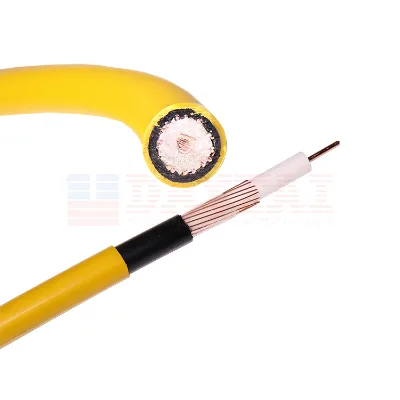


Can Adjust The Processing Capacity Feeder Breakers Underground Coal Mining
$19800.00 - $980000.00
MOQ: 1 Set
Comprehensive Sourcing Guide
Aluminum Interlocking Underground Feeder Wire Sourcing Guide
Sourcing Aluminum Interlocking Underground Feeder Wire requires a nuanced understanding of material properties, installation environments, and regulatory compliance. This guide provides evidence-based procurement strategies for buyers evaluating aluminum-based cabling solutions for residential, commercial, and industrial infrastructure. By focusing on verified technical attributes and commercial realities, procurement teams can mitigate risk and ensure long-term system reliability.
The following sections detail product scope, technical verification, compliance documentation, cost structures, supplier qualification, and long-term maintenance checks. Each section is designed to help buyers make informed decisions without relying on unverified marketing claims or incomplete data sets.
Product Scope and Observed Listing Signals
The market for aluminum feeder cables includes a diverse range of configurations, from solid core conductors to stranded variants, each suited for specific installation methods. Observed listings indicate a wide price range, reflecting variations in conductor material purity, insulation thickness, and certification levels. Buyers should note that "aluminum" in product titles may refer to pure aluminum, aluminum alloy (such as AA-8000 series), or aluminum-clad steel, each offering different mechanical and electrical characteristics.
Listing signals also reveal significant variation in packaging and origin, with products originating from regions like Gaocheng and Zhejiang in China. Packaging formats typically include wooden drums or steel-wooden combinations, which impact logistics and handling costs. The observed minimum order quantities (MOQ) range from 1 to 5000 units, suggesting flexibility for both small-scale renovations and large infrastructure projects, though bulk orders often yield better commercial terms.
Technical Specifications to Verify
Verifying the conductor material and structure is the first critical step in technical evaluation. Listings specify conductor materials ranging from pure aluminum to various copper-clad or alloy options. For underground feeder applications, the AA-8000 series aluminum alloy is frequently cited for its improved strength and creep resistance compared to pure aluminum. Buyers must confirm whether the conductor is solid or stranded, as stranded conductors offer greater flexibility for complex routing, while solid conductors may be preferred for fixed, straight runs.
Insulation and sheath materials are equally critical for underground durability. The XLPE (Cross-Linked Polyethylene) insulation combined with a PVC sheath is a common configuration, offering excellent thermal stability and moisture resistance. Technical specifications should be checked for voltage ratings, with 0.6/1kV being a standard for many feeder applications. Additionally, temperature ratings, such as 90℃ continuous and 250℃ short-circuit capacity, determine the cable's ability to handle load spikes without degradation.
Compliance and Safety Documentation
Compliance with international and local standards is non-negotiable for underground electrical installations. Certifications such as CCC, CE, and ISO are frequently listed, indicating adherence to specific manufacturing and safety protocols. Buyers should verify that the product meets relevant national standards, such as GB/T 12706 for power cables or IEC 60228 for conductor requirements. These certifications ensure that the cable has undergone rigorous testing for electrical performance and mechanical integrity.
Safety features like flame retardancy and low-smoke emission are vital for underground environments where ventilation may be limited. Products labeled as flame retardant or eco-friendly typically use non-toxic materials that reduce smoke production during a fire event. Buyers should request test reports or certification documents that explicitly confirm these properties, as generic claims may not reflect actual performance under extreme conditions.
Cost Drivers and Commercial Terms
The cost of aluminum feeder wire is influenced by raw material prices, manufacturing complexity, and certification requirements. Aluminum is generally more cost-efficient than copper, offering significant savings on material and project budgets. However, the cost can vary based on the specific alloy used, the thickness of the insulation, and the presence of additional protective layers like anti-rodent or termite-resistant sheaths. Buyers should analyze the total cost of ownership, including installation and maintenance, rather than just the unit price.
Commercial terms such as MOQ, lead times, and packaging options also impact the overall cost. Larger MOQs may reduce the per-unit price but increase inventory holding costs. Packaging in wooden drums or steel-wooden combinations is standard but may incur additional freight charges due to weight and volume. Buyers should negotiate clear terms regarding shipping responsibilities and damage liability, especially for long-distance international orders.
Supplier Qualification and Quality Control
Supplier qualification involves verifying manufacturing capabilities and quality management systems. Suppliers with ISO 9001 certification demonstrate a commitment to consistent quality control processes. Buyers should inquire about the supplier's production capacity, testing facilities, and ability to provide traceability for raw materials. A robust quality control system ensures that each batch of cable meets the specified technical and safety standards.
Quality control checks should include visual inspections for defects, dimensional measurements, and electrical testing. Buyers may request sample testing or third-party verification from agencies like SGS to confirm product compliance. Establishing a clear communication channel with the supplier for addressing quality issues is essential for maintaining project timelines and avoiding costly delays.
Long-Term Procurement Checks
Long-term procurement success depends on the cable's durability and resistance to environmental factors. Underground cables are exposed to moisture, soil chemicals, and potential biological threats like rodents and termites. Products with anti-rodent and termite protection features offer enhanced longevity, reducing the need for frequent replacements. Buyers should also consider the cable's flexibility at low temperatures, as some materials may become brittle in cold climates, affecting installation and performance.
Regular monitoring of supplier performance and product consistency is crucial for ongoing procurement. Establishing a feedback loop with the supplier to address any field issues or performance concerns helps maintain high standards. Additionally, staying updated on changes in industry standards and regulations ensures that future purchases remain compliant and effective. By prioritizing these long-term checks, buyers can secure reliable and cost-effective aluminum feeder wire solutions.
FAQs
How is Aluminum Interlocking Underground Feeder Wire constructed?
It uses an AA-8000 series aluminum alloy conductor with XLPE insulation and a PVC sheath, forming an interlocked assembly suitable for direct burial and underground installations. The XLPE insulation supports 90 degrees Celsius continuous operation and withstands 250 degrees Celsius short-circuit exposure for up to five seconds. Aluminum conductors keep the cable lightweight compared with copper equivalents.
What standards and certifications apply to this feeder wire?
Relevant references include GB/T 12706 and IEC 60228, with CCC and CE certification available on listed products. Some listings also reference ISO quality systems and RoHS compliance. Buyers should confirm which certifications a specific product holds before ordering, since certification coverage varies between product listings and is not identical across the catalog.
Which conductor material options are available for underground feeder wire?
Listed products include AA-8000 series aluminum alloy conductors in solid form for feeder applications, and some listings offer copper or bare copper wire cores in stranded form. Aluminum alloy provides a lower material cost and lighter weight, while copper offers higher conductivity. Choose based on load requirements, project budget, and local electrical code requirements.
Can this wire withstand harsh underground and outdoor conditions?
Yes, listed feeder wire products describe durability against UV exposure and harsh climates, with low-temperature resilience maintaining flexibility and structure down to minus 40 degrees. Some variants add protection against rodent and termite damage and offer flame-retardant properties. Confirm which protective features a specific listing includes before specifying it for burial or outdoor runs.
What is the typical voltage rating and operating temperature?
Listed XLPE-insulated feeder cable is rated 0.6/1kV with 90 degrees Celsius continuous operation and 250 degrees Celsius short-circuit temperature for up to five seconds. This rating suits low-voltage distribution and underground feeder circuits. Always verify the voltage class printed on the product specification matches your installation requirements before purchase.
How is this feeder wire packaged and shipped?
Packaging is typically a wooden drum or steel-wooden drum, which protects the cable during transport and simplifies reel handling on site. Some feeder cable listings specify 500 meters per wooden spool. The aluminum construction keeps weight lower than copper, which helps reduce shipping costs for large-volume orders.
Can I order custom specifications for this feeder wire?
Yes, customization is listed as available for these products. Buyers can typically discuss conductor size, cable construction, and packing arrangements directly with the supplier before ordering. Because specifications vary across listings, provide your required conductor size, application type, and certification needs when requesting quotes to receive accurate pricing and lead times.
What applications suit Aluminum Interlocking Underground Feeder Wire?
Listed applications include underground, overhead, and heating installations, with the YJLV and YJLV22 model types covering armored underground distribution. The interlocked aluminum alloy construction suits direct-burial feeder runs, outbuildings, and panel-to-load connections where code permits. Confirm local code acceptance for aluminum conductors in your specific installation scenario.