Source Aluminum Industrial Automation Knurled Knob for CNC, Volume, and Gear Control
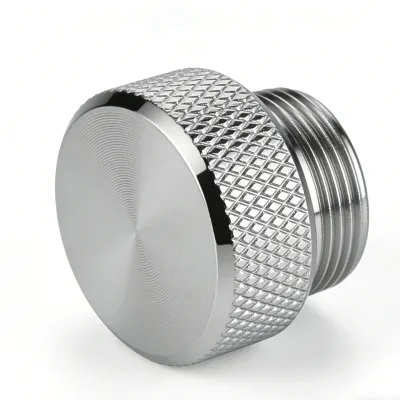
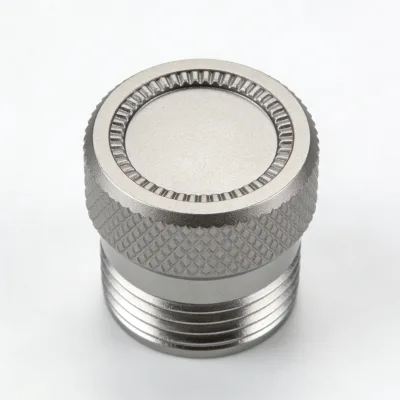
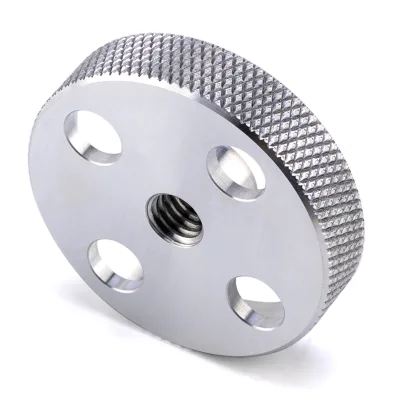
Find 30 listings for the Aluminum Industrial Automation Knurled Knob designed for CNC machines, volume controls, and gear shifts. Buyers can compare specifications like thread standards, material options including stainless steel and brass, and customization availability from suppliers in China.
Key considerations
Products List


Comprehensive Sourcing Guide
Strategic Sourcing Guide for Aluminum Industrial Automation Knurled Knobs
Understanding Product Specifications and Material Variability
When sourcing aluminum industrial automation knurled knobs, the primary objective is to align the physical attributes of the component with the operational requirements of the specific machinery. The core material for these components is aluminum, which offers an optimal balance of weight reduction and structural integrity for automation environments. However, the supplied data indicates that material composition can vary significantly across different listings. While a primary observation confirms the use of pure aluminum, other entries list composite material profiles including Stainless Steel, Brass, and Copper. This variability necessitates a rigorous verification process where the buyer must explicitly confirm the base alloy before placing an order, as the mechanical properties of brass or stainless steel differ substantially from aluminum regarding conductivity, corrosion resistance, and machinability.
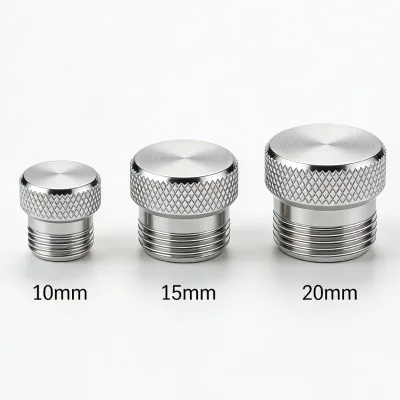
Dimensional precision is another critical specification. The observed data points to a specific size of 46mm for certain gear knobs, yet other models are defined by thread standards such as M81.25, M101.25, M101.5, and M121.25. These thread standards are not merely suggestions but are fundamental interface requirements. A mismatch in thread pitch or diameter can render the knob unusable, potentially causing downtime in an automated assembly line. Furthermore, the tolerance levels observed in the market data suggest a precision requirement of +/-0.05mm. This level of tolerance is typical for high-precision automation parts but requires that the manufacturing process, such as CNC machining, is capable of maintaining these tight tolerances consistently. Buyers should verify that the supplier possesses the necessary equipment, such as projectors for measurement, to validate that the delivered parts fall within this specified tolerance range.
Compliance, Certification, and Standard Verification
In the realm of industrial automation, compliance is not a secondary concern but a prerequisite for market access and operational safety. The supply chain data highlights the presence of ISO certification, specifically referencing ISO9001-2008, alongside mentions of SGS and IAF recognition. These certifications indicate that the manufacturer has established a quality management system, which is essential for ensuring batch-to-batch consistency. However, the data also contains references to "Nostandard" or "custom" standards. This ambiguity requires the buyer to exercise extreme caution. If a product is listed as "Nostandard," it implies that the component may not adhere to a recognized international norm, and the buyer must rely entirely on their own technical drawings and specifications to define the acceptance criteria.
It is important to distinguish between the certifications observed and those that might be expected but are not explicitly confirmed in the provided facts. While RoHS is mentioned in the low-confidence background, it should not be treated as a guaranteed attribute of every aluminum knob listed. Buyers must request specific documentation to verify if the aluminum alloy and any surface treatments (such as anodizing or polishing) comply with Restriction of Hazardous Substances directives, particularly if the equipment is destined for export markets in the European Union or other regions with strict environmental regulations. The presence of "custom" standards further underscores the need for a detailed technical agreement. In such cases, the buyer should ensure that the supplier agrees to a written specification that defines the material grade, surface finish, and thread accuracy, effectively creating a binding standard for the order.
Cost Drivers and Pricing Dynamics
The pricing structure for aluminum industrial automation knobs is influenced by a complex interplay of factors, including material costs, customization levels, and order volume. The observed price range in the market spans from $0.10 to $15.00 USD. This wide disparity suggests that the unit cost is not fixed but is highly dependent on the specific configuration of the knob. A basic, off-the-shelf aluminum knob with a standard thread and no surface treatment will likely fall at the lower end of this spectrum. Conversely, a customized unit requiring specific knurling patterns, precise tolerance control, or special packaging will command a higher price.
Material selection is a primary cost driver. While aluminum is generally cost-effective, the inclusion of other metals like stainless steel or copper, as noted in some product listings, will increase the raw material cost. Additionally, the complexity of the manufacturing process plays a significant role. The data mentions processes such as "Polishing Grinding Machine Parts Ground Steel," which implies additional labor and machine time compared to a simple turning operation. Customization is another major factor; the availability of OEM and ODM services allows for tailored solutions but inevitably adds to the unit cost. Buyers must also consider the Minimum Order Quantity (MOQ), which ranges from 1 to 300 units. Smaller orders, often accepted as "Small Orders," may carry a premium per unit due to the setup costs associated with smaller production runs. Understanding these variables allows procurement teams to negotiate more effectively and forecast budgets accurately based on the specific requirements of their automation projects.
Typical Applications and Functional Requirements
Aluminum industrial automation knurled knobs serve a vital function in human-machine interfaces (HMI) across various sectors. The primary application observed is as a gear knob, used for manual adjustment of settings on machinery. The knurled texture is not merely aesthetic; it provides the necessary grip for operators to make precise adjustments without the need for tools, which is crucial in environments where frequent calibration is required. The "Single Deck" attribute suggests these knobs are designed for specific mounting configurations, likely on control panels or machine housings where space is limited.
The versatility of these components is highlighted by their application across "All Cars" and general industrial automation. This broad applicability indicates that the design must be robust enough to withstand the vibrations and operational stresses of automotive manufacturing lines as well as general factory environments. The "Micro Machining" attribute found in the data points to applications where the knobs are part of highly sensitive instrumentation or miniature control systems. In such cases, the precision of the knurling and the thread must be perfect to ensure smooth operation without binding. The "Volume Knob" designation further suggests use in audio-visual control systems or flow control mechanisms where the tactile feedback is essential for the operator to gauge the level of adjustment. Understanding these specific use cases helps buyers select the right knob for their application, ensuring that the material and finish are suitable for the intended environment, whether it involves exposure to oils, dust, or high-frequency usage.
Supplier Evaluation and Operational Capabilities
Selecting the right supplier for aluminum industrial automation knobs requires a deep dive into their operational capabilities and logistical strengths. The data reveals that suppliers are located in key manufacturing hubs such as Changzhou, Jiangsu, and Guangdong, China. These regions are known for their mature supply chains and expertise in precision machining. However, the presence of multiple origin points also means that buyers must evaluate the specific logistics network of each supplier. The observed shipping methods include UPS, DHL, and Air freight, indicating that suppliers are equipped to handle international logistics, but the buyer must confirm the reliability and cost-effectiveness of these channels for their specific destination.
Lead time is a critical factor in supplier evaluation. The data presents a range of delivery times, with some suppliers offering a "Quick Delivery Time" of 7 days, while others specify 10-25 days for samples and 20-35 days for batch goods. A supplier with a 20-day lead time for batch goods may be suitable for long-term planning, whereas a 7-day quick delivery option is essential for urgent maintenance or prototyping needs. Buyers should also assess the supplier's flexibility regarding small orders, as the data confirms that small orders are accepted. This flexibility is a strong indicator of a supplier's willingness to accommodate diverse procurement needs, from initial prototyping to full-scale production. Additionally, the availability of "Free Sample" services under OEM and ODM terms is a significant advantage, allowing buyers to physically inspect the quality, knurling texture, and thread fit before committing to a larger order.
Quality Control and Long-Term Procurement Considerations
Ensuring consistent quality in aluminum industrial automation knobs requires a robust quality control (QC) framework. The data mentions the use of "Projector" as test equipment, which is a standard tool for verifying dimensional accuracy and thread profiles. However, relying solely on the supplier's internal QC is insufficient. Buyers should implement a multi-stage inspection process that includes incoming quality control (IQC) upon receipt of goods. This should involve verifying the material composition against the agreed-upon specifications, checking the thread standards (M8, M10, M12) with thread gauges, and measuring the tolerance levels against the +/-0.05mm benchmark.
Long-term procurement considerations extend beyond the initial purchase. The "Customization" attribute suggests that buyers may need to modify the knobs over time to adapt to new machinery or design changes. A supplier that offers both OEM and ODM services is better positioned to support these evolving needs. Furthermore, the "Global" export market status of the suppliers indicates that they are accustomed to international standards and can likely provide the necessary documentation for customs and compliance. Buyers should also consider the packaging, which ranges from simple Polybag+Carton to Standard Export Carton with PP Bubble Bag. Proper packaging is essential to prevent damage during transit, especially for precision-machined parts that could be dented or scratched. Establishing a long-term relationship with a supplier who demonstrates consistent quality, reliable lead times, and a commitment to continuous improvement will ensure a stable supply chain for critical automation components.
FAQs
What certifications do Aluminum Industrial Automation Knurled Knob suppliers hold?
Suppliers typically hold ISO certification, with some listing ISO9001-2008, SGS, and IAF recognition. Buyers must verify specific documentation as some products are listed as nonstandard or custom without guaranteed compliance.
Which material options are available for aluminum industrial automation knurled knobs?
While aluminum is the primary material, listings also include stainless steel, brass, and copper combinations. Buyers must explicitly confirm the base alloy before ordering as mechanical properties vary significantly between these metals.
How can I find suppliers offering quick delivery for aluminum industrial automation knurled knobs?
Some suppliers offer a quick delivery time of 7 days for urgent needs. Others require 10-25 days for samples and 20-35 days for batch goods, so lead time must be confirmed per order.
What specifications are standard for aluminum industrial automation knurled knobs?
Common specifications include a 46mm size and thread standards like M8, M10, and M12 with various pitches. Tolerance levels are often set at +/-0.05mm, requiring verification via test equipment like projectors.
Can I place small orders for aluminum industrial automation knurled knobs?
Yes, small orders are accepted with Minimum Order Quantities ranging from 1 to 300 units. This flexibility supports prototyping and smaller batch production needs alongside larger volume requirements.
Where are the manufacturers of aluminum industrial automation knurled knobs located?
Manufacturers are primarily located in Changzhou, Jiangsu, and Guangdong, China. These regions offer mature supply chains for precision machining and export services to global markets.