Source Aluminum LED Diving Torch for Camping, Boating, and Home Use
Find and compare 30 Aluminum LED Diving Torch options suitable for camping, boating, and home applications. These models feature IPX8 waterproof ratings, CREE or XPE LED light sources, and various battery types including alkaline and rechargeable 18650 cells to meet diverse operational needs.
Key considerations
Products List


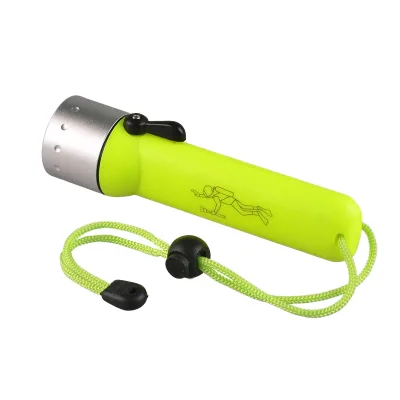

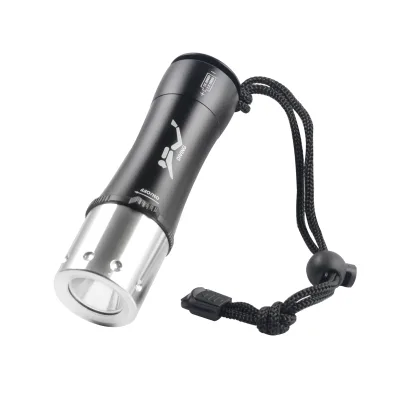


Helius L2 Luminous LED Aluminum Alloy Diving Professional Diving Torch Light
$33.00 - $36.80
MOQ: 20 Pieces

Comprehensive Sourcing Guide
Aluminum LED Diving Torch Sourcing Guide
Sourcing aluminum LED diving torches requires a disciplined approach to balancing optical performance, structural integrity, and regulatory compliance. These specialized lighting tools are engineered for underwater environments, demanding rigorous attention to waterproofing standards and material durability. Buyers must navigate a market where specifications vary significantly between models, ranging from basic camping lights to high-performance submersible units. This guide provides a structured framework for evaluating suppliers, verifying technical claims, and mitigating procurement risks associated with underwater lighting equipment.
The procurement process begins with a clear definition of use cases, as the term "diving torch" can encompass a wide spectrum of products. Some listings may refer to general-purpose outdoor flashlights with water-resistant features, while others denote true submersible devices capable of withstanding significant pressure. Understanding the distinction is critical for ensuring that the selected product meets the operational requirements of the end-user. This guide focuses on evidence-based verification steps to help buyers distinguish between marketing claims and actual product capabilities.
Product Scope and Observed Listing Signals
The current market for aluminum LED diving torches exhibits a diverse range of product attributes, reflecting varying levels of specialization and intended use. Observed listings indicate a price range of $1.1 to $36.8 USD, with minimum order quantities (MOQs) spanning from 1 to 2,000 units. This wide variance suggests a market segmented by both volume and feature complexity. Buyers should note that lower-priced items may correspond to basic models with standard plastic components or lower-grade aluminum, while higher-priced units often feature advanced optics, rechargeable systems, and robust waterproofing.
Product names and descriptions in the observed data reveal a mix of specific and generic terminology. For instance, some items are explicitly labeled as "Diving Flashlight" with models like FK-HL70767 and FK-HL70762-QX, while others are described with broader usage tags such as "Camping," "Car," "Boat," and "Home." This inconsistency highlights the need for careful scrutiny of product specifications. Buyers must verify whether a product marketed for general outdoor use actually meets the rigorous demands of underwater diving, particularly regarding depth ratings and seal integrity.
Technical Specifications to Verify
Technical verification is paramount when sourcing diving torches, as performance claims must be validated against actual engineering specifications. Key attributes to scrutinize include the LED light source, lumen output, and runtime. Observed data indicates the use of CREE LEDs, including 3W and XPE variants, with lumen outputs around 120lm. Buyers should confirm the specific LED model and its efficiency, as this directly impacts brightness and energy consumption. Additionally, runtime claims vary, with some products listing 5 hours and others indicating greater than 6 hours, necessitating verification under standard operating conditions.
Waterproofing and material construction are critical differentiators for diving torches. The observed data highlights materials such as ABS and Aluminum, with some units featuring smooth reflecting cups made of plastic. A crucial specification is the IP rating, with some listings claiming IPX8 waterproofing, which implies submersibility. Buyers must verify the depth rating, as some products specify a diving depth of 25 meters. It is essential to distinguish between water-resistant features suitable for rain or splashes and true waterproofing capable of withstanding underwater pressure.
Power supply and battery type also significantly influence product performance and user experience. Listings show a mix of nonrechargeable and rechargeable options, with power sources including dry alkaline batteries, Ni-MH batteries, and 18650 rechargeable cells. Some models require 4 AAA batteries, which are not included, while others come with integrated rechargeable systems. Buyers should assess the convenience and long-term cost implications of each power type, considering factors such as battery availability, replacement frequency, and environmental impact.
Compliance and Safety Documentation
Compliance with international standards is essential for ensuring the safety and legality of imported diving torches. The observed data indicates that many products carry RoHS and CE certifications, which are critical for market access in Europe and other regions. RoHS compliance ensures that the product is free from specific hazardous substances, while CE marking indicates conformity with health, safety, and environmental protection standards. Buyers must request valid certification documents and verify their authenticity through recognized testing bodies.
Beyond certifications, buyers should inquire about additional safety documentation, such as battery safety reports and waterproofing test results. Lithium-ion batteries, commonly used in rechargeable models, require specific handling and shipping regulations due to their potential fire risk. Ensuring that suppliers provide proper safety data sheets (SDS) and comply with international shipping regulations for hazardous materials is crucial. Additionally, verifying that the product meets relevant electrical safety standards for low-voltage devices can prevent potential hazards during use.
Cost Drivers and Commercial Terms
Understanding the factors that influence pricing is vital for effective budgeting and negotiation. The observed price range of $1.1 to $36.8 USD reflects variations in materials, components, and manufacturing complexity. Aluminum construction, high-efficiency LEDs, and advanced waterproofing mechanisms typically command higher prices compared to plastic-bodied, basic LED models. Buyers should analyze the cost breakdown to identify areas where value can be added without significantly increasing the price.
Commercial terms, including MOQs and lead times, also impact the total cost of ownership. The observed MOQ range of 1 to 2,000 units offers flexibility for both small-scale buyers and large distributors. However, higher volumes often result in lower per-unit costs, making it essential to align order quantities with demand forecasts. Buyers should negotiate favorable payment terms and clarify responsibilities for shipping, insurance, and customs duties to avoid unexpected expenses.
Supplier Qualification and Quality Control
Supplier qualification is a critical step in mitigating procurement risks. Buyers should assess suppliers based on their manufacturing capabilities, quality control processes, and track record. Requesting samples for thorough testing is essential to verify product performance, including waterproofing, brightness, and battery life. Buyers should also inquire about the supplier's quality management systems, such as ISO certifications, and their procedures for handling defects and returns.
Quality control measures should extend beyond final product inspection to include raw material verification and in-process checks. Buyers should ensure that suppliers use high-quality aluminum and LEDs, as inferior materials can lead to premature failure. Additionally, verifying that the supplier conducts rigorous waterproofing tests, such as pressure chamber testing, can provide confidence in the product's durability. Establishing clear quality expectations and communication channels with suppliers is crucial for maintaining consistent product standards.
Long-Term Procurement Checks
Long-term procurement success depends on continuous monitoring and evaluation of supplier performance. Buyers should establish key performance indicators (KPIs) to track product quality, delivery times, and customer feedback. Regular audits and periodic re-evaluation of suppliers can help identify potential issues early and ensure ongoing compliance with quality standards. Building a strong relationship with reliable suppliers can lead to better pricing, priority service, and access to new product innovations.
Furthermore, buyers should stay informed about industry trends and technological advancements in LED diving torches. Emerging technologies, such as improved battery efficiency and advanced optical designs, can offer competitive advantages. By maintaining a proactive approach to supplier management and market analysis, buyers can ensure that their procurement strategies remain aligned with evolving customer needs and regulatory requirements. This long-term perspective is essential for sustaining a successful and resilient supply chain.
FAQs
What certifications do the aluminum diving flashlights have?
The aluminum diving flashlights carry RoHS and CE certifications. These standards ensure the products meet specific safety and environmental requirements for electronic goods sold in international markets.
How deep can the aluminum diving flashlight operate underwater?
The aluminum diving flashlight is rated for depths up to 25 meters. This waterproof capability allows for safe usage during recreational diving activities in various aquatic environments.
What battery types are compatible with this diving torch?
This diving torch supports both dry alkaline batteries and rechargeable 18650 batteries. Some models require four AAA batteries while others utilize a single rechargeable cell for power supply.
Can the aluminum diving flashlight be customized for buyers?
Yes, customization is available for the aluminum diving flashlight. Buyers can request specific modifications to meet their unique requirements or branding needs through the supplier.
What is the runtime of the aluminum diving flashlight?
The runtime varies between 5 hours and over 6 hours depending on the battery type used. Models powered by alkaline batteries typically offer around 5 hours of continuous light.
Which materials are used to construct the aluminum diving flashlight?
The flashlight is constructed from ABS plastic and aluminum materials. These durable components ensure the device withstands harsh conditions while maintaining a lightweight profile for easy handling.
What is the lumen output of the LED light source?
The LED light source provides a brightness of 120 lumens. This output is generated by CREE or XPE CREE LEDs to ensure adequate visibility underwater.