Source Aluminum Insulation Piercing Connector for Line Fittings
Find 30 Aluminum Insulation Piercing Connector options for substation and line applications. Compare brass and aluminum alloy models with nickel-plated or anti-UV plastic features to identify suitable electrical fittings for low voltage power systems; compare the available evidence and request quotations based on your requirements.
Key considerations
Products List


Jma Series Insulation Piercing Connector / Insulation Piercing Clamps (IPC)
$1.30 - $1.60
MOQ: 3000 Pieces


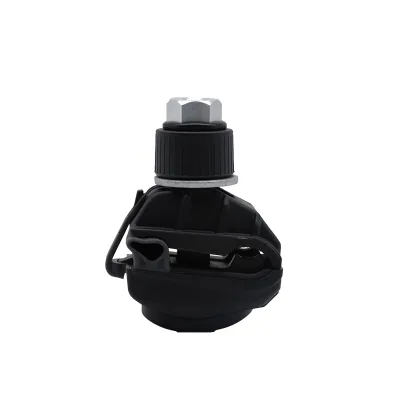
Aluminum Alloy Connector for Power Distribution Electrical Piercing Connector
$0.49 - $0.59
MOQ: 100 Minimum


Low Voltage Insulation Piercing Connector for Reliable Electrical Connections
$0.56 - $1.20
MOQ: 2000 Pieces

Durable Insulation Piercing Connector for Reliable Electrical Connections
$0.56 - $1.20
MOQ: 2000 Pieces


Low Voltage Insulation Piercing Connector for Reliable Wiring Solutions
$0.56 - $1.20
MOQ: 2000 Pieces


Comprehensive Sourcing Guide
Aluminum Insulation Piercing Connector Sourcing Guide
Procuring aluminum insulation piercing connectors requires a disciplined approach to technical verification and supplier qualification. These components are critical for establishing reliable electrical connections in low-voltage power distribution networks, particularly where rapid installation and weather resistance are paramount. Buyers must navigate a market characterized by diverse material compositions and varying compliance standards to ensure long-term grid stability.
This guide provides a structured framework for evaluating aluminum piercing connectors based on observed market data and industry best practices. It focuses on key decision points including material selection, dimensional accuracy, and commercial terms. By adhering to these evidence-based criteria, procurement teams can mitigate risks associated with poor conductivity, mechanical failure, and non-compliant documentation.
Product Scope and Observed Listing Signals
The current market landscape for aluminum piercing connectors reveals a wide spectrum of product configurations, with observed price points ranging from $0.20 to $11.00 USD. This significant variance suggests differences in material quality, manufacturing processes, and packaging standards. Buyers should interpret these price signals as indicators of potential trade-offs between initial cost and long-term performance, rather than assuming uniform quality across all listings.
Observed minimum order quantities (MOQs) span from 1 to 5,000 units, reflecting the flexibility of suppliers to accommodate both prototype testing and large-scale infrastructure projects. Some listings indicate customization availability and specific packing requests, such as standard cartons or plywood cases. This variability allows buyers to align procurement volumes with project timelines while ensuring that packaging protects the connectors from damage during transit.
Technical Specifications to Verify
Technical verification must begin with conductor compatibility, as observed listings specify main line sections ranging from 16 to 70 mm² and branch sections from 1.5 to 10 mm². Buyers must ensure that the selected connector matches the exact gauge of the aluminum conductors in their application to prevent overheating or loose connections. Additionally, piercing depth specifications, such as 1-2 mm, are critical for ensuring the piercing teeth penetrate insulation without damaging the conductor core.
Material composition is another vital verification point, with some products utilizing aluminum alloy shells and others incorporating copper or aluminum teeth. The presence of anti-UV plastic materials for shell components indicates a focus on environmental durability, which is essential for outdoor installations. Buyers should also verify rated voltage levels, such as 1 kV, to ensure the connector meets the electrical requirements of their specific low-voltage power fitting applications.
Compliance and Safety Documentation
Compliance verification is essential for ensuring that aluminum piercing connectors meet international safety and performance standards. Observed listings reference standards such as NF, IEC, and GB, indicating that suppliers may offer products compliant with different regional regulatory frameworks. Buyers must confirm that the specific product model they intend to purchase holds the necessary certifications for their target market, such as CE or RoHS, to avoid legal and safety liabilities.
Documentation should also include detailed test reports and material certificates to verify the integrity of the aluminum alloy and plating processes. Since some listings state "contact me for more information" regarding standards, buyers should proactively request this data to confirm compliance with IEC 61238-1-2 or similar relevant standards. This due diligence ensures that the connectors will perform reliably under specified electrical loads and environmental conditions.
Cost Drivers and Commercial Terms
Cost structures for aluminum piercing connectors are influenced by raw material fluctuations, manufacturing complexity, and packaging requirements. The observed price range suggests that factors such as nickel plating, injection molding techniques, and custom packaging options significantly impact the final unit cost. Buyers should analyze these cost drivers to determine whether lower prices correlate with reduced material quality or simplified manufacturing processes that might compromise performance.
Commercial terms, including payment methods and lead times, vary widely among suppliers, with some offering ODM support and flexible packing arrangements. Buyers should negotiate clear terms regarding quality assurance and return policies to protect against defective batches. Understanding the total cost of ownership, including logistics and potential rework costs, is crucial for making informed procurement decisions that balance budget constraints with reliability requirements.
Supplier Qualification and Quality Control
Supplier qualification requires a thorough assessment of manufacturing capabilities and quality control systems. Observed product origins, such as Wenzhou, Zhejiang, and Qingdao, China, indicate key manufacturing hubs for electrical fittings. Buyers should verify the supplier’s production capacity, inspection protocols, and ability to maintain consistent quality across large orders. Customization support and ODM capabilities can also be valuable indicators of a supplier’s technical expertise and flexibility.
Quality control measures should include rigorous testing of mechanical strength, electrical conductivity, and environmental resistance. Buyers should request samples for independent testing to verify dimensions, material composition, and piercing depth accuracy. Establishing a clear communication channel for addressing quality issues and requesting detailed inspection reports before shipment is essential for maintaining supply chain integrity and preventing field failures.
Long-Term Procurement Checks
Long-term procurement success depends on continuous monitoring of supplier performance and product reliability. Buyers should establish key performance indicators (KPIs) such as defect rates, delivery consistency, and responsiveness to technical queries. Regular audits and periodic re-evaluation of supplier qualifications help ensure that the chosen partners maintain high standards of manufacturing and compliance over time.
Feedback loops from field installations are critical for identifying any emerging issues with aluminum piercing connectors, such as corrosion or mechanical loosening. Buyers should document these experiences and share them with suppliers to drive continuous improvement. By maintaining a proactive approach to supplier management and product evaluation, organizations can ensure the long-term reliability and safety of their electrical infrastructure.
FAQs
What customization options are available for these connectors?
Customization is available for these aluminum insulation piercing connectors to meet specific project needs. Buyers can request tailored packing solutions such as standard cartons or plywood wooden cases. The product origin is China, with specific models like CD-71 and CPL-2 supporting various customization requests directly from the supplier.
Which wire sizes are compatible with this connector type?
This connector supports main wire sizes ranging from 16 to 70 square millimeters. Some models accommodate branch sections between 1.5 and 10 square millimeters. The conductor range extends up to 70 square millimeters for the main line, ensuring compatibility with standard low voltage power fitting applications in various electrical setups.
Can I find these connectors with nickel-plated brass material?
Yes, nickel-plated brass material is available for specific connector models in this product line. The surface treatment ensures durability and corrosion resistance for electrical appliance usage. These components are designed with round head types and are suitable for applications requiring high conductivity and mechanical strength in substation fittings.
What is the rated voltage for the low voltage power fitting?
The rated voltage for this low voltage power fitting is 1 kilovolt. This specification makes it suitable for line fittings and substation applications where standard low voltage distribution is required. The product adheres to standards like NF IEC and GB, ensuring safety and performance in typical electrical infrastructure projects.
How are these connectors packaged for export shipping?
Packaging options include standard cartons, standard export packages, and plywood wooden cases depending on the specific model requested. Buyers can also request custom packing arrangements to suit their logistics needs. The product origin is primarily China, with specific manufacturing locations in Wenzhou and Qingdao supporting these export-ready packaging solutions.
Which standards do these aluminum connectors comply with?
These connectors comply with standards such as NF IEC and GB, though specific details may require direct contact. Some models reference Main 35-150 and Branch 35-150 specifications for conductor compatibility. Buyers should contact the supplier for more information regarding specific standard certifications and compliance details for their region.
What is the minimum order quantity for these fittings?
The minimum order quantity ranges from 1 to 5000 pieces depending on the specific product model and customization requirements. Buyers can order single units for testing or larger quantities for bulk projects. This flexibility allows small and large enterprises to source aluminum insulation piercing connectors efficiently without excessive inventory constraints.