Source Wash Basin Draining Basket for Kitchen, Hospital, and Industrial Parts
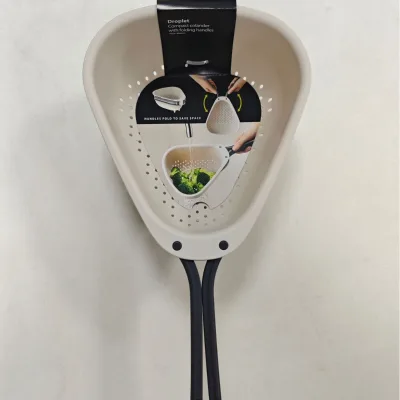
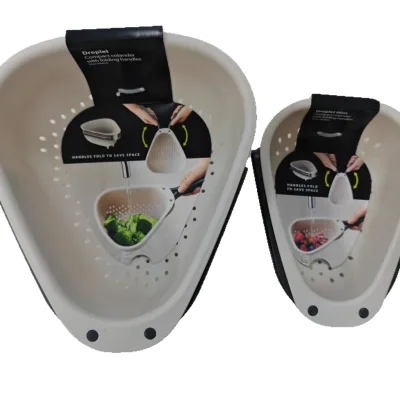
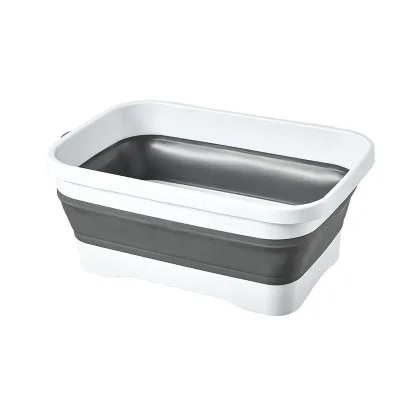
Compare 30 Wash Basin Draining Basket options from verified suppliers in China. These units feature materials like stainless steel and plastic, with applications in kitchen, hospital, and industrial washing environments.
Key considerations
Products List


Stainless Steel Kitchen Drain Basket or Storage and Organization Basket
$23.00 - $25.00
MOQ: 10 Pieces


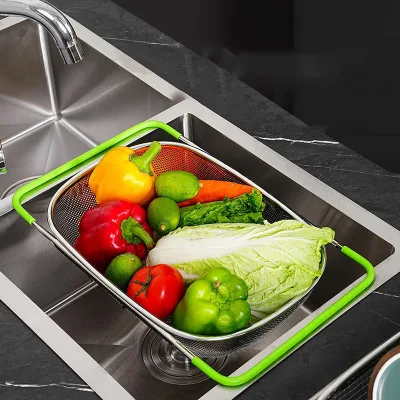
Kitchen Utensils Stainless Steel Retractable Drain Basket for Sink Vegetable Storage Rack
$1.12 - $3.00
MOQ: 1000 Pieces





Comprehensive Sourcing Guide
Strategic Sourcing Guide for Wash Basin Draining Baskets
Understanding Product Categories and Material Variations
When sourcing wash basin draining baskets, buyers must first navigate a diverse landscape of product definitions and material compositions. The term "Wash Basin Draining Basket" often encompasses several distinct sub-categories, ranging from simple kitchen utility baskets to specialized industrial washing racks. Based on available market data, the material composition is a primary differentiator. Buyers will encounter products constructed from Stainless Steel Wire, which offers superior durability and corrosion resistance, particularly for applications involving frequent water exposure and chemical cleaning agents. These metal wire baskets are often described as having a Wire Basket mesh type and are frequently manufactured using Welding processes to ensure structural integrity.
In contrast, another segment of the market offers baskets made from Plastic. These units often feature a Hollow Drain design, which is critical for preventing water accumulation and ensuring efficient drainage in kitchen or bathroom settings. The choice between metal and plastic often depends on the specific application environment. For instance, Stainless Steel Wire baskets are frequently cited for use in Hospital or Kitchen Washing scenarios, as well as for Industrial Parts Washing, where hygiene and chemical resistance are paramount. Plastic variants, while versatile, may be more suitable for general Kitchen or Bathroom storage where heavy-duty industrial cleaning is not required.
The structural design also varies significantly. Some products are designed as Production Type: Disinfection Basket, implying a specific geometry that facilitates steam or chemical disinfection processes. Others are categorized simply as Storage Baskets or Washing Basket units. A critical observation in the current market is the variation in Surface Treatment. High-quality metal baskets often undergo Electrolytic Polishing or standard Polishing to remove burrs and create a smooth finish that resists rust and facilitates cleaning. Buyers should verify that the surface treatment matches the intended usage environment, as a lack of proper polishing can lead to premature corrosion in wet conditions.
Technical Specifications and Dimensional Standards
Technical specifications are the backbone of any successful procurement process for draining baskets. Dimensions, capacity, and physical attributes must align precisely with the intended installation or usage requirements. The market data indicates a wide range of Size options, with some suppliers offering 3 Sizes or fully Customized dimensions. Specific standard dimensions observed include a range of height from 5cm to 25cm, which allows for flexibility in fitting various sink depths. However, buyers must be cautious, as some listings reference specific measurements like 9.8*1.5cm, which may refer to specific component dimensions rather than the overall basket size.
Capacity is another vital specification. For domestic or light commercial use, capacities ranging from 1000-2000ml are common. These units are often designed with a Hollow Drain feature to maximize water flow. In industrial contexts, the capacity requirements may differ, and the focus shifts to the Mesh Type and the strength of the Wire Basket construction. The Weight of the product is also a factor; observed data points to a weight of 226g for certain models, which is relevant for logistics and handling calculations.
The Installation method is a critical technical consideration. Some units are designed for Built-in Filter integration, suggesting they are meant to be installed directly into the basin structure. Others may be freestanding or designed to sit within the basin. The prod_model codes, such as HD-2650 or generic terms like metal basket and Washing Basket, serve as identifiers but do not guarantee specific performance without a detailed datasheet. Buyers should request exact dimensional drawings to ensure compatibility with existing plumbing or sink infrastructure. Furthermore, the prod_standard may be customized, meaning that off-the-shelf specifications might not meet unique operational needs, necessitating a clear definition of tolerances and fitment requirements.
Compliance, Certification, and Safety Verification
Ensuring that wash basin draining baskets meet safety and hygiene standards is non-negotiable, particularly for products used in food service, healthcare, or residential settings. The Feature: Eco-Friendly attribute suggests that many manufacturers are adopting sustainable practices, but buyers must verify the specific environmental claims. For food-related applications, the material must be food-grade. While Stainless Steel Wire is generally considered safe for food contact, the specific alloy composition and the Surface Treatment process must be validated to ensure no harmful substances leach into food or water.
In the context of Hospital or Kitchen Washing, the product may need to comply with strict hygiene protocols. The designation Production Type: Disinfection Basket implies that the design allows for effective sterilization. Buyers should verify if the product has undergone specific testing for bacterial resistance or if the material is certified for medical-grade applications. The Filtering Level mentioned in some data as Medical Grade is a significant claim that requires documentation. Without explicit certification evidence, buyers should treat such claims as observations rather than guaranteed standards.
Regulatory compliance also extends to the manufacturing process. The Processing: Welding method must be performed to high standards to prevent sharp edges or weak points that could compromise safety. For products originating from regions like Fujian or Anping, Hebei, buyers should be aware of local manufacturing standards but must ensure they meet the import regulations of their destination country. The prod_standard being listed as customized indicates that there may not be a single universal standard applicable to all units. Therefore, the procurement strategy must include a requirement for the supplier to provide test reports or compliance certificates specific to the ordered model, rather than relying on generic product descriptions.
Cost Drivers and Pricing Dynamics
The pricing of wash basin draining baskets is influenced by a complex interplay of material costs, manufacturing complexity, and order volume. The observed price range in the market spans from 0.07 to 52.5 USD, a variance that reflects the diversity in product quality, material, and customization levels. The lower end of the spectrum likely corresponds to basic Plastic models or simple Metal wire baskets with minimal finishing. The higher end typically involves Stainless Steel Wire units with Electrolytic Polishing, Customized dimensions, and specialized features like Built-in Filter systems.
MOQ (Minimum Order Quantity) is a significant cost driver, with observed ranges from 10 to 1000 units. Buyers seeking small quantities may face higher per-unit costs due to the fixed costs of setup and production runs. Conversely, larger orders can leverage economies of scale, reducing the unit price. The Customization attribute is available across the market, but customization inevitably increases costs. Custom Color options, such as Multicolor or Natural Color, and specific Size requirements often require dedicated tooling or production lines, which adds to the overall expense.
Packaging also impacts the final cost. While some products come in Default Package: OPP Bags, others require Carton Box or in Carton Then in Pallets packaging for bulk shipping. The choice of packaging affects both the unit price and the logistics cost. For instance, Carton Box packaging provides better protection but adds material and labor costs. Buyers should analyze the total landed cost, including packaging and shipping, rather than focusing solely on the unit price. The Location of the supplier, whether in Fujian, Anping, Hebei, or Ningbo, China, can also influence shipping costs and lead times, which are indirect cost factors that must be factored into the procurement budget.
Typical Applications and Usage Scenarios
The versatility of wash basin draining baskets allows them to serve a wide array of applications, from domestic kitchens to heavy industrial environments. The Usage field in product data highlights several key sectors. In the Kitchen and Food sectors, these baskets are essential for washing fruits, vegetables, and utensils. The Usage: Food, Fruit, Picnic, Shopping attributes indicate their role in food preparation and storage. The Hollow Drain design is particularly beneficial here, ensuring that water drains quickly to prevent spoilage or bacterial growth.
In the Hospital and Medical sectors, the application is more specialized. The Production Type: Disinfection Basket and Used for: Hospital or Kitchen Washing suggest that these units are integral to sterilization processes. They are designed to hold instruments or linens during washing cycles, ensuring that water and cleaning agents circulate effectively. The Filtering Level: Medical Grade claim, if verified, would be a critical factor for these buyers. Additionally, the Usage: Tools and Usage: Industrial Parts Washing attributes point to their utility in manufacturing and maintenance settings, where they are used to clean mechanical components or tools.
The Style of the basket can also influence its application. Classic and Classical Chinese Style designs may be preferred for residential or hospitality settings where aesthetics are important. In contrast, purely functional designs are more common in industrial settings. The Color options, ranging from Natural Color to Multicolor, allow buyers to match the basket to the interior design of a kitchen or the color-coding systems of a hospital. Understanding the specific usage scenario is crucial for selecting the right material and design, as a basket suitable for a picnic may not withstand the rigors of industrial parts washing.
Supplier Evaluation and Quality Control Protocols
Evaluating suppliers for wash basin draining baskets requires a rigorous approach to ensure product consistency and reliability. The prod_origin data indicates that suppliers are located in Fujian, Anping, Hebei, and Ningbo, China. While these regions are known for manufacturing, buyers must verify the specific capabilities of each supplier. The Processing: Welding and Surface Treatment: Polishing processes are critical quality indicators. Buyers should request samples to inspect the weld quality and the smoothness of the polished surface. Any rough edges or uneven polishing can indicate poor quality control.
The prod_packing method is another area to scrutinize. Whether the product is packed in OPP Bag, Carton Box, or in Carton Then in Pallets, the packaging must protect the product during transit. For metal baskets, damage to the Wire Basket structure or the Surface Treatment can occur if packaging is inadequate. Buyers should also verify the Sets configuration, as some products are sold in 1-3PCS sets, which may affect the assembly and functionality of the final product.
Quality control should extend to the Material verification. For Stainless Steel Wire baskets, buyers should confirm the grade of steel to ensure it meets corrosion resistance requirements. For Plastic baskets, the material should be food-grade and free from harmful additives. The Customization process should be managed with clear specifications to avoid deviations from the agreed design. Buyers should implement a pre-shipment inspection protocol to check dimensions, weight, and surface finish against the agreed prod_standard.
Long-Term Procurement and Relationship Management
Establishing a long-term procurement strategy for wash basin draining baskets involves more than just securing a one-time order. The Customization availability suggests that buyers can work with suppliers to develop products tailored to their specific needs over time. This relationship can lead to cost savings and improved product quality as the supplier gains a deeper understanding of the buyer's requirements. However, it also requires clear communication and documentation to ensure that changes in design or material are consistently applied.
The Lead Time and Production Type are factors that influence long-term planning. While specific lead times are not provided in the data, the Production Type: Disinfection Basket and Welding processes suggest that production may take longer than standard manufacturing. Buyers should factor in these timelines when planning inventory levels. The MOQ range of 10-1000 offers flexibility, but buyers should aim to consolidate orders to meet higher MOQ thresholds if possible, to reduce per-unit costs.
Sustainability is another long-term consideration. The Feature: Eco-Friendly attribute indicates a market trend towards greener products. Buyers should inquire about the recyclability of the materials and the environmental impact of the manufacturing processes. Building a relationship with suppliers who prioritize sustainability can enhance the buyer's brand reputation and align with corporate social responsibility goals. Finally, maintaining a clear record of prod_model and prod_standard changes ensures that future orders are consistent with the original specifications, preventing quality issues and ensuring operational continuity.
FAQs
What materials are used for wash basin draining baskets?
Wash basin draining baskets are primarily constructed from stainless steel wire or plastic. Stainless steel wire offers superior durability for hospital and industrial washing, while plastic variants often feature hollow drain designs suitable for general kitchen and bathroom storage applications.
Can these baskets be customized for specific sizes?
Yes, customization is available for size, with options ranging from 3 standard sizes to fully customized dimensions. Buyers can request specific heights between 5cm and 25cm or other measurements to fit unique sink depths and operational requirements.
Which surface treatments ensure rust resistance?
High-quality metal baskets often undergo electrolytic polishing or standard polishing to remove burrs and resist rust. These treatments create a smooth finish that facilitates cleaning and prevents corrosion, which is critical for products used in wet hospital or kitchen environments.
How are these baskets typically packaged for shipping?
Packaging varies by order size and product type, ranging from individual OPP bags to carton boxes. Bulk industrial orders often utilize carton boxes packed on pallets to ensure protection during transit, while smaller retail units may use standard OPP bags.
What is the typical weight of a metal basket?
The observed weight for certain metal models is approximately 226 grams. This weight is relevant for logistics calculations and handling, though actual weight may vary depending on the specific material thickness and dimensions selected by the buyer.
Can these baskets be used for industrial parts washing?
Yes, many models are explicitly designed for industrial parts washing and tool cleaning. These units often feature wire basket mesh types and robust welding processes to withstand the rigors of mechanical component cleaning in manufacturing settings.
What is the minimum order quantity for these products?
The minimum order quantity ranges from 10 to 1000 units depending on the supplier and customization level. Smaller orders may incur higher per-unit costs, while larger volumes can leverage economies of scale to reduce the overall price per item.