Source Amusement Park Aluminium Karting Boat for Water Parks, Lakes, and Rivers
Find and compare 30 listings for Amusement Park Aluminium Karting Boat options suitable for commercial water parks, lakes, and rivers. Buyers can review specifications, certifications, and pricing to identify the right supplier for their needs.
Key considerations
Products List

OEM Customized Karting Boat Racing Fun Water Park Entertainment Rental
$3999.00 - $6999.00
MOQ: 1 Pieces


Water Park Sports Electric Karting Boat Racing High Qaulity Super Jet Boat
$3999.00 - $6999.00
MOQ: 1 Pieces

30kw Electric Go-Kart Boat Fishing Boat for Water Sports Park Rental
$3999.00 - $6999.00
MOQ: 1 Pieces


Amusement Water Park Equipment Pirate Boat
$30000.00 - $60000.00
MOQ: 1 Sets
Meizhou Lanchao Water Park Equipment Manufacturing Co., Ltd.
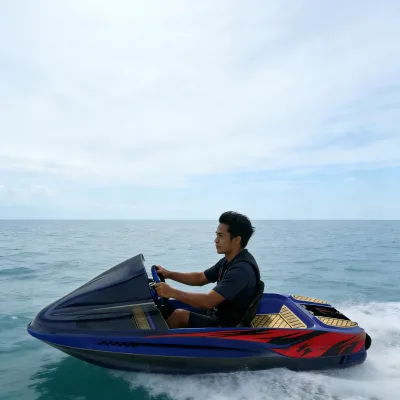
New Release Flying Car Go Kart Racing Boat for Amusement Water Park Rental
$3090.31 - $3914.67
MOQ: 2 pieces


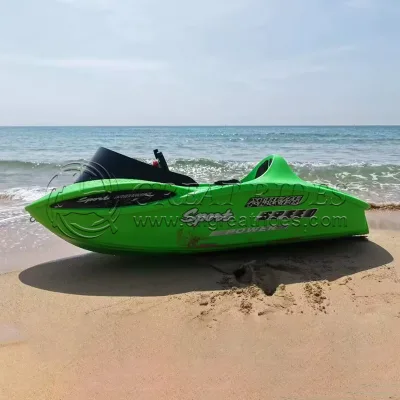
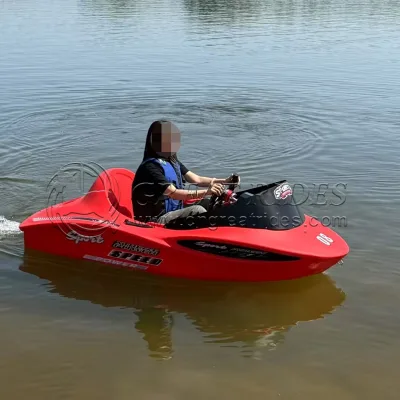
Custom PE Kart Boat Kids and Adults Water Entertainment Boat with Steering System for Sale
$4342.57 - $4778.05
MOQ: 1 Minimum
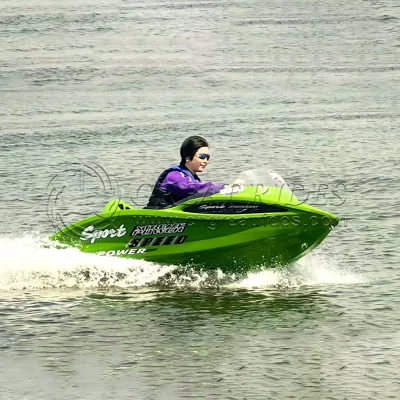
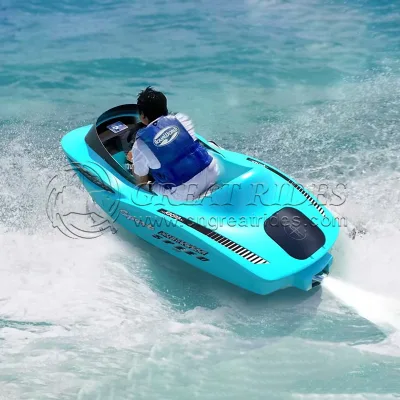

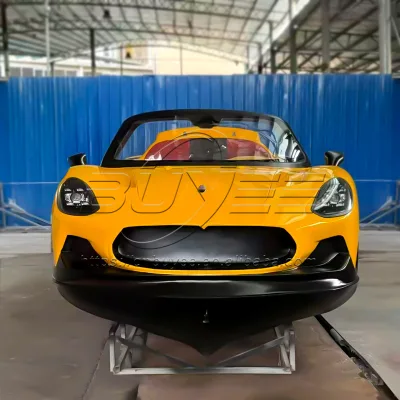
Amusement Fiberglass Boat with Racing Car Style Perfect for Lakeside Fun and Park Rental
$10204.59 - $22451.31
MOQ: 1 Minimum


Amusement Boat Fiberglass Boats for Water Park with Power Engine Play Equipment Boat for Adults
$13000.00 - $17000.00
MOQ: 1 Pieces

Comprehensive Sourcing Guide
Strategic Sourcing Guide for Amusement Park Aluminium Karting Boats
Understanding the Product Category and Market Context
When sourcing equipment for amusement parks, the distinction between different vessel types is critical for operational safety and guest experience. The core keyword "Amusement Park Aluminium Karting Boat" often leads buyers to a diverse array of watercraft, ranging from high-speed electric karts to stationary playground slides. Based on current market observations, the term "karting boat" frequently overlaps with "Electric Kart Boat" or "Mini Racing Jet Boat" technologies. These vessels are designed for water sports applications, specifically targeting lakes, rivers, and commercial water park environments.
It is essential to clarify that while the search term specifies "aluminium," the actual product data available in the current supply chain often highlights "Fiberglass Hull" or "LLDPE" (Linear Low-Density Polyethylene) materials. For instance, specific models identified in the market, such as the YH-K01/02 Electric Kart Boat, utilize a Fiberglass Hull, while other recreational units like the Mini Jet Ski Boat are constructed from LLDPE. Buyers must verify the material composition of the hull during the initial inquiry phase. The assumption of aluminium construction may not align with the most common offerings, which prioritize fiberglass for its balance of durability, weight, and cost-effectiveness in water sports applications. Therefore, the procurement strategy must begin with a rigorous material verification to ensure the selected vessel meets the specific durability and maintenance requirements of the amusement park.
Technical Specifications and Performance Metrics
Evaluating the technical specifications of these vessels requires a close examination of capacity, dimensions, and power systems. The market data indicates a significant variance in seating capacity and load limits. Some units, such as the Electric Kart Boat, are specified for a single person with a maximum load of 120 kilograms. In contrast, other models like the Mini Racing Jet Boat are designed for a maximum of two persons, suggesting a different structural approach to passenger safety and stability.
Dimensions also vary widely depending on the intended application. Standard specifications for certain electric kart models list a size of 2009050cm, which is compact and suitable for individual or dual-person use in confined water areas. However, larger amusement park installations, such as the Children Water Park Playground Pirate Boat Slide, operate on a much larger scale with dimensions reaching 18m16m9m. This disparity highlights the need for buyers to distinguish between mobile, self-propelled vessels and stationary or slide-integrated attractions.
Furthermore, the working life of these assets is a critical technical parameter. High-quality units are reported to have a working life of more than 12 years, provided they are maintained correctly. The condition of the product is typically listed as "New," and the warranty periods range from 9 months for battery components to 12 months for the boat structure itself. Buyers should pay particular attention to the battery warranty, as electric propulsion systems are a key differentiator in modern karting boats. The presence of OEM logo customization and specific model numbers like YH-KB01 or LANCHAO-PB01 indicates that these products are often manufactured to specific client requirements, allowing for tailored technical configurations.
Compliance, Certification, and Safety Standards
Safety compliance is non-negotiable in the amusement park industry. The supply chain data confirms that reputable manufacturers provide products with CE and ISO9001 certifications. These certifications are essential for validating that the manufacturing processes and product safety meet international standards. Specifically, the CE Certificate ensures compliance with European health, safety, and environmental protection standards, while ISO9001 verifies that the manufacturer adheres to a quality management system.
When evaluating a supplier, buyers must request proof of these certifications rather than relying on marketing claims. The documentation should explicitly state the scope of the certification and the specific models covered. Additionally, the allowable passenger count must align with the certified load capacity. For example, a vessel listed with a maximum capacity of 120kg must strictly adhere to this limit to prevent structural failure. Age restrictions are also a critical safety factor; many high-performance units are designated for users over 18 years, while others are specifically designed for children in water park settings.
The standard operating conditions, such as the "Warter Sports" application or "Commercial" occasion, imply that the vessel must withstand continuous use and varying water conditions. Buyers should verify that the product standard matches the intended environment. For instance, a vessel intended for a commercial water park must have a robust construction capable of handling high-frequency usage, unlike a unit designed for private lake recreation. The packaging standards, such as plywood boxes or wooden cases, also play a role in ensuring the product arrives in the condition required for immediate certification and installation.
Cost Drivers and Procurement Economics
The pricing structure for amusement park boats is influenced by several factors, including material, size, and customization. The observed price range in the market spans from 80 to 60,000 USD, reflecting the vast difference between small, single-person electric karts and large, complex water park attractions. A unit priced at the lower end of the spectrum is likely a compact, single-seater model with basic features, while the higher-end prices correspond to larger, multi-person vessels with advanced propulsion systems and extensive customization options.
Minimum Order Quantity (MOQ) is another significant economic driver. The data shows an MOQ range of 1 to 20 pieces. Some suppliers offer a single-piece MOQ, which is ideal for small parks or pilot programs, while others may require a minimum of 2 pieces or even 1 set for larger installations. This variability allows buyers to scale their procurement based on their budget and immediate operational needs.
Customization is a primary cost driver. The availability of OEM logos and customized designs allows parks to brand their fleet, but this often incurs additional costs. The material choice also impacts the final price; while fiberglass is common, the specific grade and manufacturing process can vary. Buyers should request a detailed breakdown of costs to understand how much of the price is attributed to the hull material, the propulsion system, and the packaging. Understanding these drivers helps in negotiating better terms and avoiding hidden costs that can arise from expedited shipping or complex customization requests.
Supplier Evaluation and Quality Assurance
Selecting the right supplier requires a thorough evaluation of their capabilities and track record. The supply chain data indicates that manufacturers are located in regions such as Anhui and Jiangsu, China. While these locations are known for manufacturing, buyers must verify the specific factory's quality control processes. The presence of a 1-year warranty for the boat and a 9-month warranty for the battery suggests that the manufacturer stands behind their product, but the terms of the warranty must be clearly defined.
Quality assurance should extend beyond the initial purchase. Buyers should inquire about the testing procedures used to validate the vessel's performance. Although specific test results are not always publicly listed, the existence of ISO9001 certification implies a standardized approach to quality control. It is advisable to request third-party inspection reports or video evidence of the manufacturing process. Additionally, the condition of the product upon delivery is crucial; the "New" condition listed in the data must be verified upon receipt.
The packaging method, whether it is a plywood box, carton, or plastic foam with cotton, is an indicator of the supplier's attention to detail during shipping. Poor packaging can lead to damage during transit, which would void the warranty. Buyers should also assess the supplier's ability to provide after-sales support, including spare parts availability and technical assistance. The working life of the product, often cited as more than 12 years, depends heavily on the quality of the initial build and the ongoing maintenance provided by the supplier.
Long-Term Procurement and Operational Considerations
Long-term success with amusement park boats depends on strategic planning for maintenance, replacement, and scalability. The warranty periods, ranging from 9 months for batteries to 12 months for the hull, highlight the need for a proactive maintenance schedule. Batteries, being a consumable component, may require replacement sooner than the hull, making it essential to factor in the long-term cost of ownership.
The intended occasion, such as "Lakes & Rivers" or "Amusement Park," dictates the maintenance requirements. Commercial applications demand more frequent inspections and potentially more robust cleaning protocols to ensure guest safety. The product's working life of over 12 years is an attractive feature, but it requires consistent care. Buyers should develop a maintenance plan that includes regular checks of the hull integrity, battery health, and propulsion system efficiency.
Scalability is another consideration. If a park plans to expand its fleet, the supplier's ability to produce additional units with consistent quality is vital. The availability of customization options allows parks to differentiate their offerings, but it also requires careful management of the supply chain to ensure that all units meet the same safety and performance standards. Finally, the environmental impact of the materials used, such as fiberglass or LLDPE, should be considered in the context of local regulations and sustainability goals. By addressing these long-term factors, buyers can ensure a sustainable and profitable investment in their amusement park's water attractions.
FAQs
What materials are used for the hull of these boats?
The hulls are typically constructed from Fiberglass or LLDPE, not aluminium as the search term suggests. Buyers must verify the specific material composition during inquiry, as Fiberglass Hull is a common specification for models like the Electric Kart Boat.
What is the maximum passenger capacity for these vessels?
Capacity varies by model, with some units designed for a single person and others accommodating up to two persons. Specific models list a maximum load of 120 kilograms or a capacity of over 500 kilograms for larger amusement park installations.
Which certifications do these boats typically hold?
Reputable manufacturers provide products with CE and ISO9001 certifications to ensure international safety and quality standards. These documents validate that the manufacturing processes meet requirements for health, safety, and environmental protection in commercial water park environments.
How long is the warranty period for the boat and battery?
Warranty terms typically cover one year for the boat structure and nine months for the battery component. Some models may offer a twelve-month warranty, but buyers should confirm specific terms as battery warranties often differ from hull warranties.
Can buyers customize the logo and design of the boat?
Yes, customization is available with options for OEM logos and specific design requirements. Manufacturers often allow tailored technical configurations, allowing parks to brand their fleet, though this may influence the final pricing and minimum order quantities.
What is the minimum order quantity for purchasing these boats?
The minimum order quantity ranges from one piece to twenty pieces depending on the supplier and model. Some suppliers offer a single-piece MOQ for pilot programs, while larger installations may require a minimum of two pieces or one set.
Where are these boats manufactured and shipped from?
Manufacturers are primarily located in regions such as Anhui and Jiangsu in China. The products are shipped in various packaging types including plywood boxes, cartons, or wooden cases to ensure they arrive in new condition for immediate installation.