Source Analog PLC Combination Module for Industrial Control, plc programming, and Measurement
Compare 30 available Analog PLC Combination Module units from verified suppliers. These modules support 8-channel current/voltage input, operate at 10V or 12-24VDC, and feature I/O Link communication for industrial automation tasks.
Key considerations
Products List
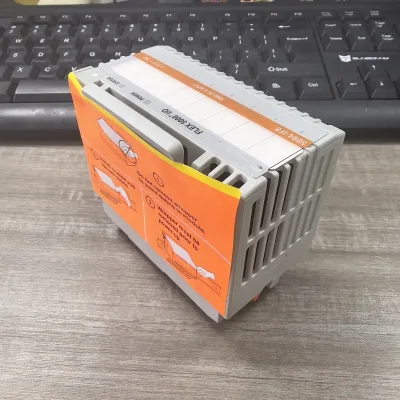


$60.00 - $200.00
MOQ: 1 Pieces


$50.00 - $100.00
MOQ: 1 Pieces


$50.00 - $100.00
MOQ: 1 Pieces


Programmable Logic Controllers PLC Controlling System
$1000.00 - $5000.00
MOQ: 1 Pieces
LIAONING XINLAI INTELLIGENT EQUIPMENT MANUFACTURING CO LIMITED


PLC Module PLC Programm Controller Make
$99.72 - $150.62
MOQ: 1 sets
Ji' Nan Tian Chuan Zhong Cheng Electricity Equipment Co., Ltd.
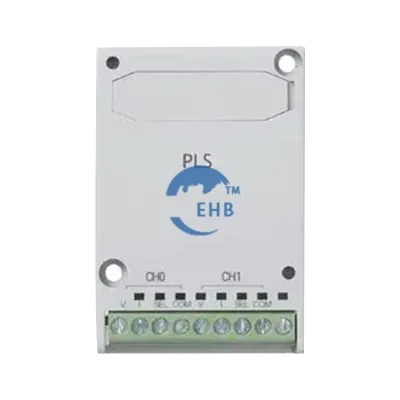
Comprehensive Sourcing Guide
Strategic Sourcing Guide for Analog PLC Combination Modules
The industrial automation landscape relies heavily on the seamless integration of input and output devices to ensure precise process control. For procurement professionals, the Analog PLC Combination Module represents a critical component in this ecosystem. These modules serve as the bridge between physical sensors and the programmable logic controller, translating continuous analog signals into digital data that the system can process. Sourcing these components requires a disciplined approach that balances technical compatibility, regulatory compliance, and supply chain reliability. This guide outlines the essential factors buyers must evaluate when acquiring analog PLC combination modules, ensuring that procurement decisions are grounded in verified facts and industry best practices.
Technical Specifications and Signal Integrity
When evaluating an Analog PLC Combination Module, the primary focus must be on the technical specifications that define its operational capabilities. The core function of these modules is to handle continuous signals, typically in the form of current or voltage inputs. Buyers should verify that the module supports the specific input ranges required by their existing sensor infrastructure. Common configurations include current inputs ranging from 0 to 20 mA or 4 to 20 mA, which are standard in industrial environments for their noise immunity and ability to detect wire breaks.
The number of channels is another decisive factor. Modules often come in specific configurations, such as 8 single-ended inputs, which allow for the monitoring of multiple process variables simultaneously. The mathematical model of the signal processing is equally important; while some applications require a linear relationship between the input signal and the digital output, others may involve non-linear characteristics that demand specific compensation algorithms. The operating voltage is a critical constraint, with many units designed for a 10V or 12-24VDC supply range. Procurement teams must ensure that the module's voltage requirements align with the plant's power distribution system to prevent hardware failure.
Furthermore, the communication interface dictates how the module interacts with the central controller. Interfaces such as I/O Link are common, facilitating high-speed data transfer and reducing latency in control loops. The physical structure of the module, often described as a combination type, suggests a design that integrates multiple functionalities into a compact form factor, typically constructed from durable materials like aluminum alloy to withstand harsh industrial conditions. Buyers should request detailed datasheets that explicitly confirm the input count, signal type, and voltage tolerance before placing an order.
Compliance and Certification Verification
In the global supply chain, regulatory compliance is non-negotiable. Buyers must rigorously verify that any Analog PLC Combination Module meets the necessary safety and environmental standards. The most frequently observed certifications for these components include RoHS (Restriction of Hazardous Substances) and CE (Conformité Européenne). These certifications indicate that the product adheres to strict guidelines regarding the use of hazardous materials and electromagnetic compatibility.
Some suppliers may also list additional certifications such as CCC (China Compulsory Certification) or ISO standards, which further validate the quality management systems of the manufacturer. It is crucial to distinguish between the product's origin and its certification status. While the place of origin for many of these modules is listed as China, specifically regions like Zhejiang, the certifications are independent validations of the manufacturing process. Buyers should not assume that a product's origin automatically guarantees compliance; instead, they must request valid certification documents that correspond to the specific model number being purchased.
The standard of the product, whether listed as "Original" or adhering to specific industry standards, must be cross-referenced with the certification claims. For instance, a module claiming to be "Original and New" should still present valid RoHS and CE documentation. Procurement teams should treat these certifications as mandatory prerequisites rather than optional features. Failure to verify these documents can lead to regulatory penalties, especially in markets with strict environmental and safety laws.
Cost Drivers and Pricing Dynamics
Understanding the cost structure of analog PLC combination modules is essential for effective budget management. The observed price range for these components in the market is broad, spanning from 0.01 USD to 5000 USD. This wide variance is not indicative of a single product type but rather reflects the diversity of specifications, brand positioning, and order volumes. Low-cost units typically represent standard, off-the-shelf models with basic specifications, while higher-priced units may include advanced features, specialized communication protocols, or premium build quality.
The Minimum Order Quantity (MOQ) is a significant driver of unit cost. The market observes MOQs ranging from 1 to 100 units. Suppliers that accept small orders, such as a single piece, often charge a premium per unit to cover administrative and logistics overhead. Conversely, bulk purchasing can significantly reduce the per-unit cost, making it a viable strategy for large-scale industrial projects. Buyers should negotiate based on their specific volume requirements, balancing the need for immediate availability against the potential savings from larger orders.
Additional cost factors include packaging and shipping. While standard packaging often involves cartons, specialized requirements may incur extra charges. Shipping methods, such as DHL, FedEx, or UPS, also impact the final landed cost. Buyers must account for these variables when calculating the total cost of ownership. It is important to note that price should never be the sole determinant of selection; the technical fit and compliance status must take precedence to avoid costly replacements or system failures.
Typical Applications and Operational Context
Analog PLC combination modules are integral to a wide array of industrial applications, primarily in process control and automation. Their primary function is measurement and automatic control, making them indispensable in sectors such as manufacturing, water treatment, and energy production. In these environments, the modules monitor continuous signals from sensors measuring temperature, pressure, flow rate, or level, converting them into actionable data for the PLC.
The specific application often dictates the required module configuration. For example, a module with 8 single-ended inputs and 4 output points might be ideal for a small-scale assembly line where multiple sensors need to be monitored, and a few actuators need to be controlled. The "plc programming" and "industrial control" applications highlight the module's role in executing complex logic sequences based on real-time data. The ability to handle continuous signals ensures that the control system can respond smoothly to gradual changes in the process, rather than just reacting to discrete on/off states.
Furthermore, the customization options available for these modules allow them to be tailored to unique operational needs. Whether the task requires specific signal conditioning or a particular communication protocol, the availability of customization ensures that the module can be integrated into diverse systems. Buyers should clearly define their application requirements before sourcing, ensuring that the selected module can handle the specific tasks of program execution, protection, and monitoring within their facility.
Supplier Evaluation and Reliability
Selecting the right supplier is as critical as selecting the right product. Buyers should evaluate potential suppliers based on their ability to provide accurate product information, valid certifications, and reliable logistics. The "Small Orders: Accepted" attribute indicates a flexible supplier base, but flexibility should not come at the expense of quality assurance. Suppliers must be transparent about the product condition, with "New" and "Original and New" being the expected standards for industrial components.
Verification of the supplier's origin is also necessary. While many products originate from China, specifically Zhejiang, buyers should confirm the specific manufacturing location to ensure it aligns with their supply chain strategy. The availability of a warranty, typically one year for these components, is a strong indicator of supplier confidence in their product. Additionally, the payment terms, such as T/T or PayPal, and shipping options should be clear and secure.
Buyers should avoid suppliers who make unverifiable claims about performance or certifications. Instead, they should request documentation that proves the product meets the stated standards. The "Customized" and "Non-Customized" options should be clearly communicated, ensuring that the buyer receives exactly what is needed without ambiguity. A reliable supplier will provide comprehensive support, including technical assistance and after-sales service, which is vital for maintaining operational continuity.
Quality Control and Long-Term Procurement
Quality control is a continuous process that extends beyond the initial purchase. For analog PLC combination modules, the condition of the product upon arrival is paramount. The "Carton Packing" and "Original Packing" attributes suggest standard protective measures, but buyers should implement their own inspection protocols upon receipt. This includes verifying the physical condition of the module, checking for any signs of damage, and confirming that the model number matches the order.
Long-term procurement considerations involve the lifecycle management of these components. The "1year" warranty period is a standard benchmark, but buyers should plan for potential replacements or upgrades as technology evolves. The "Mathematical Model" of the module, whether linear or non-linear, should be compatible with future system expansions. Buyers should also consider the availability of spare parts and the lead time for reordering, as these factors impact the overall resilience of the automation system.
In conclusion, sourcing analog PLC combination modules requires a meticulous approach that prioritizes technical accuracy, regulatory compliance, and supplier reliability. By focusing on the specific input ranges, channel counts, and communication interfaces, buyers can ensure that the selected modules meet their operational needs. Verifying certifications like RoHS and CE, understanding the cost drivers, and evaluating supplier capabilities will lead to successful procurement outcomes. Ultimately, a disciplined sourcing strategy ensures that the industrial automation systems remain robust, efficient, and compliant with global standards.
FAQs
What input ranges does the Analog PLC Combination Module support?
The module supports current input ranges of 0 to 20 mA and 4 to 20 mA. These standard ranges ensure compatibility with most industrial sensors while providing noise immunity for reliable signal transmission in harsh environments.
How many input channels are available on this module?
This module features 8 single-ended inputs for monitoring multiple process variables simultaneously. The configuration allows for efficient data collection from various sensors without requiring additional hardware expansion for basic setups.
Which certifications verify the safety and compliance of this product?
The product holds RoHS and CE certifications to ensure compliance with environmental and safety standards. Some listings also indicate CCC and ISO certifications, validating the manufacturing quality and adherence to international regulatory requirements.
Can I order small quantities of this Analog PLC Combination Module?
Yes, small orders are accepted with a minimum order quantity of just one piece. This flexibility allows buyers to test the product or fulfill immediate needs without committing to large bulk purchases upfront.
What is the operating voltage requirement for this module?
The module operates on a voltage range of 10V or 12 to 24VDC depending on the specific model. Buyers must ensure their power distribution system matches these requirements to prevent hardware failure during operation.
Which material is used to construct the module housing?
The module housing is constructed from aluminum alloy to withstand harsh industrial conditions. This durable material provides structural integrity and helps dissipate heat effectively during continuous operation in demanding environments.
What warranty period is provided for this Analog PLC Combination Module?
A one-year warranty is typically provided for this module to cover manufacturing defects. This guarantee reflects supplier confidence in product quality and offers buyers protection against early failures in their automation systems.