Source Animal Pairing Wooden Puzzle for decoration, gifts, and education
Compare 30 listings of Animal Pairing Wooden Puzzle options from verified Chinese manufacturers. Buyers can evaluate customization, certifications like ASTM and EN71, and packaging details for educational toys and handicrafts.
Key considerations
Products List


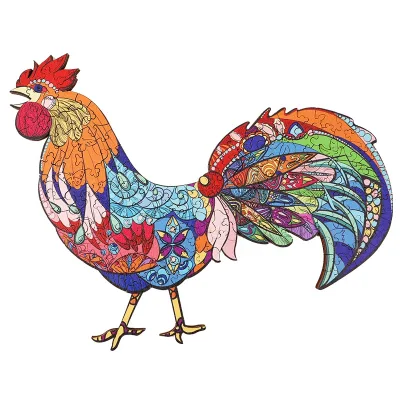


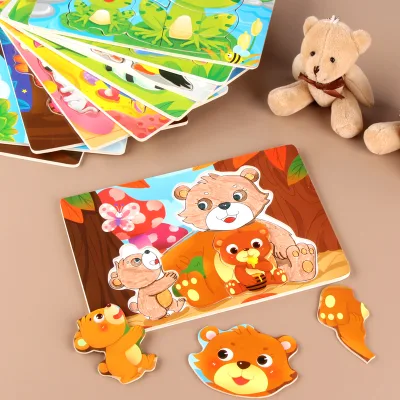
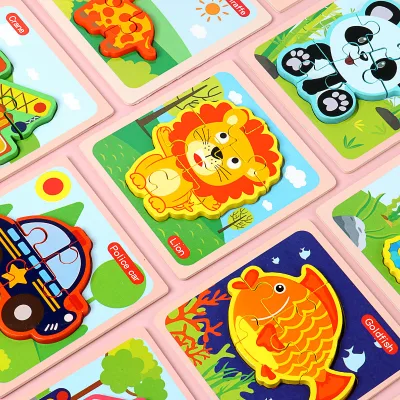
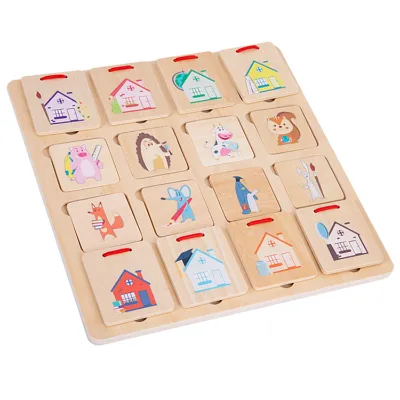


Wooden Three-Dimensional Animal-Shaped Puzzle for Early Education Puzzle
$5.60 - $6.00
MOQ: 100 Pieces

Wooden Children's Puzzle Animal Three-Dimensional for Early Education Puzzle
$2.60 - $3.00
MOQ: 100 Pieces

Wooden Children's Puzzle for Early Education with Animal Shapes Building Blocks Puzzle
$1.80 - $2.00
MOQ: 100 Pieces


Wooden Toddler Puzzle Toy Animal Puzzle Board Shape Matching Educational Toys
$1.00 - $1.20
MOQ: 3000 Pieces


Comprehensive Sourcing Guide
Strategic Sourcing Guide for Animal Pairing Wooden Puzzles
The global market for educational wooden toys has seen sustained growth, driven by a parental shift toward screen-free, tactile learning tools. Among these, the Animal Pairing Wooden Puzzle represents a specific, high-demand niche that combines cognitive development with thematic engagement. For B2B procurement professionals, sourcing these items requires a nuanced understanding of material integrity, regulatory compliance, and customization capabilities. This guide synthesizes available market data and technical requirements to provide a disciplined framework for evaluating suppliers and products in this category.
Material Composition and Structural Integrity
The foundation of any high-quality wooden puzzle lies in the raw material selected. Based on current market observations, the primary materials utilized for animal pairing puzzles include solid wood, plywood, and specialized variants such as lotus wood. Solid wood offers a premium feel and durability, often preferred for high-end educational sets, while plywood provides structural stability and resistance to warping, which is critical for pieces that undergo frequent handling.
When evaluating a potential supplier, buyers must verify the specific wood type listed in the product specifications. The data indicates that "Wood" and "Plywood" are the standard designations, with some suppliers specifying "Lotus Wood" for unique aesthetic or sustainability profiles. The thickness and grain orientation of the material directly impact the puzzle's longevity. For animal-themed puzzles, where pieces often feature irregular shapes to mimic animal forms, the material must be robust enough to prevent chipping during the die-cutting or laser-cutting process.
Buyers should request physical samples to assess the finish. A smooth, splinter-free surface is non-negotiable for toys intended for children. The production process should ensure that the edges of the animal shapes are rounded and safe. Furthermore, the material's weight should be sufficient to provide a satisfying tactile experience without being too heavy for young hands. The "Medium" scale observation suggests that these puzzles are generally designed for individual or small-group play, requiring a balance between piece size and total set weight.
Technical Specifications and Customization Parameters
The technical architecture of an animal pairing puzzle extends beyond the material itself to include dimensions, packaging, and model specifications. The market data reveals a high degree of customization available in this sector. Suppliers frequently offer "Customize" options for size, shape, and logo placement, allowing retailers to tailor products to specific brand identities or educational curricula.
Key specifications to verify include the single package dimensions and the overall standard size of the puzzle set. Observed data points indicate specific model numbers such as CM0011, L52, and JA0055, which often correlate with distinct design iterations. The packaging is a critical technical component; standard configurations include "Carton Box," "Outer Carton," and "Palletization/Outer Carton" for bulk shipping. The single package size for similar items has been observed around 16x21x7 cm, but this varies based on the number of pieces and the complexity of the animal shapes.
Customization extends to the "Shape" attribute, with "Animals" and "Fish" being prominent categories. Suppliers may also offer "European & American" style designs or "Creative" and "DIY" variations. The "Style" is often categorized as "Educational Toy," "Intellectual Toys," or "Handicraft," which influences the design philosophy and the intended learning outcome. Buyers must confirm that the customization options align with their target demographic's needs, particularly regarding the complexity of the animal pairings and the visual clarity of the designs.
Regulatory Compliance and Safety Certifications
Safety is the paramount concern when sourcing toys for children. The Animal Pairing Wooden Puzzle market is heavily regulated, and compliance with international safety standards is a prerequisite for market access. The supplied data highlights several critical certifications that buyers must verify: ASTM F963-96a, EN71, CE, and ASTM. These certifications cover mechanical safety, flammability, and chemical composition, ensuring the product is safe for the intended age group.
The age range for these products is typically split between "< 3 Years" and "3-8 Years." This distinction is vital because safety requirements differ significantly between toddlers and older children. For the "< 3 Years" category, the risk of choking on small parts is a primary concern, necessitating rigorous testing of piece size and structural integrity. The "3-8 Years" category allows for slightly smaller pieces but still requires adherence to strict toxicity and physical safety standards.
Buyers should not rely on general claims of compliance. Instead, they must request valid test reports from accredited laboratories that specifically reference the ASTM F963-96a and EN71 standards. The presence of the CE mark indicates conformity with European health, safety, and environmental protection standards, while ASTM certification is essential for the North American market. Additionally, while FSC certification is mentioned in background contexts, it should be treated as a secondary attribute for sustainability rather than a primary safety requirement unless explicitly required by the buyer's corporate policy.
Cost Drivers and Economic Considerations
Understanding the cost structure of animal pairing wooden puzzles is essential for effective budgeting and margin analysis. The observed price range in the market spans from $0.20 to $6.90 USD per unit. This wide variance is driven by several factors, including material quality, the complexity of the animal shapes, the level of customization, and the quantity ordered.
The Minimum Order Quantity (MOQ) is a significant cost driver, with observed ranges from 2 to 5,000 units. Lower MOQs, such as 100 pieces, are often available for custom designs but may carry a higher per-unit cost due to setup fees and lower production efficiency. Conversely, larger orders of 5,000 units typically benefit from economies of scale, reducing the unit price significantly. Buyers must balance the need for inventory flexibility with the cost benefits of bulk purchasing.
Other cost factors include the type of wood used, the finish quality, and the packaging requirements. Premium materials like lotus wood or high-grade plywood will increase the base cost. Customization of logos and shapes adds to the tooling and setup expenses. Packaging costs also vary; simple carton boxes are less expensive than custom-printed outer cartons or specialized palletization for international shipping. Buyers should request detailed breakdowns of costs to understand where value is being added and where potential savings can be realized through design simplification or material substitution.
Supplier Evaluation and Operational Capabilities
Selecting the right supplier involves more than just comparing prices; it requires a thorough assessment of their operational capabilities and reliability. The data indicates that the primary place of origin for these products is China, with specific mentions of Zhejiang as a manufacturing hub. This region is known for its established toy manufacturing infrastructure, but buyers must still conduct due diligence on individual suppliers.
Key evaluation criteria include the supplier's ability to handle customization requests, their quality control processes, and their logistical capacity. The "Customization: Supported" and "Logo: Customization" attributes suggest that many suppliers are equipped to handle bespoke orders. However, buyers should verify the supplier's experience with similar projects and their capacity to maintain consistency across large production runs.
Logistical considerations are also critical. The "prod_packing" field mentions "by Sea" as a shipping method, which is standard for bulk toy shipments. Buyers must evaluate the supplier's lead times and their ability to meet delivery deadlines. While specific lead times are not provided in the data, the complexity of the animal shapes and the customization level will influence production duration. Suppliers should be able to provide a clear timeline from order confirmation to shipment, including buffer time for quality inspections.
Quality Control and Long-Term Procurement Strategy
Implementing a robust quality control (QC) strategy is essential for mitigating risks in the wooden toy sector. Given the manual nature of some finishing processes and the variability of natural wood, QC should be integrated at multiple stages of production. Buyers should establish clear acceptance criteria for surface finish, color consistency, and structural integrity. The "Type: Handicraft" and "Type: DIY Toys" classifications suggest that some products may have inherent variations, which must be managed through strict tolerance limits.
Long-term procurement considerations involve building a sustainable relationship with suppliers. This includes regular audits, performance reviews, and continuous improvement initiatives. Buyers should also consider the environmental impact of their sourcing decisions, given the increasing demand for sustainable products. While FSC certification is not a primary safety standard, it is a valuable differentiator for eco-conscious brands.
The "Usage" attributes, including "Personal Decoration," "Home Decoration," and "Gift," indicate that these puzzles have applications beyond pure education. This versatility allows buyers to target multiple market segments, from educational institutions to retail gift shops. By understanding the full scope of product usage, buyers can better align their procurement strategy with market trends and consumer preferences.
Conclusion
Sourcing animal pairing wooden puzzles requires a balanced approach that prioritizes safety, quality, and customization. By focusing on material integrity, verifying compliance with ASTM and EN71 standards, and understanding the cost drivers associated with MOQs and customization, buyers can make informed decisions. The market offers a wide range of options, from simple educational sets to creative handicrafts, catering to diverse age groups and applications. Through rigorous supplier evaluation and a commitment to quality control, procurement professionals can secure reliable supply chains that meet the high standards expected in the global toy market.
FAQs
What certifications do these puzzles meet for safety?
These puzzles meet ASTM F963-96a, EN71, and CE safety standards. Buyers must verify specific test reports for each batch to ensure compliance with regional regulations for children under three years old.
Can I customize the logo and shape of the puzzle?
Yes, logo customization and shape changes are supported for most models. Suppliers offer options for animal and fish shapes, allowing retailers to tailor designs to specific educational themes or brand identities.
Which materials are used to construct these wooden puzzles?
Primary materials include solid wood, plywood, and lotus wood variants. The choice of material affects durability and weight, with plywood often selected for structural stability against warping during frequent handling.
What is the typical minimum order quantity for these items?
The minimum order quantity ranges from 2 to 5,000 units depending on the supplier. Custom designs often start at 100 pieces, while bulk orders benefit from lower per-unit pricing through economies of scale.
How are these puzzles packaged for international shipping?
Standard packaging includes carton boxes, outer cartons, and palletization for bulk shipments. Single package sizes vary, with some models measuring approximately 16 by 21 by 7 centimeters for individual sets.
Where are these animal pairing puzzles primarily manufactured?
These products originate mainly from China, with Zhejiang province being a key manufacturing hub. Buyers should verify specific factory locations to assess logistical capabilities and potential lead times for delivery.
Can I find puzzles suitable for children under three years old?
Yes, specific models are designed for children under three years old with appropriate safety features. These sets prioritize larger pieces to prevent choking hazards while maintaining educational value for early development.