Source Animal Inflatable Bounce House for Park, Amusement Park, Kindergarten
Compare 30 Animal Inflatable Bounce House options from verified suppliers. Buyers can evaluate specifications, certifications, and pricing for park, amusement park, and kindergarten use cases.
Key considerations
Products List


New Outdoor Adult High Quality Inflatable Bounce House Jumping Castle
$1236.00 - $8000.00
MOQ: 1 Pieces

Modular Panel Jumping Bounce Castle Inflatable Castle Bounce House for Rental or Sale
$1236.00 - $8000.00
MOQ: 1 Pieces


Hot Sale Inflatable Jumper Bounce House with Slide Inflatable Bouncy House Combo
$652.00 - $8000.00
MOQ: 1 Pieces
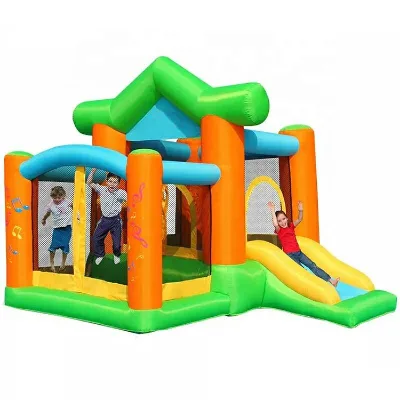
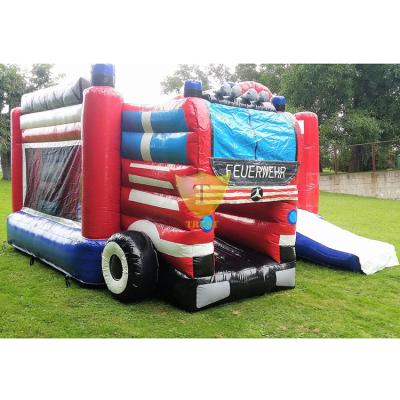


Blue Animal Elephant Theme Inflatable Bounce House with Slide and Obstacle Course
$499.00 - $1299.00
MOQ: 1 Pieces

High Quality Bounce House Air Bouncer Inflatable Bouncer Inflatable Obstacle Course
$999.00 - $1999.00
MOQ: 1 Pieces


Jungle Theme Inflatable Dino Bouncer Outdoor Inflatable Bounce House Castle
$900.00 - $2000.00
MOQ: 1 Pieces
Comprehensive Sourcing Guide
Strategic Sourcing Guide for Animal-Themed Inflatable Bounce Houses
Understanding Product Specifications and Design Variations
When sourcing an Animal Inflatable Bounce House, buyers must first navigate the diverse technical specifications that define the product's physical characteristics and functional capabilities. The market offers a range of configurations, primarily distinguished by dimensions, material composition, and included accessories. Based on current market data, these units typically utilize PVC or heavy-duty tarpaulin materials, with fabric thicknesses often observed around 0.55mm. This specific thickness is a critical observation point, as it directly correlates with the durability and safety of the structure under repeated use.
The physical dimensions of these inflatables vary significantly to accommodate different venue constraints and user groups. Available standard configurations include compact units measuring approximately 3x3x3 meters (10x10x10 feet) and larger commercial-grade structures reaching up to 7.5x4.5x3.7 meters (25x15x12 feet). Some models are explicitly designed with a "Playhouse" style, while others feature distinct "Animal" or "Cartoon Character" styling to appeal to younger demographics. The target age range for these products is broad, spanning from children aged 8-11 years to adults, which necessitates careful selection based on the intended user demographic.
A crucial technical differentiator is the inclusion of the air blower. The supply chain presents two distinct categories: units where the blower is included and those where it is un-included. For operators looking to minimize initial logistics complexity, selecting a unit with an included blower is often preferable. Conversely, buyers with existing inventory or specific power requirements might opt for units without the accessory. Additionally, the packaging standards vary, with some suppliers utilizing strong PVC tarpaulin bags while others employ a combination of PVC bags and cartons. These packaging differences impact the ease of transport and the protection of the product during shipping.
Compliance and Certification Verification Protocols
In the realm of commercial inflatables, compliance is not merely a formality but a fundamental requirement for liability management and operational safety. Buyers must rigorously verify the certification status of any potential supplier. The observed market data indicates that products often carry certifications such as ASTM, CE, EN, UL, and combinations thereof (e.g., CE, ENUL). However, the presence of a certification label on a product listing does not automatically guarantee that every unit in a batch meets the same standard. It is imperative for the buyer to treat these certifications as observations that require independent verification.
Specifically, the EN 14960 standard is frequently referenced in the industry as a benchmark for safety, though it should be noted that this is a background standard often cited in general knowledge rather than a guaranteed attribute of every listed product. Buyers should explicitly request current test reports that correspond to the specific model number, such as TL0760 or TL2315, to ensure the certification applies to the exact configuration being purchased. The distinction between "CE" and "EN" certifications is vital; while CE indicates conformity with European health, safety, and environmental protection standards, EN standards often provide more detailed technical requirements for playground equipment.
Furthermore, the "Customized" nature of many of these products introduces a layer of complexity regarding compliance. When a buyer requests custom sizes, colors, or designs, the original certification may not automatically extend to the modified unit. Suppliers must demonstrate that the customization process does not compromise the structural integrity or safety ratings of the inflatable. Buyers should insist on a statement confirming that the customized product retains its original certification status or undergoes re-testing if significant structural changes are made. Relying on general claims without specific documentation for the custom order is a high-risk procurement strategy.
Cost Drivers and Pricing Structure Analysis
The pricing of animal inflatable bounce houses is influenced by a complex interplay of factors, including material quality, size, customization level, and accessory inclusion. The observed price range in the current market spans from 300 to 8,000 USD, reflecting the vast difference between small, entry-level units and large, commercial-grade installations. This wide variance underscores the importance of defining the exact requirements before soliciting quotes.
Material thickness is a primary cost driver. Units constructed with 0.55mm PVC fabric will generally command a higher price point than those with thinner materials, as the thicker fabric offers superior resistance to tearing and corrosion. The "Function" attributes of the product, such as environmental resistance and tear resistance, are directly linked to the material cost. Buyers should understand that a lower price point may indicate a compromise in these functional attributes, potentially leading to higher long-term maintenance costs.
Customization is another significant factor affecting the final price. While many suppliers offer customization for size, color, and design, this service often incurs additional costs. The "Price Will a" notation in supplier data suggests that pricing for custom orders is variable and requires a specific quote. Buyers should anticipate that custom designs, particularly those involving complex animal characters or unique playhouse structures, will be priced higher than standard off-the-shelf models. Additionally, the inclusion of accessories, such as air blowers and repair kits, adds to the initial cost but can reduce the total cost of ownership by eliminating the need for separate purchases.
The following table summarizes the key cost drivers and their impact on the final price:
| Cost Driver | Impact on Price | Buyer Consideration |
|---|---|---|
| Material Thickness | High | Verify 0.55mm specification for durability; thinner materials reduce cost but increase wear risk. |
| Dimensions | High | Larger units (e.g., 7.5x4.5m) cost significantly more than compact units (3x3x3m). |
| Customization | Variable | Custom sizes, colors, and designs increase unit price; request detailed quotes. |
| Accessory Inclusion | Medium | Units with included blowers and repair kits have higher upfront costs but lower logistics complexity. |
| Certification | Medium | Products with verified ASTM, CE, or UL certifications may carry a premium over uncertified alternatives. |
Typical Applications and Usage Scenarios
The versatility of animal inflatable bounce houses makes them suitable for a wide array of applications, ranging from private community events to large-scale commercial amusement parks. The observed usage data highlights several key environments: parks, markets, amusement parks, kindergartens, communities, and squares. The specific application dictates the required durability and safety features of the unit.
For commercial amusement parks and large public markets, the demand is for high-durability units capable of withstanding heavy, continuous use. These environments often require the largest available dimensions, such as the 7.5x4.5x3.7m models, to accommodate larger crowds and provide ample play space. The "Animal" and "Cartoon Character" styles are particularly effective in these settings, as they attract a broad demographic and enhance the thematic experience of the venue.
In contrast, kindergartens and community centers often prioritize safety and age-appropriateness. The data indicates that some units are specifically designed for children aged 8-11 years, while others cater to adults or mixed-age groups. For educational settings, the "Playhouse" style may be preferred for its enclosed, secure design. Buyers targeting these sectors should verify that the unit's weight (ranging from 50 to 99 kg) and stability features are suitable for the specific venue's floor conditions and supervision capabilities.
The "Environmental" function of these inflatables is also relevant to their application. Units designed for outdoor use in parks and squares must withstand varying weather conditions, including UV exposure and moisture. The material's resistance to corrosion and tearing is critical for maintaining safety in these open environments. Buyers should ensure that the selected unit is rated for the specific environmental conditions of the intended location.
Supplier Evaluation and Production Capabilities
Evaluating a supplier for an Animal Inflatable Bounce House requires a focus on production capabilities, lead times, and logistical reliability. The observed production times for these units range from 7 to 10 days, indicating a relatively quick turnaround for custom orders. However, buyers should verify these timelines against the specific complexity of their order, as custom designs may extend the production window.
The origin of the product is a significant factor in supplier evaluation. Most observed units originate from China, with specific mentions of Guangzhou as a production hub. While this location is a major manufacturing center, buyers should not assume uniform quality across all suppliers in the region. Instead, they should conduct due diligence on individual factories, requesting references and past performance data. The "MOQ" (Minimum Order Quantity) is consistently observed as 1 set, which is favorable for buyers seeking to test the market or purchase for a single event. This low barrier to entry allows for flexible procurement strategies without the need for large inventory commitments.
Logistics and shipping are also critical components of supplier evaluation. The observed shipping methods include air and sea freight, offering flexibility based on the urgency and budget of the order. Buyers should assess the supplier's experience with international shipping, particularly regarding the packaging of large, bulky items. The use of "Strong PVC Tarpaulin Bags" or "PVC Bag and Carton" packaging is standard, but buyers should confirm that the packaging is robust enough to prevent damage during transit. Additionally, the supplier's ability to provide accurate shipping estimates and handle customs documentation is essential for a smooth procurement process.
Quality Control and Long-Term Procurement Strategy
Implementing a robust quality control (QC) strategy is essential for mitigating risks associated with inflatable bounce house procurement. Given the variability in product attributes, buyers should establish clear acceptance criteria before production begins. This includes verifying the fabric thickness, material composition (PVC vs. Tarpaulin), and the integrity of the stitching and welding. The "Function" attributes, such as environmental and tear resistance, should be validated through sample testing or third-party inspection reports.
For long-term procurement, buyers should consider the lifecycle of the product. The "Repair Kits" included with some units are a positive indicator of supplier foresight, but buyers should also evaluate the availability of spare parts and the ease of repair. A unit that is difficult to repair or requires specialized parts can become a liability if it fails during operation. Establishing a relationship with a supplier who offers ongoing support and maintenance guidance can significantly extend the useful life of the inflatable.
Furthermore, buyers should plan for the eventual replacement or upgrade of their inventory. As technology and safety standards evolve, older models may become obsolete. A strategic approach involves maintaining a mix of standard and custom units to balance cost and performance. Regular inspections of the fleet, checking for wear and tear on the fabric and blower systems, are necessary to ensure continued compliance with safety standards. By integrating these quality control measures into the procurement lifecycle, buyers can ensure the safety and reliability of their animal inflatable bounce houses for years to come.
FAQs
What certifications do animal inflatable bounce houses typically have?
Products often carry certifications such as ASTM, CE, EN, and UL. Buyers must verify that these labels apply to the specific model and customization, as general claims do not guarantee every unit meets the same standard.
Can I order custom sizes and colors for these units?
Yes, customization for size, color, and design is available for most models. However, the price will vary based on the specific requirements, and buyers should request a detailed quote to confirm the final cost.
How much does an Animal Inflatable Bounce House cost?
The observed price range spans from 300 to 8000 USD depending on size and features. Larger commercial units and those with included accessories generally command higher prices than smaller, entry-level models.
Are air blowers included with the inflatable bounce houses?
Some units include an air blower while others do not, so buyers must check the specific product listing. Selecting a unit with an included blower reduces logistics complexity, whereas others require a separate purchase.
What material thickness is used for these inflatables?
Fabric thickness is often observed around 0.55mm for durability and safety. Thicker materials offer superior resistance to tearing and corrosion, which is critical for commercial use in parks and amusement centers.
How long does production take for custom orders?
Production times typically range from 7 to 10 days for most suppliers. Buyers should verify these timelines against the complexity of their custom design, as unique requests may extend the manufacturing window.
What are the standard dimensions for these bounce houses?
Standard configurations vary from compact 3x3x3 meters to large 7.5x4.5x3.7 meters structures. Buyers should select dimensions that fit their venue constraints and accommodate the intended number of users safely.