Source Animal Shape Hair Scrunchies for girls, daily wear, and festivals
Compare 30 listings of Animal Shape Hair Scrunchies featuring fabric and satin materials. Buyers can evaluate customization options, sizes, and pricing for girls and women.
Key considerations
Products List


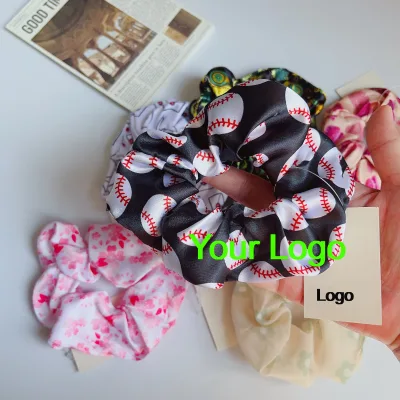
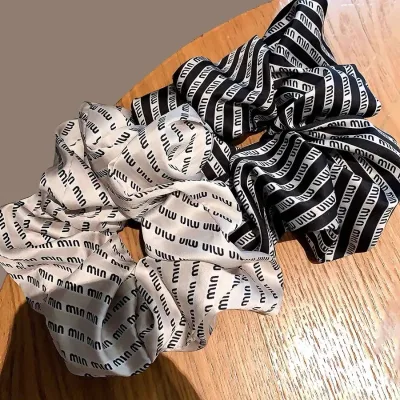
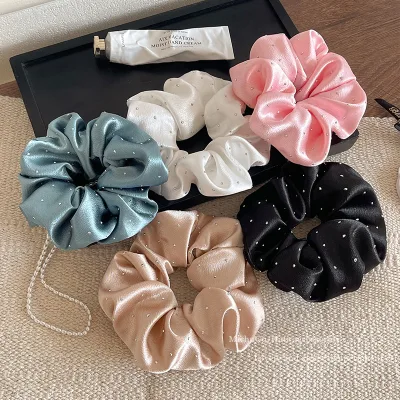
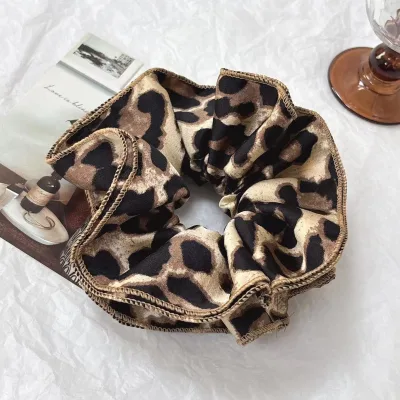
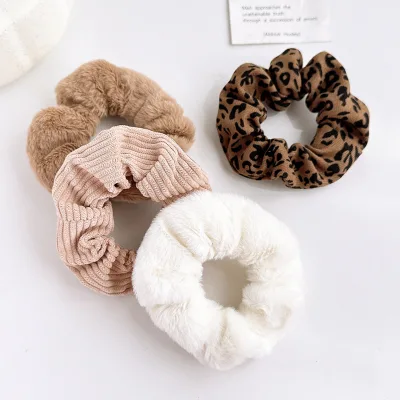
Women Elastic Ponytail Holder Hair Band Big Ruffle Leopard Hair Scrunchies
$1.05 - $1.15
MOQ: 12 pieces
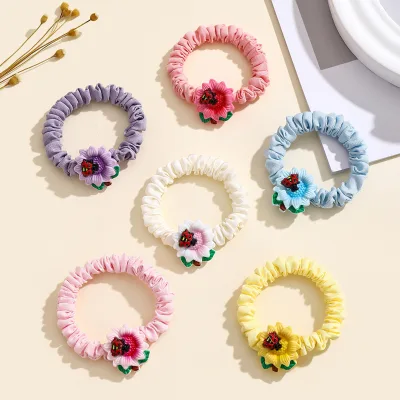
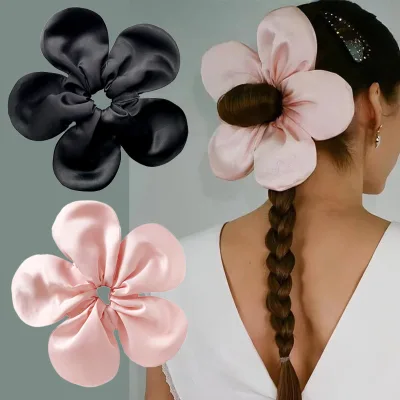
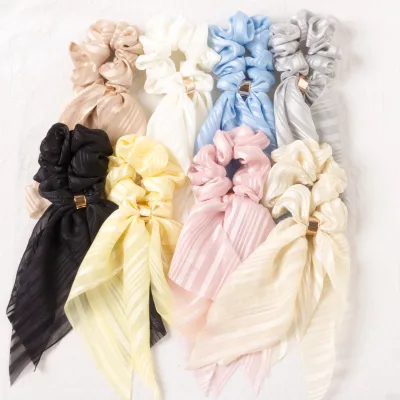
Fashion Creative Girls Simple Hair Tie Solid Color Large Flower Hair Scrunchies
$1.05 - $1.15
MOQ: 12 pieces
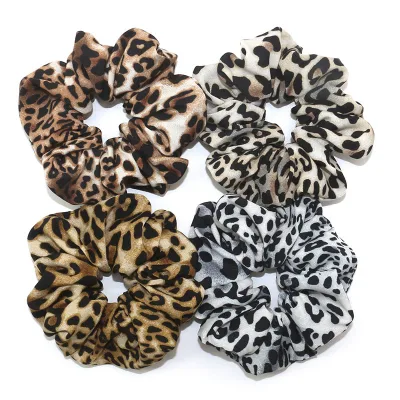
Women Hot Sale Vintage Elastic Fabric Hair Band Large Leopard Hair Scrunchies
$0.46 - $0.51
MOQ: 12 pieces
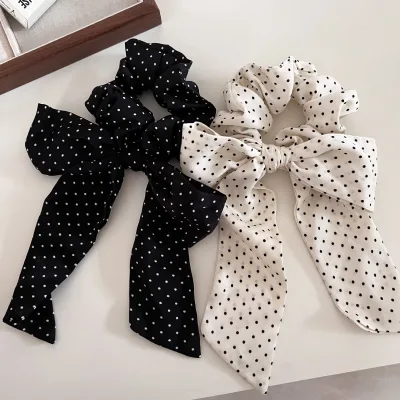


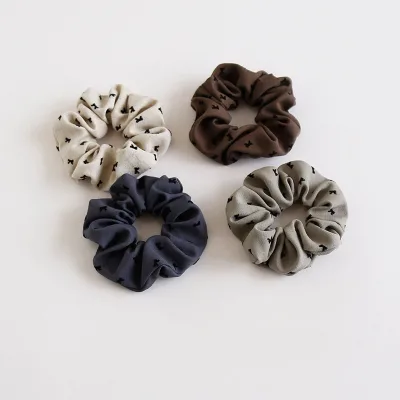
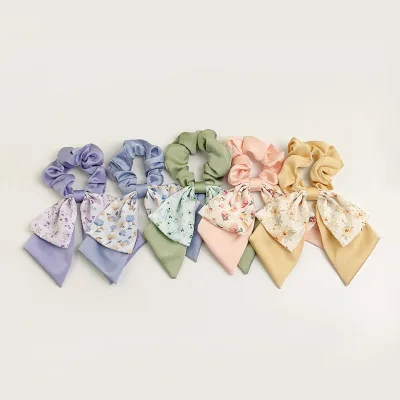
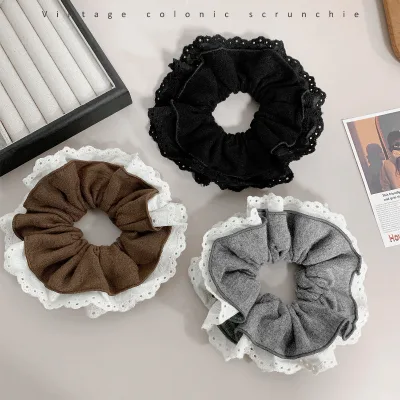


Comprehensive Sourcing Guide
Strategic Sourcing Guide for Animal Shape Hair Scrunchies
The global market for hair accessories has evolved significantly, with Animal Shape Hair Scrunchies emerging as a high-demand category for both children and fashion-conscious adults. These items, characterized by their soft, gathered fabric construction and playful motifs, serve as a versatile alternative to traditional hair ties. For B2B buyers, sourcing this specific niche requires a nuanced understanding of material composition, customization capabilities, and compliance standards. The following guide provides a disciplined approach to navigating the supply chain for these decorative hair bands, ensuring that procurement decisions are grounded in verified product attributes and industry best practices.
Technical Specifications and Material Composition
When evaluating Animal Shape Hair Scrunchies, the primary technical differentiator lies in the material composition and physical dimensions. The core product category often utilizes a blend of fabrics to achieve the desired softness and durability. Verified product data indicates that materials frequently include microfiber, satin, cotton, and chiffon. A common specification for high-performance scrunchies involves a composition of 80% Polyester and 20% Polyamide, or in some variants, 100% Polyester. This blend ensures the fabric possesses high tenacity while maintaining a luxurious hand feel.
The weight of the fabric is a critical specification for bulk buyers, typically ranging from 120 to 400 GSM (grams per square meter). Lighter weights in the 120-200 GSM range are suitable for delicate, sheer designs often found in chiffon or satin varieties, while heavier weights up to 400 GSM provide structure for microfiber options. Regarding dimensions, standard sizes vary significantly based on the intended use. Common specifications include circular dimensions of 12x12 cm or 3.75x3.75 inches, with custom sizing available to meet specific design requirements. For larger bulk items, sizes may extend to 15 cm. The circumference of the finished product is generally around 6 cm, which allows for a comfortable fit on various hair types without causing tension or breakage.
Customization and Design Capabilities
One of the most significant advantages of sourcing Animal Shape Hair Scrunchies is the extensive customization available. Most suppliers in this sector offer robust ODM (Original Design Manufacturing) and OEM (Original Equipment Manufacturing) services. This allows buyers to tailor the animal motifs, color palettes, and fabric textures to align with specific brand identities or seasonal trends. The "Simple" and "Fashion" styles are prevalent, with options for solid colors or floral elements integrated into the animal design.
Customization extends beyond the visual design to packaging and branding. Suppliers typically offer packing solutions such as 5-layer cartons to ensure product integrity during transit. The ability to customize the standard size, such as moving from a 3.9x3.9 inch standard to a bespoke dimension, is a key feature for buyers targeting niche markets. Furthermore, the production of "custom printing scrunchies" enables the addition of logos or specific patterns onto the fabric, enhancing the product's value proposition. Buyers should verify that the supplier's customization process includes clear proofs and samples before mass production to ensure the animal shape is accurately rendered and the fabric print quality meets expectations.
Compliance, Certification, and Quality Assurance
In the B2B sector, compliance is non-negotiable, particularly for products intended for children or daily wear. Verified product attributes indicate that reputable suppliers often hold certifications such as BSCI (Business Social Compliance Initiative) and SGS (Société Générale de Surveillance). These certifications serve as evidence of adherence to social responsibility standards and quality control protocols. While ISO 9001 is a recognized standard for quality management, buyers should specifically request current certification documents rather than relying on general claims.
Quality assurance for animal shape scrunchies involves rigorous testing of the fabric's durability and the security of the animal-shaped attachments. The "High Tenacity" feature observed in product listings suggests that the elastic and fabric should withstand repeated stretching without losing elasticity or tearing. Buyers must verify that the manufacturing process ensures the animal shapes are securely sewn to prevent detachment, which is a critical safety consideration for products marketed to girls. Additionally, the origin of the goods, often cited as Zhejiang, China, should be confirmed, as this region is a known hub for textile manufacturing. Buyers should ensure that the supplier can provide test results regarding color fastness and fabric strength, as these are not always explicitly listed in initial product summaries.
Cost Drivers and Pricing Dynamics
The pricing structure for Animal Shape Hair Scrunchies is influenced by several variables, including material type, order volume, and customization complexity. The observed price range in the market spans from $0.15 to $5.00 per unit. This wide variance is primarily driven by the choice of material; satin silk and microfiber options typically command higher prices than standard cotton or polyester blends. The complexity of the animal shape design also impacts cost, as intricate sewing or multi-layered fabric construction requires more labor hours.
Minimum Order Quantity (MOQ) is another significant cost driver. Market data shows MOQs ranging from as low as 16 pieces to as high as 2,400 pieces. Lower MOQs, such as 16 or 30 pieces, are often associated with custom or sample orders, while bulk orders benefit from economies of scale. Buyers should be aware that the "Selling Units" are typically single items, but packaging may be done in bulk cartons. When negotiating, it is essential to clarify whether the price includes custom printing, packaging, and shipping costs, as these can significantly alter the final landed cost. Understanding the relationship between volume and unit price is crucial for budgeting and forecasting.
Supplier Evaluation and Operational Logistics
Selecting the right supplier requires a thorough evaluation of their operational capabilities and logistical reliability. Key factors include the supplier's ability to handle ODM/OEM requests, their production capacity, and their lead times. Verified data indicates that suppliers often accept OEM/ODM services, but the specific lead times and production schedules must be confirmed on a case-by-case basis. The "Place of Origin" is frequently listed as Zhejiang, China, a region known for its textile infrastructure, but buyers should verify the specific factory location to assess logistics and potential shipping delays.
Packaging standards are also a critical component of supplier evaluation. The use of 5-layer cartons suggests a commitment to protecting the product during shipping, but buyers should confirm the internal packaging methods to prevent crushing or soiling of the delicate animal shapes. Additionally, the supplier's ability to handle mixed orders—combining different animal shapes, colors, and sizes—can streamline the procurement process. Buyers should request a detailed production timeline that accounts for sample approval, material sourcing, manufacturing, and quality inspection. Transparency regarding the "Single package size" and "Single gross weight" (e.g., 10.0x10.0x2.0 cm and 0.025 kg) is essential for calculating shipping costs and warehouse space requirements.
Typical Applications and Market Segmentation
Animal Shape Hair Scrunchies serve a diverse range of applications, primarily falling into the categories of daily wear and special occasions. The "Occasion" attribute often lists "Daily" and "Festival," indicating versatility in usage. For the "Girls" demographic, these items are popular as everyday hair decorations, offering a fun and comfortable alternative to standard hair ties. The "Function" is explicitly noted as "Head Decoration," highlighting their role as a fashion accessory rather than a purely utilitarian item.
The market segmentation for these products is broad, catering to women, girls, and ladies. The "Style" can range from "Simple" to "European and American Style," allowing buyers to target different aesthetic preferences. In the festival market, animal shapes with floral elements or vibrant colors are particularly popular. The "Whole Year" seasonality suggests that these products are not limited to specific holiday seasons, making them a stable category for year-round inventory. Buyers should consider the target demographic when selecting designs; for instance, younger girls may prefer simpler, solid-color animal shapes, while older demographics might favor more intricate, fashion-forward designs with floral or mixed elements.
Long-Term Procurement Considerations
Sourcing Animal Shape Hair Scrunchies is not merely a transactional activity but a strategic partnership that requires long-term planning. Buyers should prioritize suppliers who demonstrate consistent quality and reliability over time. The ability to maintain consistent material quality, such as the 80% Polyester/20% Polyamide blend, is crucial for brand reputation. Furthermore, the flexibility to adapt to changing trends, such as new animal motifs or color palettes, is a key indicator of a supplier's long-term viability.
Sustainability and ethical sourcing are increasingly important considerations. While specific eco-certifications may not always be listed, the presence of BSCI certification indicates a commitment to social compliance. Buyers should inquire about the environmental impact of the materials used, particularly regarding the disposal of synthetic fabrics like polyester. Additionally, establishing a clear communication channel for quality control issues and returns is essential for managing long-term inventory. By focusing on suppliers with verified certifications, transparent pricing models, and robust customization capabilities, buyers can build a resilient supply chain that supports the growth of their hair accessory business.
FAQs
What materials are used for Animal Shape Hair Scrunchies?
Materials include microfiber, satin, cotton, and chiffon, often composed of 80% polyester and 20% polyamide or 100% polyester. These blends ensure high tenacity and a soft feel suitable for girls and women.
Can I customize the size and design of these scrunchies?
Yes, customization is available for standard sizes like 12x12 cm or 3.75x3.75 inches, with bespoke dimensions also possible. Buyers can request specific animal motifs, colors, and custom printing to match their brand identity.
What certifications do suppliers typically hold for these products?
Reputable suppliers often hold BSCI and SGS certifications to ensure social compliance and quality control. These standards verify that manufacturing processes meet safety and ethical requirements for products intended for children and daily wear.
What is the typical minimum order quantity for bulk purchases?
Minimum order quantities range from 16 pieces to 2,400 pieces depending on the supplier and customization level. Lower MOQs often apply to sample orders, while bulk orders benefit from economies of scale and lower unit prices.
Where are these animal shape scrunchies typically manufactured?
Products are primarily sourced from Zhejiang, China, a major hub for textile manufacturing. This location supports efficient production of various fabric types and allows for flexible ODM and OEM services for international buyers.
How are these scrunchies packaged for international shipping?
Items are typically packed in 5-layer cartons to ensure product integrity during transit. Packaging details include specific single package sizes and gross weights to help buyers calculate shipping costs and warehouse space requirements accurately.