Source Anion Exchange Membrane Sheet for Water Treatment
Find 30 listings for Anion Exchange Membrane Sheet suitable for acid recovery, water purification, and electrodialysis. Buyers can compare specifications like thickness, functional groups, and dimensions to select the right option for industrial needs.
Key considerations
Products List


$25.00 - $100.00
MOQ: 1 Meters

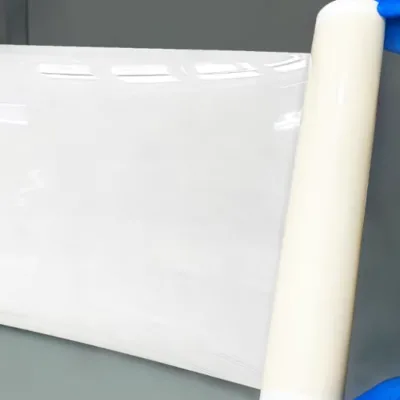
High Conductive AEM Anion Exchange Membrane for Hydrogen Producing by Electrolysis Water
$2530.00 - $2660.00
MOQ: 1 square


3rd-Generation Cation Exchange Membrane for Brine Electrolysis
$299.00 - $399.00
MOQ: 100 Square Meters

Ion Exchange Membrane for Caustic Soda Naoh Electrolysis Fluorinated Material Film
$299.00 - $399.00
MOQ: 100 Square Meters


Ion Exchange Membrane for Chlor-Alkali Industry Acid/Alkali Resistant, Low Energy Consumption
$399.00 - $450.00
MOQ: 100 Square Meters

Long-Life Cation Exchange Membrane for Chlorine, Caustic Soda, and Hydrogen Production
$399.00 - $450.00
MOQ: 100 Square Meters


PE Polyethylene Separator--Ion Exchange Separator Membrane for Li Ion Battery
$160.00 - $12500.00
MOQ: 1 Rolls

Comprehensive Sourcing Guide
Strategic Sourcing Guide for Anion Exchange Membrane Sheets
Understanding the Technical Landscape of AEM Sheets
The procurement of anion exchange membrane (AEM) sheets requires a precise understanding of the underlying chemical architecture and physical specifications that define performance in industrial applications. These membranes are engineered to facilitate the selective transport of anions while blocking cations, a critical function in processes such as electrodialysis, acid recovery, and caustic recovery. The core functional group responsible for this selectivity is typically a quaternary ammonium group, which provides the necessary ionic conductivity and stability within a specific pH environment.
When evaluating potential suppliers, buyers must first verify the membrane type. While the primary focus is on ion exchange membranes, the market also contains ultrafiltration (UF) variants and tubular dialysis cells that may be confused with flat sheet AEMs. A flat sheet design is the standard configuration for most electrodialysis stacks, offering a large surface area for ion transport. The physical dimensions are equally critical; standard widths often range from 800mm to 1.09m, with specific models available in 40-inch widths. Length specifications can vary significantly, with common industrial sizes reaching 1600mm. Buyers should also note that effective working widths can span from 500mm to 5000mm depending on the custom configuration required for the specific stack design.
Material composition is another decisive factor. High-performance AEM sheets are frequently constructed from perfluorinated sulfonic acid (PFSA) materials, which offer superior chemical resistance and mechanical strength. In contrast, some alternatives may utilize polyethersulfone (PES) or other polymer blends. The thickness of the membrane is a key performance indicator, with standard specifications often citing a thickness of 50 micrometers. This thin profile is essential for minimizing electrical resistance while maintaining structural integrity under operational stress. Additionally, the presence of an outer protection mesh is a vital feature for preventing physical damage during handling and installation, ensuring the membrane remains intact throughout its service life.
Compliance, Certification, and Standard Verification
In the B2B procurement of industrial membranes, verifying compliance with established standards is non-negotiable. Unlike consumer goods, industrial membranes often operate in harsh chemical environments where failure can lead to significant production downtime. Buyers must demand evidence that the product adheres to recognized industry standards for ion exchange membranes. The documentation should explicitly state the prod_standard classification, confirming the item is a certified ion exchange membrane rather than a generic filtration product.
Chemical stability is a primary compliance metric. The membrane must demonstrate a robust chemical stability range, typically defined by its ability to operate within a pH spectrum of 1 to 10. Operating outside this range can lead to rapid degradation of the functional groups, resulting in a loss of selectivity and conductivity. Buyers should request detailed chemical compatibility charts from the supplier to ensure the membrane will withstand the specific electrolytes and pH levels present in their process streams.
Furthermore, the origin of the product plays a role in compliance and supply chain reliability. The market includes products originating from major manufacturing hubs such as China, specifically regions like Sichuan, as well as products from American manufacturers. While the origin itself does not dictate quality, it influences the regulatory framework under which the product was manufactured. Buyers must verify that the supplier can provide documentation confirming the product's origin and that it meets the safety and environmental regulations of the destination market.
Certification checks should also extend to the manufacturing process. The availability of processing services such as cutting and moulding indicates a supplier's ability to customize the product to specific stack requirements. However, buyers must be cautious regarding machinery test reports. In many cases, these reports are not available for standard off-the-shelf items, and the absence of such a report should not automatically disqualify a supplier. Instead, buyers should focus on the warranty terms and the availability of video technical support or online support as indicators of the supplier's commitment to post-sales quality assurance.
Cost Drivers and Pricing Dynamics
The pricing of anion exchange membrane sheets is influenced by a complex interplay of material costs, manufacturing complexity, and customization requirements. The observed price range in the market is exceptionally broad, spanning from $0.58 to $12,500. This variance is not indicative of a single product line but rather reflects the diversity of applications, from small-scale laboratory tests to large-scale industrial installations.
Material composition is a primary cost driver. Membranes based on PFSA materials generally command a higher price point due to the complexity of the polymer synthesis and the high cost of raw materials. Conversely, membranes utilizing PES or other less expensive polymers may fall into the lower end of the price spectrum. The thickness of the membrane also impacts cost; a 50-micrometer sheet requires more precise manufacturing control than a thicker variant, potentially increasing the unit price.
Customization is another significant factor. While the standard width is often 800mm or 1.09m, many projects require custom dimensions to fit existing equipment. Suppliers that offer cutting and moulding services may charge a premium for these value-added activities. The packaging method also influences the final cost. Products shipped in standard carton boxes are generally less expensive than those requiring wooden boxes or specialized protective packaging, which are necessary for larger or more fragile units.
The Minimum Order Quantity (MOQ) is a critical consideration for budget planning. The market exhibits an MOQ range from 1 piece to 200 pieces. For buyers with small-scale needs or those testing new applications, suppliers with an MOQ of 1 piece offer significant flexibility, though the unit price may be higher. Conversely, buyers planning large-scale deployments can leverage bulk purchasing to reduce the per-unit cost, provided they can meet the higher MOQ thresholds. It is essential for buyers to calculate the total cost of ownership, including shipping and handling, rather than focusing solely on the unit price.
Typical Applications and Performance Expectations
Anion exchange membrane sheets are integral to a variety of industrial processes, with acid and caustic recovery being the most prominent applications. In these scenarios, the membrane's ability to selectively transport anions allows for the efficient separation and concentration of acids and bases from waste streams, reducing environmental impact and recovering valuable chemicals. The functional group, typically quaternary ammonium, is specifically chosen for its stability in these aggressive chemical environments.
Beyond recovery, these membranes are used in electrodialysis for desalination and water purification. In such applications, the membrane's conductivity is a key performance metric. High-performance membranes can achieve conductive values of approximately 0.1 S/cm, ensuring efficient energy usage during the ion transport process. Water uptake is another critical parameter, with ideal membranes exhibiting a water uptake of 50% +/- 5% at 100 degrees Celsius for one hour. This property ensures the membrane remains hydrated and conductive under operational conditions without swelling excessively, which could compromise its mechanical stability.
Mechanical strength is equally important for long-term performance. Buyers should look for membranes with a tensile strength of around 40 MPa, which provides the necessary durability to withstand the tension applied during stack assembly and operation. The electrode material, often stainless steel 316 (SS316), is also a consideration, as it must be compatible with the membrane to prevent corrosion and ensure consistent electrical performance.
The design of the membrane system can vary, with gravity designs being one option. However, the most common configuration for industrial use is the flat sheet, which offers a high surface-area-to-volume ratio. The effective working area can range from 500mm to 5000mm, allowing for scalability based on the throughput requirements of the facility. Buyers must ensure that the selected membrane matches the specific design and operational parameters of their existing or planned systems.
Supplier Evaluation and Quality Assurance
Selecting the right supplier is as important as selecting the right product. Buyers should evaluate suppliers based on their ability to provide consistent quality, technical support, and after-sales service. The availability of video technical support and online support is a strong indicator of a supplier's commitment to helping buyers troubleshoot issues and optimize their processes. A supplier that offers a warranty, such as a 1-year warranty, demonstrates confidence in the durability and performance of their products.
When evaluating suppliers, buyers should also consider the brand reputation and the specific model numbers offered. Models such as AM1, RTAO-600-2N, and MTUF-PVC/PVDF/PSS-1060/8060/6060/4046 represent different product lines with varying specifications. Buyers must ensure that the model number aligns with their technical requirements. Additionally, the brand name, whether it is a recognized entity like Prochema or a customized brand, should be verified for authenticity and reliability.
Quality control measures are essential to ensure that the membranes meet the specified standards. Buyers should request documentation regarding the production process, including details on the functional group integration and the material composition. While machinery test reports may not always be available, buyers can request sample testing data or third-party verification to confirm the membrane's performance characteristics. The single package size, such as 65x1x1 cm, and the single gross weight of 1.500 kg are practical details that buyers should verify to ensure compatibility with their logistics and handling systems.
Long-Term Procurement and Operational Considerations
Sourcing anion exchange membrane sheets is not a one-time transaction but part of a long-term procurement strategy. Buyers must consider the lifecycle of the membrane and the potential for replacement or upgrades. The "replace" attribute, such as UFS, indicates that the membrane is designed to be compatible with existing systems, facilitating easy upgrades without the need for extensive system modifications. This compatibility is crucial for minimizing downtime and reducing the total cost of ownership.
The selling units, typically single items, allow for flexible purchasing, but buyers should plan for bulk orders to secure better pricing and ensure supply continuity. The lead time for delivery, while not explicitly stated in the provided data, is a critical factor that buyers should negotiate with the supplier. Understanding the production capacity and inventory levels of the supplier can help buyers anticipate potential delays and plan their operations accordingly.
Finally, buyers should consider the environmental and safety implications of the membrane's disposal or recycling. While the membrane itself is designed for long-term use, end-of-life management is an important aspect of sustainable procurement. Buyers should inquire about the supplier's policies regarding the disposal of used membranes and whether there are any recycling programs available. By addressing these long-term considerations, buyers can ensure a sustainable and efficient procurement process that supports their operational goals.
Comparative Analysis of Key Specifications
To assist buyers in making informed decisions, the following table summarizes the key specifications observed in the market for anion exchange membrane sheets. This comparison highlights the variability in dimensions, materials, and performance metrics that buyers must consider.
| Specification | Common Range/Observation | Notes for Buyers |
|---|---|---|
| Membrane Type | Ionite membrane, UF, Tubular | Verify specific type matches application (e.g., AEM vs. UF). |
| Functional Group | Quaternary Ammonium | Essential for anion selectivity and pH stability. |
| Standard Width | 800mm, 1.09m, 40 inch | Confirm compatibility with existing stack dimensions. |
| Length | 1600mm | Check for custom length requirements. |
| Thickness | 50um | Thinner membranes offer lower resistance but require careful handling. |
| Material | PFSA, PES | PFSA offers higher chemical resistance; PES may be cost-effective. |
| pH Stability | 1-10 | Critical for acid/caustic recovery applications. |
| Conductivity | 0.1 S/cm | Higher conductivity improves energy efficiency. |
| Tensile Strength | 40 MPa | Ensures mechanical durability during stack assembly. |
| Water Uptake | 50% +/- 5% (100°C) | Indicates hydration capacity and swelling behavior. |
| Packaging | Carton Box, Carton/Wooden Box | Verify packaging for shipping safety and storage. |
| Origin | China (Sichuan), America | Consider regulatory and logistics implications. |
| Warranty | 1 Year | Standard term; verify specific coverage details. |
This table serves as a reference point for buyers to compare different products and suppliers. By systematically evaluating these specifications against their specific operational needs, buyers can make data-driven decisions that optimize performance and cost-efficiency.
FAQs
What is the standard width for anion exchange membrane sheets?
The standard width is 800mm or 1.09m depending on the specific model. Customization is available to meet unique stack requirements, allowing effective working widths to span from 500mm to 5000mm.
Can these membranes operate in acidic and caustic environments?
Yes, they are designed for acid and caustic recovery applications. The chemical stability range supports operation within a pH spectrum of 1 to 10, ensuring durability in aggressive chemical conditions.
Which material composition offers the best chemical resistance?
High-performance sheets often use PFSA material for superior resistance. Some variants utilize PES, while the functional group is typically a quaternary ammonium group for selective anion transport.
How is the membrane thickness specified for optimal conductivity?
The standard thickness is 50 micrometers to minimize electrical resistance. This thin profile maintains structural integrity while achieving a conductive value of approximately 0.1 S/cm.
What packaging options are available for shipping these sheets?
Products are typically packed in carton boxes or wooden boxes. The single package size is often 65x1x1 cm with a gross weight of 1.500 kg per item.
Can buyers customize the dimensions of the membrane sheets?
Yes, customization is available through cutting and moulding services. Buyers can request specific sizes like 600x600mm or 800x800mm to fit their existing electrodialysis stacks.
What is the minimum order quantity for purchasing these membranes?
The minimum order quantity ranges from 1 piece to 200 pieces. This flexibility allows small-scale testing or large industrial deployments depending on the supplier and specific product model.